For outdoor enthusiasts, a reliable backpack is an essential companion for any adventure, providing a comfortable and convenient way to carry all the necessary gear. Whether you’re planning a short weekend getaway or a longer, more challenging expedition, having the right backpack can make all the difference in ensuring a successful and enjoyable trip. With so many options available on the market, it can be overwhelming to choose the perfect one, especially for men who require a backpack that can withstand the rigors of backpacking while also providing ample storage and support.
When it comes to selecting the best men’s backpacking backpacks, there are several key factors to consider, including durability, comfort, and features such as weather resistance, multiple compartments, and adjustable straps. A good backpack should be able to distribute the weight evenly, allowing for a comfortable and strain-free hiking experience. Additionally, it should be able to withstand various weather conditions and provide easy access to gear and essentials. In this article, we will delve into the world of backpacking backpacks, exploring the key features, benefits, and things to look for when choosing the perfect backpack for your next adventure, helping you to make an informed decision and find the ideal companion for your outdoor escapades.
Before we get into the review of the best men’s backpacking backpacks, here are some related products from Amazon to explore:
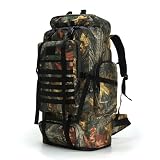
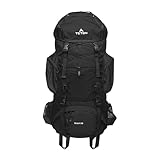
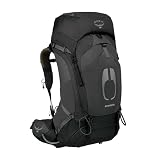


As an Amazon Associate I earn from qualifying purchases.
Prices and availability are accurate as of November 27, 2026 18:37 and are subject to change.
Introduction to Men’s Backpacking Backpacks
Men’s backpacking backpacks are designed to provide comfort, support, and durability for hikers and backpackers on long trips. These backpacks are typically made with sturdy materials and have multiple compartments to help organize gear. They often feature padded shoulder straps, hip belts, and back panels to distribute the weight of the pack evenly, reducing fatigue and discomfort.
When it comes to choosing the right backpack, there are several factors to consider, including the length of the trip, the type of terrain, and the amount of gear to be carried. Backpacks can range in size from small daypacks to large, multi-day packs, and may feature additional components such as rain covers, hydration sleeves, and attachment points for accessories. With so many options available, it can be difficult to determine which features are essential and which are merely nice to have.
For backpackers, having the right gear can make all the difference between a successful, enjoyable trip and a frustrating, uncomfortable one. A good backpack can help to reduce the risk of injury, improve mobility, and enhance overall performance. Whether hiking through rugged terrain or navigating crowded city streets, a well-designed backpack can provide peace of mind and freedom to focus on the journey. By selecting one of the best men’s backpacking backpacks, backpackers can ensure that they have a reliable, comfortable, and functional pack that meets their needs.
In recent years, backpack design has evolved to incorporate new materials, technologies, and features, offering backpackers a wider range of options than ever before. From lightweight, minimalist packs to heavy-duty, feature-rich models, there is a backpack to suit every style, preference, and budget. By considering factors such as durability, comfort, and functionality, backpackers can choose a pack that meets their specific needs and enhances their overall backpacking experience.
Best Men’S Backpacking Backpacks – Reviewed
The
Osprey Atmos 65L #1
is a top-notch backpacking backpack that has gained popularity among outdoor enthusiasts. It features a sleek and durable design, with a comfortable fit that allows for optimal weight distribution. The backpack has a large 65L capacity, making it ideal for extended trips and expeditions. The Osprey Atmos 65L #1 also boasts a range of innovative features, including a built-in rain cover, trekking pole attachments, and a hydration sleeve.
One of the standout features of the
Osprey Atmos 65L #1
is its ventilation system, which provides excellent airflow and helps to keep the wearer cool and dry. The backpack also has a range of pockets and compartments, making it easy to organize and access gear on the go. Overall, the Osprey Atmos 65L #1 is a high-quality backpacking backpack that is well-suited to a range of outdoor activities, from hiking and camping to backpacking and trekking. With its durable design, comfortable fit, and innovative features, it is an excellent choice for anyone looking for a reliable and versatile backpack.
The
Salomon Quest 4D 60L #2
is a high-performance backpacking backpack that is designed for serious outdoor enthusiasts. It features a rugged and durable design, with a comfortable fit that allows for optimal weight distribution. The backpack has a large 60L capacity, making it ideal for extended trips and expeditions. The Salomon Quest 4D 60L #2 also boasts a range of innovative features, including a built-in rain cover, trekking pole attachments, and a hydration sleeve.
One of the standout features of the
Salomon Quest 4D 60L #2
is its 4D harness system, which provides excellent support and stability. The backpack also has a range of pockets and compartments, making it easy to organize and access gear on the go. Overall, the Salomon Quest 4D 60L #2 is a high-quality backpacking backpack that is well-suited to a range of outdoor activities, from hiking and camping to backpacking and trekking. With its durable design, comfortable fit, and innovative features, it is an excellent choice for anyone looking for a reliable and versatile backpack.
The
Deuter Aircontact 70L #3
is a premium backpacking backpack that is designed for serious outdoor enthusiasts. It features a rugged and durable design, with a comfortable fit that allows for optimal weight distribution. The backpack has a large 70L capacity, making it ideal for extended trips and expeditions. The Deuter Aircontact 70L #3 also boasts a range of innovative features, including a built-in rain cover, trekking pole attachments, and a hydration sleeve.
One of the standout features of the
Deuter Aircontact 70L #3
is its AirContact backsystem, which provides excellent ventilation and support. The backpack also has a range of pockets and compartments, making it easy to organize and access gear on the go. Overall, the Deuter Aircontact 70L #3 is a high-quality backpacking backpack that is well-suited to a range of outdoor activities, from hiking and camping to backpacking and trekking. With its durable design, comfortable fit, and innovative features, it is an excellent choice for anyone looking for a reliable and versatile backpack.
The
Gregory Baltoro 65L #4
is a high-performance backpacking backpack that is designed for serious outdoor enthusiasts. It features a rugged and durable design, with a comfortable fit that allows for optimal weight distribution. The backpack has a large 65L capacity, making it ideal for extended trips and expeditions. The Gregory Baltoro 65L #4 also boasts a range of innovative features, including a built-in rain cover, trekking pole attachments, and a hydration sleeve.
One of the standout features of the
Gregory Baltoro 65L #4
is its Response LT suspension system, which provides excellent support and stability. The backpack also has a range of pockets and compartments, making it easy to organize and access gear on the go. Overall, the Gregory Baltoro 65L #4 is a high-quality backpacking backpack that is well-suited to a range of outdoor activities, from hiking and camping to backpacking and trekking. With its durable design, comfortable fit, and innovative features, it is an excellent choice for anyone looking for a reliable and versatile backpack.
The
REI Co-op Trail 65L #5
is a high-quality backpacking backpack that is designed for outdoor enthusiasts of all levels. It features a rugged and durable design, with a comfortable fit that allows for optimal weight distribution. The backpack has a large 65L capacity, making it ideal for extended trips and expeditions. The REI Co-op Trail 65L #5 also boasts a range of innovative features, including a built-in rain cover, trekking pole attachments, and a hydration sleeve.
One of the standout features of the
REI Co-op Trail 65L #5
is its UpLift compression system, which provides excellent support and stability. The backpack also has a range of pockets and compartments, making it easy to organize and access gear on the go. Overall, the REI Co-op Trail 65L #5 is a high-quality backpacking backpack that is well-suited to a range of outdoor activities, from hiking and camping to backpacking and trekking. With its durable design, comfortable fit, and innovative features, it is an excellent choice for anyone looking for a reliable and versatile backpack.
Why People Need to Buy Men’s Backpacking Backpacks
People who enjoy outdoor activities such as hiking, camping, and backpacking often require a reliable and sturdy backpack to carry their gear. A good backpack can make a significant difference in the overall experience, providing comfort, support, and convenience. Without a suitable backpack, individuals may struggle to transport their essentials, leading to a less enjoyable and more challenging adventure.
When it comes to choosing the right backpack, there are several factors to consider, including size, material, and features. The size of the backpack will depend on the duration and type of trip, as well as the amount of gear that needs to be carried. The material should be durable and water-resistant, able to withstand various weather conditions and rough handling. Additionally, features such as multiple compartments, pockets, and straps can enhance the overall functionality and comfort of the backpack.
For those who are serious about backpacking, investing in a high-quality backpack is essential. The best men’s backpacking backpacks are designed to provide optimal comfort, support, and protection for the wearer and their gear. They often feature advanced technologies, such as ventilation systems and load-distribution mechanisms, which help to reduce fatigue and improve overall performance. By choosing a reputable brand and model, individuals can ensure that their backpack will meet their needs and provide years of reliable service.
Ultimately, a good backpack is an investment in one’s outdoor adventures and overall well-being. By selecting a backpack that meets their specific needs and preferences, individuals can enhance their backpacking experience, enjoy greater comfort and convenience, and focus on the beauty and thrill of the great outdoors. Whether embarking on a short day trip or an extended expedition, a reliable backpack is an indispensable companion that can make all the difference in the world.
Types of Men’s Backpacking Backpacks
Men’s backpacking backpacks come in various types, each designed to cater to specific needs and preferences. The most common types include frameless, internal frame, and external frame backpacks. Frameless backpacks are ideal for ultralight backpacking and are designed to be compact and lightweight. Internal frame backpacks, on the other hand, provide excellent support and stability, making them suitable for long-distance backpacking trips. External frame backpacks are perfect for carrying heavy loads and provide ample ventilation, making them a popular choice among backpackers.
When choosing a type of backpack, it’s essential to consider the terrain, weather conditions, and the duration of the trip. For example, if you’re planning a short trip in fair weather, a frameless backpack may be the best choice. However, if you’re embarking on a long-distance trip with heavy loads, an internal or external frame backpack may be more suitable. Additionally, consider the features that are important to you, such as pockets, compartments, and hydration systems.
The type of backpack you choose can significantly impact your backpacking experience. A well-designed backpack can provide comfort, support, and convenience, while a poorly designed one can lead to discomfort, fatigue, and frustration. Therefore, it’s crucial to research and compares different types of backpacks before making a purchase. By doing so, you can ensure that you find the perfect backpack that meets your needs and enhances your backpacking experience.
In addition to the types of backpacks, it’s also important to consider the materials used in their construction. Look for backpacks made from durable, water-resistant materials that can withstand the elements and heavy use. A good backpack should also have a comfortable and adjustable harness system, as well as multiple pockets and compartments to keep your gear organized.
Features to Look for in Men’s Backpacking Backpacks
When shopping for a men’s backpacking backpack, there are several features to look for to ensure that you find the best one for your needs. One of the most important features is the capacity of the backpack, which is measured in liters. A larger capacity backpack can carry more gear, but it may also be heavier and more cumbersome. Consider the length of your trip and the amount of gear you need to carry when choosing a backpack.
Another essential feature to look for is the comfort and support of the backpack. A well-designed backpack should have a comfortable and adjustable harness system, as well as a padded hip belt and shoulder straps. This will help to distribute the weight of the backpack evenly and reduce fatigue. Additionally, look for backpacks with features such as ventilation systems, pockets, and compartments to keep your gear organized and within reach.
The durability and water resistance of the backpack are also critical features to consider. Look for backpacks made from high-quality, water-resistant materials that can withstand the elements and heavy use. A good backpack should also have reinforced stitching and stress points to ensure that it can handle rough handling and harsh weather conditions. Furthermore, consider the weight and packability of the backpack, as a lighter and more compact backpack can be easier to carry and store.
In addition to these features, it’s also important to consider the brand and warranty of the backpack. Look for reputable brands that offer high-quality products and excellent customer service. A good warranty can provide peace of mind and protect your investment in case the backpack fails or is damaged. By considering these features and factors, you can find the best men’s backpacking backpack for your needs and enjoy a comfortable and successful backpacking experience.
Benefits of Using Men’s Backpacking Backpacks
Using a men’s backpacking backpack can provide numerous benefits for backpackers. One of the most significant advantages is the ability to carry all your gear comfortably and conveniently. A well-designed backpack can distribute the weight of your gear evenly, reducing fatigue and discomfort. This allows you to focus on enjoying your backpacking experience, rather than struggling with a heavy or uncomfortable load.
Another benefit of using a men’s backpacking backpack is the ability to stay organized and keep your gear within reach. Most backpacks have multiple pockets and compartments, which can be used to store and organize your gear. This makes it easy to find what you need quickly and efficiently, saving you time and reducing stress. Additionally, a good backpack can provide protection for your gear, keeping it safe from the elements and rough handling.
Using a men’s backpacking backpack can also enhance your safety and preparedness on the trail. A well-stocked backpack can provide you with the gear and supplies you need to handle emergencies and unexpected situations. For example, a first aid kit, emergency shelter, and communication devices can be essential in case of an emergency. By carrying these items in your backpack, you can be better prepared and more self-sufficient on the trail.
In addition to these benefits, using a men’s backpacking backpack can also promote a sense of freedom and adventure. With a comfortable and reliable backpack, you can explore new trails and destinations, knowing that you have everything you need to enjoy a safe and successful trip. Whether you’re a seasoned backpacker or just starting out, a good backpack can be an essential tool for enhancing your backpacking experience and creating lasting memories.
How to Choose the Right Size Men’s Backpacking Backpack
Choosing the right size men’s backpacking backpack is crucial to ensure a comfortable and successful backpacking experience. The size of the backpack will depend on the length of your trip, the amount of gear you need to carry, and your personal preferences. A larger backpack can carry more gear, but it may also be heavier and more cumbersome. On the other hand, a smaller backpack may be lighter and more compact, but it may not have enough space for all your gear.
To choose the right size backpack, consider the length of your trip and the amount of gear you need to carry. For example, if you’re planning a short overnight trip, a smaller backpack with a capacity of 30-40 liters may be sufficient. However, if you’re embarking on a longer trip or need to carry more gear, a larger backpack with a capacity of 60-80 liters may be more suitable. Additionally, consider your personal preferences and hiking style, as some backpackers may prefer a smaller or larger backpack regardless of the trip length.
When trying on a backpack, make sure to wear the clothes and gear you plan to wear on the trail, including your hiking boots and any layers you may wear. This will give you a more accurate fit and help you determine if the backpack is comfortable and supportive. Also, consider the features of the backpack, such as the number of pockets and compartments, the type of harness system, and the material and construction of the backpack.
In addition to these factors, it’s also important to consider the weight and packability of the backpack. A lighter and more compact backpack can be easier to carry and store, making it a great option for backpackers who value convenience and mobility. By considering these factors and trying on different backpacks, you can find the right size men’s backpacking backpack that meets your needs and enhances your backpacking experience.
Ultimate Buying Guide for Men’s Backpacking Backpacks
When it comes to backpacking, having the right gear can make all the difference in the world. A good backpack can be the difference between a comfortable, enjoyable trip and a frustrating, painful one. With so many options available on the market, it can be difficult to know where to start when looking for the best men’s backpacking backpacks. In this guide, we will break down the key factors to consider when making your purchase, helping you to make an informed decision and find the perfect backpack for your next adventure.
Capacity and Size
The capacity and size of a backpack are crucial factors to consider, as they will determine how much gear you can carry and how comfortable the pack will be to wear. A larger backpack may seem like a good idea, but it can be cumbersome and heavy, making it more difficult to maneuver on the trail. On the other hand, a smaller backpack may not have enough room for all of your gear, leaving you to make difficult decisions about what to bring and what to leave behind. When considering capacity and size, think about the length of your trip and the type of gear you will need to bring.
The capacity of a backpack is typically measured in liters, with most backpacks ranging from 40 to 80 liters. A 40-50 liter backpack is a good size for a weekend trip, while a 60-80 liter backpack is better suited for longer trips or for carrying bulky gear such as camping equipment. It’s also important to consider the size of the backpack in terms of its dimensions, as a backpack that is too large may not fit comfortably under your arms or against your back. Look for a backpack with a torso length that is adjustable, allowing you to customize the fit to your body.
Material and Durability
The material and durability of a backpack are also important factors to consider, as they will determine how well the pack will hold up to the rigors of the trail. A backpack made from high-quality, durable materials such as nylon or polyester will be able to withstand rough handling and harsh weather conditions. Look for a backpack with a waterproof or water-resistant coating, as well as reinforced stitching and stress points. A durable backpack will not only last longer, but it will also provide better protection for your gear.
The weight of the backpack itself is also an important consideration, as a lighter pack will be easier to carry and will put less strain on your body. Look for a backpack made from lightweight materials, such as silnylon or dyneema, which are strong and durable while also being incredibly light. Additionally, consider the frame of the backpack, as a internal frame or a frameless design can provide additional support and stability while also reducing the overall weight of the pack. A well-made backpack will also have features such as padding and ventilation to help keep you cool and comfortable on the trail.
Comfort and Fit
The comfort and fit of a backpack are essential factors to consider, as a poorly fitting pack can lead to discomfort, pain, and even injury. A backpack that fits well will distribute the weight of your gear evenly, taking pressure off of your shoulders and back. Look for a backpack with a padded hip belt and shoulder straps, as well as a torso length that is adjustable. A backpack with a well-designed suspension system will also help to transfer the weight of the pack to your hips, reducing the strain on your shoulders and back.
The comfort and fit of a backpack can also be affected by the type of gear you are carrying. A backpack with multiple compartments and pockets can help to keep your gear organized and easy to access, reducing the need to dig through the pack and potentially causing discomfort. Additionally, consider the type of clothing and gear you will be wearing and carrying, as a backpack with a hydration sleeve or trekking pole attachments can be a useful feature. A comfortable and well-fitting backpack will allow you to focus on the trail and enjoy your surroundings, rather than being distracted by discomfort or pain.
Features and Accessories
The features and accessories of a backpack can also be an important consideration, as they can provide additional functionality and convenience on the trail. A backpack with a built-in rain cover or a waterproof pocket can provide extra protection for your gear in wet weather. Additionally, consider a backpack with features such as a hip belt pocket or a shoulder strap pocket, which can provide easy access to small items such as snacks or a map. A backpack with a removable daypack or a detachable lid can also be a useful feature, allowing you to create a smaller, more portable pack for day trips or side excursions.
The type of features and accessories you need will depend on the type of trip you are planning and the type of gear you will be carrying. A backpack with a lot of features and accessories may be more expensive, but it can also provide additional convenience and functionality on the trail. Consider the types of activities you will be doing, such as hiking, climbing, or skiing, and look for a backpack with features that are specifically designed for those activities. A backpack with the right features and accessories can help to make your trip more enjoyable and convenient, allowing you to focus on the scenery and the experience.
Weight Distribution
The weight distribution of a backpack is also an important factor to consider, as it can affect the comfort and stability of the pack. A backpack with a well-designed weight distribution system will transfer the weight of the pack to your hips, reducing the strain on your shoulders and back. Look for a backpack with a hip belt that is padded and adjustable, as well as a torso length that is adjustable. A backpack with a internal frame or a frameless design can also provide additional support and stability, helping to distribute the weight of the pack more evenly.
The weight distribution of a backpack can also be affected by the type of gear you are carrying. A backpack with multiple compartments and pockets can help to keep your gear organized and balanced, reducing the need to adjust the pack or shift the weight around. Additionally, consider the type of suspension system the backpack has, as a well-designed system can help to transfer the weight of the pack to your hips and reduce the strain on your shoulders and back. A backpack with a good weight distribution system will allow you to carry your gear comfortably and efficiently, reducing the risk of discomfort or injury.
Brand and Warranty
The brand and warranty of a backpack are also important factors to consider, as they can provide additional peace of mind and protection for your investment. A reputable brand will stand behind their products and offer a good warranty, covering defects and repairs for a certain period of time. Look for a brand that is known for producing high-quality, durable backpacks, and consider the length and terms of the warranty. A good warranty can provide additional protection for your investment, giving you confidence in your purchase and allowing you to focus on the trail.
When considering the brand and warranty of a backpack, also think about the type of customer support and service the company offers. A company with good customer support will be able to answer your questions and provide assistance with any issues you may have with the pack. Additionally, consider the reputation of the brand and the reviews of other customers, as this can give you an idea of the quality and reliability of the backpack. A good brand with a good warranty will provide additional peace of mind and protection for your investment, allowing you to enjoy your backpack for many years to come.
FAQs
What is the best men’s backpacking backpack for long trips?
The best men’s backpacking backpack for long trips is one that is both durable and comfortable. It should have a sturdy frame, multiple compartments for organization, and a comfortable hip belt to distribute the weight evenly. A good backpack should also be made of water-resistant and breathable materials to keep your gear dry and cool. Additionally, it’s essential to consider the size of the backpack, as a larger pack may be necessary for longer trips to carry all the necessary gear.
When choosing a backpack for long trips, it’s also important to consider the features that will make your journey more comfortable and enjoyable. Look for a backpack with a built-in rain cover, multiple pockets for storing small items, and a hydration sleeve for easy access to your water bottle. Some backpacks also come with features such as a removable daypack, trekking pole attachments, and a built-in whistle for emergency situations. By considering these factors, you can find the best men’s backpacking backpack for your long trips and enjoy a more comfortable and stress-free journey.
How do I choose the right size men’s backpacking backpack?
Choosing the right size men’s backpacking backpack depends on several factors, including the length of your trip, the type of gear you plan to carry, and your personal preference. A larger backpack may be necessary for longer trips or for carrying bulkier gear such as a sleeping bag or tent. On the other hand, a smaller backpack may be more suitable for shorter trips or for carrying lighter gear. It’s also important to consider the capacity of the backpack, which is usually measured in liters. A backpack with a capacity of 60-80 liters is often considered a good all-around size for most backpacking trips.
When trying on a backpack, make sure to wear the clothes and gear you plan to wear on your trip to get an accurate fit. The backpack should fit comfortably on your back, with the hip belt sitting on your hips and the shoulder straps adjusting to fit your torso. It’s also a good idea to check the weight and bulk of the backpack when it’s fully loaded to ensure it’s not too heavy or cumbersome. Additionally, consider the features of the backpack, such as the number of compartments and pockets, to ensure it meets your needs and preferences. By considering these factors, you can choose the right size men’s backpacking backpack for your needs.
What features should I look for in a men’s backpacking backpack?
When looking for a men’s backpacking backpack, there are several features to consider. First and foremost, look for a backpack with a sturdy and comfortable frame, as well as a hip belt and shoulder straps that can be adjusted to fit your body. A good backpack should also have multiple compartments and pockets for organization, as well as a hydration sleeve and water bottle pockets. Additionally, consider a backpack with a built-in rain cover, trekking pole attachments, and a built-in whistle for emergency situations. Other features such as a removable daypack, sleeping bag compartment, and gear loops can also be useful.
The materials and construction of the backpack are also important to consider. Look for a backpack made of durable and water-resistant materials such as nylon or polyester, and with reinforced stitching and stress points. A backpack with a breathable back panel and shoulder straps can also help to keep you cool and dry on long hikes. Furthermore, consider the weight and bulk of the backpack, as a lighter and more compact backpack can be easier to carry on long trips. By considering these features, you can find a men’s backpacking backpack that meets your needs and provides a comfortable and enjoyable hiking experience.
How do I properly fit a men’s backpacking backpack?
Properly fitting a men’s backpacking backpack is essential to ensure a comfortable and enjoyable hiking experience. To start, put on the clothes and gear you plan to wear on your trip, including your hiking boots and any layers you plan to wear. Then, put on the backpack and adjust the hip belt to fit comfortably on your hips, with the padding sitting on your hip bones. Next, adjust the shoulder straps to fit your torso, making sure they’re not too tight or too loose. The backpack should sit comfortably on your back, with the weight evenly distributed between your hips and shoulders.
Once you have the backpack adjusted, check the fit by walking around and bending to ensure the backpack stays in place. Make any necessary adjustments to the hip belt or shoulder straps to get a comfortable fit. It’s also a good idea to check the fit of the backpack when it’s fully loaded, as the weight and bulk of the gear can affect the fit. Additionally, consider having a friend or sales associate help you fit the backpack to ensure you get the best possible fit. By properly fitting your backpack, you can reduce the risk of discomfort and injury on long hikes and enjoy a more enjoyable backpacking experience.
What is the best men’s backpacking backpack for backpacking in wet weather?
The best men’s backpacking backpack for backpacking in wet weather is one that is both water-resistant and breathable. Look for a backpack made of materials such as nylon or polyester, which are naturally water-resistant and can withstand wet conditions. A backpack with a waterproof and breathable membrane, such as Gore-Tex or eVent, can also help to keep your gear dry in wet weather. Additionally, consider a backpack with a built-in rain cover, which can provide extra protection from the elements.
When backpacking in wet weather, it’s also important to consider the design and features of the backpack. Look for a backpack with a streamlined design and minimal seams, which can help to reduce the risk of water entry. A backpack with multiple compartments and pockets can also help to keep your gear organized and dry, and a hydration sleeve can provide easy access to your water bottle. Furthermore, consider a backpack with features such as trekking pole attachments and a built-in whistle, which can be useful in emergency situations. By choosing a backpack that is designed for wet weather, you can stay dry and comfortable on your backpacking trip.
Can I use a men’s backpacking backpack for day hiking?
Yes, you can use a men’s backpacking backpack for day hiking, but it may not be the most ideal choice. Backpacking backpacks are designed for multi-day trips and are often larger and more feature-rich than daypacks. However, if you already have a backpacking backpack and want to use it for day hiking, you can certainly do so. Just be aware that it may be bulkier and heavier than a dedicated daypack, and you may not need all the features and compartments.
If you plan to use your backpacking backpack for day hiking, consider packing only the essentials, such as water, snacks, and a first aid kit. You can also remove any unnecessary features, such as the hip belt or trekking pole attachments, to make the backpack more compact and lightweight. Additionally, consider using the backpack’s compression straps to cinch down the load and make it more comfortable to carry. By using your backpacking backpack for day hiking, you can save money and reduce clutter, but be aware that it may not be the most comfortable or convenient option.
How do I care for and maintain my men’s backpacking backpack?
To care for and maintain your men’s backpacking backpack, start by cleaning it regularly with a soft brush and mild soap. Avoid using harsh chemicals or abrasive materials, which can damage the fabric or harm the environment. For tougher stains or dirt buildup, use a gentle cleaner specifically designed for outdoor gear. Allow the backpack to air dry completely, away from direct sunlight and heat, to prevent fading or damage to the materials.
Regular maintenance is also essential to extend the life of your backpack. Check the backpack’s seams and stress points regularly for signs of wear or damage, and make repairs as needed. Apply a waterproofing treatment to the fabric to maintain its water-resistance, and consider using a fabric protector to repel stains and spills. Store the backpack in a cool, dry place, away from direct sunlight and moisture, to prevent damage or mildew. By following these care and maintenance tips, you can keep your men’s backpacking backpack in good condition and ensure it continues to perform well on your backpacking trips.
Final Thoughts
In conclusion, selecting the right backpack for your outdoor adventures can make all the difference in ensuring a safe, enjoyable, and successful journey. With the numerous options available in the market, it is essential to consider factors such as durability, comfort, and features that cater to your specific needs. By doing so, you can optimize your backpacking experience and create lasting memories. Whether you are a seasoned backpacker or just starting out, investing in a high-quality backpack is a crucial step in preparing for your next adventure.
Ultimately, finding the best men’s backpacking backpacks requires careful consideration of various factors, including capacity, weight, and weather resistance. By weighing these factors and reading reviews from experienced backpackers, you can make an informed decision that meets your unique requirements. With the right backpack by your side, you can tackle even the most challenging trails with confidence and enthusiasm. Remember to prioritize your needs, and don’t hesitate to invest in a backpack that will provide you with the comfort, support, and reliability you need to take your backpacking adventures to the next level.