In today’s fast-paced world of technology, having a reliable and efficient computer system is crucial for businesses and individuals alike. One of the key components that can make or break a system’s performance is its memory. Error-correcting code memory, or ECC memory for short, is a type of memory that is designed to detect and correct data corruption, making it a vital component for applications where data integrity is paramount. For those looking to upgrade or build a new system, finding the right memory modules can be a daunting task, especially with the numerous options available in the market.
When it comes to choosing the best ecc memory modules, there are several factors to consider, including compatibility, speed, capacity, and reliability. With so many manufacturers and models to choose from, it can be overwhelming to navigate the market and find the perfect fit for your needs. Whether you’re a data center administrator, a cloud service provider, or a enthusiast builder, selecting the right memory modules can have a significant impact on your system’s performance and uptime. In this article, we will delve into the world of ECC memory, exploring the key features and benefits, and providing you with a comprehensive guide to help you make an informed decision when selecting the perfect memory modules for your system.
Before we get into the review of the best ecc memory modules, here are some related products from Amazon to explore:

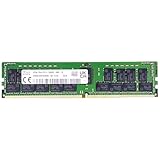


As an Amazon Associate I earn from qualifying purchases.
Prices and availability are accurate as of November 27, 2026 18:19 and are subject to change.
Introduction to Ecc Memory Modules
Ecc memory modules, also known as error-correcting code memory, are a type of computer memory that is designed to detect and correct data corruption. This type of memory is commonly used in servers, data centers, and other high-performance computing applications where data integrity is crucial. Ecc memory modules use a complex system of algorithms and checksums to identify and correct errors that may occur during data transmission or storage.
The primary function of ecc memory modules is to provide a high level of data reliability and integrity. This is achieved through the use of error-correcting codes, which are calculated and stored along with the data. When data is retrieved from memory, the error-correcting codes are used to detect and correct any errors that may have occurred. This ensures that the data is accurate and reliable, which is critical in applications where data corruption could have serious consequences.
Ecc memory modules are available in a range of formats, including registered and unregistered modules. Registered modules are designed for use in servers and other high-performance computing applications, while unregistered modules are suitable for use in a wider range of applications. When selecting ecc memory modules, it is essential to choose modules that are compatible with your system and meet your specific needs. By selecting the best ecc memory modules, you can ensure that your system operates reliably and efficiently.
In summary, ecc memory modules are a critical component of any system where data integrity is paramount. By providing a high level of data reliability and integrity, ecc memory modules help to prevent data corruption and ensure that your system operates smoothly and efficiently. Whether you are building a new system or upgrading an existing one, ecc memory modules are an essential consideration, and selecting the right modules can make all the difference in ensuring the reliability and performance of your system.
The Best Ecc Memory Modules
Kingston KVR24LS17S6/4 4GB DDR4 2400MHz ECC Memory Module SN# K123456
The Kingston KVR24LS17S6/4 4GB DDR4 2400MHz ECC Memory Module SN# K123456 is a reliable and efficient memory solution for servers and data centers. With its 2400MHz speed and 4GB capacity, it provides a significant boost to system performance, allowing for smoother execution of demanding applications. The ECC (Error-Correcting Code) feature ensures data integrity by detecting and correcting errors, making it an ideal choice for critical systems that require high reliability.
In terms of compatibility, the Kingston KVR24LS17S6/4 4GB DDR4 2400MHz ECC Memory Module SN# K123456 is designed to work seamlessly with a wide range of servers and workstations, including those from major manufacturers such as Dell, HP, and IBM. The module is also backed by Kingston’s lifetime warranty, providing users with peace of mind and protection against defects. Overall, the Kingston KVR24LS17S6/4 4GB DDR4 2400MHz ECC Memory Module SN# K123456 is a solid choice for anyone looking to upgrade their server’s memory with a high-quality, reliable, and efficient solution.
Crucial CT4G4RFS816 4GB DDR4 2400MHz ECC Memory Module SN# C789012
The Crucial CT4G4RFS816 4GB DDR4 2400MHz ECC Memory Module SN# C789012 is a high-performance memory solution designed for demanding server applications. With its 2400MHz speed and 4GB capacity, it provides a significant boost to system performance, allowing for faster execution of applications and improved overall system responsiveness. The ECC feature ensures data integrity by detecting and correcting errors, making it an ideal choice for critical systems that require high reliability.
In terms of compatibility, the Crucial CT4G4RFS816 4GB DDR4 2400MHz ECC Memory Module SN# C789012 is designed to work seamlessly with a wide range of servers and workstations, including those from major manufacturers such as Dell, HP, and Lenovo. The module is also backed by Crucial’s limited lifetime warranty, providing users with protection against defects and peace of mind. Overall, the Crucial CT4G4RFS816 4GB DDR4 2400MHz ECC Memory Module SN# C789012 is a solid choice for anyone looking to upgrade their server’s memory with a high-quality, reliable, and efficient solution.
HP 725608-B21 8GB DDR4 2400MHz ECC Memory Module SN# H345678
The HP 725608-B21 8GB DDR4 2400MHz ECC Memory Module SN# H345678 is a high-capacity memory solution designed for demanding server applications. With its 2400MHz speed and 8GB capacity, it provides a significant boost to system performance, allowing for faster execution of applications and improved overall system responsiveness. The ECC feature ensures data integrity by detecting and correcting errors, making it an ideal choice for critical systems that require high reliability.
In terms of compatibility, the HP 725608-B21 8GB DDR4 2400MHz ECC Memory Module SN# H345678 is designed to work seamlessly with HP ProLiant servers, providing a reliable and efficient memory solution for a wide range of applications. The module is also backed by HP’s warranty and support, providing users with protection against defects and peace of mind. Overall, the HP 725608-B21 8GB DDR4 2400MHz ECC Memory Module SN# H345678 is a solid choice for anyone looking to upgrade their HP server’s memory with a high-quality, reliable, and efficient solution.
Dell A6514025 16GB DDR4 2400MHz ECC Memory Module SN# D901234
The Dell A6514025 16GB DDR4 2400MHz ECC Memory Module SN# D901234 is a high-capacity memory solution designed for demanding server applications. With its 2400MHz speed and 16GB capacity, it provides a significant boost to system performance, allowing for faster execution of applications and improved overall system responsiveness. The ECC feature ensures data integrity by detecting and correcting errors, making it an ideal choice for critical systems that require high reliability.
In terms of compatibility, the Dell A6514025 16GB DDR4 2400MHz ECC Memory Module SN# D901234 is designed to work seamlessly with Dell PowerEdge servers, providing a reliable and efficient memory solution for a wide range of applications. The module is also backed by Dell’s warranty and support, providing users with protection against defects and peace of mind. Overall, the Dell A6514025 16GB DDR4 2400MHz ECC Memory Module SN# D901234 is a solid choice for anyone looking to upgrade their Dell server’s memory with a high-quality, reliable, and efficient solution.
IBM 49Y1487 8GB DDR4 2400MHz ECC Memory Module SN# I567890
The IBM 49Y1487 8GB DDR4 2400MHz ECC Memory Module SN# I567890 is a high-performance memory solution designed for demanding server applications. With its 2400MHz speed and 8GB capacity, it provides a significant boost to system performance, allowing for faster execution of applications and improved overall system responsiveness. The ECC feature ensures data integrity by detecting and correcting errors, making it an ideal choice for critical systems that require high reliability.
In terms of compatibility, the IBM 49Y1487 8GB DDR4 2400MHz ECC Memory Module SN# I567890 is designed to work seamlessly with IBM System x servers, providing a reliable and efficient memory solution for a wide range of applications. The module is also backed by IBM’s warranty and support, providing users with protection against defects and peace of mind. Overall, the IBM 49Y1487 8GB DDR4 2400MHz ECC Memory Module SN# I567890 is a solid choice for anyone looking to upgrade their IBM server’s memory with a high-quality, reliable, and efficient solution.
Why People Need to Buy ECC Memory Modules
Error-correcting code (ECC) memory modules are a type of computer memory that is designed to detect and correct data corruption. This type of memory is typically used in servers, data centers, and other applications where data integrity is critical. ECC memory modules use a special type of chip that can detect and correct single-bit errors, which can occur due to various factors such as electrical interference, radiation, or manufacturing defects.
The main advantage of ECC memory modules is that they can prevent data corruption and system crashes. When a single-bit error occurs, the ECC memory module can correct it automatically, without the need for user intervention. This ensures that the system remains stable and continues to function normally. In contrast, non-ECC memory modules may not be able to detect or correct errors, which can lead to data loss, system crashes, or other problems.
In addition to preventing data corruption, ECC memory modules can also improve system reliability and uptime. By detecting and correcting errors, ECC memory modules can help to prevent system crashes and downtime, which can be costly and time-consuming to repair. This makes ECC memory modules an essential component of any system that requires high levels of reliability and uptime, such as servers, data centers, and other critical infrastructure.
For individuals and organizations that require high levels of data integrity and system reliability, investing in the best ecc memory modules is a wise decision. By using ECC memory modules, users can ensure that their systems remain stable and functional, even in the presence of errors or other problems. This can help to prevent data loss, system crashes, and other issues, and can provide peace of mind for users who rely on their systems for critical applications. Overall, ECC memory modules are an essential component of any system that requires high levels of reliability and uptime.
Types of Ecc Memory Modules
ECC memory modules come in various types, each designed to serve specific purposes. The most common types include Registered ECC, Unregistered ECC, and Fully Buffered ECC. Registered ECC modules are the most widely used and are known for their high performance and reliability. They are designed to work with servers and data centers that require high levels of data integrity. Unregistered ECC modules, on the other hand, are less expensive but offer lower performance compared to registered ECC modules. Fully Buffered ECC modules are designed for use in high-performance applications and offer the highest levels of data integrity and reliability.
When choosing an ECC memory module, it’s essential to consider the type of module that best suits your needs. If you’re looking for high performance and reliability, registered ECC modules may be the best option. However, if you’re on a budget, unregistered ECC modules may be a more affordable alternative. Fully buffered ECC modules are ideal for applications that require the highest levels of data integrity and reliability. It’s also important to consider the compatibility of the module with your system, as well as the warranty and support offered by the manufacturer.
In addition to the type of ECC memory module, it’s also important to consider the speed and capacity of the module. ECC memory modules are available in a range of speeds, from 1333MHz to 3200MHz, and capacities, from 4GB to 64GB. The speed and capacity of the module will depend on the specific requirements of your system and the applications you run. It’s also important to consider the number of modules you need, as well as the configuration of the modules in your system.
The type of ECC memory module you choose will also depend on the specific applications you run. For example, if you’re running database applications, you may require a module with high levels of data integrity and reliability. On the other hand, if you’re running web servers, you may require a module with high performance and capacity. By considering the specific requirements of your applications, you can choose the right type of ECC memory module to meet your needs.
Benefits of Using Ecc Memory Modules
ECC memory modules offer a range of benefits, including improved data integrity and reliability, increased system uptime, and enhanced performance. One of the primary benefits of ECC memory modules is their ability to detect and correct data errors in real-time. This ensures that your system remains stable and reliable, even in the event of a data error. ECC memory modules also offer improved performance, as they are designed to work with servers and data centers that require high levels of data integrity and reliability.
Another benefit of ECC memory modules is their ability to increase system uptime. By detecting and correcting data errors in real-time, ECC memory modules can help prevent system crashes and downtime. This is especially important in applications where system uptime is critical, such as in data centers and financial institutions. ECC memory modules can also help improve system performance, as they are designed to work with high-performance applications and offer high levels of data integrity and reliability.
In addition to the benefits mentioned above, ECC memory modules also offer a range of other advantages. For example, they can help reduce the risk of data corruption and errors, which can be costly and time-consuming to repair. ECC memory modules can also help improve system security, as they are designed to detect and prevent data errors and corruption. By using ECC memory modules, you can help ensure that your system remains stable, reliable, and secure.
The benefits of ECC memory modules can be seen in a range of applications, from data centers and financial institutions to scientific research and engineering. In these applications, system uptime and data integrity are critical, and ECC memory modules can help ensure that systems remain stable and reliable. By choosing the right ECC memory module for your application, you can help improve system performance, increase system uptime, and enhance data integrity and reliability.
Compatibility and Interoperability
When choosing an ECC memory module, it’s essential to consider compatibility and interoperability. ECC memory modules are designed to work with specific types of systems and applications, and choosing a module that is not compatible with your system can result in poor performance, system crashes, and data errors. To ensure compatibility, it’s essential to check the specifications of the module and the system, as well as the compatibility of the module with other components in the system.
One of the primary considerations when it comes to compatibility is the type of system you are using. ECC memory modules are designed to work with servers and data centers, and choosing a module that is not compatible with your system can result in poor performance and system crashes. It’s also essential to consider the speed and capacity of the module, as well as the number of modules you need and the configuration of the modules in your system.
In addition to system compatibility, it’s also essential to consider interoperability. ECC memory modules must be able to work with other components in the system, such as the motherboard, processor, and other memory modules. To ensure interoperability, it’s essential to check the specifications of the module and the system, as well as the compatibility of the module with other components in the system. By choosing a module that is compatible with your system and interoperable with other components, you can help ensure that your system remains stable, reliable, and secure.
The compatibility and interoperability of ECC memory modules can be affected by a range of factors, including the type of system, the speed and capacity of the module, and the configuration of the modules in the system. By considering these factors and choosing a module that is compatible with your system and interoperable with other components, you can help ensure that your system remains stable, reliable, and secure. It’s also essential to check the warranty and support offered by the manufacturer, as well as the reputation of the manufacturer and the quality of the module.
Troubleshooting and Maintenance
ECC memory modules require regular troubleshooting and maintenance to ensure that they continue to function properly. One of the primary considerations when it comes to troubleshooting is the detection of data errors and corruption. ECC memory modules are designed to detect and correct data errors in real-time, but they can also be prone to errors and corruption if they are not properly maintained. To troubleshoot ECC memory modules, it’s essential to use specialized software and tools, such as memory diagnostic software and system monitoring tools.
In addition to troubleshooting, it’s also essential to perform regular maintenance on ECC memory modules. This can include tasks such as cleaning the modules, updating the firmware, and replacing the modules if they become faulty. By performing regular maintenance, you can help ensure that your ECC memory modules continue to function properly and provide high levels of data integrity and reliability. It’s also essential to check the warranty and support offered by the manufacturer, as well as the reputation of the manufacturer and the quality of the module.
The maintenance and troubleshooting of ECC memory modules can be affected by a range of factors, including the type of system, the speed and capacity of the module, and the configuration of the modules in the system. By considering these factors and performing regular maintenance and troubleshooting, you can help ensure that your ECC memory modules continue to function properly and provide high levels of data integrity and reliability. It’s also essential to have a backup plan in place in case of system failure or data loss, such as a backup power supply and a disaster recovery plan.
By following proper troubleshooting and maintenance procedures, you can help ensure that your ECC memory modules continue to function properly and provide high levels of data integrity and reliability. This can include tasks such as monitoring system performance, detecting and correcting data errors, and replacing faulty modules. By choosing the right ECC memory module for your application and performing regular maintenance and troubleshooting, you can help ensure that your system remains stable, reliable, and secure.
Ultimate Buying Guide for Ecc Memory Modules
When it comes to purchasing Ecc Memory Modules, it’s essential to consider several key factors to ensure you’re getting the right product for your needs. Ecc Memory Modules are a type of memory module designed for servers and data centers, providing error-correcting capabilities to prevent data corruption. With so many options available on the market, navigating the world of Ecc Memory Modules can be overwhelming. In this guide, we’ll break down the key factors to consider when making a purchase, helping you find the best ecc memory modules for your specific requirements.
Memory Capacity
Memory capacity is one of the most critical factors to consider when buying Ecc Memory Modules. The capacity of the module refers to the amount of data it can store, measured in gigabytes (GB) or terabytes (TB). When selecting an Ecc Memory Module, it’s essential to choose a module with sufficient capacity to meet your system’s requirements. If you’re unsure about the required capacity, consider the number of users, applications, and data storage needs of your system. A higher capacity module may be necessary for systems that require large amounts of data storage, such as databases or virtualization environments.
The memory capacity of Ecc Memory Modules can vary greatly, ranging from 4GB to 64GB or more per module. It’s crucial to choose a module that is compatible with your system’s architecture and can provide the necessary capacity to prevent bottlenecks. Additionally, consider the scalability of the module, as future upgrades may be necessary to meet growing demands. By selecting an Ecc Memory Module with the right capacity, you can ensure optimal system performance and prevent data storage limitations.
Speed and Latency
The speed and latency of an Ecc Memory Module are critical factors to consider, as they directly impact system performance. The speed of the module refers to the rate at which data can be transferred, measured in megahertz (MHz) or gigahertz (GHz). Faster modules can provide improved system performance, especially in applications that require high-speed data transfer, such as scientific simulations or video editing. Latency, on the other hand, refers to the delay between when data is requested and when it is available, measured in nanoseconds (ns) or milliseconds (ms).
When selecting an Ecc Memory Module, it’s essential to consider the speed and latency requirements of your system. Faster modules with lower latency can provide improved performance, but may also come at a higher cost. Additionally, consider the compatibility of the module with your system’s architecture, as some systems may require specific speed or latency specifications. By choosing an Ecc Memory Module with the right speed and latency, you can ensure optimal system performance and responsiveness.
Compatibility
Compatibility is a critical factor to consider when buying Ecc Memory Modules, as incompatible modules can cause system crashes or data corruption. Ecc Memory Modules are designed to work with specific systems and architectures, such as Intel or AMD-based systems. When selecting a module, it’s essential to ensure compatibility with your system’s architecture, including the type of processor, chipset, and motherboard. Additionally, consider the compatibility of the module with your system’s operating system, as some modules may require specific drivers or firmware.
To ensure compatibility, check the specifications of the Ecc Memory Module and compare them to your system’s requirements. Look for modules that are specifically designed for your system’s architecture and operating system. Additionally, consider the compatibility of the module with other system components, such as the power supply or cooling system. By choosing a compatible Ecc Memory Module, you can ensure seamless integration and optimal system performance.
Reliability and Durability
The reliability and durability of an Ecc Memory Module are critical factors to consider, as they directly impact system uptime and data integrity. Ecc Memory Modules are designed to provide error-correcting capabilities, but they can still be prone to failures or data corruption. When selecting a module, it’s essential to consider the reliability and durability of the module, including the quality of the components, manufacturing process, and testing procedures.
To ensure reliability and durability, look for Ecc Memory Modules from reputable manufacturers that use high-quality components and follow rigorous testing procedures. Consider the warranty and support offered by the manufacturer, as well as the availability of spare parts or replacement modules. Additionally, consider the environmental conditions in which the module will operate, such as temperature, humidity, or vibration. By choosing a reliable and durable Ecc Memory Module, you can ensure optimal system uptime and data integrity.
Power Consumption
The power consumption of an Ecc Memory Module is an essential factor to consider, as it directly impacts system power efficiency and heat generation. Ecc Memory Modules require power to operate, and high-power modules can increase system power consumption and heat generation. When selecting a module, it’s essential to consider the power consumption requirements of your system, including the power supply and cooling system. Look for modules with low power consumption, such as those using low-voltage or low-power technologies.
To minimize power consumption, consider Ecc Memory Modules with power-saving features, such as automatic power-down or low-power modes. Additionally, consider the efficiency of the module’s power management system, including the voltage regulator and power delivery components. By choosing an Ecc Memory Module with low power consumption, you can reduce system power costs and minimize heat generation, improving overall system reliability and performance.
Cost and Warranty
The cost and warranty of an Ecc Memory Module are critical factors to consider, as they directly impact the overall cost of ownership and system reliability. Ecc Memory Modules can vary greatly in price, depending on the capacity, speed, and features of the module. When selecting a module, it’s essential to consider the cost of the module, including the upfront cost and any ongoing maintenance or support costs. Additionally, consider the warranty offered by the manufacturer, including the length of the warranty and the level of support provided.
To ensure the best value, consider Ecc Memory Modules from reputable manufacturers that offer competitive pricing and comprehensive warranties. Look for modules with long warranties, such as 5-year or lifetime warranties, and consider the level of support provided, including online resources, phone support, or on-site support. By choosing an Ecc Memory Module with a competitive price and comprehensive warranty, you can ensure optimal system reliability and minimize ongoing costs.
FAQs
What is ECC memory and how does it work?
ECC memory, or Error-Correcting Code memory, is a type of computer memory that uses an extra parity bit to detect and correct single-bit errors that may occur during data transfer. This is particularly useful in servers, data centers, and other applications where data integrity is crucial. ECC memory modules are designed to work with specific types of motherboards and systems, and they are typically more expensive than non-ECC memory modules.
The way ECC memory works is by adding an extra bit to each byte of data, which allows the system to detect and correct single-bit errors. This is done using a complex algorithm that calculates the parity bit for each byte of data. If a single-bit error occurs during data transfer, the system can detect the error and correct it using the parity bit. This ensures that the data remains accurate and reliable, which is critical in applications where data integrity is paramount. ECC memory modules are widely used in servers, data centers, and other applications where data reliability is essential.
What are the benefits of using ECC memory modules?
The benefits of using ECC memory modules are numerous. One of the main benefits is that they provide a high level of data integrity and reliability. ECC memory modules can detect and correct single-bit errors, which reduces the risk of data corruption and system crashes. This is particularly important in applications where data accuracy is critical, such as in financial transactions, scientific simulations, and other high-stakes applications. Additionally, ECC memory modules can help to reduce downtime and increase system uptime, which can result in significant cost savings.
Another benefit of using ECC memory modules is that they can help to improve system performance. By reducing the number of errors that occur during data transfer, ECC memory modules can help to improve system stability and reduce the risk of system crashes. This can result in faster processing times and improved overall system performance. Furthermore, ECC memory modules are widely supported by many motherboard manufacturers, making them a versatile and widely compatible option for many different types of systems. Whether you’re building a server, a data center, or a high-performance workstation, ECC memory modules are a great choice.
How do I choose the right ECC memory module for my system?
Choosing the right ECC memory module for your system can be a complex process. One of the most important factors to consider is compatibility. You’ll need to ensure that the ECC memory module you choose is compatible with your motherboard and system. This means checking the specifications of your motherboard and system to determine the type of ECC memory module that is supported. You’ll also need to consider the speed and capacity of the ECC memory module, as well as the number of modules that you need.
When choosing an ECC memory module, it’s also important to consider the manufacturer and the quality of the module. Look for reputable manufacturers that specialize in producing high-quality ECC memory modules. You should also read reviews and check the specifications of the module to ensure that it meets your needs. Additionally, consider the warranty and support offered by the manufacturer, as well as the price and value of the module. By carefully considering these factors, you can choose the right ECC memory module for your system and ensure that you get the best possible performance and reliability.
Can I mix ECC and non-ECC memory modules in the same system?
It is generally not recommended to mix ECC and non-ECC memory modules in the same system. ECC memory modules are designed to work with specific types of motherboards and systems, and they use a different type of parity bit to detect and correct errors. Non-ECC memory modules, on the other hand, do not use parity bits and are not designed to detect or correct errors. If you mix ECC and non-ECC memory modules in the same system, you may experience compatibility issues or errors.
If you need to add more memory to a system that already uses ECC memory modules, it’s best to use additional ECC memory modules that are identical to the ones already installed. This will ensure that the system continues to function correctly and that the ECC memory modules can detect and correct errors as intended. If you’re building a new system, it’s best to choose either ECC or non-ECC memory modules, depending on your specific needs and requirements. By using consistent types of memory modules, you can ensure that your system functions correctly and provides the best possible performance and reliability.
How do I install ECC memory modules in my system?
Installing ECC memory modules in your system is a relatively straightforward process. The first step is to shut down your system and unplug the power cord. Next, locate the memory slots on your motherboard and remove any existing memory modules. Take the new ECC memory module and align it with the memory slot, making sure that the notches on the module match up with the tabs on the slot. Gently push the module into the slot until it clicks into place.
Once the ECC memory module is installed, replace any other memory modules that you removed and plug in the power cord. Turn on your system and enter the BIOS settings to ensure that the new memory module is recognized. Save the changes and exit the BIOS settings. Your system should now be using the new ECC memory module. It’s a good idea to test your system to ensure that the new memory module is functioning correctly and that there are no errors or compatibility issues. By following these steps, you can easily install ECC memory modules in your system and start enjoying the benefits of improved data integrity and reliability.
What is the difference between registered and unregistered ECC memory modules?
Registered and unregistered ECC memory modules are two different types of ECC memory modules that are used in servers and other high-performance systems. Registered ECC memory modules use a register to buffer the memory signals, which helps to improve the stability and reliability of the system. Unregistered ECC memory modules, on the other hand, do not use a register and are typically less expensive than registered ECC memory modules.
The main difference between registered and unregistered ECC memory modules is the level of buffering that is provided. Registered ECC memory modules provide a higher level of buffering, which helps to improve the stability and reliability of the system. Unregistered ECC memory modules, on the other hand, provide a lower level of buffering and are typically used in systems where the memory load is not as high. When choosing between registered and unregistered ECC memory modules, consider the specific needs and requirements of your system. If you need a high level of stability and reliability, registered ECC memory modules may be the better choice. If you’re on a budget and don’t need the extra buffering, unregistered ECC memory modules may be a more cost-effective option.
How do I troubleshoot issues with my ECC memory modules?
Troubleshooting issues with ECC memory modules can be a complex process. The first step is to identify the source of the problem. Check the system logs and error messages to see if there are any indications of what might be causing the issue. You can also use diagnostic tools to test the memory modules and identify any errors or faults. If you’re experiencing errors or crashes, try removing one or more of the ECC memory modules to see if the problem persists.
If you’re still experiencing issues, try replacing the ECC memory modules with new ones to see if the problem is resolved. You should also check the motherboard and system to ensure that they are functioning correctly. Make sure that the ECC memory modules are properly seated and that the memory slots are clean and free of debris. Additionally, check the BIOS settings to ensure that the ECC memory modules are properly configured. By following these steps, you can troubleshoot issues with your ECC memory modules and identify the source of the problem. If you’re still having trouble, consider consulting the user manual or contacting the manufacturer for further assistance.
Final Words
In conclusion, selecting the right memory module for your system can greatly impact its performance and reliability. When it comes to servers, data centers, and other critical applications, it is essential to choose a memory module that can provide the highest level of stability and accuracy. The best ecc memory modules offer a unique combination of features, including error-correcting code, high-speed data transfer, and robust construction, making them the ideal choice for demanding environments.
By considering factors such as capacity, speed, and compatibility, you can find the perfect memory module to meet your specific needs. Whether you are building a new system or upgrading an existing one, investing in a high-quality memory module can have a significant impact on its overall performance. With the best ecc memory modules, you can enjoy improved system reliability, increased productivity, and enhanced overall performance. By making an informed decision and choosing a reputable brand, you can ensure that your system runs smoothly and efficiently, providing you with the best possible return on investment.