Taking care of plants can be a delicate task, as it requires attention to their specific needs, including the right amount of water. Overwatering or underwatering can be detrimental to a plant’s health, and it’s not always easy to determine the perfect balance. This is where technology comes in to lend a helping hand. With the help of specialized tools, gardeners and plant enthusiasts can ensure their plants receive the right amount of moisture, promoting healthy growth and development. One such tool that has gained popularity in recent years is the plant moisture meter, a device that measures the moisture levels in the soil, providing valuable insights for plant care.
For those looking to take their plant care to the next level, investing in the best plant moisture meters can make all the difference. These handy devices take the guesswork out of watering, allowing users to make informed decisions about when and how much to water their plants. With so many options available on the market, it can be overwhelming to choose the right one, especially for those new to plant care. In this article, we will delve into the world of plant moisture meters, exploring the key features to look for, the benefits of using them, and providing reviews of top-rated models to help readers make an informed decision and find the perfect tool for their plant care needs.
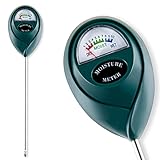
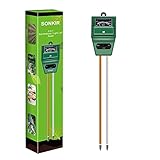
Before we get into the review of the best plant moisture meters, here are some related products from Amazon to explore:


As an Amazon Associate I earn from qualifying purchases.
Prices and availability are accurate as of November 25, 2026 21:17 and are subject to change.
Introduction to Plant Moisture Meters
Plant moisture meters are essential tools for gardeners, farmers, and anyone who wants to ensure their plants receive the right amount of water. These devices measure the moisture levels in the soil, providing valuable information to help users make informed decisions about watering their plants. By using a plant moisture meter, individuals can avoid overwatering or underwatering their plants, which can lead to a range of problems, including root rot, nutrient deficiencies, and reduced plant growth.
Plant moisture meters work by inserting a probe into the soil, which then measures the moisture levels. The probe is usually connected to a display unit that shows the moisture level as a percentage or on a scale. Some plant moisture meters also come with additional features, such as temperature sensors, pH meters, and data logging capabilities. These features can provide more detailed information about the soil conditions, allowing users to make even more informed decisions about plant care.
Using the best plant moisture meters can make a significant difference in plant health and growth. By providing accurate and reliable moisture readings, these devices help users optimize their watering schedules, reduce water waste, and prevent soil-borne diseases. Additionally, plant moisture meters can be used in a variety of settings, from small gardens and indoor plants to large-scale agricultural operations. Whether you are a seasoned gardener or just starting out, a plant moisture meter is a valuable tool to have in your arsenal.
In summary, plant moisture meters are simple yet effective tools that can help anyone who grows plants to improve their care and maintenance. By measuring soil moisture levels, these devices provide users with the information they need to make informed decisions about watering, fertilizing, and pruning their plants. With so many different types of plant moisture meters available, it’s essential to choose a high-quality device that meets your specific needs and provides accurate and reliable readings.
Top 5 Best Plant Moisture Meters
Plant Moisture Meter 001 – Sonkir
The Sonkir Plant Moisture Meter 001 is an excellent tool for any gardener or plant enthusiast. It is easy to use and provides accurate readings of the moisture levels in the soil. The meter is equipped with a long probe that can be inserted into the soil, allowing for precise measurements without damaging the roots of the plants. The device is also compact and lightweight, making it easy to carry around and use in different locations.
The Sonkir Plant Moisture Meter 001 is a reliable and affordable option for monitoring soil moisture. It has a wide range of applications, from indoor plants to outdoor gardens, and can be used to measure the moisture levels in different types of soil. The meter is also easy to clean and maintain, and it comes with a battery that can be replaced when it runs out. Overall, the Sonkir Plant Moisture Meter 001 is a great choice for anyone looking for a simple and effective way to monitor the moisture levels in their plants’ soil.
Plant Moisture Meter 002 – Dr. Meter
The Dr. Meter Plant Moisture Meter 002 is a high-quality device that provides accurate and reliable readings of soil moisture levels. It is designed with a rugged and waterproof construction, making it suitable for use in a variety of environments. The meter is also easy to use, with a simple and intuitive interface that allows for quick and accurate measurements. The device is equipped with a long probe that can be inserted into the soil, allowing for precise measurements without damaging the roots of the plants.
The Dr. Meter Plant Moisture Meter 002 is a great choice for gardeners and plant enthusiasts who want a reliable and accurate way to monitor soil moisture levels. It is also a good option for farmers and agricultural professionals who need to monitor soil moisture levels on a large scale. The meter is compact and lightweight, making it easy to carry around and use in different locations. Overall, the Dr. Meter Plant Moisture Meter 002 is a great investment for anyone who wants to ensure the health and well-being of their plants.
Plant Moisture Meter 003 – XLUX
The XLUX Plant Moisture Meter 003 is a versatile and easy-to-use device that provides accurate readings of soil moisture levels. It is designed with a compact and lightweight construction, making it easy to carry around and use in different locations. The meter is also equipped with a long probe that can be inserted into the soil, allowing for precise measurements without damaging the roots of the plants. The device is suitable for use in a variety of environments, from indoor plants to outdoor gardens.
The XLUX Plant Moisture Meter 003 is a great choice for gardeners and plant enthusiasts who want a simple and effective way to monitor soil moisture levels. It is also a good option for farmers and agricultural professionals who need to monitor soil moisture levels on a small scale. The meter is easy to clean and maintain, and it comes with a battery that can be replaced when it runs out. Overall, the XLUX Plant Moisture Meter 003 is a reliable and affordable option for monitoring soil moisture levels and ensuring the health and well-being of plants.
Plant Moisture Meter 004 – REOTEMP
The REOTEMP Plant Moisture Meter 004 is a high-quality device that provides accurate and reliable readings of soil moisture levels. It is designed with a rugged and waterproof construction, making it suitable for use in a variety of environments. The meter is also easy to use, with a simple and intuitive interface that allows for quick and accurate measurements. The device is equipped with a long probe that can be inserted into the soil, allowing for precise measurements without damaging the roots of the plants.
The REOTEMP Plant Moisture Meter 004 is a great choice for gardeners and plant enthusiasts who want a reliable and accurate way to monitor soil moisture levels. It is also a good option for farmers and agricultural professionals who need to monitor soil moisture levels on a large scale. The meter is compact and lightweight, making it easy to carry around and use in different locations. Overall, the REOTEMP Plant Moisture Meter 004 is a great investment for anyone who wants to ensure the health and well-being of their plants and optimize their watering schedule.
Plant Moisture Meter 005 – General Tools
The General Tools Plant Moisture Meter 005 is a versatile and easy-to-use device that provides accurate readings of soil moisture levels. It is designed with a compact and lightweight construction, making it easy to carry around and use in different locations. The meter is also equipped with a long probe that can be inserted into the soil, allowing for precise measurements without damaging the roots of the plants. The device is suitable for use in a variety of environments, from indoor plants to outdoor gardens.
The General Tools Plant Moisture Meter 005 is a great choice for gardeners and plant enthusiasts who want a simple and effective way to monitor soil moisture levels. It is also a good option for farmers and agricultural professionals who need to monitor soil moisture levels on a small scale. The meter is easy to clean and maintain, and it comes with a battery that can be replaced when it runs out. Overall, the General Tools Plant Moisture Meter 005 is a reliable and affordable option for monitoring soil moisture levels and ensuring the health and well-being of plants.
Why People Need to Buy Plant Moisture Meters
Proper watering is essential for the health and growth of plants. Overwatering or underwatering can lead to various problems, including root rot, nutrient deficiencies, and increased susceptibility to pests and diseases. To avoid these issues, it’s crucial to monitor the moisture levels in the soil accurately. This is where plant moisture meters come in – they provide a simple and effective way to check the moisture levels in the soil, ensuring that plants receive the right amount of water.
Plant moisture meters are particularly useful for gardeners and indoor plant enthusiasts who want to optimize their watering schedules. By using a moisture meter, they can determine whether the soil is dry, moist, or waterlogged, and adjust their watering routine accordingly. This helps to prevent water waste, reduce the risk of overwatering, and promote healthy plant growth. Moreover, moisture meters can be used for a wide range of plants, from succulents and cacti to flowers and vegetables.
For those who are new to gardening or struggling to keep their plants healthy, investing in a plant moisture meter can be a game-changer. These devices are relatively inexpensive and easy to use, making them a valuable tool for anyone who wants to improve their plant care skills. When choosing a moisture meter, it’s essential to select one that is accurate, reliable, and suitable for the type of plants being grown. Looking for the best plant moisture meters can help gardeners find a high-quality product that meets their needs and provides accurate readings.
In addition to their practical benefits, plant moisture meters can also help to reduce stress and anxiety associated with plant care. By providing a clear indication of soil moisture levels, these devices can give gardeners peace of mind, knowing that their plants are receiving the right amount of water. This can be especially important for those who are new to gardening or have limited experience with plant care. Overall, plant moisture meters are a simple yet effective tool that can help gardeners optimize their watering schedules, promote healthy plant growth, and enjoy the many benefits of gardening.
Types of Plant Moisture Meters
Plant moisture meters can be broadly classified into two categories: analog and digital. Analog meters use a dial or needle to indicate the moisture level, while digital meters display the reading on an LCD screen. Digital meters are generally more accurate and easier to read than analog meters. They also often come with additional features such as temperature compensation and data logging. When choosing a plant moisture meter, it’s essential to consider the type of meter that best suits your needs.
Analog meters are often less expensive than digital meters and can be a good option for small-scale gardening or indoor plants. However, they may not be as accurate as digital meters and can be more difficult to read. Digital meters, on the other hand, are often more expensive but offer greater accuracy and convenience. They are a good option for large-scale gardening or commercial agriculture.
In addition to analog and digital meters, there are also different types of sensors used in plant moisture meters. Some meters use a probe or electrode to measure the moisture level, while others use a non-invasive sensor that measures the moisture level without coming into contact with the soil. Probe-type sensors are often more accurate but can be damaged if not inserted correctly into the soil.
Non-invasive sensors, on the other hand, are often more convenient and easier to use but may not be as accurate as probe-type sensors. When choosing a plant moisture meter, it’s essential to consider the type of sensor that best suits your needs. It’s also important to consider the durability and reliability of the meter, as well as its ease of use and maintenance.
Benefits of Using Plant Moisture Meters
Using a plant moisture meter can have several benefits for gardeners and farmers. One of the most significant benefits is the ability to optimize watering schedules. By monitoring the moisture level in the soil, gardeners and farmers can ensure that their plants receive the right amount of water, reducing the risk of overwatering or underwatering. This can help to prevent water waste, reduce the risk of root rot and other diseases, and promote healthy plant growth.
Another benefit of using a plant moisture meter is the ability to monitor soil conditions. By tracking changes in soil moisture over time, gardeners and farmers can identify trends and patterns that can help them to make more informed decisions about irrigation and other soil management practices. This can help to improve soil health, reduce erosion, and promote biodiversity.
In addition to optimizing watering schedules and monitoring soil conditions, plant moisture meters can also help gardeners and farmers to reduce their environmental impact. By using a meter to monitor soil moisture, gardeners and farmers can reduce their water usage, which can help to conserve this valuable resource. This can also help to reduce the energy needed to pump and treat water, which can help to reduce greenhouse gas emissions.
Overall, using a plant moisture meter can be a valuable tool for gardeners and farmers who want to optimize their watering schedules, monitor soil conditions, and reduce their environmental impact. By providing accurate and reliable readings, plant moisture meters can help gardeners and farmers to make more informed decisions about irrigation and other soil management practices.
How to Choose the Right Plant Moisture Meter
Choosing the right plant moisture meter can be a daunting task, especially for gardeners and farmers who are new to using these devices. There are several factors to consider when selecting a meter, including accuracy, ease of use, and durability. One of the most important factors to consider is the type of plants being grown. Different plants have different moisture requirements, and some meters may be more suitable for certain types of plants than others.
Another factor to consider is the soil type. Different soils have different moisture-holding capacities, and some meters may be more suitable for certain types of soils than others. It’s also essential to consider the depth of the soil, as some meters may be more suitable for shallow soils while others may be more suitable for deeper soils.
In addition to considering the type of plants and soil, it’s also essential to consider the features and specifications of the meter. Some meters may have additional features such as temperature compensation, data logging, and alarm functions. These features can be useful for gardeners and farmers who want to monitor soil conditions closely and make more informed decisions about irrigation and other soil management practices.
When choosing a plant moisture meter, it’s also essential to consider the price and value for money. While some meters may be more expensive than others, they may also offer greater accuracy, durability, and convenience. It’s essential to weigh the costs and benefits of different meters and choose the one that best meets your needs and budget.
Common Mistakes to Avoid When Using Plant Moisture Meters
Using a plant moisture meter can be a valuable tool for gardeners and farmers, but there are several common mistakes to avoid. One of the most common mistakes is not calibrating the meter correctly. Calibration is essential to ensure that the meter is providing accurate readings, and failure to calibrate the meter can result in inaccurate readings and poor decision-making.
Another common mistake is not using the meter correctly. This can include inserting the probe at the wrong angle, not inserting the probe to the correct depth, or not waiting long enough for the reading to stabilize. It’s essential to follow the manufacturer’s instructions and take the time to ensure that the meter is being used correctly.
In addition to calibration and usage errors, another common mistake is not maintaining the meter properly. This can include cleaning the probe, replacing the batteries, and storing the meter in a dry place. Failure to maintain the meter can result in inaccurate readings, damage to the meter, and reduced lifespan.
Overall, using a plant moisture meter can be a valuable tool for gardeners and farmers, but it’s essential to avoid common mistakes such as calibration errors, usage errors, and maintenance errors. By following the manufacturer’s instructions, taking the time to ensure that the meter is being used correctly, and maintaining the meter properly, gardeners and farmers can get the most out of their plant moisture meter and make more informed decisions about irrigation and other soil management practices.
Buying Guide for Plant Moisture Meters
When it comes to taking care of plants, one of the most crucial factors to consider is the moisture level in the soil. Plant moisture meters are designed to help gardeners and farmers determine the optimal moisture levels for their plants, ensuring they receive the right amount of water. With so many options available in the market, choosing the right plant moisture meter can be overwhelming. In this guide, we will discuss the key factors to consider when buying a plant moisture meter, helping you make an informed decision.
Accuracy and Reliability
The accuracy and reliability of a plant moisture meter are essential factors to consider. A good plant moisture meter should be able to provide accurate readings, ensuring that your plants receive the right amount of water. Look for meters that have a high level of accuracy, usually measured in percentage points. Some plant moisture meters may also come with features such as automatic temperature compensation, which helps to ensure accurate readings in different environmental conditions. It is also important to consider the reliability of the meter, as a faulty or unreliable meter can provide incorrect readings, leading to overwatering or underwatering of plants.
The accuracy and reliability of a plant moisture meter can be affected by various factors, including the type of sensor used, the quality of the materials, and the manufacturing process. When evaluating the accuracy and reliability of a plant moisture meter, look for reviews and ratings from other users, as well as any certifications or compliance with industry standards. This will help you to get a sense of how well the meter performs in real-world conditions. Additionally, consider the warranty and support offered by the manufacturer, as a good warranty and support can provide peace of mind and protection against defects or malfunctions.
Ease of Use
The ease of use of a plant moisture meter is another important factor to consider. A good plant moisture meter should be easy to use, even for those who are new to gardening or farming. Look for meters that have a simple and intuitive interface, with clear instructions and minimal setup required. Some plant moisture meters may also come with features such as automatic shut-off, which helps to conserve battery life and prevent accidental readings. Consider the size and weight of the meter, as well as the type of display used, as these factors can affect how easy it is to use the meter in different conditions.
When evaluating the ease of use of a plant moisture meter, consider the type of plants you will be using it for, as well as the frequency of use. If you will be using the meter frequently, look for one that is durable and can withstand heavy use. Additionally, consider the type of display used, as some meters may have a backlit display or large digits, making it easier to read in different lighting conditions. The best plant moisture meters are those that are easy to use, yet still provide accurate and reliable readings. By considering the ease of use, you can ensure that you get a meter that meets your needs and is easy to operate.
Sensor Type
The type of sensor used in a plant moisture meter is a critical factor to consider. There are several types of sensors available, including resistive, capacitive, and tensiometric sensors. Each type of sensor has its own advantages and disadvantages, and the right one for you will depend on your specific needs and preferences. Resistive sensors, for example, are simple and inexpensive, but may not be as accurate as other types of sensors. Capacitive sensors, on the other hand, are more accurate and reliable, but may be more expensive.
When evaluating the sensor type, consider the type of plants you will be using the meter for, as well as the soil type and conditions. Different sensors may be better suited to different types of plants or soil conditions, so it is essential to choose a meter that is compatible with your specific needs. Additionally, consider the depth of the sensor, as some meters may have sensors that can be inserted deeper into the soil, providing more accurate readings. By choosing the right sensor type, you can ensure that you get accurate and reliable readings, and that your plants receive the right amount of water.
Power Source
The power source of a plant moisture meter is another important factor to consider. Some meters may be battery-powered, while others may be solar-powered or require a wired connection. Battery-powered meters are convenient and portable, but may require frequent battery replacement. Solar-powered meters, on the other hand, are environmentally friendly and can be more cost-effective in the long run, but may not be suitable for indoor use or in areas with low sunlight.
When evaluating the power source, consider the frequency of use, as well as the location where the meter will be used. If you will be using the meter frequently, a battery-powered meter may be more convenient, as it can be easily replaced or recharged. If you will be using the meter in a location with low sunlight, a battery-powered or wired meter may be more suitable. Additionally, consider the battery life, as some meters may have longer battery life than others, reducing the need for frequent replacement or recharging. By choosing the right power source, you can ensure that your meter is convenient, reliable, and meets your specific needs.
Durability and Build Quality
The durability and build quality of a plant moisture meter are essential factors to consider. A good plant moisture meter should be able to withstand heavy use and harsh environmental conditions, such as extreme temperatures, humidity, and exposure to water. Look for meters that are made with high-quality materials, such as stainless steel or durable plastics, and that have a rugged design that can withstand rough handling.
When evaluating the durability and build quality, consider the warranty and support offered by the manufacturer, as well as any certifications or compliance with industry standards. A good warranty and support can provide peace of mind and protection against defects or malfunctions, while certifications and compliance with industry standards can ensure that the meter meets certain standards of quality and performance. Additionally, read reviews and ratings from other users, as well as any feedback or comments, to get a sense of how well the meter performs in real-world conditions. By choosing a meter with high durability and build quality, you can ensure that it lasts for a long time and provides accurate and reliable readings.
Additional Features
The additional features of a plant moisture meter can enhance its functionality and usefulness. Some meters may come with features such as data logging, which allows you to track moisture levels over time, or alarms, which alert you when the moisture level reaches a certain threshold. Other features may include temperature sensors, pH sensors, or light sensors, which can provide additional information about the growing conditions. Consider the type of features that are important to you, and look for a meter that includes those features.
When evaluating the additional features, consider the cost and complexity of the meter, as well as the type of plants you will be using it for. Some features may be more useful for certain types of plants or growing conditions, so it is essential to choose a meter that includes the features that are relevant to your specific needs. Additionally, consider the user interface and display, as some meters may have a more intuitive interface or a larger display, making it easier to use and understand the additional features. By choosing a meter with the right additional features, you can enhance its functionality and usefulness, and get more value out of your investment.
Frequently Asked Questions
What is a plant moisture meter and how does it work?
A plant moisture meter is a device used to measure the moisture levels in the soil of plants. It helps gardeners and plant enthusiasts to determine whether their plants are receiving the right amount of water. The meter typically consists of a probe that is inserted into the soil, and it uses sensors to detect the moisture levels.
The sensor technology used in plant moisture meters can vary, but most devices use either resistance or capacitance sensors. Resistance sensors measure the resistance of the soil to an electric current, which changes depending on the moisture levels. Capacitance sensors, on the other hand, measure the capacitance of the soil, which also changes depending on the moisture levels. By using one of these sensor technologies, plant moisture meters can provide accurate readings of the soil moisture levels, helping gardeners to make informed decisions about watering their plants.
Why do I need a plant moisture meter for my plants?
A plant moisture meter is an essential tool for any gardener or plant enthusiast who wants to ensure their plants receive the right amount of water. Overwatering or underwatering can be detrimental to plants, causing root rot, nutrient deficiencies, and other problems. By using a plant moisture meter, gardeners can avoid these common mistakes and provide their plants with the optimal amount of water.
By investing in a plant moisture meter, gardeners can also save time and money in the long run. For example, by avoiding overwatering, gardeners can reduce their water bills and minimize the risk of water-borne diseases. Additionally, plant moisture meters can help gardeners to identify any underlying soil problems, such as poor drainage or soil compaction, which can be addressed to create a healthier growing environment for their plants.
What are the different types of plant moisture meters available?
There are several types of plant moisture meters available, including analog, digital, and smart meters. Analog meters use a dial or needle to display the moisture levels, while digital meters use an LCD screen to display the readings. Smart meters, on the other hand, use wireless technology to connect to smartphones or tablets, allowing gardeners to monitor their plants remotely.
The choice of plant moisture meter depends on the individual gardener’s needs and preferences. For example, analog meters are often simpler and more affordable, while digital meters provide more accurate and detailed readings. Smart meters, meanwhile, offer advanced features such as data logging and alerts, making them ideal for gardeners who want to closely monitor their plants’ moisture levels.
How do I choose the best plant moisture meter for my needs?
To choose the best plant moisture meter for your needs, consider factors such as accuracy, ease of use, and durability. Look for a meter that is specifically designed for your type of plants, such as indoor or outdoor plants, and that has a range of measurement that suits your soil type. Additionally, consider the price and brand reputation, as well as any additional features you may need, such as data logging or wireless connectivity.
When selecting a plant moisture meter, it’s also important to read reviews and compare different models. Look for meters that have been tested and reviewed by other gardeners, and pay attention to any common issues or complaints. By doing your research and considering your specific needs, you can find a plant moisture meter that provides accurate and reliable readings, helping you to keep your plants healthy and thriving.
Can I use a plant moisture meter for all types of plants?
While plant moisture meters can be used for a wide range of plants, they may not be suitable for all types of plants. For example, some meters may not be designed for use with cacti or succulents, which have different watering needs than other plants. Additionally, some meters may not be suitable for use in extreme temperatures or humid environments.
It’s essential to check the specifications of the plant moisture meter to ensure it is compatible with your type of plants. Some meters may come with specific settings or calibrations for different plant types, while others may require manual adjustments. By choosing a meter that is designed for your specific plant type, you can ensure accurate and reliable readings, and provide your plants with the best possible care.
How do I calibrate my plant moisture meter for accurate readings?
Calibrating your plant moisture meter is essential to ensure accurate readings. The calibration process typically involves adjusting the meter to match the specific soil type and moisture levels of your plants. This can be done by inserting the probe into a sample of soil with known moisture levels, and then adjusting the meter to match the reading.
The calibration process may vary depending on the type of meter and the manufacturer’s instructions. Some meters may come with pre-set calibrations for different soil types, while others may require manual adjustments. It’s essential to follow the manufacturer’s instructions and to calibrate the meter regularly to ensure accurate readings. By calibrating your plant moisture meter, you can trust the readings and make informed decisions about watering your plants.
How do I maintain and care for my plant moisture meter?
To maintain and care for your plant moisture meter, follow the manufacturer’s instructions for cleaning and storage. Avoid exposing the meter to extreme temperatures, humidity, or physical stress, which can damage the sensors or other components. Regularly clean the probe and other parts of the meter to prevent dirt and debris from accumulating and affecting the readings.
By properly maintaining and caring for your plant moisture meter, you can extend its lifespan and ensure accurate readings. Check the battery levels regularly, and replace the batteries as needed. Additionally, consider storing the meter in a dry, cool place when not in use, and avoid exposing it to direct sunlight or moisture. By following these simple care and maintenance tips, you can keep your plant moisture meter in good working condition and enjoy accurate and reliable readings for years to come.
Final Verdict
In conclusion, selecting the right tool for monitoring plant hydration is crucial for the health and well-being of your plants. A reliable and accurate moisture meter can make all the difference in ensuring your plants receive the right amount of water, preventing overwatering or underwatering. By investing in a high-quality moisture meter, you can rest assured that your plants are receiving the best care possible, leading to healthier and more thriving plants.
When it comes to making an informed decision, our comprehensive guide to the best plant moisture meters has provided you with the necessary information to choose the perfect meter for your needs. With the numerous options available on the market, it’s essential to consider factors such as accuracy, ease of use, and durability. By choosing one of the best plant moisture meters, you can trust that you’re providing your plants with the best possible care, and with the right tool, you’ll be well on your way to becoming a skilled and attentive plant parent.