Growing marijuana plants can be a rewarding experience, but it requires careful attention to their nutritional needs. Just like any other living organism, marijuana plants need a balanced diet to thrive and produce high-quality buds. The right combination of nutrients can make all the difference in the health, growth, and yield of your plants. With so many options available in the market, it can be overwhelming to choose the right nutrients for your marijuana plants. Whether you are a seasoned grower or a beginner, selecting the best nutrients for marijuana plants is crucial to ensure your plants receive the necessary nutrients to grow strong and healthy.
A well-nourished marijuana plant is more resistant to diseases and pests, and is better equipped to handle stress. Nutrients play a vital role in the growth and development of marijuana plants, from seedling to harvest. They help to promote healthy root development, stimulate leaf growth, and enhance bud production. With the right nutrients, you can expect to see improved yields, increased potency, and better flavor. In this article, we will explore the essential nutrients that marijuana plants need to thrive, and provide you with a comprehensive guide to help you make informed decisions when it comes to choosing the right nutrients for your plants. By the end of this article, you will be equipped with the knowledge to give your marijuana plants the best possible start in life, and help them reach their full potential.
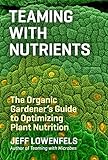
Before we get into the review of the best nutrients for marijuana plants, here are some related products from Amazon to explore:



As an Amazon Associate I earn from qualifying purchases.
Prices and availability are accurate as of November 19, 2026 22:23 and are subject to change.
Nutrients Overview
Marijuana plants require a balanced diet of essential nutrients to grow and thrive. These nutrients are crucial for the development of roots, stems, leaves, and flowers, and they play a significant role in determining the overall health and productivity of the plants. The three main macronutrients that marijuana plants need are nitrogen, phosphorus, and potassium, which are often referred to as NPK. These nutrients are essential for plant growth and development, and they must be provided in the right proportions to ensure optimal growth.
In addition to the macronutrients, marijuana plants also require micronutrients such as calcium, magnesium, and sulfur. These micronutrients are essential for various plant functions, including photosynthesis, nutrient uptake, and enzyme production. A deficiency in any of these micronutrients can lead to nutrient deficiencies, which can negatively impact plant growth and productivity. Therefore, it is essential to provide marijuana plants with a balanced diet that includes all the necessary nutrients.
When it comes to providing nutrients to marijuana plants, there are various options available, including synthetic and organic fertilizers. Synthetic fertilizers are often cheaper and more readily available, but they can be harsh on the plants and the environment. Organic fertilizers, on the other hand, are more environmentally friendly and can provide a more balanced diet for the plants. Regardless of the type of fertilizer used, it is essential to choose the best nutrients for marijuana plants to ensure optimal growth and productivity.
By providing marijuana plants with the right nutrients, growers can optimize plant growth, increase yields, and improve the overall quality of the crop. With so many different nutrients and fertilizers available, it can be challenging to determine which ones are the most effective. However, by understanding the nutritional needs of marijuana plants and choosing the right nutrients, growers can give their plants the best possible start in life and set them up for success. This is why selecting the best nutrients for marijuana plants is crucial for achieving optimal growth and productivity.
Top 5 Best Nutrients For Marijuana Plants
The
1. Bloom Booster
is an excellent nutrient for marijuana plants, especially during the flowering stage. It provides essential macronutrients and micronutrients that promote healthy growth and development. This nutrient is rich in phosphorus, which is crucial for root development, flower and fruit formation, and overall plant maturation. By using Bloom Booster, growers can expect to see an increase in yields and a significant improvement in the quality of their buds.
Bloom Booster is easy to use and can be applied to the soil or as a foliar spray. It is compatible with a variety of growing mediums, including soil, coco coir, and hydroponic systems. The manufacturer provides clear instructions on how to use the product, and it is generally considered safe for use on marijuana plants. Overall, Bloom Booster is a reliable and effective nutrient that can help growers achieve their desired results. With its high-quality ingredients and ease of use, it is an excellent choice for marijuana growers of all levels.
The
2. Grow Nutrient
is a comprehensive nutrient solution designed to support the healthy growth and development of marijuana plants during the vegetative stage. It contains a balanced blend of nitrogen, phosphorus, and potassium, as well as essential micronutrients like calcium and magnesium. This nutrient is formulated to promote vigorous root growth, leaf development, and stem elongation, setting the stage for a successful flowering stage. By using Grow Nutrient, growers can expect to see robust and healthy plants with a strong foundation for future growth.
Grow Nutrient is highly concentrated and can be used at various strengths depending on the specific needs of the plants. It is suitable for use in a variety of growing mediums, including soil, hydroponic systems, and coco coir. The manufacturer provides detailed instructions on how to use the product, and it is generally considered safe for use on marijuana plants. Overall, Grow Nutrient is a high-quality solution that can help growers achieve their desired results. With its balanced formula and ease of use, it is an excellent choice for marijuana growers of all levels.
The
3. Micro Nutrient
is a specialized nutrient solution designed to provide marijuana plants with the essential micronutrients they need to thrive. It contains a blend of micronutrients like boron, copper, and zinc, which are crucial for healthy plant growth and development. This nutrient is formulated to promote enzyme production, hormone regulation, and overall plant health, leading to improved yields and better-quality buds. By using Micro Nutrient, growers can expect to see a significant improvement in the health and vigor of their plants.
Micro Nutrient is highly concentrated and can be used in conjunction with other nutrients to provide a comprehensive nutrient solution. It is suitable for use in a variety of growing mediums, including soil, hydroponic systems, and coco coir. The manufacturer provides clear instructions on how to use the product, and it is generally considered safe for use on marijuana plants. Overall, Micro Nutrient is a high-quality solution that can help growers achieve their desired results. With its specialized formula and ease of use, it is an excellent choice for marijuana growers who want to provide their plants with the best possible nutrition.
The
4. PK Spike
is a powerful nutrient solution designed to provide marijuana plants with a boost of phosphorus and potassium during the flowering stage. It contains a high concentration of these essential macronutrients, which are crucial for root development, flower and fruit formation, and overall plant maturation. By using PK Spike, growers can expect to see a significant increase in yields and a marked improvement in the quality of their buds. This nutrient is particularly useful during the later stages of flowering, when plants require a surge of energy to produce high-quality buds.
PK Spike is easy to use and can be applied to the soil or as a foliar spray. It is compatible with a variety of growing mediums, including soil, coco coir, and hydroponic systems. The manufacturer provides clear instructions on how to use the product, and it is generally considered safe for use on marijuana plants. Overall, PK Spike is a reliable and effective nutrient that can help growers achieve their desired results. With its high concentration of phosphorus and potassium, it is an excellent choice for marijuana growers who want to give their plants an extra boost during the flowering stage.
The
5. Cal-Mag Supplement
is a specialized nutrient solution designed to provide marijuana plants with the essential calcium and magnesium they need to thrive. It contains a balanced blend of these micronutrients, which are crucial for healthy plant growth and development. This nutrient is formulated to promote cell wall development, root growth, and overall plant health, leading to improved yields and better-quality buds. By using Cal-Mag Supplement, growers can expect to see a significant improvement in the health and vigor of their plants.
Cal-Mag Supplement is highly concentrated and can be used in conjunction with other nutrients to provide a comprehensive nutrient solution. It is suitable for use in a variety of growing mediums, including soil, hydroponic systems, and coco coir. The manufacturer provides clear instructions on how to use the product, and it is generally considered safe for use on marijuana plants. Overall, Cal-Mag Supplement is a high-quality solution that can help growers achieve their desired results. With its specialized formula and ease of use, it is an excellent choice for marijuana growers who want to provide their plants with the best possible nutrition.
Why People Need to Buy Nutrients for Marijuana Plants
Marijuana plants, like any other living organisms, require a balanced diet of nutrients to grow and thrive. The soil in which they are planted often lacks the necessary nutrients for optimal growth, and this is where marijuana plant nutrients come in. These nutrients provide the essential elements that the plants need to develop strong roots, stems, and leaves, as well as to produce an abundance of flowers.
Marijuana plants have specific nutritional requirements that must be met in order for them to grow and produce well. They require a combination of macronutrients, such as nitrogen, phosphorus, and potassium, as well as micronutrients, like iron, zinc, and copper. If the plants do not receive these nutrients, they may become deficient, leading to stunted growth, yellowing leaves, and reduced flower production. By providing the necessary nutrients, growers can help their plants reach their full potential and produce a bountiful harvest.
In order to determine the best course of action for their plants, growers must first understand the specific nutritional needs of their marijuana plants. This can involve testing the soil to determine its pH level and nutrient content, as well as observing the plants for signs of nutrient deficiency. Once the nutritional needs of the plants are understood, growers can select the best nutrients for marijuana plants to provide them with the necessary elements for optimal growth. By doing so, they can help their plants grow strong and healthy, and produce a high-quality crop.
By investing in a good nutrient regimen, growers can help ensure that their marijuana plants receive the necessary elements for optimal growth and production. This can involve purchasing a pre-formulated nutrient solution or creating a customized nutrient blend tailored to the specific needs of their plants. Regardless of the approach, providing the necessary nutrients is essential for growing healthy and productive marijuana plants. With the right nutrients, growers can help their plants thrive and produce a bountiful harvest of high-quality flowers.
Nutrient Deficiencies in Marijuana Plants
Nutrient deficiencies can have a significant impact on the health and productivity of marijuana plants. One of the most common deficiencies is a lack of nitrogen, which can cause yellowing leaves and stunted growth. Phosphorus deficiency can also occur, leading to purpling or reddening of the leaves and a decrease in flower production. To prevent these deficiencies, it’s essential to provide marijuana plants with a balanced diet that includes all the necessary nutrients.
Marijuana plants require a range of nutrients to grow and thrive, including macronutrients like nitrogen, phosphorus, and potassium, as well as micronutrients like iron, zinc, and copper. A deficiency in any of these nutrients can have a negative impact on plant health and productivity. For example, a lack of iron can cause yellowing leaves, while a deficiency in zinc can lead to stunted growth and a decrease in flower production.
To diagnose nutrient deficiencies in marijuana plants, it’s essential to monitor their health and appearance closely. Look for signs like yellowing or discolored leaves, stunted growth, and a decrease in flower production. If a deficiency is suspected, a soil test can be conducted to determine the nutrient levels in the soil. Based on the results, a fertilizer or supplement can be applied to address the deficiency and promote healthy plant growth.
In addition to monitoring plant health, it’s also essential to provide marijuana plants with the right growing conditions. This includes providing adequate light, water, and temperature, as well as pruning and training the plants to promote healthy growth and maximize yields. By combining a balanced diet with optimal growing conditions, marijuana plants can thrive and produce high-quality flowers.
Types of Nutrients for Marijuana Plants
There are several types of nutrients available for marijuana plants, each with its own unique characteristics and benefits. Organic nutrients, for example, are made from natural ingredients like fish bone meal and alfalfa meal, and are a popular choice among growers who want to avoid synthetic fertilizers. Synthetic nutrients, on the other hand, are made from chemical compounds and can provide a quick boost to plant growth.
Another type of nutrient is hydroponic nutrients, which are specifically designed for use in hydroponic systems. These nutrients are typically more concentrated than other types of nutrients and are designed to provide a balanced diet to plants growing in a soilless medium. Foliar nutrients are also available, which are applied directly to the leaves of the plant and can provide a quick boost to plant growth and health.
In addition to these types of nutrients, there are also a range of supplements available that can be used to address specific nutrient deficiencies or promote healthy plant growth. For example, bloom boosters can be used to promote flower production, while root stimulators can be used to promote healthy root growth. By choosing the right type of nutrient and supplement, growers can provide their marijuana plants with the nutrients they need to thrive.
When selecting a nutrient for marijuana plants, it’s essential to consider the specific needs of the plant. Different strains of marijuana have different nutrient requirements, and the growing conditions can also impact the type of nutrient that is needed. By researching the specific needs of the plant and choosing a nutrient that is tailored to those needs, growers can provide their marijuana plants with the best possible start in life.
How to Apply Nutrients to Marijuana Plants
Applying nutrients to marijuana plants can be a complex process, and it’s essential to follow the right techniques to avoid over-fertilizing or under-fertilizing the plants. The first step is to read the label and follow the instructions provided by the manufacturer. This will typically involve mixing the nutrient with water according to the recommended ratio, and then applying it to the soil or hydroponic system.
When applying nutrients to marijuana plants, it’s essential to start with a small dose and gradually increase the amount as needed. This will help to prevent over-fertilizing, which can cause damage to the roots and leaves of the plant. It’s also essential to monitor the pH of the soil or hydroponic system, as nutrients can affect the pH and cause it to become too high or too low.
In addition to following the instructions provided by the manufacturer, it’s also essential to consider the specific needs of the plant. For example, seedlings and clones may require a different type of nutrient than mature plants, and the nutrient requirements may change as the plant grows and develops. By tailoring the nutrient application to the specific needs of the plant, growers can provide their marijuana plants with the nutrients they need to thrive.
It’s also essential to consider the timing of nutrient application, as this can impact the health and productivity of the plant. For example, nutrients can be applied during the vegetative growth stage to promote healthy leaf growth, and during the flowering stage to promote bud development. By applying nutrients at the right time, growers can maximize yields and promote healthy plant growth.
Common Mistakes to Avoid When Using Nutrients for Marijuana Plants
When using nutrients for marijuana plants, there are several common mistakes to avoid. One of the most common mistakes is over-fertilizing, which can cause damage to the roots and leaves of the plant. This can be avoided by starting with a small dose and gradually increasing the amount as needed, and by monitoring the pH of the soil or hydroponic system.
Another common mistake is under-fertilizing, which can cause nutrient deficiencies and impact plant health and productivity. This can be avoided by providing a balanced diet that includes all the necessary nutrients, and by monitoring plant health and adjusting the nutrient application as needed. It’s also essential to choose a high-quality nutrient that is specifically designed for marijuana plants, as this will help to ensure that the plant is receiving the nutrients it needs to thrive.
In addition to avoiding over-fertilizing and under-fertilizing, it’s also essential to avoid using nutrients that are not specifically designed for marijuana plants. This can cause damage to the plant and impact its health and productivity. It’s also essential to follow the instructions provided by the manufacturer, and to monitor plant health and adjust the nutrient application as needed.
By avoiding these common mistakes, growers can provide their marijuana plants with the nutrients they need to thrive, and can maximize yields and promote healthy plant growth. It’s also essential to research and understand the specific needs of the plant, and to choose a nutrient that is tailored to those needs. By taking the time to research and understand the needs of the plant, growers can provide their marijuana plants with the best possible start in life.
Best Nutrients For Marijuana Plants Buying Guide
When it comes to growing marijuana plants, providing them with the right nutrients is crucial for their health and productivity. With so many different types of nutrients available on the market, it can be overwhelming to choose the right one for your plants. In this buying guide, we will discuss the key factors to consider when selecting nutrients for your marijuana plants, helping you make an informed decision and find the best nutrients for marijuana plants.
NPK Ratio
The NPK ratio refers to the balance of nitrogen, phosphorus, and potassium in a nutrient solution. These three macronutrients are essential for plant growth, and the ideal ratio will depend on the stage of growth your plants are in. For example, during the vegetative stage, plants require more nitrogen to promote leaf growth, while during the flowering stage, they require more phosphorus to promote bud development. Understanding the NPK ratio of a nutrient solution is crucial to ensure that your plants are receiving the right balance of nutrients.
When selecting a nutrient solution, look for one that provides a balanced NPK ratio. A general-purpose nutrient solution with an NPK ratio of 20-20-20 is a good starting point, but you may need to adjust the ratio depending on the specific needs of your plants. It’s also important to note that different nutrient solutions may have different NPK ratios, so be sure to read the label carefully before making a purchase. Additionally, consider the source of the nutrients, as some may be more readily available to your plants than others.
Type of Nutrients
There are several types of nutrients available for marijuana plants, including organic, synthetic, and hydroponic nutrients. Organic nutrients are derived from natural sources, such as fish bone meal or alfalfa meal, and are a good choice for growers who want to avoid using synthetic chemicals. Synthetic nutrients, on the other hand, are manufactured using chemical processes and can provide a more precise balance of nutrients. Hydroponic nutrients are specifically designed for use in hydroponic systems and can provide a highly concentrated dose of nutrients.
When choosing a type of nutrient, consider the specific needs of your plants and the growing method you are using. If you are growing in soil, an organic nutrient may be a good choice, while if you are growing in a hydroponic system, a hydroponic nutrient may be more suitable. Additionally, consider the pH level of your nutrient solution, as some types of nutrients may be more acidic or alkaline than others. It’s also important to note that some nutrients may be specifically designed for certain stages of growth, such as bloom boosters or root stimulators.
pH Level
The pH level of a nutrient solution is critical, as it can affect the availability of nutrients to your plants. Most marijuana plants prefer a slightly acidic to neutral pH, ranging from 6.0 to 7.0. If the pH level is too high or too low, it can cause nutrient deficiencies or lockout, which can negatively impact plant growth. When selecting a nutrient solution, look for one that is specifically designed to maintain a stable pH level.
When adjusting the pH level of your nutrient solution, be sure to use a pH test kit to monitor the levels. It’s also important to note that different nutrient solutions may have different pH levels, so be sure to read the label carefully before making a purchase. Additionally, consider the buffering capacity of the nutrient solution, which refers to its ability to resist changes in pH. A nutrient solution with a high buffering capacity can help maintain a stable pH level, even in the presence of other substances that may affect pH.
Microorganisms
Microorganisms, such as beneficial bacteria and mycorrhizal fungi, play a critical role in plant health and nutrient uptake. These microorganisms can help break down organic matter, solubilize minerals, and produce plant growth-promoting substances. When selecting a nutrient solution, look for one that contains beneficial microorganisms or consider adding them separately.
When using microorganisms, be sure to follow the instructions carefully, as they can be sensitive to temperature, pH, and other environmental factors. Additionally, consider the type of microorganisms and their specific benefits. For example, mycorrhizal fungi can help improve nutrient uptake, while beneficial bacteria can help break down organic matter. It’s also important to note that microorganisms can interact with other substances in the nutrient solution, so be sure to read the label carefully before making a purchase.
Concentration
The concentration of a nutrient solution refers to the amount of nutrients it contains. A highly concentrated solution can provide a strong dose of nutrients, but it can also be more prone to over-fertilization. When selecting a nutrient solution, look for one that provides a balanced concentration of nutrients, and be sure to follow the instructions carefully to avoid over-fertilization.
When using a concentrated nutrient solution, be sure to dilute it according to the instructions, as undiluted solutions can burn plant roots. Additionally, consider the stage of growth your plants are in, as different stages may require different concentrations of nutrients. For example, seedlings may require a weaker solution, while mature plants may require a stronger solution. It’s also important to note that some nutrient solutions may be specifically designed for certain growing methods, such as soil or hydroponics.
Brand and Quality
The brand and quality of a nutrient solution can have a significant impact on its effectiveness and safety. When selecting a nutrient solution, look for a reputable brand that uses high-quality ingredients and has a proven track record of success. Be sure to read reviews and do your research before making a purchase, as some brands may be more reliable than others.
When evaluating the quality of a nutrient solution, consider the ingredients, manufacturing process, and quality control measures. Look for a solution that is made with high-quality ingredients and is manufactured using a rigorous quality control process. Additionally, consider the customer support and warranty offered by the brand, as a reputable brand will stand behind its products and provide excellent customer service. It’s also important to note that some brands may offer certifications, such as OMRI or ISO, which can indicate a high level of quality and safety.
FAQ
What nutrients do marijuana plants need to grow?
Marijuana plants require a combination of essential nutrients to grow and thrive. These nutrients include nitrogen, phosphorus, potassium, calcium, magnesium, and sulfur. Nitrogen is crucial for leaf growth and development, while phosphorus promotes root growth and flower production. Potassium helps with overall plant health and resistance to disease. Calcium and magnesium are essential for cell wall development and energy production, while sulfur plays a role in plant defense and resistance to stress.
In addition to these primary nutrients, marijuana plants also benefit from secondary nutrients like iron, zinc, and copper. Iron is necessary for chlorophyll production and energy transfer, while zinc promotes plant growth and development. Copper plays a role in plant defense and helps to prevent disease. By providing your marijuana plants with a balanced diet of these essential nutrients, you can help them grow strong and healthy, and produce high-quality buds.
How often should I fertilize my marijuana plants?
The frequency of fertilization for marijuana plants depends on the stage of growth and the type of fertilizer being used. During the vegetative stage, plants typically require more frequent fertilization, as they are producing new leaves and stems. A balanced fertilizer with a ratio of 20-20-20 (nitrogen-phosphorus-potassium) can be applied every 1-2 weeks. As plants enter the flowering stage, they require less nitrogen and more phosphorus, so a fertilizer with a ratio of 15-30-15 can be applied every 2-3 weeks.
It’s also important to note that over-fertilization can be detrimental to marijuana plants, so it’s essential to follow the recommended application rates and monitor your plants’ response to fertilization. You can also use a fertilizer specifically designed for marijuana plants, which will provide the optimal balance of nutrients for each stage of growth. By fertilizing your plants regularly and monitoring their response, you can help them grow strong and healthy, and produce high-quality buds.
What is the best type of fertilizer for marijuana plants?
The best type of fertilizer for marijuana plants depends on the stage of growth, the type of soil or growing medium, and personal preference. Organic fertilizers, such as fish emulsion and bone meal, are popular among marijuana growers because they are natural and non-toxic. Synthetic fertilizers, such as Miracle-Gro, are also effective but may contain harsh chemicals that can harm the environment. There are also specialized fertilizers designed specifically for marijuana plants, which provide a balanced blend of nutrients for optimal growth.
When choosing a fertilizer for your marijuana plants, consider the NPK ratio (nitrogen-phosphorus-potassium) and look for a product that is specifically designed for the stage of growth your plants are in. For example, a fertilizer with a high phosphorus content (such as 15-30-15) is ideal for flowering plants, while a balanced fertilizer (such as 20-20-20) is better suited for vegetative growth. You can also consider using a fertilizer that is certified organic or OMRI-listed, which ensures that it meets strict standards for safety and sustainability.
Can I make my own fertilizer for marijuana plants?
Yes, you can make your own fertilizer for marijuana plants using natural ingredients like compost, manure, and worm castings. Compost is a rich source of nutrients and can be made by breaking down organic matter like food scraps and yard waste. Manure from animals like chickens and cows is also high in nutrients and can be used as a fertilizer. Worm castings, also known as vermicompost, are a nutrient-rich byproduct of worm composting and can be used as a natural fertilizer.
Making your own fertilizer can be a cost-effective and sustainable way to provide your marijuana plants with the nutrients they need. However, it’s essential to ensure that your homemade fertilizer is balanced and won’t harm your plants. You can test the pH and nutrient content of your fertilizer using a DIY kit or by sending a sample to a lab for analysis. You can also add other natural ingredients like fish bone meal, alfalfa meal, and kelp meal to create a balanced and nutrient-rich fertilizer for your marijuana plants.
How do I know if my marijuana plants are getting enough nutrients?
You can determine if your marijuana plants are getting enough nutrients by observing their appearance and growth. Healthy plants with adequate nutrients will have vibrant green leaves, sturdy stems, and a robust root system. They will also produce plenty of buds and have a strong, pungent aroma. If your plants are lacking nutrients, they may exhibit symptoms like yellowing leaves, stunted growth, and reduced bud production.
To ensure your marijuana plants are getting enough nutrients, you can also use a soil test kit or send a sample to a lab for analysis. This will provide you with a detailed breakdown of the nutrient content in your soil and help you identify any deficiencies. You can then adjust your fertilization schedule accordingly, adding more nutrients as needed to promote healthy growth and development. Regular monitoring and adjustment of your fertilization schedule will help you optimize nutrient uptake and ensure your marijuana plants receive the nutrients they need to thrive.
Can I over-fertilize my marijuana plants?
Yes, it is possible to over-fertilize your marijuana plants, which can be detrimental to their health. Over-fertilization can cause a buildup of nutrients in the soil, leading to nutrient burn, root damage, and reduced plant growth. Symptoms of over-fertilization include yellowing or browning leaves, wilting, and a strong, unpleasant odor. If you suspect you have over-fertilized your plants, you should flush the soil with plenty of water to remove excess nutrients and adjust your fertilization schedule accordingly.
To avoid over-fertilization, it’s essential to follow the recommended application rates for your fertilizer and monitor your plants’ response to fertilization. Start with a low dose and gradually increase as needed, rather than applying too much fertilizer at once. You should also choose a fertilizer that is specifically designed for marijuana plants and follow the instructions carefully. By being mindful of your fertilization schedule and monitoring your plants’ response, you can avoid over-fertilization and ensure your marijuana plants receive the nutrients they need to grow strong and healthy.
Are there any organic fertilizers specifically designed for marijuana plants?
Yes, there are many organic fertilizers specifically designed for marijuana plants. These fertilizers are made from natural ingredients like fish bone meal, alfalfa meal, and kelp meal, and are designed to provide a balanced blend of nutrients for optimal growth. Some popular organic fertilizers for marijuana plants include General Hydroponics Organic, E.B. Stone Organics Bloom, and Neptune’s Harvest Organic. These fertilizers are certified organic and OMRI-listed, ensuring they meet strict standards for safety and sustainability.
When choosing an organic fertilizer for your marijuana plants, consider the NPK ratio and look for a product that is specifically designed for the stage of growth your plants are in. For example, a fertilizer with a high phosphorus content (such as 15-30-15) is ideal for flowering plants, while a balanced fertilizer (such as 20-20-20) is better suited for vegetative growth. You can also read reviews and do further research to find the best organic fertilizer for your specific needs and growing conditions. By using an organic fertilizer specifically designed for marijuana plants, you can promote healthy growth and development while minimizing your environmental impact.
Final Thoughts
In conclusion, cultivating healthy and thriving marijuana plants requires a deep understanding of their nutritional needs. Providing the right balance of nutrients is crucial for optimizing growth, yield, and potency. By selecting a high-quality nutrient solution, growers can ensure their plants receive the essential macronutrients and micronutrients necessary for robust development. Whether you’re a seasoned cultivator or just starting out, investing in a reputable nutrient product can make all the difference in the success of your crop.
Ultimately, choosing the best nutrients for marijuana plants is a critical decision that can significantly impact the overall health and productivity of your plants. By considering factors such as nutrient balance, pH levels, and ingredient quality, you can make an informed decision that meets the unique needs of your marijuana plants. With the right nutrient solution in place, you’ll be well on your way to cultivating a bountiful and potent harvest, and enjoying the many rewards that come with growing your own marijuana plants.