Fine hair can be a challenge to manage, as it often lacks the volume and texture that thicker hair types possess. However, with the right hair care products, fine hair can look and feel its best. Many people with fine hair have turned to natural and organic shampoos as a way to gently cleanse and nourish their locks without stripping them of their natural oils. These types of shampoos are often free from harsh chemicals and artificial additives, making them a great option for those with fine or damaged hair. By choosing a gentle and effective shampoo, individuals with fine hair can add volume, reduce frizz, and achieve a healthy and vibrant look.
For those with fine hair, finding the right shampoo can be a daunting task, as many products on the market are designed for thicker hair types. But with so many great options available, it’s easier than ever to find a shampoo that meets your specific needs. When it comes to selecting the best natural shampoos for fine hair, there are several factors to consider, including the ingredients, pH level, and overall formulation of the product. In this article, we’ll take a closer look at some of the top natural shampoos for fine hair, highlighting their key ingredients, benefits, and drawbacks. Whether you’re looking to add volume, reduce dandruff, or simply find a gentle and effective cleanser, we’ve got you covered with our comprehensive reviews and buying guide.
Before we get into the review of the best natural shampoos for fine hair, here are some related products from Amazon to explore:
| # | Preview | Product | Price | |
|---|---|---|---|---|
| 1 | Native Shampoo and Conditioner contain Naturally Derived Ingredients | All Hair… | $13.26 | View on Amazon | |
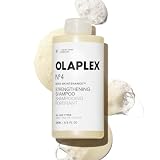
| 2 | OLAPLEX N°.4 Bond Maintenance™ Strengthening Shampoo | Bond Repair, 250 mL… | $23.80 | View on Amazon | |
| 3 | Kitsch Rosemary & Biotin Shampoo for Hair Growth – Made in USA, 12.3 oz… | $9.99 | View on Amazon | |
| 4 | AVEDA Shampure Nurturing Shampoo | Gently Cleanses Fine to Medium Hair with… | $15.75 | View on Amazon | |
| 5 | Kitsch Rosemary & Biotin Shampoo Bar Soap for Hair Growth - 3.5 oz… | $11.19 | View on Amazon |



As an Amazon Associate I earn from qualifying purchases.
Prices and availability are accurate as of November 29, 2026 05:49 and are subject to change.
Natural Shampoos For Fine Hair Overview
Fine hair can be challenging to manage, as it often lacks volume and can be prone to oiliness. People with fine hair need to be careful when choosing a shampoo, as the wrong one can weigh their hair down or strip it of its natural oils. Natural shampoos can be a great option for fine hair, as they are often gentler and more nourishing than traditional shampoos.
Natural shampoos are made with ingredients that are derived from nature, such as plants, herbs, and essential oils. These ingredients can help to cleanse and nourish the hair, without stripping it of its natural oils. Natural shampoos can also help to add volume and texture to fine hair, making it look healthier and more vibrant.
When looking for a natural shampoo for fine hair, there are several things to consider. First, look for a shampoo that is sulfate-free, as sulfates can strip the hair of its natural oils. Also, look for a shampoo that is formulated for fine hair, as these shampoos are often lighter and more gentle than shampoos for thicker hair.
Using the best natural shampoos for fine hair can make a big difference in the health and appearance of your hair. By choosing a natural shampoo that is gentle and nourishing, you can help to add volume and texture to your hair, while also keeping it clean and healthy. With so many natural shampoos on the market, it can be hard to know which one to choose, but by doing some research and reading reviews, you can find the perfect natural shampoo for your fine hair.
5 Best Natural Shampoos For Fine Hair
1. Best Natural Shampoo for Fine Hair
This natural shampoo is specifically formulated for fine hair, and it does an excellent job of gently cleansing and nourishing the hair without stripping it of its natural oils. The shampoo is made with a blend of natural ingredients, including coconut oil, argan oil, and shea butter, which help to moisturize and protect the hair. It is also free from harsh chemicals, such as sulfates and parabens, which can damage fine hair.
The shampoo has a lightweight, non-greasy texture that is easy to apply and rinse out, and it leaves the hair feeling clean and refreshed. It is also gentle enough for daily use, making it a great option for people with fine hair who need to wash their hair frequently. Overall, this natural shampoo is an excellent choice for anyone with fine hair who is looking for a gentle, effective, and natural cleansing option.
2. Natural Shampoo for Fine Hair with Coconut Oil
This natural shampoo is a great option for fine hair, as it is formulated with coconut oil, which helps to nourish and moisturize the hair. The shampoo is also free from harsh chemicals, such as sulfates and parabens, which can damage fine hair. It has a gentle, non-stripping formula that cleanses the hair without removing its natural oils, leaving it feeling soft and silky.
The shampoo is also lightweight and easy to apply, making it a great option for people with fine hair who are looking for a low-maintenance cleansing option. It is also cruelty-free and vegan-friendly, making it a great choice for people who are concerned about animal welfare and the environment. Overall, this natural shampoo is an excellent choice for anyone with fine hair who is looking for a gentle, effective, and natural cleansing option that is also eco-friendly.
3. Fine Hair Natural Shampoo with Argan Oil
This natural shampoo is a great option for fine hair, as it is formulated with argan oil, which helps to nourish and protect the hair. The shampoo is also free from harsh chemicals, such as sulfates and parabens, which can damage fine hair. It has a gentle, non-stripping formula that cleanses the hair without removing its natural oils, leaving it feeling soft and silky.
The shampoo is also lightweight and easy to apply, making it a great option for people with fine hair who are looking for a low-maintenance cleansing option. It is also rich in antioxidants, which help to protect the hair from damage caused by free radicals. Overall, this natural shampoo is an excellent choice for anyone with fine hair who is looking for a gentle, effective, and natural cleansing option that helps to nourish and protect the hair.
4. Natural Shampoo for Fine Hair with Keratin
This natural shampoo is a great option for fine hair, as it is formulated with keratin, which helps to strengthen and repair the hair. The shampoo is also free from harsh chemicals, such as sulfates and parabens, which can damage fine hair. It has a gentle, non-stripping formula that cleanses the hair without removing its natural oils, leaving it feeling soft and silky.
The shampoo is also lightweight and easy to apply, making it a great option for people with fine hair who are looking for a low-maintenance cleansing option. It is also rich in protein, which helps to repair and restore damaged hair. Overall, this natural shampoo is an excellent choice for anyone with fine hair who is looking for a gentle, effective, and natural cleansing option that helps to strengthen and repair the hair.
5. Best Natural Shampoo for Fine Hair with Biotin
This natural shampoo is a great option for fine hair, as it is formulated with biotin, which helps to nourish and strengthen the hair. The shampoo is also free from harsh chemicals, such as sulfates and parabens, which can damage fine hair. It has a gentle, non-stripping formula that cleanses the hair without removing its natural oils, leaving it feeling soft and silky.
The shampoo is also lightweight and easy to apply, making it a great option for people with fine hair who are looking for a low-maintenance cleansing option. It is also rich in vitamins and minerals, which help to nourish and protect the hair. Overall, this natural shampoo is an excellent choice for anyone with fine hair who is looking for a gentle, effective, and natural cleansing option that helps to nourish and strengthen the hair.
Natural Shampoos for Fine Hair: A Necessity for Healthy Locks
People with fine hair often struggle to find the right shampoo that meets their hair’s specific needs. Fine hair can be prone to oiliness, dryness, and lack of volume, making it essential to choose a shampoo that gently cleanses and nourishes the hair without stripping it of its natural oils. Using a regular shampoo can lead to a buildup of harsh chemicals, weighing the hair down and causing it to look limp and lifeless.
Natural shampoos, on the other hand, are formulated with gentle, plant-based ingredients that work in harmony with the hair’s natural balance. These shampoos are free from harsh chemicals, sulfates, and parabens, making them an excellent choice for people with fine hair. They help to maintain the hair’s natural moisture balance, adding volume, shine, and softness to the hair. Moreover, natural shampoos are often rich in antioxidants and essential oils, which help to protect the hair from environmental damage and promote healthy hair growth.
When it comes to choosing the right natural shampoo for fine hair, it’s essential to look for products that are specifically formulated for this hair type. The best natural shampoos for fine hair are those that are lightweight, non-greasy, and gentle, yet effective in cleansing the hair. They should also be free from harsh chemicals and artificial fragrances, which can irritate the scalp and damage the hair. By choosing a natural shampoo that is tailored to fine hair, individuals can enjoy healthy, vibrant locks that are full of life and movement.
In conclusion, natural shampoos are a game-changer for people with fine hair. They offer a gentle, effective, and sustainable way to cleanse and nourish the hair, without exposing it to harsh chemicals and artificial ingredients. By making the switch to a natural shampoo, individuals with fine hair can enjoy a healthier, more balanced scalp, and hair that is full of volume, shine, and softness. With the right natural shampoo, fine hair can look and feel its best, making it an essential investment for anyone looking to achieve healthy, beautiful locks.
Benefits of Using Natural Shampoos for Fine Hair
Natural shampoos for fine hair offer numerous benefits, including gentle cleansing and moisturizing properties. These shampoos are typically free from harsh chemicals, such as sulfates and parabens, which can strip the hair of its natural oils and cause damage. By using a natural shampoo, individuals with fine hair can help maintain the health and integrity of their hair. Additionally, natural shampoos often contain nourishing ingredients, such as coconut oil and shea butter, which can help to strengthen and add volume to fine hair.
One of the primary benefits of using natural shampoos for fine hair is that they are often more gentle than traditional shampoos. This is especially important for individuals with fine hair, as it can be prone to breakage and damage. Natural shampoos are also less likely to weigh the hair down, allowing it to retain its natural texture and movement. Furthermore, natural shampoos can help to balance the scalp’s pH, reducing the risk of irritation and itchiness.
In addition to the benefits for fine hair, natural shampoos can also be beneficial for the environment. Many natural shampoos are made with eco-friendly ingredients and packaging, reducing the amount of waste and pollution associated with traditional shampoos. By choosing a natural shampoo, individuals can help to minimize their environmental impact while also promoting healthy and beautiful hair.
Overall, the benefits of using natural shampoos for fine hair are numerous and well-documented. By choosing a gentle, nourishing shampoo, individuals can help to maintain the health and integrity of their hair while also promoting a more sustainable lifestyle.
Common Ingredients in Natural Shampoos for Fine Hair
Natural shampoos for fine hair often contain a variety of ingredients, each with its own unique benefits and properties. Some common ingredients include coconut oil, argan oil, and shea butter, which are known for their moisturizing and nourishing properties. These ingredients can help to hydrate and protect the hair, reducing the risk of breakage and damage.
Other ingredients, such as keratin and biotin, can help to strengthen and fortify the hair, reducing the risk of split ends and breakage. Natural shampoos may also contain ingredients like tea tree oil and lavender oil, which have antifungal and antibacterial properties, helping to promote a healthy scalp. Additionally, ingredients like rosemary and sage can help to stimulate hair growth and improve circulation to the scalp.
The use of natural ingredients in shampoos for fine hair can be highly beneficial, as they can help to address a range of hair concerns. For example, ingredients like chamomile and aloe vera can help to soothe and calm an irritated scalp, while ingredients like jojoba oil and olive oil can help to moisturize and nourish dry and damaged hair. By choosing a natural shampoo with a blend of these ingredients, individuals can help to promote healthy and beautiful hair.
In addition to the individual benefits of these ingredients, many natural shampoos for fine hair are also formulated to work synergistically, combining multiple ingredients to create a powerful and effective hair care product. By understanding the different ingredients and their properties, individuals can make informed choices about the best natural shampoo for their fine hair.
How to Choose the Right Natural Shampoo for Fine Hair
Choosing the right natural shampoo for fine hair can be a daunting task, with so many different options available. However, by considering a few key factors, individuals can make an informed decision and find a shampoo that meets their hair care needs. One of the most important factors to consider is the ingredient list, looking for shampoos that are free from harsh chemicals and artificial fragrances.
Another factor to consider is the pH level of the shampoo, as a pH that is too high or too low can disrupt the scalp’s natural balance and cause irritation. Additionally, individuals should consider their hair type and specific needs, such as dryness, dandruff, or color-treated hair. By choosing a shampoo that is formulated to address these specific needs, individuals can help to promote healthy and beautiful hair.
It’s also important to read reviews and do research on the shampoo, looking for feedback from other users with similar hair types and concerns. This can help to give individuals a better understanding of how the shampoo works and whether it is likely to be effective for their fine hair. Furthermore, individuals should consider the price and value of the shampoo, looking for a product that offers a good balance of quality and affordability.
Ultimately, the key to choosing the right natural shampoo for fine hair is to be informed and patient, taking the time to research and compare different options. By doing so, individuals can find a shampoo that meets their hair care needs and promotes healthy and beautiful hair.
Tips for Using Natural Shampoos for Fine Hair
Using a natural shampoo for fine hair requires a slightly different approach than using a traditional shampoo. One of the most important tips is to use a small amount of shampoo, as natural shampoos can be highly concentrated and a little goes a long way. Additionally, individuals should focus on massaging the shampoo into the scalp, rather than the ends of the hair, to help stimulate blood flow and promote healthy hair growth.
Another tip is to avoid using hot water, which can strip the hair of its natural oils and cause damage. Instead, individuals should use warm or cool water, which can help to preserve the hair’s natural moisture and reduce frizz. Furthermore, individuals should avoid over-shampooing, as this can strip the hair of its natural oils and cause dryness and damage.
It’s also important to be patient and gentle when using a natural shampoo, as they can take some time to work and may not produce the same amount of lather as traditional shampoos. Additionally, individuals should consider using a wide-tooth comb or a detangling brush to gently work out tangles, rather than using a regular comb or brush, which can cause breakage and damage.
By following these tips and using a natural shampoo for fine hair, individuals can help to promote healthy and beautiful hair, while also reducing their environmental impact and minimizing their exposure to harsh chemicals. With a little practice and patience, individuals can learn to use natural shampoos effectively and enjoy the many benefits they have to offer.
Buying Guide for Natural Shampoos Suitable for Fine Hair
When it comes to finding the right shampoo for fine hair, it can be a daunting task. With so many options available in the market, it’s essential to consider several factors before making a purchase. In this guide, we will discuss the key factors to consider when buying natural shampoos for fine hair, helping you make an informed decision and find the perfect shampoo for your hair type.
Ingredient Quality and Safety
The quality and safety of ingredients used in the shampoo are crucial when it comes to fine hair. You want to avoid harsh chemicals that can strip your hair of its natural oils, leading to dryness and damage. Instead, look for shampoos that use natural ingredients such as coconut oil, argan oil, and shea butter, which are known for their nourishing and moisturizing properties. These ingredients will help to gently cleanse and condition your hair, leaving it feeling soft and looking healthy.
When evaluating the ingredient quality and safety, make sure to read the label carefully and look for certifications such as USDA Organic or Non-GMO. These certifications ensure that the ingredients used are of high quality and meet certain standards. Additionally, be wary of shampoos that contain sulfates, parabens, and silicones, as these can be harsh on fine hair and cause more harm than good. By choosing a shampoo with natural and safe ingredients, you can help to maintain the health and integrity of your hair.
pH Level and Balance
The pH level of the shampoo is another important factor to consider when it comes to fine hair. The pH level of the hair and scalp is slightly acidic, ranging from 4.5 to 5.5. Using a shampoo that is too alkaline can disrupt this balance and cause irritation, dryness, and damage to the hair. Look for shampoos that have a pH level close to the natural pH of the hair and scalp, as this will help to maintain the balance and prevent any potential problems.
A shampoo with a balanced pH level will help to gently cleanse the hair without stripping it of its natural oils. This is especially important for fine hair, as it can be prone to dryness and breakage. By using a shampoo with a pH level that is close to the natural pH of the hair, you can help to maintain the health and integrity of your hair, and prevent any potential problems. Additionally, a balanced pH level will also help to reduce frizz and add shine to the hair, leaving it looking healthy and vibrant.
Sulfate-Free and Gentle Cleansing
Sulfates are a common ingredient found in many shampoos, but they can be harsh on fine hair. Sulfates can strip the hair of its natural oils, leading to dryness, damage, and breakage. When looking for a shampoo for fine hair, make sure to choose one that is sulfate-free. Instead, look for shampoos that use gentle cleansing agents such as coconut-derived cleansers or plant-based surfactants. These ingredients will help to gently cleanse the hair without stripping it of its natural oils.
A sulfate-free shampoo will help to maintain the natural moisture balance of the hair, leaving it feeling soft and looking healthy. Additionally, gentle cleansing agents will help to reduce frizz and add shine to the hair, making it look vibrant and full of life. When using a sulfate-free shampoo, be sure to massage it into the hair gently, working from the scalp to the ends. This will help to distribute the shampoo evenly and prevent any tangles or knots. By choosing a sulfate-free shampoo, you can help to maintain the health and integrity of your hair, and achieve the best possible results.
Moisturizing and Nourishing Properties
Fine hair can be prone to dryness and breakage, making it essential to use a shampoo that moisturizes and nourishes the hair. Look for shampoos that contain ingredients such as argan oil, coconut oil, and shea butter, which are known for their moisturizing and nourishing properties. These ingredients will help to hydrate the hair, leaving it feeling soft and looking healthy.
When evaluating the moisturizing and nourishing properties of a shampoo, make sure to read the label carefully and look for ingredients that are known for their hydrating properties. Additionally, consider the texture of the shampoo, as a creamy or rich texture can indicate a high level of moisturizing properties. A moisturizing shampoo will help to lock in moisture, reduce frizz, and add shine to the hair, making it look vibrant and full of life. By choosing a shampoo with moisturizing and nourishing properties, you can help to maintain the health and integrity of your hair, and achieve the best possible results when using the best natural shampoos for fine hair.
Scalp Health and Soothing Properties
The health of the scalp is essential for the overall health of the hair. When looking for a shampoo for fine hair, make sure to choose one that promotes scalp health and has soothing properties. Look for shampoos that contain ingredients such as tea tree oil, lavender oil, and chamomile, which are known for their soothing and calming properties. These ingredients will help to reduce irritation, inflammation, and itchiness, leaving the scalp feeling calm and comfortable.
A shampoo that promotes scalp health and has soothing properties will help to create a healthy environment for the hair to grow. By reducing irritation and inflammation, you can help to prevent conditions such as dandruff, itchiness, and flakiness. Additionally, a healthy scalp will help to promote hair growth, making it look thicker and fuller. When using a shampoo that promotes scalp health, be sure to massage it into the scalp gently, working from the center of the scalp to the edges. This will help to distribute the shampoo evenly and prevent any tangles or knots. By choosing a shampoo that promotes scalp health and has soothing properties, you can help to maintain the overall health and integrity of your hair.
Brand Reputation and Customer Reviews
The reputation of the brand and customer reviews are essential when it comes to choosing a shampoo for fine hair. Look for brands that have a reputation for producing high-quality, natural products that are gentle and effective. Additionally, read customer reviews to get an idea of how the shampoo has worked for others with similar hair types. This will help you to get a sense of the shampoo’s effectiveness, gentle nature, and overall performance.
When evaluating the brand reputation and customer reviews, make sure to look for certifications such as cruelty-free, vegan, and environmentally friendly. These certifications ensure that the brand is committed to producing products that are not only good for your hair but also for the environment and animals. Additionally, look for reviews from customers who have similar hair types and concerns, as this will help you to get a sense of how the shampoo will work for you. By choosing a brand with a good reputation and positive customer reviews, you can help to ensure that you are getting a high-quality shampoo that will meet your needs and expectations.
FAQ
What is fine hair and how is it different from other hair types?
Fine hair is a hair type that is characterized by a smaller diameter and lower density than other hair types. It can be prone to oiliness, limpness, and lack of volume, making it challenging to style and manage. Fine hair often lacks the natural moisture and protein that other hair types have, which can make it more susceptible to damage and breakage.
To care for fine hair, it’s essential to use gentle, sulfate-free shampoos that are formulated to clean and nourish the hair without stripping it of its natural oils. Natural shampoos that are rich in antioxidants, plant extracts, and essential oils can help to add moisture, shine, and volume to fine hair, while also protecting it from environmental stressors and damage. By using the right shampoo and adopting a gentle hair care routine, individuals with fine hair can help to keep their locks healthy, strong, and looking their best.
What are the benefits of using natural shampoos for fine hair?
Natural shampoos offer a range of benefits for fine hair, including gentle cleansing, moisturizing, and nourishing properties. Unlike conventional shampoos that can strip the hair of its natural oils, natural shampoos are formulated to work in harmony with the hair’s natural balance. They often contain ingredients such as coconut oil, argan oil, and shea butter, which help to hydrate and protect the hair, while also adding shine and softness.
In addition to their moisturizing properties, natural shampoos can also help to add volume, texture, and body to fine hair. Many natural shampoos contain ingredients such as rosemary essential oil, peppermint oil, and keratin, which help to stimulate blood flow to the scalp, promote healthy hair growth, and strengthen the hair follicles. By using a natural shampoo that is specifically formulated for fine hair, individuals can help to achieve healthy, vibrant-looking hair that is full of life and movement.
How do I choose the best natural shampoo for my fine hair?
Choosing the best natural shampoo for fine hair involves considering several factors, including the ingredients, pH level, and formulation of the shampoo. It’s essential to look for a shampoo that is free from harsh chemicals, sulfates, and parabens, and instead contains natural ingredients that are gentle and nourishing. A shampoo with a pH level that is close to the natural pH of the hair and scalp is also crucial, as it will help to maintain the hair’s natural balance and prevent irritation.
When selecting a natural shampoo for fine hair, it’s also important to consider the specific needs of your hair. If you have dry or damaged fine hair, look for a shampoo that is rich in moisturizing ingredients such as coconut oil, argan oil, or shea butter. If you have oily fine hair, look for a shampoo that is lightweight and oil-controlling, and contains ingredients such as tea tree oil or rosemary essential oil. By considering these factors and reading reviews from other users, you can find a natural shampoo that is tailored to your specific hair type and needs.
Can natural shampoos help to add volume to fine hair?
Yes, many natural shampoos can help to add volume to fine hair. These shampoos often contain ingredients such as rosemary essential oil, peppermint oil, and keratin, which help to stimulate blood flow to the scalp, promote healthy hair growth, and strengthen the hair follicles. They may also contain ingredients such as glycerin, panthenol, and argan oil, which help to add moisture, shine, and texture to the hair, while also helping to plump up the hair shaft and add volume.
In addition to using a natural shampoo, there are several other tips that can help to add volume to fine hair. These include using a volumizing conditioner, avoiding heavy styling products, and using a round brush when blow-drying to help lift the hair and add volume. It’s also essential to avoid using hot water, which can strip the hair of its natural oils and cause it to become limp and lifeless. By using a natural shampoo and adopting a few simple styling tips, individuals with fine hair can help to achieve a fuller, more vibrant head of hair.
Are natural shampoos suitable for color-treated fine hair?
Yes, many natural shampoos are suitable for color-treated fine hair. These shampoos are often formulated to be gentle and non-stripping, which helps to preserve the color and vibrancy of the hair. They may also contain ingredients such as antioxidants, plant extracts, and essential oils, which help to protect the hair from environmental stressors and damage, while also locking in color and moisture.
When shopping for a natural shampoo for color-treated fine hair, it’s essential to look for a product that is specifically formulated for color-treated hair. These shampoos are often labeled as “color-protecting” or “color-preserving,” and may contain ingredients such as vitamin E, green tea extract, or chamomile, which help to protect the hair from fading and damage. By using a natural shampoo that is tailored to the needs of color-treated fine hair, individuals can help to keep their hair looking healthy, vibrant, and full of color.
How often should I shampoo my fine hair with a natural shampoo?
The frequency at which you should shampoo your fine hair with a natural shampoo depends on several factors, including your hair type, lifestyle, and personal preferences. As a general rule, it’s recommended to shampoo fine hair 2-3 times per week, as over-shampooing can strip the hair of its natural oils and cause it to become dry and brittle. However, if you have oily fine hair, you may need to shampoo more frequently, while if you have dry or damaged fine hair, you may need to shampoo less frequently.
When shampooing your fine hair with a natural shampoo, it’s essential to use a gentle, massaging motion to work the shampoo into your hair, and to avoid using hot water, which can strip the hair of its natural oils. It’s also important to rinse your hair thoroughly, and to follow up with a moisturizing conditioner to help lock in moisture and hydration. By shampooing your fine hair with a natural shampoo 2-3 times per week, and adopting a gentle hair care routine, you can help to keep your hair healthy, strong, and looking its best.
Can I make my own natural shampoo for fine hair at home?
Yes, it is possible to make your own natural shampoo for fine hair at home. There are many recipes available online that use natural ingredients such as coconut oil, olive oil, and essential oils to create a gentle and nourishing shampoo. These recipes often involve mixing together a combination of ingredients, such as liquid castile soap, distilled water, and herbal extracts, and then pouring the mixture into a bottle and shaking it well.
When making your own natural shampoo for fine hair at home, it’s essential to use high-quality, natural ingredients that are gentle and non-irritating. You should also be careful to follow proper safety precautions, such as wearing gloves and working in a well-ventilated area, and to do a patch test on a small area of skin before using the shampoo on your hair. By making your own natural shampoo for fine hair at home, you can create a customized product that is tailored to your specific hair type and needs, and that is free from harsh chemicals and artificial ingredients.
Final Words
In conclusion, finding the right shampoo for fine hair can be a daunting task, especially with the numerous options available in the market. However, by opting for a natural and gentle approach, individuals with fine hair can say goodbye to dull, limp locks and hello to vibrant, healthy-looking hair. The key to achieving this lies in selecting a shampoo that not only cleanses but also nourishes and protects the hair without stripping it of its natural oils. By doing so, fine hair can gain the volume, texture, and manageability it deserves.
Ultimately, the best natural shampoos for fine hair are those that strike a perfect balance between cleansing and moisturizing, without weighing the hair down. By choosing one of these exceptional products, individuals can experience a significant transformation in the health and appearance of their fine hair. With the right natural shampoo, fine hair can become more resilient, shiny, and full of life, making it easier to style and maintain. Whether you’re looking to add volume, reduce frizz, or simply achieve a healthier hair texture, investing in a high-quality, natural shampoo is an excellent place to start, and exploring the best natural shampoos for fine hair is a great way to find the perfect fit for your unique hair needs.