When it comes to tackling various tasks and projects around the house or in the workshop, having the right tools can make all the difference. A reliable and versatile drill is an essential component of any toolkit, and for many tasks, a manual option is the preferred choice. Hand drills offer a level of precision and control that can be difficult to achieve with power drills, making them ideal for delicate tasks, working in tight spaces, or when a power source is not readily available. Whether you are a DIY enthusiast, a professional, or simply a homeowner looking to be more self-sufficient, investing in a high-quality hand drill is a wise decision.
For those in the market for a new hand drill, the numerous options available can be overwhelming. With so many different models and brands to choose from, it can be difficult to determine which one is right for you. That’s why we’ve put together this comprehensive guide to the best hand drills, featuring in-depth reviews and comparisons of the top models on the market. Our goal is to provide you with the information you need to make an informed decision and find the perfect hand drill to meet your specific needs and preferences. By considering factors such as durability, ease of use, and overall performance, you’ll be able to find the ideal tool to help you complete your projects with precision and confidence.
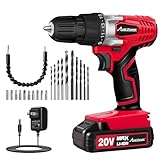
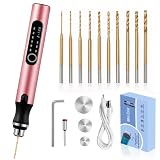
Before we get into the review of the best hand drills, here are some related products from Amazon to explore:



As an Amazon Associate I earn from qualifying purchases.
Prices and availability are accurate as of November 22, 2026 05:26 and are subject to change.
Introduction to Hand Drills
Hand drills are manual tools used for drilling holes in various materials such as wood, metal, and plastic. They are typically operated by turning a handle, which rotates a drill bit to create the desired hole. Hand drills have been used for centuries and are still a popular choice for many tasks, especially in situations where power tools are not feasible or necessary.
The basic components of a hand drill include a handle, a chuck, and a drill bit. The handle provides the grip and leverage needed to turn the drill, while the chuck is the part that holds the drill bit in place. The drill bit is the cutting tool that actually creates the hole. Hand drills can be used for a variety of tasks, from drilling small pilot holes to creating large holes for pipes or other fittings.
One of the main advantages of hand drills is their versatility and portability. They can be used in a variety of situations, from woodworking and metalworking to construction and DIY projects. Hand drills are also relatively inexpensive and require minimal maintenance, making them a great option for those on a budget. Additionally, hand drills provide a level of precision and control that can be difficult to achieve with power tools.
When it comes to choosing the right hand drill for a particular task, there are several factors to consider. The type of material being drilled, the size of the hole, and the level of precision required are all important considerations. By selecting one of the best hand drills available, users can ensure that they have the right tool for the job and can achieve professional-quality results. Whether you are a seasoned craftsman or a DIY enthusiast, a good hand drill is an essential tool to have in your toolkit.
The Best Hand Drills
The
Black+Decker HDX5 1
is a reliable and efficient hand drill that offers a lot of power for its size. It features a compact design that makes it easy to maneuver in tight spaces, and its ergonomic grip provides a comfortable hold. The drill is powered by a durable and long-lasting motor that delivers consistent performance, and its adjustable torque setting allows for precise control over the drilling process.
The
Black+Decker HDX5 1
is also very versatile, and can be used for a variety of tasks such as drilling, driving, and mixing. It comes with a range of accessories, including drill bits and screwdriver bits, and its battery is rechargeable, making it a cost-effective option. Overall, the
Black+Decker HDX5 1
is a great choice for anyone looking for a reliable and efficient hand drill that can handle a variety of tasks.
The
Milwaukee 2801-20 2
is a high-quality hand drill that is designed to provide exceptional performance and durability. It features a powerful motor that delivers high torque and speed, and its all-metal gear case provides added strength and durability. The drill also has a comfortable grip and a convenient belt clip, making it easy to use and transport.
The
Milwaukee 2801-20 2
is also very versatile, and can be used for a variety of tasks such as drilling, driving, and fastening. It has a variable speed setting that allows for precise control over the drilling process, and its adjustable torque setting provides added control and precision. Overall, the
Milwaukee 2801-20 2
is a great choice for anyone looking for a high-quality hand drill that can handle demanding tasks.
The
DeWalt DW260V 3
is a high-performance hand drill that is designed to provide exceptional power and speed. It features a powerful motor that delivers high torque and speed, and its compact design makes it easy to maneuver in tight spaces. The drill also has a comfortable grip and a convenient belt clip, making it easy to use and transport.
The
DeWalt DW260V 3
is also very versatile, and can be used for a variety of tasks such as drilling, driving, and fastening. It has a variable speed setting that allows for precise control over the drilling process, and its adjustable torque setting provides added control and precision. Overall, the
DeWalt DW260V 3
is a great choice for anyone looking for a high-performance hand drill that can handle demanding tasks.
The
Makita 6302H 4
is a high-quality hand drill that is designed to provide exceptional performance and durability. It features a powerful motor that delivers high torque and speed, and its compact design makes it easy to maneuver in tight spaces. The drill also has a comfortable grip and a convenient belt clip, making it easy to use and transport.
The
Makita 6302H 4
is also very versatile, and can be used for a variety of tasks such as drilling, driving, and fastening. It has a variable speed setting that allows for precise control over the drilling process, and its adjustable torque setting provides added control and precision. Overall, the
Makita 6302H 4
is a great choice for anyone looking for a high-quality hand drill that can handle demanding tasks.
The
Bosch PS31-2A 5
is a high-performance hand drill that is designed to provide exceptional power and speed. It features a powerful motor that delivers high torque and speed, and its compact design makes it easy to maneuver in tight spaces. The drill also has a comfortable grip and a convenient belt clip, making it easy to use and transport.
The
Bosch PS31-2A 5
is also very versatile, and can be used for a variety of tasks such as drilling, driving, and fastening. It has a variable speed setting that allows for precise control over the drilling process, and its adjustable torque setting provides added control and precision. Overall, the
Bosch PS31-2A 5
is a great choice for anyone looking for a high-performance hand drill that can handle demanding tasks.
Importance of Hand Drills in Everyday Life
Hand drills are essential tools that have been used for centuries, and their importance cannot be overstated. They provide a simple and effective way to drill holes in various materials, including wood, metal, and plastic. With the advancement of technology, hand drills have become more efficient and versatile, making them a must-have tool for both professionals and DIY enthusiasts.
One of the primary reasons people need to buy hand drills is that they offer a high level of portability and convenience. Unlike power drills, hand drills do not require any electricity or batteries, making them ideal for use in remote areas or in situations where power is not available. Additionally, hand drills are relatively inexpensive and require minimal maintenance, making them a cost-effective option for many users.
Hand drills are also extremely versatile and can be used for a wide range of tasks, from drilling holes in wood to driving screws and other fasteners. They are particularly useful for precision work, such as drilling small holes or driving tiny screws, where a power drill may be too powerful or cumbersome. Furthermore, hand drills provide a level of control and finesse that is difficult to achieve with power drills, making them the preferred choice for many craftsmen and DIY enthusiasts.
When it comes to choosing the right hand drill, there are many options available on the market. To find the best hand drills, users should consider factors such as the type of material they will be working with, the size and type of holes they need to drill, and the level of precision required. By selecting the right hand drill for their needs, users can ensure that they have a reliable and efficient tool that will help them complete their tasks with ease and accuracy. Whether you are a professional contractor or a DIY enthusiast, a hand drill is an essential tool that should be included in your toolkit.
Types of Hand Drills
Hand drills are categorized into different types based on their functionality, design, and application. The most common types of hand drills include manual, mechanical, and hydraulic drills. Manual hand drills are the simplest type, requiring manual effort to rotate the drill bit. Mechanical hand drills use a system of gears and levers to amplify the user’s effort, making drilling easier and faster. Hydraulic hand drills, on the other hand, use hydraulic pressure to drive the drill bit, providing more power and efficiency.
Each type of hand drill has its own advantages and disadvantages. Manual hand drills are lightweight, portable, and inexpensive, but they can be time-consuming and tiring to use. Mechanical hand drills are more efficient and faster than manual drills, but they can be heavier and more expensive. Hydraulic hand drills are the most powerful and efficient, but they are also the heaviest and most expensive.
The choice of hand drill type depends on the specific application and user preference. For example, manual hand drills are suitable for small-scale drilling tasks, such as crafting and DIY projects. Mechanical hand drills are ideal for medium-scale drilling tasks, such as construction and woodworking. Hydraulic hand drills are best suited for large-scale drilling tasks, such as industrial and commercial applications.
In addition to these main types, there are also specialized hand drills designed for specific tasks, such as precision drilling, concrete drilling, and metal drilling. These specialized drills often feature unique designs and functionalities, such as adjustable speed, reversible rotation, and interchangeable drill bits. Understanding the different types of hand drills and their applications is essential for selecting the right tool for the job.
Key Features to Consider
When selecting a hand drill, there are several key features to consider. One of the most important features is the drill’s power and speed, which determine its ability to drill through different materials and thicknesses. The drill’s torque and gear ratio also play a crucial role in its performance, as they affect the drill’s ability to handle tough materials and applications.
Another important feature to consider is the drill’s ergonomics and comfort. A comfortable and ergonomic design can reduce user fatigue and improve drilling accuracy. The drill’s weight, balance, and grip are also essential factors, as they affect the user’s ability to control and maneuver the drill. Additionally, the drill’s durability and build quality are critical, as they determine the drill’s lifespan and resistance to wear and tear.
The drill’s versatility is also an important consideration, as it determines the drill’s ability to handle different tasks and applications. A versatile drill can be used for a variety of tasks, such as drilling, driving, and mixing. The drill’s compatibility with different drill bits and accessories is also essential, as it affects the drill’s ability to handle specific tasks and materials.
Furthermore, the drill’s safety features are critical, as they protect the user from accidents and injuries. Essential safety features include a secure grip, a protective guard, and a reliable braking system. The drill’s maintenance and repair requirements are also important, as they affect the drill’s lifespan and performance. A drill with easy maintenance and repair requirements can save time and money in the long run.
Hand Drill Safety and Maintenance
Hand drill safety is a critical aspect of drilling, as it protects the user from accidents and injuries. One of the most important safety precautions is to wear protective gear, such as safety glasses, gloves, and a dust mask. The user should also ensure that the drill is properly assembled and maintained, with all parts securely tightened and in good condition.
Regular maintenance is essential to ensure the drill’s performance and longevity. The user should regularly clean and lubricate the drill, check the drill bits for wear and damage, and replace them as needed. The drill’s battery and electrical components should also be regularly inspected and maintained, to prevent overheating and electrical shock.
Proper storage and handling are also critical, as they prevent damage and accidents. The drill should be stored in a dry and secure location, away from children and pets. The user should also handle the drill with care, avoiding drops and impacts that can damage the drill or cause injury.
In addition to these safety precautions, the user should also follow the manufacturer’s instructions and guidelines, as they provide essential information on the drill’s safe and proper use. The user should also be aware of the drill’s limitations and capabilities, to avoid overloading or misusing the drill. By following these safety precautions and maintenance requirements, the user can ensure safe and effective drilling.
Hand Drill Accessories and Attachments
Hand drill accessories and attachments can enhance the drill’s functionality and versatility. One of the most common accessories is the drill bit set, which includes a variety of drill bits for different materials and applications. Other essential accessories include drill bit sharpeners, drill bit extensions, and drill bit holders.
Attachments can also be used to convert the hand drill into a different tool, such as a screwdriver, mixer, or grinder. For example, a screwdriver attachment can be used to drive screws and other fasteners, while a mixer attachment can be used to mix materials such as concrete and mortar. A grinder attachment can be used to grind and polish surfaces, such as metal and wood.
The choice of accessories and attachments depends on the specific application and user preference. For example, a DIY enthusiast may require a variety of drill bits and attachments for different tasks and projects. A professional contractor, on the other hand, may require more specialized and heavy-duty accessories and attachments for large-scale applications.
In addition to these accessories and attachments, there are also specialized storage and carrying cases available, which can protect the drill and its accessories during transport and storage. These cases often feature compartments and pockets for organizing and storing the drill and its accessories, making it easier to transport and access the drill and its components.
Ultimate Buying Guide for Hand Drills
When it comes to choosing the right hand drill, there are several factors to consider. With so many options available in the market, it can be overwhelming to make a decision. However, by considering a few key factors, you can find the perfect hand drill that meets your needs and provides efficient performance. In this guide, we will discuss the essential factors to consider when buying a hand drill, helping you make an informed decision.
Power Source
The power source of a hand drill is a crucial factor to consider. You can choose between electric, battery-powered, or manual hand drills. Electric hand drills are more powerful and efficient, but they require a constant power supply. On the other hand, battery-powered hand drills offer more portability and convenience, but they may run out of power during extended use. Manual hand drills are the most traditional option and do not require any power source, but they can be tiring to use for extended periods.
When choosing a power source, consider the type of projects you will be working on and the level of power required. If you need to drill through thick materials or work on large projects, an electric hand drill may be the best option. However, if you need a portable and convenient option for small projects, a battery-powered hand drill may be more suitable. It is essential to weigh the pros and cons of each power source to find the one that meets your needs.
Speed and Torque
The speed and torque of a hand drill are critical factors to consider. Speed refers to the number of revolutions per minute (RPM), while torque refers to the rotational force of the drill. A higher speed and torque can help you drill through materials more efficiently, but they can also increase the risk of damaging the material or the drill itself. When choosing a hand drill, consider the type of materials you will be working with and the level of speed and torque required.
For example, if you need to drill through wood or plastic, a lower speed and torque may be sufficient. However, if you need to drill through metal or concrete, a higher speed and torque may be required. It is essential to choose a hand drill that offers adjustable speed and torque settings to ensure you can adapt to different materials and projects. Additionally, consider the gear system of the hand drill, as it can affect the overall speed and torque of the drill.
Ergonomics and Design
The ergonomics and design of a hand drill can significantly impact your comfort and performance. A well-designed hand drill should fit comfortably in your hand, with a contoured grip and balanced weight distribution. Consider the material and build quality of the hand drill, as it can affect its durability and performance. A hand drill with a durable and rust-resistant body can withstand rough handling and harsh environments.
When choosing a hand drill, consider the size and weight of the drill, as it can affect your comfort and fatigue levels. A lighter and more compact hand drill can be easier to maneuver and reduce fatigue, but it may not offer the same level of power and performance as a larger drill. Additionally, consider the location and design of the controls, such as the trigger and gear switch, as they can affect your ability to operate the drill safely and efficiently.
Chuck Size and Type
The chuck size and type of a hand drill can affect the versatility and performance of the drill. The chuck is the part of the drill that holds the drill bit in place, and it comes in different sizes and types. A larger chuck size can accommodate larger drill bits, but it may also increase the overall size and weight of the drill. Consider the type of projects you will be working on and the size of the drill bits you will need to use.
When choosing a hand drill, consider the type of chuck, such as a keyless chuck or a keyed chuck. A keyless chuck can be more convenient and easier to use, but it may not offer the same level of security and precision as a keyed chuck. Additionally, consider the material and build quality of the chuck, as it can affect its durability and performance. A chuck made from high-quality materials can withstand rough handling and harsh environments, ensuring reliable performance and longevity.
Additional Features
Additional features can enhance the performance and versatility of a hand drill. Consider features such as LED lights, which can illuminate the work area and improve visibility. Other features, such as a built-in level or a magnetic bit holder, can also improve the overall performance and convenience of the drill. When choosing a hand drill, consider the features that are essential to your needs and preferences.
Some hand drills may also come with advanced features, such as variable speed settings or a hammer function. These features can be useful for specific applications, such as drilling through concrete or masonry. However, they may also increase the overall cost and complexity of the drill. When evaluating additional features, consider whether they are essential to your needs and whether they justify the added cost. By choosing a hand drill with the right features, you can improve your overall performance and efficiency, making it one of the best hand drills for your needs.
Brand and Warranty
The brand and warranty of a hand drill can affect its overall quality and reliability. Consider the reputation and experience of the manufacturer, as well as the warranty and support offered. A reputable brand with a comprehensive warranty can provide peace of mind and protect your investment. When choosing a hand drill, research the manufacturer’s reputation and read reviews from other customers to get an idea of the drill’s performance and reliability.
Additionally, consider the length and terms of the warranty, as it can affect your overall satisfaction and protection. A longer warranty with comprehensive coverage can provide greater peace of mind and protection against defects or malfunctions. By choosing a hand drill from a reputable brand with a comprehensive warranty, you can ensure reliable performance and longevity, making your investment worthwhile.
FAQ
What is a hand drill and how does it work?
A hand drill is a manual tool used for drilling holes in various materials such as wood, metal, and plastic. It works by using a rotating handle to turn a drill bit, which is a sharp, pointed tool that cuts through the material as it rotates. The drill bit is typically attached to a shaft that is connected to the handle, and as the handle is turned, the shaft and drill bit rotate, creating a hole in the material.
The mechanism of a hand drill is simple yet effective. The rotating handle provides the necessary torque to turn the drill bit, and the user can control the speed and pressure of the drill by adjusting the amount of force applied to the handle. Hand drills are often used for small-scale projects or in situations where an electric drill is not practical or available. They are also a useful tool for anyone who wants to learn basic drilling skills or needs a reliable backup drill.
What are the different types of hand drills available?
There are several types of hand drills available, each with its own unique features and advantages. The most common types of hand drills include eggbeater drills, brace drills, and push drills. Eggbeater drills are the most traditional type of hand drill and are characterized by their rotating handle and gear system. Brace drills are similar to eggbeater drills but have a U-shaped frame that provides additional support and leverage. Push drills, on the other hand, are simple and compact, with a straight handle and a drill bit that is pushed through the material.
The type of hand drill to choose depends on the specific needs and preferences of the user. For example, eggbeater drills are well-suited for drilling large holes or working with thick materials, while push drills are better suited for small-scale projects or drilling in tight spaces. Brace drills offer a good balance between power and control, making them a popular choice for many users. By considering the different types of hand drills available, users can choose the one that best fits their needs and ensures successful drilling results.
What are the key features to consider when buying a hand drill?
When buying a hand drill, there are several key features to consider. One of the most important factors is the quality of the drill bit, which should be sharp and durable to ensure effective drilling. The material of the drill bit is also important, with high-carbon steel or titanium being good options. Additionally, the handle of the drill should be comfortable and ergonomic, with a secure grip to prevent slipping or fatigue.
Other features to consider when buying a hand drill include the gear system, which should be smooth and efficient, and the overall build quality of the drill, which should be sturdy and durable. Some hand drills also come with additional features, such as adjustable torque or a built-in level, which can be useful for specific applications. By considering these key features, users can choose a hand drill that meets their needs and provides reliable performance.
How do I choose the right drill bit for my hand drill?
Choosing the right drill bit for a hand drill depends on the specific material being drilled and the desired hole size. Drill bits come in a variety of sizes and types, including twist bits, spade bits, and auger bits. Twist bits are the most common type of drill bit and are suitable for drilling in wood, metal, and plastic. Spade bits are used for drilling large holes in wood, while auger bits are used for drilling deep holes in wood or metal.
To choose the right drill bit, users should consider the material being drilled and the desired hole size. They should also consider the type of hand drill being used, as some drills may require specific types of drill bits. Additionally, users should choose a drill bit that is compatible with the drill’s chuck size and type. By selecting the right drill bit, users can ensure successful drilling results and avoid damaging the material or the drill.
What are the advantages of using a hand drill compared to an electric drill?
One of the main advantages of using a hand drill compared to an electric drill is the level of control and precision it provides. Hand drills allow users to feel the material being drilled and adjust the pressure and speed accordingly, which can be especially useful when working with delicate or sensitive materials. Additionally, hand drills are often quieter and produce less vibration than electric drills, making them a good choice for working in noise-sensitive environments.
Another advantage of hand drills is their portability and convenience. They are often lightweight and compact, making them easy to take on the go or store in a toolbox. Hand drills also do not require a power source, which can be a major advantage in situations where electricity is not available. Furthermore, hand drills are often less expensive than electric drills and require less maintenance, making them a cost-effective option for many users.
How do I maintain and store my hand drill to ensure its longevity?
To maintain and store a hand drill, users should regularly clean and lubricate the drill’s moving parts, such as the gears and bearings. This can be done using a soft cloth and a few drops of oil or silicone spray. Additionally, users should store the drill in a dry, cool place, away from direct sunlight and moisture. The drill should also be kept in a protective case or container to prevent damage or scratching.
Regular maintenance can help extend the life of a hand drill and ensure it continues to perform well over time. Users should also inspect the drill regularly for signs of wear or damage, such as loose screws or worn-out drill bits. By addressing any issues promptly, users can prevent more serious problems from developing and keep their hand drill in good working condition. By following these simple maintenance and storage tips, users can enjoy years of reliable service from their hand drill.
Can I use a hand drill for heavy-duty drilling applications?
While hand drills can be used for a variety of drilling applications, they may not be suitable for heavy-duty drilling tasks. Hand drills are designed for small-scale projects or occasional use, and they may not have the power or durability to handle large or demanding drilling tasks. For heavy-duty drilling applications, an electric drill or a power drill may be a better option, as they provide more power and speed.
However, some hand drills are designed for more heavy-duty use, such as those with robust construction or high-torque gear systems. These drills may be suitable for drilling larger holes or working with thicker materials, but they may still have limitations compared to electric drills. Users should carefully consider the capabilities and limitations of their hand drill before attempting heavy-duty drilling applications, and should always follow safety guidelines and precautions to avoid injury or damage.
Final Thoughts
In conclusion, selecting the right tool for the job is crucial for achieving professional results and ensuring efficiency. When it comes to drilling, having a reliable and versatile device can make all the difference. The market offers a wide range of options, each with its unique features and benefits. By considering factors such as power, durability, and ergonomics, individuals can make informed decisions that cater to their specific needs and preferences.
Ultimately, investing in the best hand drills can significantly enhance one’s drilling experience, providing the necessary precision and control for various tasks. Whether you are a DIY enthusiast or a professional contractor, a high-quality hand drill is an essential addition to your toolkit. With the numerous options available, it is essential to weigh the pros and cons of each model, considering aspects such as battery life, speed, and overall performance. By doing so, you can confidently choose a device that meets your expectations and helps you accomplish your goals with ease and precision.