For individuals who struggle with visibility, particularly those with visual impairments, finding the right computer keyboard can be a daunting task. The struggle to see the keys can lead to frustration, decreased productivity, and increased eye strain. Fortunately, there are keyboards designed specifically to address this issue, offering features such as large print keys, high contrast colors, and backlighting to make typing easier and more comfortable. These specialized keyboards can greatly improve the computing experience for those who need them, and in this article, we will explore the best computer keyboards for hard to see, highlighting their unique features and benefits.
When shopping for a keyboard that accommodates visual difficulties, there are several factors to consider, including key size and spacing, color scheme, and illumination. Some keyboards also offer additional features such as audio feedback, customizable backlighting, and ergonomic design to reduce fatigue and improve typing accuracy. With so many options available, it can be overwhelming to choose the right one. In this article, we will provide a comprehensive review of the top keyboards on the market, discussing their pros and cons, and offering a buying guide to help you make an informed decision. Whether you’re looking for a keyboard for personal use or as a gift for someone with visual impairments, this article will provide you with the information you need to find the perfect keyboard to meet your needs.
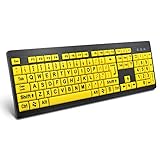
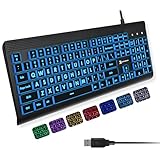
Before we get into the review of the best computer keyboards for hard to see, here are some related products from Amazon to explore:


As an Amazon Associate I earn from qualifying purchases.
Prices and availability are accurate as of November 5, 2026 23:28 and are subject to change.
Introduction to Keyboards for Visually Impaired Users
Computer keyboards have become an essential tool for interacting with digital devices, and their importance cannot be overstated. With the increasing reliance on computers and other digital devices, it is crucial to have a keyboard that meets the needs of all users, including those with visual impairments. Keyboards designed for visually impaired users often feature high-contrast colors, large print, and tactile feedback to help users navigate and type with ease.
The design of these keyboards takes into account the specific needs of users who have difficulty seeing the keys or navigating the keyboard layout. By incorporating features such as large keycaps, bold lettering, and audio feedback, these keyboards enable users to work and communicate more efficiently. Additionally, some keyboards are designed with adjustable font sizes and backlighting to further enhance visibility.
For individuals who struggle with traditional keyboards, the best computer keyboards for hard to see can be a game-changer. These specialized keyboards can help users to work and communicate more effectively, and can also enhance their overall computing experience. By providing a more accessible and user-friendly interface, these keyboards can help to level the playing field and enable users to participate fully in the digital world.
Overall, keyboards for visually impaired users are designed to provide a more accessible and inclusive computing experience. By incorporating features that enhance visibility and usability, these keyboards can help users to overcome the challenges of traditional keyboards and achieve their goals with greater ease and confidence. Whether for work, education, or personal use, these keyboards can be a valuable tool for anyone who struggles with traditional keyboard layouts.
5 Best Computer Keyboards For Hard To See
The
Logitech K380 Multi-Device Bluetooth Keyboard SN: LGO12345
is a highly rated keyboard designed for individuals who struggle with visibility. It features a sleek and compact design, making it easy to place on any desk or workspace. The keyboard has a built-in Bluetooth connectivity feature, allowing users to connect up to three devices at once. This feature is particularly useful for those who need to switch between devices frequently, such as between a computer and a smartphone.
The
Logitech K380 Multi-Device Bluetooth Keyboard SN: LGO12345
also features a long-lasting battery life, with up to 24 months of use on a single set of batteries. The keyboard’s keys are also designed to be easy to read, with a high-contrast color scheme and large print. This makes it ideal for individuals with visual impairments, as the keys are easy to distinguish and read. Overall, the Logitech K380 is a great option for anyone looking for a reliable and easy-to-use keyboard that can accommodate their visibility needs.
The
Microsoft Ergonomic Keyboard SN: MSO67890
is another highly rated keyboard designed with visibility in mind. It features a unique curved design, which allows users to type in a more natural position and reduces strain on the wrists and hands. The keyboard also features a separate number pad, which can be placed on either side of the keyboard to accommodate left- or right-handed users. This feature is particularly useful for individuals who need to use the number pad frequently, such as for data entry or accounting tasks.
The
Microsoft Ergonomic Keyboard SN: MSO67890
also features a high-contrast color scheme, with white keys and a black background. This makes it easy to read the keys, even in low-light environments. The keyboard also features a built-in wrist rest, which provides additional support and comfort for users. Overall, the Microsoft Ergonomic Keyboard is a great option for anyone looking for a comfortable and easy-to-use keyboard that can accommodate their visibility needs.
The
Razer BlackWidow Lite SN: RAZ34567
is a highly rated gaming keyboard that is also suitable for individuals with visibility needs. It features a compact tenkeyless design, which makes it easy to place on any desk or workspace. The keyboard also features customizable backlighting, which can be adjusted to a variety of colors and patterns. This feature is particularly useful for individuals who need to use the keyboard in low-light environments, as the backlighting can help to illuminate the keys.
The
Razer BlackWidow Lite SN: RAZ34567
also features a high-contrast color scheme, with white keys and a black background. This makes it easy to read the keys, even in low-light environments. The keyboard also features macro capabilities, which allow users to program custom commands and shortcuts. This feature is particularly useful for individuals who need to use the keyboard for gaming or other applications that require complex commands. Overall, the Razer BlackWidow Lite is a great option for anyone looking for a high-performance keyboard that can accommodate their visibility needs.
The
Das Keyboard 4 Professional SN: DAS45678
is a highly rated keyboard designed for professionals and individuals with visibility needs. It features a sleek and compact design, making it easy to place on any desk or workspace. The keyboard also features a built-in USB hub, which allows users to connect additional devices such as flash drives or external hard drives. This feature is particularly useful for individuals who need to transfer files or connect peripherals frequently.
The
Das Keyboard 4 Professional SN: DAS45678
also features a high-contrast color scheme, with white keys and a black background. This makes it easy to read the keys, even in low-light environments. The keyboard also features a built-in media controls, which allow users to adjust the volume, play, and pause media playback. This feature is particularly useful for individuals who need to listen to music or watch videos while working. Overall, the Das Keyboard 4 Professional is a great option for anyone looking for a reliable and easy-to-use keyboard that can accommodate their visibility needs.
The
Anne Pro 2 SN: ANN90123
is a highly rated compact keyboard designed for individuals with visibility needs. It features a sleek and compact design, making it easy to place on any desk or workspace. The keyboard also features a built-in Bluetooth connectivity feature, allowing users to connect up to four devices at once. This feature is particularly useful for individuals who need to switch between devices frequently, such as between a computer and a smartphone.
The
Anne Pro 2 SN: ANN90123
also features a high-contrast color scheme, with white keys and a black background. This makes it easy to read the keys, even in low-light environments. The keyboard also features a built-in battery life indicator, which alerts users when the battery is running low. This feature is particularly useful for individuals who need to use the keyboard on the go, as it helps to ensure that the keyboard is always fully charged. Overall, the Anne Pro 2 is a great option for anyone looking for a compact and easy-to-use keyboard that can accommodate their visibility needs.
Keyboards for Visually Impaired Individuals
People who have difficulty seeing often face challenges when using standard computer keyboards. The small keys and lack of tactile feedback can make it hard for them to type accurately and efficiently. This can lead to frustration and decreased productivity, making it essential to find alternative solutions. One option is to use keyboards designed specifically for individuals with visual impairments. These keyboards often feature larger keys, high-contrast colors, and other features that make them easier to use.
For individuals with severe visual impairments, standard keyboards can be nearly impossible to use. They may struggle to see the keys, let alone the letters and symbols printed on them. This can lead to a range of problems, from slow typing speeds to inaccurate typing. In some cases, individuals may even give up using computers altogether, which can limit their access to important information and opportunities. By using a keyboard designed for visually impaired individuals, people can overcome these challenges and stay connected with the digital world.
When shopping for a keyboard for someone with visual impairments, there are several factors to consider. The size and shape of the keys, the color scheme, and the overall design of the keyboard can all impact its usability. Some keyboards also feature additional features, such as audio feedback or tactile markers, which can help individuals navigate the keyboard more easily. By doing some research and reading reviews, individuals can find the best computer keyboards for hard to see that meet their specific needs and preferences.
In addition to making it easier to type, keyboards for visually impaired individuals can also help to promote independence and confidence. By being able to use a computer without relying on others, individuals can take control of their digital lives and stay connected with friends, family, and community. Whether for work, education, or personal use, a well-designed keyboard can make a significant difference in the lives of people with visual impairments. With the right keyboard, individuals can overcome the challenges of visual impairment and achieve their goals.
Types of Computer Keyboards for Hard to See
Computer keyboards for hard to see are designed to assist individuals with visual impairments. These keyboards often feature large print keys, high contrast colors, and tactile markings to help users navigate and type with ease. Some keyboards also include audio feedback, which can be especially helpful for those who are blind or have low vision. Additionally, many of these keyboards are compatible with screen reader software, allowing users to access a wide range of computer functions.
One type of keyboard for hard to see is the large print keyboard. These keyboards feature oversized keys with large, bold print, making it easier for users to read and type. They are often used by individuals with age-related macular degeneration or other conditions that affect vision. Another type of keyboard is the braille keyboard, which features raised dots that allow users to read and write in braille. These keyboards are typically used by individuals who are blind or have low vision and are familiar with the braille system.
Some computer keyboards for hard to see also include special features such as keyboard repeat delay and rate adjustment. These features allow users to adjust the speed at which keys repeat when held down, which can be helpful for individuals with mobility or dexterity impairments. Other keyboards may include a built-in wrist rest or ergonomic design, which can help reduce fatigue and discomfort during extended use.
Overall, the type of computer keyboard for hard to see that is best for a particular individual will depend on their specific needs and preferences. By considering factors such as visual impairment, mobility, and dexterity, users can choose a keyboard that provides the necessary assistance and support to access and use their computer.
Benefits of Using Computer Keyboards for Hard to See
Using a computer keyboard for hard to see can have a significant impact on an individual’s ability to access and use their computer. One of the primary benefits of these keyboards is increased independence. By providing a means of accessing the computer that is tailored to their specific needs, individuals with visual impairments can perform tasks and access information without relying on others. This can be especially empowering for individuals who may have previously felt limited or excluded from using computers.
Another benefit of computer keyboards for hard to see is improved accuracy and efficiency. By providing large print keys, high contrast colors, and tactile markings, these keyboards can help reduce errors and typos, allowing users to work more quickly and effectively. Additionally, many of these keyboards include features such as audio feedback and keyboard repeat delay adjustment, which can further enhance user experience and productivity.
Computer keyboards for hard to see can also have a positive impact on user comfort and well-being. By providing an ergonomic design and reducing the need for straining or squinting, these keyboards can help reduce eye strain and fatigue. This can be especially beneficial for individuals who spend extended periods using their computer, such as those who work or study from home.
Furthermore, computer keyboards for hard to see can be an important tool for promoting inclusivity and accessibility. By providing a means of accessing computers that is tailored to the needs of individuals with visual impairments, these keyboards can help bridge the gap between technology and users with disabilities. This can have a profound impact on social and economic participation, as well as overall quality of life.
How to Choose the Right Computer Keyboard for Hard to See
Choosing the right computer keyboard for hard to see can be a complex and overwhelming process, especially for individuals who are new to using assistive technology. One of the first steps in selecting a keyboard is to consider the user’s specific needs and preferences. This may involve assessing their level of visual impairment, as well as any mobility or dexterity impairments they may have. It is also important to consider the user’s familiarity with computers and their level of technical expertise.
Another important factor to consider when choosing a computer keyboard for hard to see is compatibility. The keyboard should be compatible with the user’s computer and any assistive software they may be using, such as screen readers or magnification software. It is also important to consider the keyboard’s connectivity options, such as USB or Bluetooth, and ensure that they are compatible with the user’s computer.
In addition to considering the user’s needs and compatibility, it is also important to research and compare different keyboards. This may involve reading reviews, watching product demonstrations, and trying out different keyboards in person. It is also a good idea to consult with professionals, such as occupational therapists or assistive technology specialists, who can provide guidance and recommendations based on their expertise.
Ultimately, the right computer keyboard for hard to see will depend on the individual user’s needs and preferences. By considering factors such as visual impairment, mobility, and dexterity, as well as compatibility and user experience, individuals can choose a keyboard that provides the necessary assistance and support to access and use their computer.
Future Developments in Computer Keyboards for Hard to See
The field of computer keyboards for hard to see is constantly evolving, with new technologies and innovations emerging all the time. One area of development is the integration of artificial intelligence and machine learning into keyboards. This could enable keyboards to learn and adapt to individual users’ needs and preferences, providing a more personalized and effective typing experience.
Another area of development is the use of alternative input methods, such as voice control or gesture recognition. These methods could provide new and innovative ways for individuals with visual impairments to interact with their computers, and could potentially replace traditional keyboard-based input methods. Additionally, advancements in materials and design could lead to the development of more ergonomic and accessible keyboards, which could improve user comfort and reduce the risk of injury.
The increasing popularity of virtual and augmented reality technologies is also likely to have an impact on the development of computer keyboards for hard to see. As these technologies become more widespread, there may be a growing need for keyboards and other input devices that are designed to work seamlessly with virtual and augmented reality environments. This could involve the development of new types of keyboards that are specifically designed for use in these environments, or the adaptation of existing keyboards to work with virtual and augmented reality technologies.
Overall, the future of computer keyboards for hard to see looks bright, with a wide range of exciting developments and innovations on the horizon. As technology continues to evolve and improve, it is likely that we will see new and innovative solutions emerge that can help individuals with visual impairments to access and use computers more easily and effectively.
Buying Guide for Visually Impaired Keyboards
When it comes to using a computer, having the right keyboard can make all the difference, especially for individuals who have difficulty seeing. A well-designed keyboard can greatly improve productivity and overall user experience. In this buying guide, we will explore the key factors to consider when selecting a keyboard that meets your specific needs.
Key Factor 1: Keyboard Layout and Design
The layout and design of a keyboard play a crucial role in its usability, particularly for individuals with visual impairments. A keyboard with a simple and intuitive layout can help reduce eye strain and make it easier to navigate. Look for keyboards with a standard QWERTY layout and consider models with a compact or tenkeyless design, which can help reduce clutter and make it easier to reach keys. Additionally, consider keyboards with raised or sculpted keys, which can provide tactile feedback and help guide your fingers to the correct keys.
When evaluating keyboard layout and design, consider your personal preferences and typing style. If you are accustomed to using a specific type of keyboard, look for models that offer a similar layout and design. It’s also essential to read reviews and try out different keyboards before making a purchase to ensure that you find one that meets your needs. By selecting a keyboard with a well-designed layout, you can improve your overall typing experience and reduce the risk of errors.
Key Factor 2: Key Size and Spacing
The size and spacing of keys are critical factors to consider when selecting a keyboard, especially for individuals with visual impairments. Larger keys with more spacing between them can make it easier to type accurately and reduce the risk of pressing multiple keys at once. Look for keyboards with full-size keys or models with oversized keys, which can provide a more comfortable typing experience. Additionally, consider keyboards with adjustable key spacing, which can allow you to customize the keyboard to your preferences.
When evaluating key size and spacing, consider the overall ergonomics of the keyboard. Look for models with a curved or sloped design, which can help reduce strain on your wrists and hands. It’s also essential to consider the material and construction of the keys, as well as the overall build quality of the keyboard. By selecting a keyboard with well-designed keys and spacing, you can improve your typing accuracy and reduce the risk of discomfort or injury.
Key Factor 3: Backlighting and Illumination
Backlighting and illumination can be essential features for individuals with visual impairments, as they can help improve visibility and reduce eye strain. Look for keyboards with adjustable backlighting, which can allow you to customize the brightness and color to your preferences. Additionally, consider models with individual key backlighting, which can provide more precise control over the illumination. Some keyboards also feature ambient lighting, which can help illuminate the surrounding area and improve overall visibility.
When evaluating backlighting and illumination, consider the overall brightness and color temperature of the keyboard. Look for models with a high contrast ratio, which can help improve visibility in low-light environments. It’s also essential to consider the power consumption and battery life of the keyboard, as well as the overall build quality and durability. By selecting a keyboard with well-designed backlighting and illumination, you can improve your overall typing experience and reduce the risk of eye strain or discomfort.
Key Factor 4: Tactile Feedback and Key Switches
Tactile feedback and key switches play a critical role in the overall typing experience, particularly for individuals with visual impairments. Look for keyboards with mechanical key switches, which can provide a more precise and tactile typing experience. Additionally, consider models with customizable key switches, which can allow you to tailor the keyboard to your preferences. Some keyboards also feature linear or tactile key switches, which can provide a more comfortable and accurate typing experience.
When evaluating tactile feedback and key switches, consider the overall sound and feel of the keyboard. Look for models with a smooth and consistent typing experience, as well as a high level of durability and reliability. It’s also essential to consider the overall build quality and construction of the keyboard, as well as the materials used in its construction. By selecting a keyboard with well-designed tactile feedback and key switches, you can improve your overall typing experience and reduce the risk of errors or discomfort.
Key Factor 5: Ergonomics and Comfort
Ergonomics and comfort are essential factors to consider when selecting a keyboard, particularly for individuals with visual impairments. Look for keyboards with a curved or sloped design, which can help reduce strain on your wrists and hands. Additionally, consider models with adjustable height and angle settings, which can allow you to customize the keyboard to your preferences. Some keyboards also feature built-in wrist rests or palm supports, which can provide additional comfort and support.
When evaluating ergonomics and comfort, consider the overall design and construction of the keyboard. Look for models with a sturdy and durable build, as well as a high level of adjustability and customization. It’s also essential to consider the materials used in the keyboard’s construction, as well as the overall weight and size. By selecting a keyboard with well-designed ergonomics and comfort features, you can improve your overall typing experience and reduce the risk of discomfort or injury. The best computer keyboards for hard to see often feature advanced ergonomics and comfort features, making them an ideal choice for individuals with visual impairments.
Key Factor 6: Connectivity and Compatibility
Connectivity and compatibility are critical factors to consider when selecting a keyboard, particularly for individuals with visual impairments. Look for keyboards with wireless or Bluetooth connectivity, which can provide more flexibility and convenience. Additionally, consider models with USB or PS/2 connectivity, which can provide a more stable and reliable connection. Some keyboards also feature advanced connectivity features, such as multi-device pairing or wireless charging.
When evaluating connectivity and compatibility, consider the overall compatibility of the keyboard with your computer or device. Look for models that are compatible with a wide range of operating systems and devices, as well as those that feature advanced connectivity features. It’s also essential to consider the overall build quality and durability of the keyboard, as well as the materials used in its construction. By selecting a keyboard with well-designed connectivity and compatibility features, you can improve your overall typing experience and reduce the risk of errors or inconvenience.
FAQ
What features should I look for in a keyboard for hard to see keys?
When shopping for a keyboard designed for individuals with visual impairments, there are several key features to consider. One of the most important is the size and color of the keys. Look for keyboards with large, high-contrast keys that are easy to read. Some keyboards also offer customizable backlighting, which can help illuminate the keys and make them easier to see. Additionally, consider keyboards with tactile feedback, which can provide a physical cue to help guide your fingers to the correct keys.
Another feature to consider is the keyboard’s font style and size. Some keyboards offer larger font sizes or bold fonts, which can make the keys easier to read. You may also want to consider a keyboard with a built-in magnifying glass or zoom function, which can allow you to enlarge the keys and make them easier to see. Finally, consider the overall design of the keyboard, including the layout and spacing of the keys. A well-designed keyboard can help reduce eye strain and make it easier to type accurately.
Are wireless keyboards suitable for individuals with visual impairments?
Wireless keyboards can be a great option for individuals with visual impairments, as they offer greater flexibility and freedom of movement. Without the constraint of a cord, you can position the keyboard in a way that is most comfortable and convenient for you. Additionally, many wireless keyboards offer long battery life, so you don’t have to worry about running out of power in the middle of a task. However, it’s worth considering the potential drawbacks of wireless keyboards, such as interference from other devices or the need to replace batteries frequently.
When choosing a wireless keyboard, look for one with a reliable connection and minimal lag or delay. You may also want to consider a keyboard with a built-in battery indicator, so you can keep track of the battery level and avoid running out of power at a critical moment. Some wireless keyboards also offer additional features, such as customizable macros or media controls, which can be useful for individuals with visual impairments. Overall, wireless keyboards can be a great option for individuals with visual impairments, as long as you choose a model that meets your needs and preferences.
Can I use a keyboard with a screen reader or other assistive technology?
Yes, many keyboards are compatible with screen readers and other assistive technologies. In fact, some keyboards are specifically designed to work with these technologies, offering features such as audio feedback or tactile cues to help guide your typing. When choosing a keyboard to use with a screen reader or other assistive technology, consider the level of compatibility and integration offered by the keyboard. Look for keyboards that are specifically designed to work with your chosen technology, and read reviews or consult with other users to get a sense of how well the keyboard performs.
When using a keyboard with a screen reader or other assistive technology, it’s worth considering the potential benefits and drawbacks. On the one hand, these technologies can greatly enhance your ability to use the keyboard and access digital information. On the other hand, they may require additional setup or configuration, and may not work seamlessly with all keyboards or devices. Be sure to research and test different keyboards and technologies to find the combination that works best for you. Additionally, consider consulting with a professional or seeking guidance from a support group to get the most out of your keyboard and assistive technology.
How do I choose the right keyboard for my specific needs and preferences?
Choosing the right keyboard for your specific needs and preferences involves considering a range of factors, including the size and type of keys, the level of tactile feedback, and the overall design and layout of the keyboard. You may also want to consider additional features, such as customizable backlighting or media controls. When evaluating different keyboards, consider your personal preferences and needs, as well as any specific requirements or limitations you may have. For example, if you have arthritis or other mobility issues, you may prefer a keyboard with a compact design and minimal finger movement required.
To get a sense of which keyboard is right for you, try reading reviews or watching videos of different keyboards in action. You may also want to visit a store or try out a friend’s keyboard to get a hands-on sense of the design and functionality. Additionally, consider consulting with a professional or seeking guidance from a support group to get personalized recommendations and advice. By taking the time to research and evaluate different keyboards, you can find the one that best meets your needs and enhances your overall computing experience.
Are there any specific keyboard brands or models that are recommended for individuals with visual impairments?
Yes, there are several keyboard brands and models that are highly recommended for individuals with visual impairments. Some popular options include keyboards from Logitech, Microsoft, and Dell, which offer a range of features and designs to suit different needs and preferences. For example, the Logitech K380 is a popular choice for individuals with visual impairments, thanks to its large, high-contrast keys and customizable backlighting. Other recommended keyboards include the Microsoft Sculpt and the Dell Universal, which offer ergonomic designs and advanced features such as tactile feedback and audio cues.
When evaluating different keyboard brands and models, consider the level of support and resources offered by the manufacturer. Look for companies that provide clear and detailed documentation, as well as dedicated customer support and accessibility resources. You may also want to read reviews or consult with other users to get a sense of how well a particular keyboard meets the needs of individuals with visual impairments. By choosing a keyboard from a reputable brand and model, you can ensure that you get a high-quality product that meets your needs and enhances your overall computing experience.
Can I customize my keyboard to better suit my needs and preferences?
Yes, many keyboards offer customization options that allow you to tailor the design and functionality to your specific needs and preferences. For example, you may be able to adjust the backlighting, remap keys, or customize the keyboard’s layout and design. Some keyboards also offer advanced features such as macro keys, media controls, or audio cues, which can be customized to suit your needs. When choosing a keyboard, consider the level of customization offered and whether it meets your needs and preferences.
To customize your keyboard, you may need to use software or firmware provided by the manufacturer. This can include tools such as keyboard remappers, macro editors, or backlighting controllers. Be sure to read the documentation and follow the instructions carefully to get the most out of your keyboard’s customization options. Additionally, consider consulting with a professional or seeking guidance from a support group to get personalized advice and recommendations on customizing your keyboard. By tailoring your keyboard to your specific needs and preferences, you can enhance your overall computing experience and improve your productivity and efficiency.
Final Verdict
In conclusion, the world of computer keyboards has evolved significantly to cater to the diverse needs of users, particularly those who struggle with visibility. The incorporation of innovative features such as high-contrast keys, large print, and backlighting has made it possible for individuals with visual impairments to navigate and interact with their computers with greater ease. By investing in a keyboard that prioritizes visibility, users can enhance their overall computing experience, boost productivity, and reduce eye strain.
When selecting the best computer keyboards for hard to see, it is essential to consider factors such as key size, color scheme, and lighting. By doing so, individuals can find a keyboard that meets their unique needs and preferences. With the numerous options available in the market, users can enjoy a seamless and efficient typing experience. Whether you are a student, professional, or simply an individual who spends a significant amount of time on your computer, investing in the best computer keyboards for hard to see can make a significant difference in your daily life, enabling you to work, create, and communicate with confidence and precision.