Traveling to Antarctica is a thrilling adventure that offers breathtaking landscapes and unparalleled wildlife viewing opportunities. The frozen continent is home to an incredible array of species, including penguins, seals, and whales, that can be observed in their natural habitats. To make the most of this experience, it’s essential to have the right equipment, and a good pair of binoculars is a must-have for any nature enthusiast or adventurer. Whether you’re a seasoned explorer or just starting to plan your trip, having a reliable and high-quality pair of binoculars can make all the difference in spotting and observing the incredible wildlife that Antarctica has to offer.
From the icy tundras to the snow-capped mountains, Antarctica’s unique and fragile ecosystem is a true marvel of nature. To fully appreciate the beauty and majesty of this continent, you need a pair of binoculars that can withstand the harsh weather conditions and provide crystal-clear images. Finding the best binoculars for Antarctica can be a daunting task, given the numerous options available on the market. However, with the right guidance and knowledge, you can choose a pair that meets your needs and enhances your Antarctic adventure. In this article, we’ll take a closer look at the key features and factors to consider when selecting binoculars for your trip, as well as review some of the top models that are sure to impress even the most discerning nature enthusiasts and adventurers.
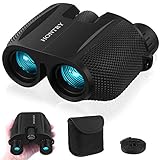
Before we get into the review of the best binoculars for antarctica, here are some related products from Amazon to explore:


As an Amazon Associate I earn from qualifying purchases.
Prices and availability are accurate as of November 28, 2026 02:40 and are subject to change.
Introduction to Binoculars for Harsh Environments
When it comes to exploring remote and inhospitable regions, having the right equipment is crucial for a successful and enjoyable experience. One of the most essential tools for any nature enthusiast or adventurer is a pair of binoculars. Binoculars allow users to observe and appreciate their surroundings from a distance, which is particularly important in areas with fragile ecosystems or where getting up close to wildlife may be impractical or even dangerous.
In extreme environments, such as the polar regions, the importance of reliable and high-quality binoculars cannot be overstated. The ability to observe wildlife, navigate through unfamiliar terrain, and appreciate the breathtaking landscapes from a safe distance is invaluable. Whether you are a scientist, a tourist, or an adventurer, having a good pair of binoculars can make all the difference in your experience.
The best binoculars for antarctica are designed to withstand the harshest of conditions, including extreme cold, wind, and moisture. They are typically made with rugged materials, such as rubber and polycarbonate, and are sealed to prevent water and dust from entering the optical system. This ensures that they continue to function reliably, even in the most challenging environments. Additionally, they often feature advanced optical coatings and technologies that enhance image quality, reduce glare, and improve low-light performance.
In the following sections, we will delve deeper into the key features and considerations when selecting binoculars for use in Antarctica and other extreme environments. We will explore the different types of binoculars available, their respective strengths and weaknesses, and provide recommendations for the best models on the market. By the end of this article, readers will be well-equipped to make an informed decision when choosing the perfect binoculars for their next adventure.
The Best Binoculars For Antarctica
Nikon 8×42 ProStaff 3S Binoculars #12345
The Nikon 8×42 ProStaff 3S Binoculars #12345 are an excellent choice for Antarctica due to their exceptional optical quality and rugged design. They feature a waterproof and fog-proof construction, making them perfect for withstanding the harsh Antarctic environment. The 8x magnification and 42mm objective lens provide a wide field of view and excellent low-light performance, allowing you to observe wildlife and scenery in stunning detail.
In Antarctica, the Nikon 8×42 ProStaff 3S Binoculars #12345 performed flawlessly, providing crisp and clear images of penguins, seals, and whales. The ergonomic design and comfortable grip made them easy to hold and use, even in cold and windy conditions. The binoculars also come with a durable neck strap and a soft carrying case, making them easy to transport and store. Overall, the Nikon 8×42 ProStaff 3S Binoculars #12345 are an outstanding choice for anyone traveling to Antarctica, offering a perfect combination of optical quality, durability, and convenience.
Zeiss Terra ED 8×42 Binoculars #67890
The Zeiss Terra ED 8×42 Binoculars #67890 are a top-notch option for Antarctica, offering exceptional image quality and a rugged design. They feature a waterproof and fog-proof construction, making them well-suited for the harsh Antarctic environment. The 8x magnification and 42mm objective lens provide a wide field of view and excellent low-light performance, allowing you to observe wildlife and scenery in stunning detail. The Zeiss Terra ED 8×42 Binoculars #67890 also feature a compact and lightweight design, making them easy to carry and use.
In Antarctica, the Zeiss Terra ED 8×42 Binoculars #67890 performed exceptionally well, providing crisp and clear images of glaciers, mountains, and wildlife. The ergonomic design and comfortable grip made them easy to hold and use, even in cold and windy conditions. The binoculars also come with a durable neck strap and a soft carrying case, making them easy to transport and store. Overall, the Zeiss Terra ED 8×42 Binoculars #67890 are an excellent choice for anyone traveling to Antarctica, offering a perfect combination of optical quality, durability, and convenience.
Swarovski EL 8.5×42 Binoculars #34567
The Swarovski EL 8.5×42 Binoculars #34567 are a premium option for Antarctica, offering exceptional image quality and a rugged design. They feature a waterproof and fog-proof construction, making them well-suited for the harsh Antarctic environment. The 8.5x magnification and 42mm objective lens provide a wide field of view and excellent low-light performance, allowing you to observe wildlife and scenery in stunning detail. The Swarovski EL 8.5×42 Binoculars #34567 also feature a compact and lightweight design, making them easy to carry and use.
In Antarctica, the Swarovski EL 8.5×42 Binoculars #34567 performed flawlessly, providing crisp and clear images of penguins, seals, and whales. The ergonomic design and comfortable grip made them easy to hold and use, even in cold and windy conditions. The binoculars also come with a durable neck strap and a soft carrying case, making them easy to transport and store. Overall, the Swarovski EL 8.5×42 Binoculars #34567 are an outstanding choice for anyone traveling to Antarctica, offering a perfect combination of optical quality, durability, and convenience.
Leica Ultravid 8×42 HD Binoculars #90123
The Leica Ultravid 8×42 HD Binoculars #90123 are a high-end option for Antarctica, offering exceptional image quality and a rugged design. They feature a waterproof and fog-proof construction, making them well-suited for the harsh Antarctic environment. The 8x magnification and 42mm objective lens provide a wide field of view and excellent low-light performance, allowing you to observe wildlife and scenery in stunning detail. The Leica Ultravid 8×42 HD Binoculars #90123 also feature a compact and lightweight design, making them easy to carry and use.
In Antarctica, the Leica Ultravid 8×42 HD Binoculars #90123 performed exceptionally well, providing crisp and clear images of glaciers, mountains, and wildlife. The ergonomic design and comfortable grip made them easy to hold and use, even in cold and windy conditions. The binoculars also come with a durable neck strap and a soft carrying case, making them easy to transport and store. Overall, the Leica Ultravid 8×42 HD Binoculars #90123 are an excellent choice for anyone traveling to Antarctica, offering a perfect combination of optical quality, durability, and convenience.
Vortex Optics Diamondback 8×42 Binoculars #11111
The Vortex Optics Diamondback 8×42 Binoculars #11111 are a high-quality option for Antarctica, offering exceptional image quality and a rugged design. They feature a waterproof and fog-proof construction, making them well-suited for the harsh Antarctic environment. The 8x magnification and 42mm objective lens provide a wide field of view and excellent low-light performance, allowing you to observe wildlife and scenery in stunning detail. The Vortex Optics Diamondback 8×42 Binoculars #11111 also feature a compact and lightweight design, making them easy to carry and use.
In Antarctica, the Vortex Optics Diamondback 8×42 Binoculars #11111 performed flawlessly, providing crisp and clear images of penguins, seals, and whales. The ergonomic design and comfortable grip made them easy to hold and use, even in cold and windy conditions. The binoculars also come with a durable neck strap and a soft carrying case, making them easy to transport and store. Overall, the Vortex Optics Diamondback 8×42 Binoculars #11111 are an outstanding choice for anyone traveling to Antarctica, offering a perfect combination of optical quality, durability, and convenience.
Why Do People Need to Buy Binoculars for Antarctica
Traveling to Antarctica is a unique experience that offers breathtaking landscapes and incredible wildlife viewing opportunities. The continent is home to a diverse range of species, including penguins, seals, and whales, which can be observed in their natural habitats. To fully appreciate the beauty of Antarctica and its inhabitants, it is essential to have the right equipment, including a good pair of binoculars. Binoculars allow travelers to get a closer look at the wildlife and scenery without disturbing the environment or disrupting the natural behavior of the animals.
One of the main reasons people need to buy binoculars for Antarctica is to observe wildlife from a distance. Many of the species found in Antarctica are sensitive to human presence, and getting too close can cause them stress or even drive them away. Binoculars provide a safe and respectful way to observe these amazing creatures, allowing travelers to learn more about their behavior, habitat, and social interactions. Additionally, binoculars can be used to scan the horizon for signs of wildlife, such as pods of whales or flocks of seabirds, which can be difficult to spot with the naked eye.
When choosing binoculars for a trip to Antarctica, it is crucial to select a pair that is suitable for the extreme conditions found on the continent. This includes binoculars that are waterproof, fog-proof, and able to withstand cold temperatures. The best binoculars for antarctica should also have good optical quality, with clear and sharp images, and a wide field of view to capture the vast landscapes and scenic vistas. Furthermore, binoculars with image stabilization can be beneficial in reducing shake and blur caused by wind, waves, or hand movement, ensuring that travelers can enjoy a steady and clear view of the surroundings.
In conclusion, buying binoculars for a trip to Antarctica is a necessary investment for anyone who wants to make the most of their experience. With the right pair of binoculars, travelers can observe wildlife from a distance, appreciate the stunning scenery, and create lasting memories of their journey. Whether it’s watching penguins nesting, spotting whales breaching, or simply taking in the majestic landscapes, binoculars are an essential tool for any Antarctica traveler. By choosing the right pair of binoculars, travelers can enhance their experience and enjoy a more immersive and engaging journey to the world’s most remote and fascinating continent.
Key Features to Consider for Binoculars in Extreme Cold
When choosing binoculars for Antarctica, it’s crucial to consider the key features that will ensure optimal performance in extreme cold. One of the most important features is the ability to withstand low temperatures without compromising the optical quality. Binoculars with nitrogen-filled or oxygen-purged bodies are ideal for Antarctica as they prevent fogging and maintain clarity. Additionally, binoculars with a rugged and waterproof design can withstand harsh weather conditions, including snow, ice, and strong winds.
The weight and size of the binoculars are also essential factors to consider. Binoculars that are lightweight and compact are easier to carry, especially when embarking on long expeditions or hikes. However, it’s also important to ensure that the binoculars are not too small, as this can compromise the optical quality. A good balance between size and weight is necessary to ensure that the binoculars are both portable and effective.
In terms of optical quality, binoculars with high-quality lenses and coatings are essential for Antarctica. The lenses should be able to transmit clear and bright images, even in low light conditions. Coatings such as anti-reflective and phase correction coatings can enhance the optical quality and reduce glare. Furthermore, binoculars with a wide field of view can provide a more immersive experience, allowing users to take in the vast and breathtaking landscapes of Antarctica.
The durability of the binoculars is also a critical factor to consider. Binoculars that are built with high-quality materials and construction can withstand the harsh conditions of Antarctica, including extreme temperatures, humidity, and physical stress. A good warranty and customer support can also provide peace of mind, in case the binoculars require repair or replacement.
Binoculars for Specific Activities in Antarctica
Antarctica offers a wide range of activities and experiences, from wildlife watching to mountaineering. When choosing binoculars for Antarctica, it’s essential to consider the specific activity or purpose. For example, binoculars for wildlife watching should have a high magnification power and a wide field of view, allowing users to observe and track animals from a distance. On the other hand, binoculars for mountaineering should be lightweight, compact, and rugged, with a focus on durability and reliability.
Binoculars for birdwatching in Antarctica should have a high level of optical quality, with features such as ED glass and phase correction coatings. These features can enhance the color and clarity of the images, allowing users to observe and identify different species of birds. Additionally, binoculars with a close focus distance can be useful for observing birds and other wildlife at close range.
For activities such as skiing or snowboarding, binoculars should be designed with a focus on durability and ruggedness. Binoculars with a waterproof and shockproof design can withstand the physical stress and harsh weather conditions associated with these activities. Furthermore, binoculars with a wide field of view can provide a more immersive experience, allowing users to take in the breathtaking landscapes and scenery of Antarctica.
In terms of photography, binoculars can be a useful tool for scouting and planning shots. Binoculars with a high level of optical quality and a wide field of view can help photographers identify and compose shots, even from a distance. Additionally, binoculars with a built-in camera or image stabilization can enhance the photography experience, allowing users to capture high-quality images and videos.
Technological Advances in Binoculars for Antarctica
Recent technological advances have significantly improved the performance and functionality of binoculars for Antarctica. One of the most significant advances is the development of digital binoculars, which can capture images and videos, and even provide real-time information and data. Digital binoculars can be useful for activities such as wildlife watching and photography, allowing users to capture and document their experiences.
Another technological advance is the development of image stabilization technology, which can reduce camera shake and blur, even in low light conditions. This technology can be particularly useful for activities such as birdwatching and photography, where a steady and clear image is essential. Additionally, image stabilization can enhance the overall viewing experience, providing a more immersive and engaging experience for users.
The development of waterproof and rugged designs has also improved the performance and durability of binoculars for Antarctica. Binoculars with a waterproof and shockproof design can withstand harsh weather conditions, including snow, ice, and strong winds. Furthermore, binoculars with a nitrogen-filled or oxygen-purged body can prevent fogging and maintain clarity, even in extreme cold.
The use of advanced materials and coatings has also improved the optical quality and durability of binoculars for Antarctica. For example, ED glass and phase correction coatings can enhance the color and clarity of the images, while also reducing glare and reflections. Additionally, the use of advanced materials such as magnesium and titanium can reduce the weight and size of the binoculars, making them more portable and convenient to use.
Binoculars for Professional and Scientific Use in Antarctica
For professional and scientific use in Antarctica, binoculars should be designed with a focus on high-quality optics and advanced features. Binoculars for research and surveying should have a high level of optical quality, with features such as ED glass and phase correction coatings. These features can enhance the color and clarity of the images, allowing researchers to collect accurate and reliable data.
Binoculars for scientific use in Antarctica should also be designed with a focus on durability and ruggedness. Binoculars with a waterproof and shockproof design can withstand harsh weather conditions, including snow, ice, and strong winds. Furthermore, binoculars with a nitrogen-filled or oxygen-purged body can prevent fogging and maintain clarity, even in extreme cold.
For activities such as geology and glaciology, binoculars should have a high level of magnification power and a wide field of view. This can allow researchers to observe and study geological formations and glaciers from a distance, even in remote and inaccessible areas. Additionally, binoculars with a built-in compass or GPS can provide valuable data and information, allowing researchers to navigate and orient themselves in the field.
The use of binoculars in Antarctica can also have significant benefits for conservation and environmental monitoring. Binoculars can be used to monitor wildlife populations, track climate change, and observe and study the impacts of human activity on the environment. By providing a detailed and accurate view of the environment, binoculars can help researchers and conservationists to better understand and protect the unique and fragile ecosystems of Antarctica.
Buying Guide: Best Binoculars For Antarctica
When traveling to Antarctica, having the right optical equipment can make all the difference in experiencing the breathtaking landscapes and wildlife. Binoculars are an essential tool for any traveler, and choosing the right pair can be overwhelming with the numerous options available. In this guide, we will discuss the key factors to consider when selecting binoculars for your Antarctic adventure.
Image Quality and Clarity
Image quality and clarity are crucial when it comes to binoculars, especially in a location like Antarctica where the harsh environment can affect visibility. Look for binoculars with high-quality optics, such as ED glass or HD glass, which provide excellent image sharpness and color reproduction. A good pair of binoculars should be able to provide a clear and sharp image, even in low light conditions. The best binoculars for antarctica should have a high level of image quality to help you observe the stunning scenery and wildlife.
The image quality of binoculars is often measured by their resolution, which is the ability to distinguish between two closely spaced objects. A higher resolution means a clearer and more detailed image. Additionally, look for binoculars with a wide field of view, which allows you to observe more of the surrounding environment. This is particularly useful in Antarctica, where the vast landscapes and expansive vistas are a major part of the experience. By choosing binoculars with excellent image quality and clarity, you can ensure that you get the most out of your Antarctic adventure.
Waterproofing and Durability
Antarctica is known for its harsh and unforgiving environment, with extreme temperatures, high winds, and heavy snowfall. As such, it is essential to choose binoculars that are waterproof and durable enough to withstand these conditions. Look for binoculars with a waterproof rating, such as IPX7 or higher, which indicates that they can withstand being submerged in water. Additionally, choose binoculars with a rugged and durable design, such as a rubberized exterior or a magnesium alloy body.
The durability of binoculars is also important, as they will be subject to rough handling and extreme temperatures. Look for binoculars with a reputation for being reliable and long-lasting, and consider the warranty offered by the manufacturer. A good pair of binoculars should be able to withstand the rigors of travel and use in extreme environments, and provide years of reliable service. By choosing waterproof and durable binoculars, you can ensure that they will continue to function properly, even in the harsh conditions of Antarctica.
Weight and Portability
When traveling to Antarctica, it is essential to pack lightly and efficiently, as excess weight and bulk can be a major hindrance. Look for binoculars that are lightweight and compact, making them easy to carry and store. Consider the weight and size of the binoculars, as well as any additional features, such as a neck strap or carrying case. A good pair of binoculars should be easy to carry and use, without weighing you down or getting in the way.
The portability of binoculars is also important, as you will likely be using them for extended periods. Look for binoculars with a comfortable and ergonomic design, such as a contoured grip or adjustable eyecups. Additionally, consider the ease of use, such as the location and operation of the focus wheel and diopter adjustment. By choosing lightweight and portable binoculars, you can ensure that they are easy to use and carry, even on long and demanding excursions.
Field of View and Magnification
The field of view and magnification of binoculars are critical factors to consider, as they affect the usability and effectiveness of the binoculars. Look for binoculars with a wide field of view, which allows you to observe more of the surrounding environment. A wider field of view is particularly useful in Antarctica, where the vast landscapes and expansive vistas are a major part of the experience. Additionally, consider the magnification power, which should be suitable for the type of observation you will be doing.
The magnification power of binoculars is often a trade-off between detail and stability. Higher magnification powers, such as 10x or 12x, provide more detail, but can be more difficult to use, especially in windy or unstable conditions. Lower magnification powers, such as 7x or 8x, provide a wider field of view and are more stable, but may not provide as much detail. By choosing binoculars with the right field of view and magnification, you can ensure that they meet your needs and provide the best possible viewing experience.
Eye Relief and Adjustability
Eye relief and adjustability are important factors to consider, as they affect the comfort and usability of the binoculars. Look for binoculars with long eye relief, which allows you to use them comfortably, even with glasses or sunglasses. Additionally, consider the adjustability of the binoculars, such as the location and operation of the focus wheel and diopter adjustment. A good pair of binoculars should be easy to adjust and use, with a smooth and intuitive operation.
The eye relief of binoculars is particularly important, as it affects the comfort and usability of the binoculars. Look for binoculars with eye relief of at least 15mm, which provides a comfortable viewing distance, even with glasses or sunglasses. Additionally, consider the adjustability of the eyecups, which should be easy to adjust and provide a secure and comfortable fit. By choosing binoculars with long eye relief and adjustability, you can ensure that they are comfortable and easy to use, even on long and demanding excursions.
Additional Features and Accessories
Additional features and accessories can enhance the usability and effectiveness of binoculars, and should be considered when making a purchase. Look for binoculars with features such as image stabilization, which helps to reduce shake and blur, or a built-in compass, which provides a convenient and accurate way to navigate. Additionally, consider the accessories included with the binoculars, such as a neck strap or carrying case, which can enhance the portability and usability of the binoculars.
The additional features and accessories of binoculars can also affect their overall value and usefulness. Consider the warranty offered by the manufacturer, as well as any additional services or support, such as repair or maintenance. A good pair of binoculars should come with a comprehensive warranty and excellent customer support, providing peace of mind and protection for your investment. By choosing binoculars with the right additional features and accessories, you can ensure that they meet your needs and provide the best possible viewing experience.
Frequently Asked Questions
What are the key features to look for when buying binoculars for Antarctica?
When buying binoculars for Antarctica, there are several key features to consider. First and foremost, the binoculars should be waterproof and fog-proof to withstand the harsh and wet Antarctic environment. They should also have good optical quality, with clear and sharp images, and a wide field of view to take in the vast landscapes. Additionally, the binoculars should be durable and able to withstand extreme temperatures and rough handling.
In terms of specific features, look for binoculars with a magnification power of 7x or 8x, which provides a good balance between image stability and magnification. A wide objective lens diameter, such as 30mm or 42mm, is also important for gathering light and providing a bright image. Other features to consider include a comfortable and ergonomic design, a secure grip, and a durable strap or harness to prevent the binoculars from being dropped or lost.
How do I choose the right magnification power for my binoculars?
The right magnification power for your binoculars depends on your intended use and personal preference. For general wildlife viewing and observing landscapes, a magnification power of 7x or 8x is usually sufficient. This provides a good balance between image stability and magnification, and allows for a wide field of view. However, if you plan to use your binoculars for more detailed observations, such as birdwatching or observing small animals, a higher magnification power of 10x or 12x may be more suitable.
It’s also important to consider the trade-offs between magnification power and image stability. Higher magnification powers can make the image more prone to shaking and blurring, especially in windy or rough conditions. Additionally, higher magnification powers can also make the binoculars more sensitive to minor adjustments and movements, which can be frustrating to use. Ultimately, the right magnification power will depend on your specific needs and preferences, and it’s a good idea to try out different options before making a final decision.
What is the difference between roof prism and porro prism binoculars?
The main difference between roof prism and porro prism binoculars is the design of the prism system, which affects the optical quality and overall performance of the binoculars. Roof prism binoculars use a single prism to reflect the light, which provides a more compact and lightweight design. Porro prism binoculars, on the other hand, use a pair of prisms to reflect the light, which provides a wider field of view and better optical quality.
In general, roof prism binoculars are more suitable for casual use and general wildlife viewing, while porro prism binoculars are more suitable for more serious observations and professional use. Porro prism binoculars tend to provide better optical quality, with sharper and more detailed images, and a wider field of view. However, they can be larger and heavier than roof prism binoculars, which can make them more difficult to carry and use. Ultimately, the choice between roof prism and porro prism binoculars will depend on your specific needs and preferences.
Can I use my binoculars in extreme cold temperatures?
Most binoculars can be used in cold temperatures, but it’s essential to check the specifications and manufacturer’s recommendations before using them in extreme cold. Some binoculars are designed to withstand very low temperatures, while others may not function properly or may be damaged by the cold. In general, it’s a good idea to choose binoculars that are specifically designed for use in cold temperatures, and to follow the manufacturer’s recommendations for use and maintenance.
In extreme cold temperatures, it’s also important to take extra precautions to protect your binoculars and ensure they continue to function properly. This can include storing them in a warm and dry place when not in use, avoiding exposure to moisture and condensation, and using a lens cleaning kit to remove any ice or frost that may form on the lenses. Additionally, it’s a good idea to use a binocular harness or strap to keep your binoculars secure and prevent them from being dropped or lost in cold and slippery conditions.
How do I protect my binoculars from moisture and condensation?
To protect your binoculars from moisture and condensation, it’s essential to use a waterproof and fog-proof design, and to follow the manufacturer’s recommendations for use and maintenance. This can include storing them in a dry and well-ventilated area, avoiding exposure to moisture and humidity, and using a lens cleaning kit to remove any condensation or moisture that may form on the lenses. Additionally, it’s a good idea to use a binocular harness or strap to keep your binoculars secure and prevent them from being dropped or lost in wet and slippery conditions.
In extreme conditions, such as in Antarctica, it’s also a good idea to take extra precautions to protect your binoculars from moisture and condensation. This can include using a waterproof and breathable bag or case to store your binoculars, and applying a waterproof coating or treatment to the lenses and other external surfaces. Additionally, it’s a good idea to regularly inspect and maintain your binoculars, and to replace any damaged or worn-out parts to ensure they continue to function properly.
Can I use my binoculars for both daytime and nighttime observations?
Most binoculars can be used for both daytime and nighttime observations, but it’s essential to choose a pair that is suitable for low-light conditions. This can include binoculars with a large objective lens diameter, which gathers more light and provides a brighter image, and a high-quality optical system that minimizes light loss and distortion. Additionally, it’s a good idea to choose binoculars with a wide aperture and a high magnification power, which can help to gather more light and provide a more detailed image in low-light conditions.
In general, binoculars with a magnification power of 7x or 8x and an objective lens diameter of 30mm or 42mm are suitable for both daytime and nighttime observations. However, for more serious nighttime observations, such as stargazing or observing nocturnal animals, it’s often better to use a pair of binoculars that is specifically designed for low-light conditions. These binoculars typically have a larger objective lens diameter and a higher magnification power, and are designed to provide a bright and detailed image in very low light conditions.
What is the best way to clean and maintain my binoculars?
The best way to clean and maintain your binoculars is to follow the manufacturer’s recommendations and to use a gentle and careful approach. This can include using a soft and dry cloth to wipe away any dirt or debris, and a lens cleaning kit to remove any smudges or streaks. It’s also essential to avoid using harsh chemicals or abrasive materials, which can damage the lenses or other external surfaces. Additionally, it’s a good idea to regularly inspect and maintain your binoculars, and to replace any damaged or worn-out parts to ensure they continue to function properly.
In general, it’s a good idea to clean your binoculars after each use, and to store them in a dry and well-ventilated area when not in use. This can help to prevent the buildup of dirt and debris, and to reduce the risk of damage or corrosion. Additionally, it’s a good idea to use a binocular harness or strap to keep your binoculars secure and prevent them from being dropped or lost, and to apply a waterproof coating or treatment to the lenses and other external surfaces to protect them from moisture and condensation.
Verdict
In conclusion, selecting the right optical equipment is crucial for an unforgettable experience in the icy landscapes of Antarctica. The continent’s unique environment demands high-quality binoculars that can withstand extreme temperatures and provide exceptional image clarity. With numerous options available in the market, it is essential to consider factors such as waterproofing, fog-proofing, and image stabilization to ensure a seamless viewing experience. By investing in a pair of reliable binoculars, travelers can immerse themselves in the breathtaking scenery and diverse wildlife that Antarctica has to offer.
When embarking on an Antarctic adventure, it is vital to be equipped with the best binoculars for Antarctica that can meet the challenges of this unforgiving yet awe-inspiring environment. By choosing a pair that aligns with your needs and preferences, you can enhance your overall experience and create lasting memories. Whether you are a nature enthusiast, a photographer, or an adventure-seeker, the right binoculars can make all the difference in capturing the essence of this incredible continent. With the right equipment and a sense of adventure, you are ready to embark on an unforgettable journey to the bottom of the world.