Capturing the beauty of the night sky has become more accessible than ever, thanks to advancements in technology. For astronomy enthusiasts, having the right equipment is crucial to taking stunning images of celestial bodies. Whether you’re a seasoned astronomer or just starting to explore the world of stargazing, investing in a high-quality camera can make all the difference. The vast array of cameras available on the market can be overwhelming, especially for those who are new to astronomy photography. This is where the search for the perfect camera begins, and finding the best digital cameras for astronomy is essential to unlocking the full potential of your stargazing experiences.
As you delve into the world of astronomy photography, you’ll discover that not all cameras are created equal. Some cameras excel at capturing the intricate details of the moon, while others are better suited for shooting distant galaxies or nebulae. With so many options available, it’s essential to consider factors such as sensor size, resolution, and manual controls when selecting a camera. In this article, we’ll guide you through the process of choosing the perfect camera for your astronomy needs, highlighting the key features to look for and showcasing some of the top models on the market. By the end of this journey, you’ll be well-equipped to take your astronomy photography to the next level and capture the breathtaking beauty of the night sky.
Before we get into the review of the best digital cameras for astronomy, here are some related products from Amazon to explore:

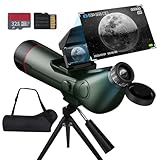
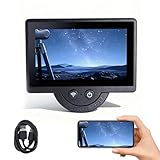


As an Amazon Associate I earn from qualifying purchases.
Prices and availability are accurate as of October 22, 2026 06:07 and are subject to change.
Digital Cameras For Astronomy Overview
Digital cameras have become an essential tool for astronomy enthusiasts and professionals alike. With the advancement of technology, digital cameras have made it possible to capture high-quality images of celestial objects, allowing for a deeper understanding and appreciation of the universe. From planets and stars to galaxies and nebulas, digital cameras have opened up new possibilities for astronomical observation and research.
The use of digital cameras in astronomy has revolutionized the way we study the universe. With the ability to capture images and videos of celestial objects, astronomers can now analyze and study these objects in greater detail than ever before. Digital cameras have also made it possible for amateur astronomers to contribute to the field, allowing them to capture images and data that can be used by professionals in their research.
When it comes to choosing a digital camera for astronomy, there are several factors to consider. The camera’s sensor size, resolution, and sensitivity are all important factors to consider, as they will affect the quality of the images captured. Additionally, the camera’s ability to handle low light conditions and its compatibility with telescopes and other astronomical equipment are also important considerations. By choosing the right digital camera, astronomers can ensure that they are able to capture the best possible images of the universe.
For those looking to get started in astronomical photography, finding the best digital cameras for astronomy is crucial. With so many options available on the market, it can be difficult to know where to start. By doing research and reading reviews, astronomers can find the perfect camera to suit their needs and budget. Whether you’re a seasoned astronomer or just starting out, the right digital camera can make all the difference in capturing stunning images of the universe.
5 Best Digital Cameras For Astronomy
The
Canon EOS 80D-1842
is a powerful digital camera that has become a favorite among astronomers due to its exceptional image quality and ease of use. It features a 24.2-megapixel APS-C CMOS sensor, which provides excellent sensitivity and low noise, making it perfect for capturing stunning images of the night sky. The camera also boasts a wide range of ISO settings, from 100 to 16000, allowing for flexibility in different lighting conditions.
In terms of performance, the
Canon EOS 80D-1842
delivers impressive results, with fast and accurate autofocus, and a continuous shooting mode that can capture up to 7 frames per second. The camera’s weather-sealing and ergonomic design make it comfortable to use in the field, even for extended periods. Additionally, the
Canon EOS 80D-1842
has a vari-angle touchscreen LCD, which allows for easy composition and review of images, making it an ideal choice for astronomers who want a reliable and high-quality camera for their astrophotography needs.
The
Nikon D850-1051
is a top-of-the-line digital camera that offers exceptional image quality and advanced features, making it a popular choice among astronomers. It features a 45.7-megapixel full-frame CMOS sensor, which provides unparalleled resolution and detail, allowing for stunning images of the night sky. The camera also boasts a wide range of ISO settings, from 64 to 25600, and a fast and accurate autofocus system, making it perfect for capturing images of celestial objects.
In terms of performance, the
Nikon D850-1051
delivers outstanding results, with a continuous shooting mode that can capture up to 9 frames per second, and a weather-sealed design that makes it durable and reliable in the field. The camera’s large and high-resolution LCD screen allows for easy composition and review of images, and its advanced features, such as focus stacking and time-lapse photography, make it an ideal choice for astronomers who want a high-end camera for their astrophotography needs. Additionally, the
Nikon D850-1051
has a wide range of compatible lenses and accessories, making it a versatile and powerful tool for astronomy.
The
Sony Alpha a7R III-2198
is a high-end digital camera that offers exceptional image quality and advanced features, making it a popular choice among astronomers. It features a 42.4-megapixel full-frame CMOS sensor, which provides excellent resolution and detail, allowing for stunning images of the night sky. The camera also boasts a wide range of ISO settings, from 100 to 32000, and a fast and accurate autofocus system, making it perfect for capturing images of celestial objects.
In terms of performance, the
Sony Alpha a7R III-2198
delivers impressive results, with a continuous shooting mode that can capture up to 10 frames per second, and a weather-sealed design that makes it durable and reliable in the field. The camera’s high-resolution LCD screen and electronic viewfinder allow for easy composition and review of images, and its advanced features, such as focus stacking and time-lapse photography, make it an ideal choice for astronomers who want a high-end camera for their astrophotography needs. Additionally, the
Sony Alpha a7R III-2198
has a wide range of compatible lenses and accessories, making it a versatile and powerful tool for astronomy.
The
Fujifilm X-T3-3821
is a high-end digital camera that offers exceptional image quality and advanced features, making it a popular choice among astronomers. It features a 26.1-megapixel APS-C CMOS sensor, which provides excellent sensitivity and low noise, making it perfect for capturing stunning images of the night sky. The camera also boasts a wide range of ISO settings, from 160 to 51200, and a fast and accurate autofocus system, making it perfect for capturing images of celestial objects.
In terms of performance, the
Fujifilm X-T3-3821
delivers impressive results, with a continuous shooting mode that can capture up to 11 frames per second, and a weather-sealed design that makes it durable and reliable in the field. The camera’s high-resolution LCD screen and electronic viewfinder allow for easy composition and review of images, and its advanced features, such as focus stacking and time-lapse photography, make it an ideal choice for astronomers who want a high-end camera for their astrophotography needs. Additionally, the
Fujifilm X-T3-3821
has a wide range of compatible lenses and accessories, making it a versatile and powerful tool for astronomy.
The
Pentax K-1 Mark II-4673
is a high-end digital camera that offers exceptional image quality and advanced features, making it a popular choice among astronomers. It features a 36.4-megapixel full-frame CMOS sensor, which provides excellent resolution and detail, allowing for stunning images of the night sky. The camera also boasts a wide range of ISO settings, from 100 to 819200, and a fast and accurate autofocus system, making it perfect for capturing images of celestial objects.
In terms of performance, the
Pentax K-1 Mark II-4673
delivers outstanding results, with a continuous shooting mode that can capture up to 4.4 frames per second, and a weather-sealed design that makes it durable and reliable in the field. The camera’s high-resolution LCD screen and optical viewfinder allow for easy composition and review of images, and its advanced features, such as focus stacking and time-lapse photography, make it an ideal choice for astronomers who want a high-end camera for their astrophotography needs. Additionally, the
Pentax K-1 Mark II-4673
has a wide range of compatible lenses and accessories, making it a versatile and powerful tool for astronomy.
Importance of Digital Cameras in Astronomy
Astronomy has become a popular hobby among many individuals, and with the advancement in technology, it has become easier for people to explore the night sky. One of the essential tools for astronomy is a digital camera, which allows individuals to capture high-quality images of celestial objects. These cameras have revolutionized the field of astronomy, enabling people to observe and record the beauty of the universe.
Digital cameras have made it possible for astronomers to study the details of celestial objects, such as stars, planets, and galaxies. With the help of these cameras, astronomers can capture images of objects that are not visible to the naked eye, allowing them to gain a deeper understanding of the universe. Moreover, digital cameras have also enabled astronomers to record events such as solar eclipses, planetary alignments, and meteor showers, which can provide valuable insights into the workings of the universe.
For individuals who are interested in astronomy, buying a digital camera specifically designed for this purpose is essential. The best digital cameras for astronomy are equipped with specialized features such as high-sensitivity sensors, fast lenses, and advanced image processing software, which allow them to capture high-quality images of celestial objects. These cameras are designed to work in low-light conditions, making them ideal for capturing images of the night sky.
In addition to capturing images, digital cameras can also be used to record videos of celestial events, allowing astronomers to study the motion of objects in the universe. With the help of digital cameras, astronomers can also create time-lapses of celestial events, which can provide valuable insights into the behavior of celestial objects. Overall, digital cameras have become an essential tool for astronomers, enabling them to explore and understand the universe in greater detail.
Key Features to Consider When Buying a Digital Camera for Astronomy
When it comes to buying a digital camera for astronomy, there are several key features to consider. One of the most important features is the camera’s sensor size, as a larger sensor will allow for better image quality and more detailed photos. Additionally, the camera’s resolution is also crucial, as a higher resolution will allow for more detailed images of celestial objects. Another important feature to consider is the camera’s lens quality, as a high-quality lens will allow for sharper and more detailed images.
The camera’s ISO range is also an important feature to consider, as a wider ISO range will allow for better low-light performance and more flexibility when taking photos in different lighting conditions. Furthermore, the camera’s autofocus system is also important, as a fast and accurate autofocus system will allow for sharper images and less blur. Some digital cameras for astronomy also come with features such as image stabilization, which can help to reduce camera shake and blur.
In addition to these features, the camera’s connectivity options are also important to consider. Many digital cameras for astronomy come with features such as Wi-Fi and USB connectivity, which allow for easy transfer of photos to a computer or other device. Some cameras also come with features such as GPS and compass, which can help to make it easier to track and locate celestial objects. Overall, considering these key features can help to ensure that you find the best digital camera for your astronomy needs.
When evaluating these features, it’s also important to consider your budget and what you are willing to spend on a digital camera for astronomy. By considering these factors and doing your research, you can find the best digital camera for your needs and take high-quality photos of celestial objects. Whether you are a beginner or an experienced astronomer, there is a digital camera out there that can meet your needs and help you to capture stunning images of the night sky.
Types of Digital Cameras for Astronomy
There are several types of digital cameras that can be used for astronomy, each with its own unique features and advantages. One of the most common types of digital cameras for astronomy is the DSLR camera, which offers high image quality and manual controls. DSLR cameras are popular among astronomers because they offer a wide range of lenses and accessories, and can be used for a variety of astronomical applications.
Another type of digital camera for astronomy is the mirrorless camera, which is similar to a DSLR camera but does not have a mirror and prism system. Mirrorless cameras are smaller and lighter than DSLR cameras, and offer faster autofocus and more video capabilities. They are also popular among astronomers because they offer high image quality and are often more affordable than DSLR cameras.
Point-and-shoot cameras are also an option for astronomy, although they are not as popular as DSLR and mirrorless cameras. Point-and-shoot cameras are smaller and more portable than DSLR and mirrorless cameras, and are often more affordable. However, they typically have smaller sensors and less manual control, which can limit their image quality and flexibility. Despite this, point-and-shoot cameras can still be used for astronomy, especially for casual observers who want to take photos of the moon and planets.
Specialized cameras for astronomy, such as CCD cameras and CMOS cameras, are also available. These cameras are designed specifically for astronomical imaging and offer high sensitivity and low noise. They are often more expensive than DSLR and mirrorless cameras, but offer superior image quality and are popular among experienced astronomers. By considering the different types of digital cameras for astronomy, you can find the best camera for your needs and take high-quality photos of celestial objects.
How to Use a Digital Camera for Astronomy
Using a digital camera for astronomy requires some knowledge and technique, but can be a rewarding and enjoyable experience. One of the most important things to consider when using a digital camera for astronomy is the camera’s settings and configuration. The camera’s ISO, aperture, and shutter speed should be adjusted to optimize image quality and minimize noise. Additionally, the camera’s white balance and focus should be set to ensure accurate colors and sharp images.
Another important consideration when using a digital camera for astronomy is the camera’s mounting and stabilization. A tripod or other mounting system can help to stabilize the camera and reduce blur and camera shake. Additionally, a remote shutter release or timer can help to minimize camera shake and ensure sharp images. Some digital cameras for astronomy also come with features such as image stabilization, which can help to reduce camera shake and blur.
In addition to these considerations, the camera’s positioning and orientation are also important. The camera should be positioned to optimize the view of the celestial object, and the camera’s orientation should be adjusted to ensure that the object is centered in the frame. Some digital cameras for astronomy also come with features such as GPS and compass, which can help to make it easier to track and locate celestial objects. By considering these factors and practicing your technique, you can take high-quality photos of celestial objects using a digital camera.
When taking photos of celestial objects, it’s also important to consider the object’s brightness and contrast. The camera’s exposure settings should be adjusted to optimize the image quality and minimize overexposure or underexposure. Additionally, the camera’s noise reduction and image processing settings should be adjusted to minimize noise and optimize image quality. By following these tips and techniques, you can take stunning photos of celestial objects using a digital camera.
Tips and Tricks for Taking Better Astro-Photos with a Digital Camera
Taking better astro-photos with a digital camera requires some knowledge and technique, but can be a rewarding and enjoyable experience. One of the most important tips for taking better astro-photos is to use a tripod or other mounting system to stabilize the camera. This can help to reduce camera shake and blur, and ensure sharper images. Additionally, using a remote shutter release or timer can help to minimize camera shake and ensure sharp images.
Another important tip for taking better astro-photos is to use the camera’s manual focus and exposure settings. The camera’s autofocus system can be unreliable in low-light conditions, and the camera’s automatic exposure settings can result in overexposure or underexposure. By using the camera’s manual focus and exposure settings, you can optimize the image quality and ensure that the celestial object is properly exposed. Some digital cameras for astronomy also come with features such as live view and focus peaking, which can help to make it easier to focus and compose the image.
In addition to these tips, using the camera’s noise reduction and image processing settings can help to minimize noise and optimize image quality. The camera’s noise reduction settings can help to reduce the visibility of noise and grain, while the camera’s image processing settings can help to optimize the image’s contrast and color balance. By using these settings and techniques, you can take high-quality photos of celestial objects using a digital camera. Whether you are a beginner or an experienced astronomer, there are many tips and tricks that can help you to take better astro-photos with a digital camera.
When editing and processing astro-photos, it’s also important to consider the image’s brightness and contrast. The image’s brightness and contrast can be adjusted to optimize the image quality and minimize overexposure or underexposure. Additionally, the image’s noise and grain can be reduced using noise reduction software and techniques. By following these tips and techniques, you can take stunning photos of celestial objects using a digital camera and optimize the image quality for sharing and display.
Buying Guide for Digital Cameras in Astronomy
When it comes to capturing the beauty of the night sky, a good digital camera can make all the difference. With so many options available on the market, it can be overwhelming to choose the right one for astronomy. In this guide, we will discuss the key factors to consider when buying a digital camera for astronomy, helping you make an informed decision and find the best digital cameras for astronomy that suits your needs.
Image Sensor Size and Type
The image sensor is the heart of any digital camera, and its size and type play a crucial role in determining the camera’s performance in low-light conditions. A larger image sensor can capture more light and produce better image quality, making it ideal for astronomy. There are two main types of image sensors: CCD (Charge-Coupled Device) and CMOS (Complementary Metal-Oxide-Semiconductor). While both types have their advantages and disadvantages, CMOS sensors are generally more popular due to their lower power consumption and faster readout speeds.
The size of the image sensor is also an important factor to consider. A full-frame sensor is the largest and most desirable, but it is also the most expensive. Crop sensors, on the other hand, are smaller and more affordable, but they can still produce excellent image quality. When choosing a digital camera for astronomy, look for a model with a large image sensor, preferably a full-frame or a high-quality crop sensor. This will ensure that you can capture high-quality images of the night sky, even in low-light conditions.
Megapixel Count and Resolution
The megapixel count and resolution of a digital camera are often misunderstood as the most important factors in determining image quality. While a high megapixel count can be beneficial, it is not the only factor to consider. In fact, a high megapixel count can sometimes be a disadvantage, as it can lead to increased noise and decreased low-light performance. For astronomy, a moderate megapixel count of around 10-20 megapixels is often sufficient, as it provides a good balance between image quality and low-light performance.
The resolution of the camera is also important, as it determines the level of detail that can be captured. A higher resolution can be beneficial for capturing detailed images of the moon, planets, and other celestial objects. However, it is also important to consider the camera’s pixel size, as smaller pixels can lead to increased noise and decreased low-light performance. When choosing a digital camera for astronomy, look for a model with a moderate megapixel count and a high resolution, but also consider the pixel size and other factors such as image sensor size and type.
ISO Range and Noise Performance
The ISO range and noise performance of a digital camera are critical factors in determining its low-light performance. A camera with a wide ISO range and good noise performance can capture high-quality images in low-light conditions, making it ideal for astronomy. Look for a camera with an ISO range of at least 100-6400, and preferably higher. Also, check the camera’s noise performance at high ISOs, as some cameras can produce excessive noise that can degrade image quality.
The ISO range and noise performance are closely related to the image sensor size and type. A larger image sensor with a high-quality CMOS sensor can produce better noise performance and a wider ISO range. Additionally, some cameras may have features such as noise reduction or image stabilization that can help improve low-light performance. When choosing a digital camera for astronomy, look for a model with a wide ISO range and good noise performance, and consider the image sensor size and type, as well as any additional features that can improve low-light performance.
Camera Lens and Focal Length
The camera lens and focal length are important factors to consider when buying a digital camera for astronomy. A good camera lens can make a big difference in image quality, and the focal length determines the angle of view and the level of detail that can be captured. For astronomy, a lens with a wide aperture (such as f/2.8 or wider) and a long focal length (such as 200mm or longer) is often desirable, as it can capture more light and produce a narrower angle of view.
The camera lens and focal length are also closely related to the camera’s image sensor size and type. A larger image sensor can benefit from a wider aperture and a longer focal length, as it can capture more light and produce better image quality. Additionally, some cameras may have features such as image stabilization or lens correction that can help improve image quality. When choosing a digital camera for astronomy, look for a model with a good camera lens and a suitable focal length, and consider the image sensor size and type, as well as any additional features that can improve image quality.
Camera Body and Build Quality
The camera body and build quality are important factors to consider when buying a digital camera for astronomy. A sturdy and weather-sealed camera body can withstand the rigors of outdoor use and provide better protection against dust and moisture. Look for a camera with a magnesium alloy or carbon fiber body, as these materials are strong and lightweight. Additionally, consider the camera’s ergonomics and handling, as a comfortable and intuitive design can make it easier to use the camera in the field.
The camera body and build quality are also closely related to the camera’s features and functionality. A camera with a good build quality can provide better access to features such as manual focus, exposure compensation, and white balance control. Additionally, some cameras may have features such as GPS, Wi-Fi, or USB connectivity that can make it easier to use the camera in the field. When choosing a digital camera for astronomy, look for a model with a sturdy and weather-sealed body, and consider the camera’s features and functionality, as well as its ergonomics and handling.
Additional Features and Accessories
The additional features and accessories of a digital camera can make a big difference in its usability and functionality for astronomy. Look for a camera with features such as manual focus, exposure compensation, and white balance control, as these can be useful for capturing images of the night sky. Additionally, consider the camera’s video capabilities, as some cameras can capture high-quality video of celestial events such as meteor showers or planetary transits.
The additional features and accessories of a digital camera can also include external devices such as telescope adapters, remote shutters, and camera controllers. These devices can make it easier to use the camera with a telescope or other astronomy equipment, and can provide better control over the camera’s features and functionality. When choosing a digital camera for astronomy, consider the additional features and accessories that are available, and look for a model that provides the features and functionality you need to capture high-quality images of the night sky.
Frequently Asked Questions
What are the key features to look for in a digital camera for astronomy?
When shopping for a digital camera for astronomy, there are several key features to look for. First and foremost, the camera should have good low-light sensitivity, as astronomical objects are often very faint. A camera with a large sensor and a wide aperture lens is ideal, as this will allow more light to enter the camera and result in better image quality. Additionally, the camera should have manual controls, such as manual focus and exposure compensation, to allow for more precise control over the imaging process.
In addition to these features, it’s also important to consider the camera’s resolution and pixel size. A higher resolution camera with smaller pixels will be able to capture more detailed images, but may also be more prone to noise and other image artifacts. It’s also worth considering the camera’s video capabilities, as many astronomical events, such as planetary transits and solar eclipses, are best captured on video. Finally, the camera’s durability and weather resistance should also be taken into account, as astronomical imaging often takes place in cold and damp conditions.
What is the difference between a DSLR and a mirrorless camera for astronomy?
The main difference between a DSLR (Digital Single-Lens Reflex) camera and a mirrorless camera for astronomy is the way they focus light onto the sensor. A DSLR camera uses a mirror and prism system to reflect light from the lens up to the viewfinder, while a mirrorless camera uses an electronic viewfinder or LCD screen to preview the image. This difference in design gives mirrorless cameras several advantages for astronomical imaging, including faster and more accurate focusing, and the ability to use a wider range of lenses.
In terms of image quality, both DSLR and mirrorless cameras can produce excellent results for astronomical imaging. However, mirrorless cameras tend to have an advantage when it comes to video recording, as they can often record 4K video at higher frame rates and with better autofocus. Additionally, mirrorless cameras are often smaller and lighter than DSLR cameras, making them easier to transport and use in the field. Ultimately, the choice between a DSLR and a mirrorless camera for astronomy will depend on the individual’s specific needs and preferences.
How do I choose the right lens for my digital camera for astronomy?
Choosing the right lens for astronomical imaging depends on several factors, including the type of astronomical objects being imaged, the camera’s sensor size, and the desired field of view. For wide-field imaging of objects such as star clusters and nebulae, a wide-angle lens with a short focal length (e.g. 10-20mm) is often used. For planetary and lunar imaging, a longer focal length lens (e.g. 200-500mm) is often preferred, as it allows for higher magnification and more detailed images.
In addition to focal length, the lens’s aperture and optical quality should also be considered. A lens with a wide aperture (e.g. f/2.8) will allow more light to enter the camera, resulting in better image quality in low-light conditions. A lens with high-quality optics, such as a lens with ED (Extra-Low Dispersion) glass elements, will also help to reduce chromatic aberration and other image artifacts. It’s also worth considering the lens’s compatibility with the camera’s mount and any additional accessories, such as teleconverters or focal reducers, that may be needed.
Can I use a digital camera for astronomy that is not specifically designed for astrophotography?
While a digital camera specifically designed for astrophotography is ideal, it is possible to use a camera that is not specifically designed for this purpose. Many digital cameras, including those designed for general photography, can be used for astronomical imaging with some modifications and accessories. For example, a camera with manual controls and a wide aperture lens can be used for wide-field imaging of astronomical objects.
However, using a camera that is not specifically designed for astrophotography may require some compromises and workarounds. For example, the camera may not have the same level of low-light sensitivity or noise reduction as a camera specifically designed for astrophotography. Additionally, the camera’s autofocus and metering systems may not be optimized for astronomical imaging, which can result in images that are not as sharp or well-exposed as those taken with a camera specifically designed for this purpose. With some practice and patience, however, it is possible to get good results with a non-astrophotography camera.
What are the best digital cameras for astronomy for beginners?
For beginners, the best digital cameras for astronomy are those that are easy to use and offer good image quality at an affordable price. Some popular options include the Canon EOS Rebel series, the Nikon D3500, and the Sony Alpha a6400. These cameras offer a range of features, including manual controls, wide aperture lenses, and good low-light sensitivity, that make them well-suited for astronomical imaging.
In addition to these cameras, there are also several other options available that are specifically designed for astrophotography. For example, the Canon EOS 80D and the Nikon D7500 offer advanced features such as weather sealing and 4K video recording, making them well-suited for more serious astronomical imaging. For those on a budget, there are also several options available, such as the Canon EOS M50 and the Sony Alpha a6100, which offer good image quality at a lower price point.
How do I process and edit my astronomical images?
Processing and editing astronomical images can be a complex and time-consuming process, but there are several software programs available that can help. Some popular options include Adobe Photoshop and Lightroom, as well as specialized programs such as StarStax and Autostakkert. These programs offer a range of tools and features, including noise reduction, contrast adjustment, and color grading, that can help to enhance and refine astronomical images.
In addition to these software programs, there are also several online resources and tutorials available that can provide guidance and instruction on how to process and edit astronomical images. For example, websites such as YouTube and Flickr offer a wide range of tutorials and examples, while online forums and communities, such as Reddit’s r/Astrophotography, provide a platform for sharing and discussing astronomical images. With practice and patience, it is possible to produce high-quality astronomical images that showcase the beauty and wonder of the night sky.
What are some common mistakes to avoid when using a digital camera for astronomy?
One common mistake to avoid when using a digital camera for astronomy is not using a tripod or other stabilizing device. This can result in blurry or shaky images, especially when using long focal lengths or high magnification. Another mistake is not using the correct white balance or color temperature, which can result in images that are too blue or too red. Additionally, not using the correct exposure compensation or ISO setting can result in images that are too bright or too dark.
Other common mistakes to avoid include not focusing the camera correctly, which can result in images that are not sharp or well-defined. Not using a remote shutter release or timer can also result in camera shake or vibration, which can degrade image quality. Finally, not checking the camera’s settings and battery level before starting an imaging session can result in missed opportunities or lost data. By avoiding these common mistakes, it is possible to get the most out of a digital camera for astronomy and produce high-quality images of the night sky.
Conclusion
As we conclude our in-depth analysis of the top contenders in the world of astrophotography, it becomes clear that selecting the right equipment is crucial for capturing the breathtaking beauty of the night sky. The art of astronomy photography requires a deep understanding of the technical aspects of camera functionality, as well as a keen eye for detail and composition. By carefully considering factors such as sensor size, megapixel count, and lens quality, enthusiasts and professionals alike can unlock the full potential of their equipment and produce truly stunning images.
For those seeking to elevate their astronomy photography to new heights, investing in the best digital cameras for astronomy is an essential step. With the right camera by their side, photographers can effortlessly capture the intricate details of celestial bodies, from the majestic swirl of galaxies to the delicate dance of planetary alignments. Whether you’re a seasoned astronomer or just starting to explore the wonders of the cosmos, the rewards of astrophotography are undeniable, and with the right equipment, the possibilities are endless. By choosing a high-quality camera and honing your skills, you’ll be well on your way to creating breathtaking images that inspire and awe.