Finding the right office chair can be a daunting task, especially for individuals who are shorter in stature. Standard office chairs often have fixed heights and designs that cater to the average user, leaving shorter individuals to struggle with finding a comfortable and supportive seating solution. This can lead to a range of issues, including poor posture, back pain, and decreased productivity. For short persons, it is essential to find a chair that is tailored to their specific needs, providing the necessary support and comfort to promote a healthy and efficient work environment.
When searching for the perfect office chair, short persons need to consider a range of factors, including seat height, armrest adjustability, and lumbar support. The best ergonomic task chairs for short persons are designed to address these specific needs, providing a comfortable and supportive seating solution that promotes good posture and reduces the risk of injury. With so many options available on the market, it can be overwhelming to navigate the various features and designs. In this article, we will explore the key considerations and top recommendations for short persons looking to find their ideal office chair, providing a comprehensive guide to help you make an informed decision and find the perfect chair to suit your needs.
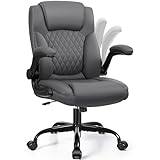
Before we get into the review of the best ergonomic task chairs for short persons, here are some related products from Amazon to explore:



As an Amazon Associate I earn from qualifying purchases.
Prices and availability are accurate as of November 9, 2026 21:39 and are subject to change.
Introduction to Ergonomic Seating for Short Individuals
Ergonomic task chairs are designed to provide optimal support and comfort for individuals while working. These chairs are built with features such as adjustable height, lumbar support, and armrests to promote good posture and reduce the risk of injury. For short individuals, finding the right ergonomic task chair can be challenging, as standard chairs may not accommodate their smaller frame.
Short individuals often face difficulties when using standard task chairs, as their feet may not touch the floor, and the chair’s features may not be adjustable enough to fit their body. This can lead to discomfort, poor posture, and potentially even long-term health problems. To address these issues, manufacturers have created ergonomic task chairs that cater specifically to the needs of short individuals.
These specialized chairs are designed to provide the necessary support and comfort for short individuals, allowing them to work efficiently and safely. The best ergonomic task chairs for short persons are designed with adjustable features, such as seat height and armrests, to accommodate smaller frames. By using an ergonomic task chair that is tailored to their needs, short individuals can enjoy improved comfort, reduced fatigue, and enhanced productivity.
When selecting an ergonomic task chair, short individuals should consider factors such as seat height, armrest adjustability, and lumbar support. By choosing a chair that meets their specific needs, short individuals can create a comfortable and healthy working environment. With the right ergonomic task chair, short individuals can work efficiently, safely, and comfortably, which is essential for their overall well-being and job satisfaction.
The Best Ergonomic Task Chairs For Short Persons
The
1. Herman Miller Sayl Task Chair
is an excellent option for short persons due to its adjustable features and compact design. It has a seat height range of 16 to 21 inches, allowing users to customize the chair to fit their body. The chair also features a waterfall edge that reduces pressure on the legs, promoting better blood flow and comfort. Additionally, the Sayl Task Chair has a sturdy base and a weight capacity of 350 pounds, making it a reliable choice for users of various sizes.
One of the standout features of the
1. Herman Miller Sayl Task Chair
is its ergonomic design, which provides optimal support and comfort for short persons. The chair’s backrest is designed to promote good posture, with a curved shape that cradles the user’s spine. The armrests are also adjustable, allowing users to customize the height and width to fit their body. Overall, the Herman Miller Sayl Task Chair is a high-quality option that provides excellent comfort and support for short persons, making it an ideal choice for those who spend long hours working at a desk.
The
2. Steelcase Leap Task Chair
is another top-rated option for short persons, offering a range of adjustable features and a compact design. The chair has a seat height range of 15 to 20 inches, making it suitable for users of various heights. The Leap Task Chair also features a liveback system, which provides optimal support and comfort for the user’s back and shoulders. Additionally, the chair has a weight capacity of 400 pounds, making it a reliable choice for users of various sizes.
One of the key benefits of the
2. Steelcase Leap Task Chair
is its ability to promote good posture and reduce discomfort. The chair’s ergonomic design provides optimal support for the user’s spine, with a curved shape that cradles the back and shoulders. The armrests are also adjustable, allowing users to customize the height and width to fit their body. Furthermore, the Leap Task Chair features a breathable fabric that helps to keep the user cool and comfortable, even during long periods of use.
The
3. Ergohuman High-Back Task Chair
is a highly adjustable option that is suitable for short persons. The chair has a seat height range of 18 to 22 inches, making it customizable to fit the user’s body. The Ergohuman High-Back Task Chair also features a contoured backrest that provides optimal support and comfort for the user’s spine. Additionally, the chair has a weight capacity of 250 pounds, making it a reliable choice for users of various sizes.
One of the standout features of the
3. Ergohuman High-Back Task Chair
is its ergonomic design, which provides excellent support and comfort for short persons. The chair’s backrest is designed to promote good posture, with a curved shape that cradles the user’s spine. The armrests are also adjustable, allowing users to customize the height and width to fit their body. Furthermore, the Ergohuman High-Back Task Chair features a durable frame that is built to last, making it a long-term investment for users who spend long hours working at a desk.
The
4. Haworth Zody Task Chair
is a highly adjustable option that is suitable for short persons. The chair has a seat height range of 16 to 20 inches, making it customizable to fit the user’s body. The Zody Task Chair also features a pelvic curve that provides optimal support and comfort for the user’s lower back. Additionally, the chair has a weight capacity of 300 pounds, making it a reliable choice for users of various sizes.
One of the key benefits of the
4. Haworth Zody Task Chair
is its ability to promote good posture and reduce discomfort. The chair’s ergonomic design provides optimal support for the user’s spine, with a curved shape that cradles the back and shoulders. The armrests are also adjustable, allowing users to customize the height and width to fit their body. Furthermore, the Zody Task Chair features a breathable fabric that helps to keep the user cool and comfortable, even during long periods of use.
The
5. Eurotech Elite Task Chair
is a highly adjustable option that is suitable for short persons. The chair has a seat height range of 18 to 22 inches, making it customizable to fit the user’s body. The Elite Task Chair also features a contoured backrest that provides optimal support and comfort for the user’s spine. Additionally, the chair has a weight capacity of 250 pounds, making it a reliable choice for users of various sizes.
One of the standout features of the
5. Eurotech Elite Task Chair
is its ergonomic design, which provides excellent support and comfort for short persons. The chair’s backrest is designed to promote good posture, with a curved shape that cradles the user’s spine. The armrests are also adjustable, allowing users to customize the height and width to fit their body. Furthermore, the Eurotech Elite Task Chair features a durable frame that is built to last, making it a long-term investment for users who spend long hours working at a desk.
Importance of Ergonomic Task Chairs for Short Persons
When it comes to office furniture, one size does not fit all. People of shorter stature often face difficulties when using standard office chairs, as they may not provide the necessary support and comfort. This can lead to a range of health problems, including back and neck pain, as well as poor posture. In order to avoid these issues, it is essential for short individuals to use chairs that are designed with their specific needs in mind.
Ergonomic task chairs are designed to provide optimal support and comfort for users. They typically feature adjustable height and armrests, allowing users to customize the chair to fit their body. This is particularly important for short individuals, as it enables them to maintain good posture and avoid straining their muscles. Additionally, ergonomic task chairs often feature breathable fabrics and cushioning, which can help to reduce discomfort and fatigue during long periods of sitting.
For short individuals, finding the right chair can be a challenge. Many standard office chairs are designed with taller users in mind, and may not provide the necessary support and comfort for shorter individuals. However, there are many options available that cater specifically to the needs of short persons. By searching for the best ergonomic task chairs for short persons, individuals can find a chair that meets their unique needs and provides optimal comfort and support.
In addition to providing comfort and support, ergonomic task chairs can also help to improve productivity and focus. When users are able to sit comfortably and maintain good posture, they are better able to concentrate on their work and avoid distractions. This can lead to increased efficiency and accuracy, as well as reduced stress and fatigue. By investing in an ergonomic task chair, short individuals can create a healthier and more productive work environment, and enjoy a range of benefits that can last a lifetime.
Key Features to Consider for Short Persons
When it comes to choosing the best ergonomic task chair for short persons, there are several key features to consider. One of the most important features is the seat height, which should be adjustable to accommodate the user’s leg length. A chair with a low minimum seat height is essential for short persons to ensure their feet are flat on the floor or on a footrest, with their knees at or below hip level. Another crucial feature is the armrest height, which should be adjustable to allow the user to rest their arms at a 90-degree angle.
The backrest of the chair is also vital, as it should provide adequate lumbar support to maintain the natural curve of the spine. A breathable fabric or mesh material can help keep the user cool and comfortable during long periods of sitting. Additionally, a chair with a sturdy base and a smooth-rolling castor system can provide stability and mobility, allowing the user to move around easily without straining their back or legs.
Short persons may also want to consider a chair with a compact design, which can fit comfortably in smaller workspaces. A chair with a slim profile and a lightweight frame can be easily maneuvered and stored, making it ideal for home offices or shared workspaces. Furthermore, a chair with customizable features, such as adjustable tilt and recline, can provide a tailored fit for the user’s specific needs and preferences.
Ultimately, the best ergonomic task chair for short persons will depend on their individual needs and preferences. By considering these key features and doing thorough research, short persons can find a chair that provides optimal comfort, support, and mobility, allowing them to work efficiently and effectively without straining their back or legs.
Benefits of Ergonomic Task Chairs for Short Persons
Ergonomic task chairs can provide numerous benefits for short persons, including improved posture, reduced back and leg pain, and increased productivity. By providing adequate support and comfort, these chairs can help short persons maintain a healthy and comfortable working position, reducing the risk of developing musculoskeletal disorders. Additionally, ergonomic task chairs can help improve circulation, reducing the risk of blood clots and other cardiovascular problems.
Another benefit of ergonomic task chairs is that they can help short persons stay focused and alert, improving their overall work performance. By providing a comfortable and supportive working environment, these chairs can help reduce distractions and improve concentration, allowing short persons to work more efficiently and effectively. Furthermore, ergonomic task chairs can help promote a sense of well-being and job satisfaction, reducing the risk of burnout and turnover.
Ergonomic task chairs can also provide long-term benefits for short persons, such as reducing the risk of chronic back and leg pain. By providing adequate support and comfort, these chairs can help reduce the strain on the back and legs, reducing the risk of developing chronic pain and other musculoskeletal disorders. Additionally, ergonomic task chairs can help improve overall health and well-being, reducing the risk of obesity, diabetes, and other health problems associated with prolonged sitting.
In addition to these physical benefits, ergonomic task chairs can also provide psychological benefits for short persons, such as improved self-esteem and confidence. By providing a comfortable and supportive working environment, these chairs can help short persons feel more confident and self-assured, improving their overall mental health and well-being.
Common Mistakes to Avoid When Buying an Ergonomic Task Chair
When buying an ergonomic task chair, there are several common mistakes to avoid, particularly for short persons. One of the most common mistakes is buying a chair that is too large or too small, which can lead to discomfort and poor posture. Another mistake is neglecting to consider the chair’s adjustability features, such as seat height, armrest height, and tilt, which can affect the user’s comfort and support.
Short persons may also want to avoid buying a chair with a fixed backrest or armrests, which can limit their ability to customize the chair to their specific needs and preferences. Additionally, they may want to avoid buying a chair with a low-quality or flimsy frame, which can compromise the chair’s stability and durability. Furthermore, short persons may want to avoid buying a chair without considering their specific work style and needs, such as a chair with inadequate lumbar support or a chair that is not suitable for their work environment.
Another mistake to avoid is neglecting to read reviews and do thorough research before buying an ergonomic task chair. This can help short persons get a sense of the chair’s quality, comfort, and performance, as well as its potential drawbacks and limitations. By doing thorough research and considering their specific needs and preferences, short persons can find a chair that provides optimal comfort, support, and mobility, allowing them to work efficiently and effectively without straining their back or legs.
Ultimately, the key to finding the best ergonomic task chair for short persons is to do thorough research, consider their specific needs and preferences, and avoid common mistakes. By taking the time to research and compare different chairs, short persons can find a chair that provides optimal comfort, support, and mobility, allowing them to work efficiently and effectively without straining their back or legs.
Maintenance and Upkeep of Ergonomic Task Chairs
To ensure the longevity and performance of an ergonomic task chair, regular maintenance and upkeep are essential. This includes cleaning the chair regularly, checking and adjusting the chair’s adjustable features, and lubricating the chair’s moving parts. Short persons may also want to consider replacing the chair’s worn or damaged parts, such as the armrests or castors, to ensure the chair continues to provide optimal comfort and support.
Another important aspect of maintenance and upkeep is storing the chair properly when not in use. This can help prevent damage to the chair’s frame or components, as well as prevent the buildup of dust and dirt. Short persons may also want to consider using a chair cover or protector to prevent stains and spills, as well as to reduce wear and tear on the chair’s fabric or upholstery.
Regular maintenance and upkeep can also help extend the lifespan of the chair, reducing the need for frequent replacements or repairs. By taking the time to clean, adjust, and maintain their ergonomic task chair, short persons can ensure it continues to provide optimal comfort, support, and mobility, allowing them to work efficiently and effectively without straining their back or legs.
Furthermore, regular maintenance and upkeep can also help prevent the buildup of germs and bacteria on the chair, which can help reduce the risk of illness and infection. By cleaning and disinfecting the chair regularly, short persons can help create a healthier and more comfortable working environment, improving their overall health and well-being.
Buying Guide for Ergonomic Task Chairs for Short Persons
When it comes to finding the perfect chair for short individuals, there are several factors to consider. A good chair can make all the difference in comfort and productivity, while a poorly designed one can lead to back and neck pain. In this guide, we will explore the key factors to consider when buying a chair, helping you make an informed decision and find the best ergonomic task chairs for short persons.
Seat Height and Depth
The seat height and depth of a chair are crucial factors to consider, especially for short individuals. A chair with a seat that is too high or too deep can cause the user to slump or stretch, leading to discomfort and poor posture. When looking for a chair, consider one with a seat height that can be adjusted to fit your leg length, allowing your feet to rest flat on the floor or on a footrest. This will help maintain a 90-degree angle between your thighs and torso, reducing pressure on your spine and promoting good posture.
A chair with a seat depth that is too great can also cause problems, as it can push the user forward, causing them to lean or slump. Look for a chair with a seat depth that allows you to sit with your back against the backrest, with about 2-3 inches of space between the back of your knees and the front of the seat. This will help you maintain a comfortable position, with your weight evenly distributed and your spine in alignment.
Backrest and Lumbar Support
The backrest and lumbar support of a chair are essential for maintaining good posture and reducing back pain. A chair with a backrest that is too high or too low can cause the user to slump or lean, leading to discomfort and poor posture. Look for a chair with a backrest that can be adjusted to fit your torso length, allowing you to sit with your shoulders relaxed and your spine in alignment. A backrest with a breathable mesh or fabric can also help keep you cool and comfortable during long periods of sitting.
A chair with good lumbar support is also vital for short individuals, as it can help maintain the natural curve of the spine. Look for a chair with a lumbar adjustment that can be customized to fit your spine, providing the right amount of support and pressure. A chair with a built-in lumbar support or a separate lumbar cushion can also help promote good posture and reduce back pain. When testing a chair, pay attention to how it feels in the lumbar region, and adjust the settings to find the most comfortable position.
Armrests and Arm Height
The armrests and arm height of a chair can make a big difference in comfort and productivity. A chair with armrests that are too high or too low can cause the user to lean or stretch, leading to discomfort and poor posture. Look for a chair with armrests that can be adjusted to fit your arm length, allowing you to sit with your elbows at a 90-degree angle and your wrists straight. This will help reduce pressure on your shoulders and neck, promoting good posture and reducing the risk of injury.
A chair with armrests that are too wide or too narrow can also cause problems, as it can affect the user’s ability to sit comfortably and work efficiently. Look for a chair with armrests that are adjustable in width, allowing you to customize the fit to your body. A chair with padded armrests can also help reduce pressure on your arms and wrists, promoting comfort and reducing the risk of injury. When testing a chair, pay attention to how the armrests feel, and adjust the settings to find the most comfortable position.
Seat Material and Breathability
The seat material and breathability of a chair can make a big difference in comfort and productivity. A chair with a seat that is too hot or too cold can cause discomfort and distraction, reducing focus and efficiency. Look for a chair with a seat made from a breathable material, such as mesh or fabric, that allows for airflow and moisture transfer. This will help keep you cool and dry during long periods of sitting, reducing the risk of discomfort and distraction.
A chair with a seat that is too soft or too hard can also cause problems, as it can affect the user’s ability to sit comfortably and work efficiently. Look for a chair with a seat that is adjustable in firmness, allowing you to customize the fit to your body. A chair with a seat that is too slippery or too sticky can also cause problems, as it can affect the user’s ability to sit comfortably and work efficiently. Look for a chair with a seat that has a textured surface, providing traction and stability.
Adjustability and Customization
The adjustability and customization of a chair can make a big difference in comfort and productivity. A chair that is too rigid or too fixed can cause discomfort and poor posture, reducing focus and efficiency. Look for a chair with adjustable settings, such as seat height, arm height, and lumbar support, that allow you to customize the fit to your body. This will help you maintain good posture and reduce the risk of injury, promoting comfort and productivity.
A chair with a high degree of customization can also help promote comfort and productivity, as it allows the user to tailor the fit to their specific needs. Look for a chair with a range of adjustable settings, such as tilt, recline, and arm width, that allow you to customize the fit to your body. A chair with a user-friendly interface, such as a simple and intuitive control system, can also help promote comfort and productivity, as it allows the user to make adjustments quickly and easily.
Durability and Maintenance
The durability and maintenance of a chair can make a big difference in comfort and productivity, as well as overall value and cost-effectiveness. A chair that is too flimsy or too fragile can cause discomfort and poor posture, reducing focus and efficiency. Look for a chair made from high-quality materials, such as sturdy plastics or durable metals, that can withstand heavy use and last for a long time. A chair with a durable and breathable fabric, such as mesh or fabric, can also help promote comfort and productivity, as it allows for airflow and moisture transfer.
A chair that is easy to maintain and clean can also help promote comfort and productivity, as it reduces the risk of discomfort and distraction. Look for a chair with a simple and intuitive design, such as a removable and washable cover, that allows for easy cleaning and maintenance. A chair with a durable and long-lasting finish, such as a scratch-resistant coating, can also help promote comfort and productivity, as it reduces the risk of wear and tear. When testing a chair, pay attention to how it feels and looks, and consider the overall value and cost-effectiveness of the investment.
FAQs
What features should I look for in an ergonomic task chair as a short person?
When looking for an ergonomic task chair as a short person, there are several key features to consider. The first and most important feature is the seat height adjustment. A chair with a low minimum seat height and a wide range of adjustment is essential to ensure that your feet are flat on the floor or on a footrest, with your knees at or below hip level. This will help to prevent strain on your legs and back. Additionally, look for a chair with a breathable fabric or mesh to keep you cool and comfortable during long periods of sitting.
Another important feature to consider is the armrest height and width adjustment. As a short person, you may find that standard armrests are too high, which can cause strain on your shoulders and neck. Look for a chair with armrests that can be adjusted to fit your body, with a low minimum height and a wide range of adjustment. You should also consider the chair’s backrest height and lumbar support, as these can help to maintain a healthy posture and prevent back pain. By considering these features, you can find an ergonomic task chair that meets your specific needs and provides optimal comfort and support.
How do I determine the correct seat height for my ergonomic task chair?
To determine the correct seat height for your ergonomic task chair, you need to consider your body size and the type of work you will be doing. A good starting point is to sit on the chair with your feet flat on the floor or on a footrest, and adjust the seat height until your knees are at or below hip level. You should also consider the height of your desk or workstation, as you want to be able to work with your elbows at a 90-degree angle and your wrists straight. If you are unsure about the correct seat height, you can try using a seat height calculator or consulting with an ergonomics expert.
It’s also important to note that the correct seat height may vary depending on the type of work you are doing. For example, if you are working at a computer, you may need a slightly higher seat height to allow you to type comfortably. On the other hand, if you are working at a drafting table or other high workstation, you may need a lower seat height to allow you to work comfortably. By considering your body size and the type of work you will be doing, you can determine the correct seat height for your ergonomic task chair and ensure optimal comfort and support.
What is the best type of fabric or material for an ergonomic task chair?
The best type of fabric or material for an ergonomic task chair depends on your personal preferences and needs. Some popular options include mesh, fabric, and leather. Mesh is a breathable and durable material that allows for good airflow and can help to keep you cool and comfortable during long periods of sitting. Fabric is another popular option, and can be made from a variety of materials, including cotton, polyester, and nylon. Leather is a more luxurious option, and can provide a high level of comfort and support.
When choosing a fabric or material for your ergonomic task chair, consider factors such as durability, breathability, and ease of cleaning. You should also think about your personal preferences, such as the color and texture of the material. Additionally, consider the type of work you will be doing, as some materials may be more suitable for certain tasks. For example, if you will be working with messy materials, you may want to choose a fabric or material that is easy to clean and resistant to stains. By considering these factors, you can choose the best type of fabric or material for your ergonomic task chair and ensure optimal comfort and support.
Can I use an ergonomic task chair for long periods of time without taking breaks?
While an ergonomic task chair can provide optimal comfort and support, it is still important to take regular breaks to stand up, stretch, and move around. Prolonged sitting can be detrimental to your health, even with an ergonomic chair, as it can lead to a range of health problems, including back pain, neck strain, and cardiovascular disease. To avoid these problems, it’s recommended to take a break every 30-60 minutes to stand up, stretch, and move around.
Taking regular breaks can help to reduce the risk of health problems associated with prolonged sitting. You can try setting a timer or reminder to take a break every hour, or you can incorporate physical activity into your daily routine, such as taking a walk or doing some stretching exercises. Additionally, consider using a sit-stand desk or adjustable workstation, which can allow you to switch between sitting and standing throughout the day. By taking regular breaks and incorporating physical activity into your daily routine, you can stay healthy and comfortable, even when working long hours in an ergonomic task chair.
How often should I adjust my ergonomic task chair to ensure optimal comfort and support?
You should adjust your ergonomic task chair regularly to ensure optimal comfort and support. The frequency of adjustment will depend on your individual needs and preferences, but it’s recommended to adjust your chair at least once a day. You may need to adjust your chair more frequently if you are working on a task that requires a specific posture or position, or if you are experiencing discomfort or pain.
To adjust your ergonomic task chair, start by sitting in the chair with your feet flat on the floor or on a footrest, and your knees at or below hip level. Adjust the seat height, armrests, and backrest to fit your body, and make sure that your monitor and keyboard are at a comfortable distance. You may also need to adjust the lumbar support and tilt of the chair to maintain a healthy posture and prevent back pain. By adjusting your ergonomic task chair regularly, you can ensure optimal comfort and support, and reduce the risk of health problems associated with prolonged sitting.
Can I use an ergonomic task chair if I have a pre-existing medical condition or injury?
Yes, you can use an ergonomic task chair if you have a pre-existing medical condition or injury, but it’s recommended to consult with a healthcare professional or ergonomics expert before making a purchase. They can help you to identify the best type of chair for your specific needs, and provide guidance on how to adjust the chair to accommodate your condition or injury. For example, if you have a back injury, you may need a chair with extra lumbar support or a specific type of cushioning.
When using an ergonomic task chair with a pre-existing medical condition or injury, it’s also important to follow the manufacturer’s instructions and guidelines for use. You should also take regular breaks to stand up, stretch, and move around, and avoid sitting for long periods of time. Additionally, consider incorporating physical therapy or exercise into your daily routine, as this can help to strengthen your muscles and improve your overall health. By consulting with a healthcare professional and following the manufacturer’s instructions, you can use an ergonomic task chair safely and effectively, even with a pre-existing medical condition or injury.
What is the average cost of an ergonomic task chair, and is it worth the investment?
The average cost of an ergonomic task chair can vary widely, depending on the brand, model, and features. Basic ergonomic task chairs can start at around $100-$200, while high-end chairs with advanced features can cost $500-$1000 or more. While the cost may seem high, an ergonomic task chair can be a worthwhile investment for anyone who spends long hours sitting at a desk or workstation.
By providing optimal comfort and support, an ergonomic task chair can help to reduce the risk of health problems associated with prolonged sitting, such as back pain, neck strain, and cardiovascular disease. This can lead to increased productivity, reduced absenteeism, and improved overall health and well-being. Additionally, an ergonomic task chair can be a long-term investment, as it can last for many years with proper care and maintenance. By considering the potential benefits and cost savings, you can determine whether an ergonomic task chair is worth the investment for your specific needs and budget.
Final Thoughts
In conclusion, finding the right office chair can be a daunting task, especially for individuals who require specific features to accommodate their needs. Shorter persons often face challenges in finding a chair that provides the necessary support and comfort, which can lead to discomfort, fatigue, and decreased productivity. However, with the numerous options available in the market, it is essential to prioritize features such as adjustable height, lumbar support, and a breathable design to ensure optimal comfort and well-being.
Ultimately, investing in the best ergonomic task chairs for short persons can make a significant difference in one’s work experience. By considering the factors outlined in this guide and selecting a chair that meets individual needs, shorter persons can enjoy improved posture, reduced discomfort, and increased productivity. With the right chair, individuals can focus on their work without distractions, leading to better overall performance and job satisfaction. By making an informed decision, shorter persons can create a comfortable and efficient work environment that supports their unique requirements, leading to a more positive and successful work experience.