Baking and cooking with fresh ingredients can be a game-changer for anyone who loves spending time in the kitchen. One of the most essential ingredients in many recipes is flour, and having control over its quality and freshness can make a significant difference in the final product. For those who want to take their baking to the next level, investing in a high-quality mill to grind their own flour is a great option. With the ability to grind a wide variety of grains, including wheat, oats, and barley, home bakers can create unique and delicious recipes that showcase their skills.
For home bakers and professional chefs alike, finding the right tool to grind flour can be a daunting task. With so many options available on the market, it can be challenging to determine which one is the best fit for your needs. If you’re in the market for a convenient and efficient way to grind your own flour, look no further than the best electric flour mills. These powerful and versatile machines can help you create a wide range of delicious baked goods, from bread and pastries to cakes and cookies. In this article, we’ll take a closer look at the key features and benefits of electric flour mills, and provide you with the information you need to make an informed decision when it comes to choosing the perfect mill for your kitchen.
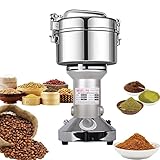
Before we get into the review of the best electric flour mills, here are some related products from Amazon to explore:



As an Amazon Associate I earn from qualifying purchases.
Prices and availability are accurate as of November 20, 2026 00:41 and are subject to change.
Introduction to Electric Flour Mills
Electric flour mills are a type of kitchen appliance designed to grind grains into flour. These devices have become increasingly popular in recent years due to their ease of use and ability to produce fresh, high-quality flour at home. With an electric flour mill, users can grind a variety of grains, including wheat, oats, and barley, into flour that can be used for baking, cooking, and other purposes.
The primary benefit of using an electric flour mill is the ability to control the texture and quality of the flour. Unlike store-bought flour, which may contain additives or preservatives, freshly ground flour from an electric mill is free from these unwanted ingredients. This makes electric flour mills a great option for health-conscious individuals and those with dietary restrictions.
In addition to the health benefits, electric flour mills are also convenient and easy to use. Simply add the grains to the mill, turn it on, and the device will do the rest. Many electric flour mills also come with adjustable settings, allowing users to customize the coarseness or fineness of the flour to suit their needs. Whether you’re a professional baker or a home cook, an electric flour mill can be a valuable addition to your kitchen.
When searching for the best electric flour mills, it’s essential to consider factors such as power, capacity, and durability. The best electric flour mills will be able to handle a variety of grains and produce high-quality flour consistently. By investing in a high-quality electric flour mill, users can enjoy the benefits of freshly ground flour and take their baking and cooking to the next level. With so many options available, finding the right electric flour mill can seem overwhelming, but with a little research, you can find the perfect device to meet your needs.
Best Electric Flour Mills – Reviews
1. NutriMill Classic 760200 Electric Flour Mill
The NutriMill Classic 760200 Electric Flour Mill is a high-quality and versatile mill that can handle a wide range of grains, including wheat, oats, barley, and more. It features a powerful 10-amp motor and a unique cooling system that prevents the mill from overheating, even during extended use. The mill also comes with a large 20-cup flour container, making it ideal for large families or serious bakers.
One of the standout features of the NutriMill Classic 760200 is its ease of use. The mill is simple to operate, with a straightforward and intuitive interface that makes it easy to select the desired grain and texture. The mill also comes with a comprehensive instruction manual and a lifetime warranty, giving users peace of mind and protection against defects. Overall, the NutriMill Classic 760200 is an excellent choice for anyone looking for a reliable and high-performance electric flour mill.
2. WonderMill Electric Grain Mill 1101
The WonderMill Electric Grain Mill 1101 is a compact and efficient mill that is perfect for small to medium-sized families. It features a powerful 1250-watt motor and a high-speed grinding mechanism that can produce up to 100 pounds of flour per hour. The mill also comes with a large 12-cup flour container and a built-in cooling system that prevents overheating.
One of the key benefits of the WonderMill Electric Grain Mill 1101 is its compact design, which makes it easy to store and transport. The mill is also relatively quiet and produces minimal vibration, making it a great choice for home use. Additionally, the WonderMill Electric Grain Mill 1101 is backed by a comprehensive warranty and dedicated customer support, giving users confidence and protection against defects. Overall, the WonderMill Electric Grain Mill 1101 is an excellent choice for anyone looking for a reliable and efficient electric flour mill.
3. Komo Fidibus 21 567300 Electric Flour Mill
The Komo Fidibus 21 567300 Electric Flour Mill is a high-end mill that is designed for serious bakers and grain enthusiasts. It features a powerful 360-watt motor and a unique grinding mechanism that produces exceptionally fine flour. The mill also comes with a large 12-cup flour container and a built-in cooling system that prevents overheating.
One of the standout features of the Komo Fidibus 21 567300 is its exceptional build quality and attention to detail. The mill is constructed from high-quality materials and features a sleek and modern design that looks great in any kitchen. Additionally, the Komo Fidibus 21 567300 is backed by a comprehensive warranty and dedicated customer support, giving users confidence and protection against defects. Overall, the Komo Fidibus 21 567300 is an excellent choice for anyone looking for a high-end electric flour mill that can produce exceptional results.
4. Blendtec 52-601-BHM Electric Flour Mill
The Blendtec 52-601-BHM Electric Flour Mill is a high-performance mill that is designed for heavy-duty use. It features a powerful 1560-watt motor and a unique grinding mechanism that can produce up to 24 cups of flour per minute. The mill also comes with a large 24-cup flour container and a built-in cooling system that prevents overheating.
One of the key benefits of the Blendtec 52-601-BHM Electric Flour Mill is its exceptional speed and efficiency. The mill is capable of grinding large quantities of grain quickly and easily, making it ideal for large families or commercial use. Additionally, the Blendtec 52-601-BHM is backed by a comprehensive warranty and dedicated customer support, giving users confidence and protection against defects. Overall, the Blendtec 52-601-BHM is an excellent choice for anyone looking for a high-performance electric flour mill that can handle heavy-duty use.
5. KitchenAid KGM All Metal Electric Flour Mill 100
The KitchenAid KGM All Metal Electric Flour Mill 100 is a high-quality mill that is designed for serious bakers and grain enthusiasts. It features a powerful 275-watt motor and a unique grinding mechanism that produces exceptionally fine flour. The mill also comes with a large 12-cup flour container and a built-in cooling system that prevents overheating.
One of the standout features of the KitchenAid KGM All Metal Electric Flour Mill 100 is its exceptional build quality and attention to detail. The mill is constructed from high-quality materials and features a sleek and modern design that looks great in any kitchen. Additionally, the KitchenAid KGM All Metal Electric Flour Mill 100 is backed by a comprehensive warranty and dedicated customer support, giving users confidence and protection against defects. Overall, the KitchenAid KGM All Metal Electric Flour Mill 100 is an excellent choice for anyone looking for a high-quality electric flour mill that can produce exceptional results.
Why People Need to Invest in Electric Flour Mills
The traditional method of grinding grains into flour using manual or stone mills can be time-consuming and labor-intensive. With the advent of technology, electric flour mills have become a game-changer for people who want to have fresh and healthy flour at their fingertips. These mills are designed to grind grains quickly and efficiently, saving time and effort for the user. They are also versatile and can be used to grind a variety of grains, including wheat, rice, and oats.
Electric flour mills are also a great option for people who are health-conscious and want to avoid consuming flour that has been sitting on store shelves for months. By grinding their own flour, individuals can ensure that they are getting the freshest and most nutritious product possible. Additionally, electric flour mills allow users to control the coarseness or fineness of the grind, which is not always possible with store-bought flour. This feature is particularly useful for bakers who require specific textures for their recipes.
For those who are looking to invest in an electric flour mill, it is essential to do some research to find the best electric flour mills that meet their needs and budget. There are many different models available on the market, each with its own unique features and benefits. Some mills are designed for small-scale use, while others are more heavy-duty and can handle large quantities of grain. By choosing the right mill, individuals can enjoy the benefits of fresh and healthy flour without breaking the bank.
In conclusion, electric flour mills are a worthwhile investment for anyone who wants to have control over the quality and freshness of their flour. They are convenient, versatile, and can be used to grind a variety of grains. With the ability to control the grind and produce fresh flour at home, individuals can enjoy better-tasting baked goods and a healthier diet. Whether you are a serious baker or just someone who wants to eat healthier, an electric flour mill is a great addition to any kitchen.
Benefits of Using Electric Flour Mills
The benefits of using electric flour mills are numerous, and they make a significant difference in the quality and freshness of the flour. One of the primary advantages is the ability to grind grains into flour as needed, ensuring that the flour is always fresh and has not been sitting on a shelf for an extended period. This results in a more flavorful and nutritious final product. Additionally, electric flour mills allow users to control the coarseness of the grind, which is essential for various recipes and baking applications.
Electric flour mills also provide a cost-effective solution for those who regularly bake or cook with flour. By grinding grains into flour at home, users can avoid the expense of purchasing pre-ground flour from a store. Furthermore, electric flour mills enable users to experiment with different types of grains and flours, such as whole wheat, rye, and oat flour, which can add variety and nutrition to their baked goods.
Another significant benefit of electric flour mills is their ease of use and convenience. Many modern electric flour mills are designed with user-friendly interfaces and automatic shut-off features, making them simple to operate and clean. This convenience factor is particularly important for those with busy lifestyles who want to bake or cook with fresh flour without sacrificing too much time or effort.
In terms of health benefits, electric flour mills allow users to avoid the additives and preservatives often found in commercial flours. By grinding their own flour at home, users can control the ingredients and ensure that their baked goods are made with only the freshest and highest-quality ingredients. This can be particularly beneficial for individuals with dietary restrictions or preferences, such as those who follow a gluten-free or vegan diet.
Types of Electric Flour Mills
There are several types of electric flour mills available on the market, each with its unique features and characteristics. One of the most common types is the blade mill, which uses a spinning blade to grind grains into flour. Blade mills are often the most affordable option and are suitable for small to medium-sized grinding tasks. However, they can generate heat during the grinding process, which can damage the flour and affect its nutritional value.
Another type of electric flour mill is the burr mill, which uses two abrasive surfaces to crush and grind grains into flour. Burr mills are generally more expensive than blade mills but produce a higher-quality flour with a more consistent texture. They are also less likely to generate heat during the grinding process, making them a better option for those who want to preserve the nutritional value of their flour.
Impact mills are another type of electric flour mill that uses a spinning rotor to grind grains into flour. Impact mills are often the most efficient type of mill and can produce a large quantity of flour quickly. However, they can be noisy and may not be suitable for all types of grains. Additionally, some impact mills may require more maintenance than other types of mills, as the spinning rotor can be prone to wear and tear.
In addition to these types of mills, there are also hybrid models that combine different grinding mechanisms to produce a high-quality flour. These hybrid models often offer the best of both worlds, providing a consistent texture and preserving the nutritional value of the flour. When choosing an electric flour mill, it is essential to consider the type of mill and its features to ensure that it meets your specific needs and preferences.
Factors to Consider When Choosing an Electric Flour Mill
When choosing an electric flour mill, there are several factors to consider to ensure that you select the right model for your needs. One of the most critical factors is the grinding capacity of the mill, which determines how much flour it can produce at one time. If you plan to use the mill frequently or for large quantities of flour, look for a model with a high grinding capacity.
Another essential factor to consider is the type of grains you plan to grind. Different types of grains require different grinding mechanisms, so it is crucial to choose a mill that is compatible with the types of grains you want to use. For example, if you want to grind nuts or seeds, you may need a mill with a specialized grinding mechanism. Additionally, consider the coarseness of the grind you need, as some mills may not be able to produce a fine enough flour for certain recipes.
The power and speed of the mill are also important factors to consider. A more powerful mill can grind grains more efficiently and quickly, but it may also generate more heat and noise. Look for a mill with a high wattage and a variable speed control to ensure that you can adjust the grinding speed to suit your needs. Furthermore, consider the noise level of the mill, as some models can be quite loud and may not be suitable for use in a home environment.
In terms of maintenance and cleaning, look for a mill with a simple and easy-to-clean design. Some mills may have removable parts or a self-cleaning feature, which can make maintenance and cleaning more convenient. Additionally, consider the durability and build quality of the mill, as a well-made mill can last for many years with proper care and maintenance. By considering these factors, you can choose an electric flour mill that meets your needs and provides you with fresh, high-quality flour for years to come.
Tips for Using and Maintaining Your Electric Flour Mill
To get the most out of your electric flour mill, it is essential to use and maintain it properly. One of the most critical tips is to always follow the manufacturer’s instructions for use and maintenance. This includes reading the user manual carefully and following any recommended guidelines for grinding, cleaning, and storing the mill.
Another important tip is to clean the mill regularly to prevent the buildup of flour dust and debris. This can be done by wiping down the mill with a soft brush or cloth and vacuuming out any loose particles. Additionally, consider cleaning the mill after each use to prevent the flour from becoming stale or rancid. It is also essential to store the mill in a cool, dry place to prevent moisture from accumulating and affecting the quality of the flour.
To ensure that your electric flour mill continues to function properly, it is crucial to perform regular maintenance tasks. This includes checking the mill’s grinding mechanism for wear and tear, lubricating any moving parts, and replacing any worn or damaged components. Additionally, consider having your mill serviced by a professional if you are unsure about how to perform maintenance tasks or if you notice any issues with the mill’s performance.
In terms of troubleshooting, there are several common issues that can arise with electric flour mills. These include clogged grinding mechanisms, uneven grinding, and excessive noise or vibration. To troubleshoot these issues, refer to the user manual or contact the manufacturer’s customer support team for assistance. By following these tips and performing regular maintenance, you can ensure that your electric flour mill continues to provide you with fresh, high-quality flour for years to come.
Comprehensive Buying Guide for Electric Flour Mills
When it comes to baking and cooking, having the right tools can make all the difference. One essential tool for any serious baker or cook is an electric flour mill. With so many options available on the market, it can be overwhelming to choose the right one. In this guide, we will discuss the key factors to consider when buying an electric flour mill, helping you make an informed decision and find the perfect addition to your kitchen.
Grinding Capacity
The grinding capacity of an electric flour mill is one of the most important factors to consider. This refers to the amount of grain or flour that the mill can process at one time. If you plan on using your mill for large batches of baking, you will want to look for a mill with a high grinding capacity. On the other hand, if you only need to grind small amounts of flour at a time, a smaller capacity mill may be sufficient. It’s also important to consider the type of grains you will be grinding, as some mills may be better suited for certain types of grains than others.
When considering the grinding capacity of an electric flour mill, it’s also important to think about the speed and efficiency of the mill. A mill with a high grinding capacity but slow speed may not be as effective as a mill with a smaller capacity but faster speed. Look for a mill that can grind your desired amount of flour quickly and efficiently, without overheating or producing too much noise. Additionally, consider the size and weight of the mill, as a larger capacity mill may be bulkier and more difficult to store.
Grain Type Compatibility
Another key factor to consider when buying an electric flour mill is the type of grains it can handle. Different mills may be designed to grind specific types of grains, such as wheat, oats, or rice. If you plan on grinding a variety of grains, you will want to look for a mill that can handle multiple types. Some mills may also be designed to grind nuts, seeds, or other materials, so be sure to check the specifications before making a purchase. It’s also important to consider the hardness of the grains you will be grinding, as some mills may be better suited for harder or softer grains.
When considering the grain type compatibility of an electric flour mill, it’s also important to think about the mill’s ability to produce different textures and consistencies. Some mills may be designed to produce fine, powdery flour, while others may be better suited for producing coarser, more textured flour. Consider what types of recipes you will be using your flour for, and look for a mill that can produce the desired texture and consistency. Additionally, consider the mill’s ability to handle oily or high-moisture grains, as some mills may be better suited for these types of grains than others.
Power and Speed
The power and speed of an electric flour mill are also important factors to consider. A more powerful mill will be able to grind grains more quickly and efficiently, but may also produce more noise and heat. A faster mill will be able to produce more flour in a shorter amount of time, but may also be more prone to overheating or clogging. Consider what your priorities are, and look for a mill that balances power and speed with safety and efficiency. It’s also important to consider the mill’s motor type and quality, as a high-quality motor will be more durable and long-lasting.
When considering the power and speed of an electric flour mill, it’s also important to think about the mill’s ability to handle heavy use. If you plan on using your mill frequently or for extended periods of time, you will want to look for a mill with a high-quality motor and durable construction. Consider the mill’s cooling system and overheating protection, as these features will help to prevent damage and ensure safe operation. Additionally, consider the mill’s noise level and vibration, as a quieter and more stable mill will be easier to use and less disruptive to your kitchen.
Ease of Use and Cleaning
The ease of use and cleaning of an electric flour mill are also important factors to consider. A mill with a simple and intuitive interface will be easier to use, even for those who are new to grinding their own flour. Look for a mill with clear instructions and a user-friendly design, and consider the mill’s safety features, such as automatic shut-off and overload protection. It’s also important to consider the mill’s cleaning and maintenance requirements, as some mills may be more difficult to clean than others.
When considering the ease of use and cleaning of an electric flour mill, it’s also important to think about the mill’s design and construction. A mill with a compact and lightweight design will be easier to store and transport, while a mill with a durable and high-quality construction will be more resistant to wear and tear. Consider the mill’s materials and finish, as a mill with a smooth and easy-to-clean surface will be simpler to maintain. Additionally, consider the mill’s accessories and attachments, such as a flour container or grinding stones, and look for a mill that comes with everything you need to get started.
Price and Value
The price and value of an electric flour mill are also important factors to consider. While it may be tempting to opt for the cheapest option, consider what you are getting for your money. A higher-priced mill may offer more features, better quality, and longer durability, making it a better value in the long run. On the other hand, a lower-priced mill may be more budget-friendly, but may also require more maintenance or replacement parts. Consider what your priorities are, and look for a mill that offers the best balance of price and value.
When considering the price and value of an electric flour mill, it’s also important to think about the cost of replacement parts and maintenance. Some mills may be more expensive to maintain or repair, while others may be more affordable. Consider the mill’s warranty and customer support, as a mill with a comprehensive warranty and responsive customer support will be more valuable in the long run. Additionally, consider the mill’s reputation and reviews, as a mill with a strong reputation and positive reviews will be more likely to provide reliable and consistent performance. If you’re looking for the best electric flour mills, be sure to research and compare different models before making a purchase.
Safety Features
The safety features of an electric flour mill are also important to consider. A mill with safety features such as automatic shut-off, overload protection, and heat protection will be safer to use and less prone to accidents. Consider the mill’s design and construction, as a mill with a sturdy and durable build will be less likely to tip over or vibrate excessively. It’s also important to consider the mill’s electrical components and wiring, as a mill with high-quality electrical components will be less prone to electrical shock or fire.
When considering the safety features of an electric flour mill, it’s also important to think about the mill’s certification and compliance with safety standards. Look for a mill that meets or exceeds safety standards, such as UL or ETL certification, and consider the mill’s testing and inspection process. Additionally, consider the mill’s user manual and instructions, as a mill with clear and comprehensive instructions will be easier to use safely and effectively. Consider the mill’s noise level and vibration, as a quieter and more stable mill will be less disruptive to your kitchen and less likely to cause accidents.
FAQs
What is an electric flour mill and how does it work?
An electric flour mill is a kitchen appliance designed to grind grains into flour. It works by using a motor to rotate a grinding stone or steel blade, which crushes the grains into a fine powder. The mill typically consists of a hopper to hold the grains, a grinding mechanism, and a collection container to store the freshly ground flour. The user simply adds the desired amount of grain to the hopper, turns on the mill, and collects the flour in the container.
The benefits of using an electric flour mill include the ability to grind a wide variety of grains, including wheat, oats, barley, and more. This allows users to create their own custom flour blends and control the texture and consistency of their flour. Additionally, electric flour mills are often easier to use and more efficient than manual mills, making them a great option for those who want to grind their own flour on a regular basis. With an electric flour mill, users can also grind other materials like nuts, seeds, and spices, making it a versatile addition to any kitchen.
What are the benefits of grinding my own flour at home?
Grinding your own flour at home offers several benefits, including greater control over the quality and freshness of your flour. When you buy flour from a store, it may have been sitting on a shelf for weeks or months, losing its nutritional value and flavor. By grinding your own flour, you can ensure that it is freshly made and packed with nutrients. Additionally, grinding your own flour allows you to choose the type of grain you want to use, so you can select options that are higher in fiber, protein, or other nutrients.
Another benefit of grinding your own flour is the ability to customize the texture and consistency to your liking. Store-bought flour can be too fine or too coarse for certain recipes, but with an electric flour mill, you can adjust the grind setting to get the perfect texture. This is especially useful for bakers who want to create specific types of bread or pastries. Furthermore, grinding your own flour can also save you money in the long run, as you can buy grains in bulk and grind only what you need, reducing waste and saving you money on flour purchases.
What types of grains can I grind with an electric flour mill?
Most electric flour mills are designed to grind a variety of grains, including wheat, oats, barley, rye, and more. Some mills may also be able to grind other materials like nuts, seeds, and spices. The specific types of grains that can be ground will depend on the mill’s grinding mechanism and the user’s preferences. Some mills may be better suited for grinding harder grains like wheat and barley, while others may be more suitable for softer grains like oats and rye.
When choosing an electric flour mill, it’s essential to consider the types of grains you want to grind and the mill’s capabilities. Some mills may come with interchangeable grinding stones or blades, allowing users to switch between different grain types. Others may have adjustable grind settings, enabling users to customize the texture and consistency of their flour. By selecting a mill that can handle the types of grains you want to grind, you can ensure that you get the most out of your electric flour mill and enjoy freshly ground flour for all your baking needs.
How do I choose the right electric flour mill for my needs?
Choosing the right electric flour mill involves considering several factors, including the type of grains you want to grind, the desired texture and consistency of your flour, and the mill’s features and capabilities. You should also think about the mill’s power and speed, as well as its noise level and ease of use. Some electric flour mills may be designed for heavy-duty use, while others may be more suitable for occasional grinding.
When selecting an electric flour mill, it’s also essential to read reviews and compare different models to find the one that best meets your needs and budget. Consider the mill’s construction and durability, as well as its cleaning and maintenance requirements. Additionally, look for mills with safety features like overheat protection and secure lids to prevent accidents. By taking the time to research and compare different electric flour mills, you can find the perfect model for your baking needs and enjoy freshly ground flour for years to come.
How do I clean and maintain my electric flour mill?
Cleaning and maintaining your electric flour mill is crucial to ensure it continues to function properly and produce high-quality flour. After each use, you should brush out any excess flour and grains from the mill’s grinding mechanism and collection container. You can also use a soft cloth or brush to wipe down the mill’s exterior and remove any dust or debris. For more thorough cleaning, you can use a small vacuum cleaner or a damp cloth to remove any stubborn flour or grain particles.
Regular maintenance is also essential to extend the life of your electric flour mill. You should check the mill’s grinding stones or blades regularly for wear and tear, and replace them as needed. Additionally, you should lubricate the mill’s moving parts periodically to prevent rust and corrosion. By following the manufacturer’s cleaning and maintenance instructions, you can keep your electric flour mill in good working condition and ensure it continues to produce freshly ground flour for all your baking needs. It’s also a good idea to store the mill in a dry, cool place to prevent damage from moisture or extreme temperatures.
Can I use an electric flour mill to grind other materials besides grains?
Yes, many electric flour mills can be used to grind other materials besides grains, such as nuts, seeds, and spices. However, it’s essential to check the mill’s specifications and manufacturer’s instructions to ensure it is designed for grinding these types of materials. Some mills may have specialized grinding stones or blades for grinding harder or softer materials, so it’s crucial to choose the right mill for the job.
When grinding other materials, it’s also important to take necessary safety precautions to prevent accidents. For example, you should always use the correct grind setting and follow the manufacturer’s guidelines for grinding different materials. Additionally, you should ensure the mill is properly assembled and securely locked before use, and keep loose clothing and long hair tied back to prevent entanglement. By following these precautions and using the right electric flour mill, you can safely and effectively grind a variety of materials to add texture and flavor to your baked goods and other recipes.
Are electric flour mills noisy and how can I reduce the noise level?
Some electric flour mills can be noisy, especially those with high-speed motors or grinding mechanisms. However, the noise level can vary depending on the mill’s design and construction. If you’re concerned about noise, look for mills with noise-reducing features like sound-absorbing materials or enclosures. You can also take steps to reduce the noise level, such as placing the mill on a rubber mat or pad to dampen vibrations, or grinding flour in a well-ventilated area to reduce echo.
To minimize noise, it’s also a good idea to grind flour in short intervals, taking regular breaks to allow the mill to cool down and reduce vibration. Additionally, you can consider grinding flour during less busy times of the day or when you’re alone in the house to minimize distractions. Some electric flour mills may also come with noise-reducing accessories, such as noise-suppressing lids or grinding containers, which can help to reduce the noise level. By taking these steps, you can enjoy freshly ground flour while minimizing the noise level and creating a more pleasant baking experience.
Final Verdict
In conclusion, the world of baking and cooking has undergone a significant transformation with the advent of advanced kitchen appliances. One such innovation that has revolutionized the way we prepare our favorite dishes is the electric flour mill. These machines have made it possible to grind grains into fine flour with ease, saving time and effort in the process. With numerous options available in the market, it is essential to choose a product that meets your specific needs and preferences.
When it comes to selecting the ideal appliance for your kitchen, investing in the best electric flour mills can make all the difference. By considering factors such as grinding capacity, speed, and durability, you can find a mill that perfectly complements your baking style. Whether you are a professional baker or an avid home cook, a high-quality electric flour mill can help you achieve consistent results and take your culinary creations to the next level. With the right machine by your side, you can unlock a world of possibilities and explore new recipes with confidence, making the art of baking a truly enjoyable experience.