Maintaining a beautiful lawn can be a challenging task, especially when it comes to dealing with pine needles. These tiny, pesky needles can quickly accumulate and make your yard look unkempt. To keep your lawn looking its best, you need the right tools for the job. Raking is an essential part of lawn care, and having the right rake can make all the difference. Whether you’re a seasoned gardener or a homeowner looking to tidy up your yard, finding the perfect rake for your needs is crucial.
When it comes to tackling pine needles, not all rakes are created equal. The best rakes for pine needles are designed with specific features that make them well-suited for handling these delicate, yet stubborn, needles. With so many options available on the market, it can be overwhelming to choose the right one. In this article, we’ll take a closer look at the top rakes on the market, exploring their features, benefits, and drawbacks. We’ll provide you with the information you need to make an informed decision and find the perfect rake to keep your lawn looking its best, even in the face of pesky pine needles.
Before we get into the review of the best rakes for pine needles, here are some related products from Amazon to explore:


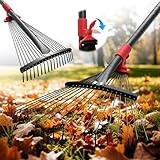
As an Amazon Associate I earn from qualifying purchases.
Prices and availability are accurate as of November 20, 2026 06:00 and are subject to change.
Rakes For Pine Needles Overview
Rakes for pine needles are specialized gardening tools designed to efficiently collect and remove pine needles from lawns, gardens, and other outdoor spaces. These rakes typically feature flexible or adjustable tines that allow for gentle yet effective pickup of the delicate needles without causing damage to the underlying surface. With the right rake, homeowners and gardeners can maintain a tidy and well-manicured appearance, even in areas with heavy pine tree coverage.
Pine needles can be a challenging material to work with, as they are prone to matting and tangling, making them difficult to remove with standard rakes. However, rakes specifically designed for pine needles are equipped with features such as extra-wide heads, angled tines, or unique tine configurations that enable easy collection and removal of the needles. This makes it easier to keep outdoor spaces clean and free of debris, reducing the risk of slippery surfaces and potential fire hazards.
When searching for the best rakes for pine needles, it’s essential to consider factors such as the size of the area to be raked, the type of surface being worked on, and the desired level of durability and maintenance. Some rakes may be better suited for small, delicate areas, while others may be designed for larger, more heavy-duty applications. By selecting the right rake for the job, individuals can ensure efficient and effective removal of pine needles, saving time and effort in the long run.
In addition to their practical applications, rakes for pine needles can also be a valuable investment for homeowners and gardeners who take pride in their outdoor spaces. By keeping areas free of debris and maintaining a well-groomed appearance, individuals can enhance the beauty and value of their properties, creating inviting and enjoyable outdoor spaces for relaxation and recreation. Whether used for functional or aesthetic purposes, rakes for pine needles are an essential tool for anyone looking to keep their outdoor spaces clean and well-maintained.
The Best Rakes For Pine Needles
The
1. Ames 2915100 True Temper Rake for Pine Needles
is an excellent tool for anyone looking to clean up their yard after a long winter. With its sturdy steel handle and durable tines, this rake is perfect for picking up pine needles and other debris. The ergonomic design of the handle makes it comfortable to use for extended periods of time, reducing fatigue and strain on the back and arms.
One of the standout features of the Ames 2915100 True Temper Rake for Pine Needles is its ability to pick up large quantities of pine needles with ease. The tines are spaced perfectly to allow for maximum pickup without clogging, making it a huge time saver. Additionally, the rake is lightweight and easy to maneuver, making it perfect for use in tight spaces or for people with limited mobility. Overall, the Ames 2915100 True Temper Rake for Pine Needles is a high-quality tool that is sure to make quick work of any yard cleanup task.
The
2. Fiskars 393040-1001 IsoCore Rake for Pine Needles
is a top-of-the-line rake designed to make quick work of even the toughest yard cleanup tasks. With its advanced IsoCore technology, this rake is able to absorb shock and reduce vibration, making it more comfortable to use for extended periods of time. The durable steel tines are perfect for picking up pine needles and other debris, and the ergonomic handle is designed to reduce fatigue and strain.
One of the key benefits of the Fiskars 393040-1001 IsoCore Rake for Pine Needles is its ability to withstand heavy use. The rugged design and high-quality materials make it perfect for use in commercial or residential settings, and the advanced technology makes it more comfortable to use than other rakes on the market. Additionally, the rake is easy to clean and maintain, making it a great choice for people who want a low-maintenance tool. Overall, the Fiskars 393040-1001 IsoCore Rake for Pine Needles is a high-quality tool that is sure to make a great addition to any yard cleanup arsenal.
The
3. Razor-Back 2811100 Aluminum Rake for Pine Needles
is a lightweight and durable rake perfect for use in a variety of yard cleanup tasks. With its aluminum handle and steel tines, this rake is able to withstand heavy use without becoming too heavy or cumbersome. The ergonomic design of the handle makes it comfortable to use for extended periods of time, reducing fatigue and strain on the back and arms.
One of the standout features of the Razor-Back 2811100 Aluminum Rake for Pine Needles is its ability to pick up large quantities of pine needles with ease. The tines are spaced perfectly to allow for maximum pickup without clogging, making it a huge time saver. Additionally, the rake is easy to maneuver and perfect for use in tight spaces, making it a great choice for people with smaller yards or gardens. Overall, the Razor-Back 2811100 Aluminum Rake for Pine Needles is a high-quality tool that is sure to make quick work of any yard cleanup task.
The
4. Corona RK 65004 Thatch Rake for Pine Needles
is a versatile and durable rake perfect for use in a variety of yard cleanup tasks. With its curved steel tines and ergonomic handle, this rake is able to pick up pine needles and other debris with ease, while also being gentle on lawns and gardens. The rugged design and high-quality materials make it perfect for use in commercial or residential settings.
One of the key benefits of the Corona RK 65004 Thatch Rake for Pine Needles is its ability to be used for a variety of tasks. In addition to picking up pine needles, this rake is also perfect for dethatching lawns, removing dead leaves, and even cultivating soil. The curved tines make it easy to get into tight spaces and under plants, making it a great choice for people with gardens or flower beds. Overall, the Corona RK 65004 Thatch Rake for Pine Needles is a high-quality tool that is sure to make a great addition to any yard cleanup arsenal.
The
5. Bully Tools 92630 12-Gauge Rake for Pine Needles
is a heavy-duty rake perfect for use in commercial or residential settings. With its 12-gauge steel tines and fiberglass handle, this rake is able to withstand even the toughest yard cleanup tasks. The ergonomic design of the handle makes it comfortable to use for extended periods of time, reducing fatigue and strain on the back and arms.
One of the standout features of the Bully Tools 92630 12-Gauge Rake for Pine Needles is its ability to pick up large quantities of pine needles with ease. The tines are spaced perfectly to allow for maximum pickup without clogging, making it a huge time saver. Additionally, the rake is easy to clean and maintain, making it a great choice for people who want a low-maintenance tool. Overall, the Bully Tools 92630 12-Gauge Rake for Pine Needles is a high-quality tool that is sure to make quick work of any yard cleanup task, and its heavy-duty design makes it perfect for use in a variety of settings.
Why People Need to Buy Rakes for Pine Needles
Pine needles can be a significant problem for homeowners, especially those who live in areas with a high concentration of pine trees. These needles can accumulate quickly on lawns, gardens, and other outdoor spaces, creating an unsightly mess and potentially causing damage to plants and grass. One of the most effective ways to deal with pine needles is to use a rake specifically designed for this purpose. These rakes are typically designed with flexible tines that can easily collect and remove pine needles without causing damage to the underlying surface.
In addition to their aesthetic impact, pine needles can also pose a fire hazard if they are allowed to accumulate in large quantities. Dry pine needles are highly flammable and can ignite easily, potentially spreading quickly to other areas. By regularly raking up pine needles, homeowners can help to reduce this risk and keep their properties safe. Furthermore, removing pine needles can also help to improve the overall health of lawns and gardens by allowing air, water, and sunlight to reach the soil and plants more easily.
When it comes to choosing a rake for pine needles, there are several factors to consider. The size and material of the rake, as well as the type of tines it has, can all impact its effectiveness. Some rakes are designed specifically for use on large areas, while others are better suited for smaller spaces. Homeowners who are looking for a reliable and efficient way to remove pine needles from their properties should research the best rakes for pine needles and choose one that meets their specific needs.
Regularly raking up pine needles can also help to prevent the growth of weeds and other unwanted plants. By removing the layer of pine needles that can accumulate on lawns and gardens, homeowners can help to prevent weeds from germinating and growing. This can be especially important for homeowners who take pride in their outdoor spaces and want to keep them looking their best. By investing in a good quality rake and using it regularly, homeowners can help to keep their properties safe, healthy, and looking great.
Types of Rakes Suitable for Pine Needles
When it comes to raking pine needles, there are several types of rakes that can be used. The most common types include leaf rakes, garden rakes, and lawn rakes. Leaf rakes are the most popular choice for raking pine needles, as they have a fan-shaped head with flexible tines that can easily collect and gather the needles. Garden rakes, on the other hand, have a more sturdy head with thicker tines, making them better suited for heavier debris and thicker layers of pine needles. Lawn rakes are similar to garden rakes but have a more curved head, allowing for easier collection of pine needles from tight spaces.
Leaf rakes are further divided into two categories: metal leaf rakes and plastic leaf rakes. Metal leaf rakes are more durable and can withstand heavy use, but they can be heavier and more expensive. Plastic leaf rakes, on the other hand, are lighter and more affordable, but they may not be as durable as metal rakes. The choice between metal and plastic leaf rakes ultimately depends on personal preference and the amount of use the rake will get.
In addition to these types of rakes, there are also specialized rakes designed specifically for pine needles. These rakes typically have a unique head shape or tine configuration that allows for more efficient collection of pine needles. Some examples include rakes with angled tines or rakes with a curved head that can reach into tight spaces.
Overall, the type of rake used for pine needles will depend on the specific needs and preferences of the user. By considering the different types of rakes available, individuals can choose the best rake for their needs and make the process of raking pine needles easier and more efficient.
Benefits of Using a Rake for Pine Needles
Using a rake for pine needles can provide several benefits, including improved lawn health, enhanced aesthetic appeal, and increased safety. By removing pine needles from the lawn, individuals can help prevent the buildup of debris and promote healthy grass growth. This can lead to a more lush and vibrant lawn that is better equipped to withstand disease and pests.
In addition to the health benefits, raking pine needles can also enhance the aesthetic appeal of the lawn. A well-manicured lawn with neatly raked pine needles can add to the overall beauty and curb appeal of a property. This can be especially important for homeowners who take pride in their outdoor space and want to create a welcoming and inviting atmosphere.
Raking pine needles can also increase safety by reducing the risk of slips and falls. Pine needles can be slippery, especially when they are wet, and can pose a hazard to individuals who walk on them. By removing the pine needles, individuals can help create a safer and more stable surface that is less prone to accidents.
Furthermore, using a rake for pine needles can also help reduce the risk of fires. Dry pine needles can be highly flammable, and removing them can help reduce the risk of fires spreading. This is especially important in areas prone to wildfires or where there are nearby flammable materials.
Features to Consider When Choosing a Rake for Pine Needles
When choosing a rake for pine needles, there are several features to consider. One of the most important features is the material of the rake head and handle. Rakes with metal or wooden handles are generally more durable than those with plastic handles. The rake head should also be made of a durable material, such as metal or high-quality plastic, to withstand heavy use.
Another feature to consider is the size and shape of the rake head. A larger rake head can cover more area and collect more pine needles, but it may be heavier and more difficult to maneuver. A smaller rake head, on the other hand, may be lighter and easier to use, but it may require more passes to collect the same amount of pine needles.
The tine configuration is also an important feature to consider. Rakes with flexible tines are generally better suited for collecting pine needles, as they can bend and conform to the shape of the needles. Rakes with thicker, more rigid tines may be better suited for heavier debris or thicker layers of pine needles.
Additionally, the weight and balance of the rake should also be considered. A well-balanced rake with a comfortable weight can make it easier to use and reduce fatigue. Some rakes also come with ergonomic handles or cushioned grips, which can provide additional comfort and support during use.
Maintenance and Storage Tips for Rakes Used for Pine Needles
To extend the life of a rake used for pine needles, it is essential to properly maintain and store it. After each use, the rake should be cleaned to remove any debris or dirt that may have accumulated. This can be done by simply wiping the rake head with a cloth or rinsing it with water.
Regular maintenance can also help prevent damage to the rake. The rake head and handle should be inspected regularly for signs of wear or damage, and any damaged or broken parts should be replaced promptly. The rake should also be stored in a dry, protected area to prevent rust or corrosion.
When storing the rake, it is essential to choose a location that is out of the way and protected from the elements. A hook or hanging bracket can be used to hang the rake on a wall or in a shed, keeping it organized and easily accessible. The rake should also be stored with the tines facing down to prevent damage or bending.
By following these maintenance and storage tips, individuals can help extend the life of their rake and ensure it continues to perform well over time. This can help reduce the need for frequent replacements and save money in the long run. Additionally, proper maintenance and storage can also help prevent accidents and injuries by ensuring the rake is in good working condition.
Buying Guide for Rakes to Manage Pine Needles Effectively
When it comes to managing pine needles in your yard, having the right tool can make all the difference. Pine needles can be challenging to clean up due to their small size and tendency to get stuck in grass and other debris. A good rake can help you efficiently collect and remove pine needles, keeping your yard looking neat and tidy. In this guide, we will explore the key factors to consider when selecting a rake for pine needles, helping you find the best tool for your yard work needs.
Type of Rake
The type of rake you choose will depend on the size of your yard, the amount of pine needles you need to collect, and the type of terrain you are working with. For small yards with minimal pine needle coverage, a small, handheld rake may be sufficient. However, for larger yards or those with heavy pine needle coverage, a larger, fan-shaped rake or a leaf rake with a sturdy handle may be more effective. These larger rakes allow you to cover more ground with each pass, making the job of collecting pine needles much faster.
When considering the type of rake, it’s also important to think about the material it’s made from. Rakes can be made from a variety of materials, including metal, plastic, and wood. Metal rakes are often the most durable and can withstand heavy use, but they can also be heavy and may rust if not properly maintained. Plastic rakes are often lighter and less expensive, but they may not be as durable as metal rakes. Wooden rakes offer a middle ground, being both durable and aesthetically pleasing, but they may require more maintenance than other types of rakes.
Rake Size and Shape
The size and shape of the rake head are crucial factors to consider when buying a rake for pine needles. A rake with a wide head can cover more area with each pass, making it ideal for large yards or for collecting large amounts of pine needles. However, a wider head can also make it more difficult to maneuver in tight spaces or around obstacles. A narrower head, on the other hand, can be more versatile and easier to use in smaller areas, but it may require more passes to cover the same amount of ground.
The shape of the rake head is also important, as it can affect how well the rake collects pine needles. A fan-shaped rake head is often the best choice for collecting pine needles, as it allows you to scoop up the needles easily and effectively. Some rakes also come with a curved or angled head, which can be helpful for getting into tight spaces or under obstacles. Additionally, some rakes have a head with flexible tines, which can be beneficial for collecting pine needles without damaging the surrounding grass or plants.
Handle Material and Length
The material and length of the handle are also important factors to consider when buying a rake. A handle made from a durable material, such as fiberglass or wood, can provide the strength and stability you need to effectively collect pine needles. The length of the handle is also crucial, as it can affect your comfort and ability to use the rake. A longer handle can provide more leverage and reduce strain on your back, but it can also make the rake more difficult to maneuver in tight spaces.
When considering the handle, it’s also important to think about the grip and any additional features it may have. A comfortable, non-slip grip can make it easier to hold onto the rake, even when it’s wet or dirty. Some rakes also come with additional features, such as a padded grip or a handle that can be adjusted to different lengths. These features can enhance your comfort and usability, making it easier to collect pine needles for extended periods.
Tine Material and Spacing
The material and spacing of the tines are critical factors to consider when buying a rake for pine needles. The tines are the part of the rake that actually collects the pine needles, so they need to be sturdy and effective. Tines can be made from a variety of materials, including metal, plastic, and bamboo. Metal tines are often the most durable and can withstand heavy use, but they can also be heavy and may rust if not properly maintained.
The spacing of the tines is also important, as it can affect how well the rake collects pine needles. Tines that are too far apart may not be able to collect smaller pine needles, while tines that are too close together may get clogged with debris. A rake with adjustable tine spacing can be beneficial, as it allows you to customize the rake to your specific needs. Additionally, some rakes have tines with a unique shape or design, such as curved or angled tines, which can be helpful for collecting pine needles in tight spaces or under obstacles.
Weight and Balance
The weight and balance of the rake are also important factors to consider when buying a rake for pine needles. A rake that is too heavy can be difficult to maneuver and may cause strain on your back, while a rake that is too light may not be effective at collecting pine needles. A rake with a balanced design can make it easier to use, as it allows you to swing the rake back and forth without feeling unbalanced or unstable.
When considering the weight and balance of the rake, it’s also important to think about the distribution of weight. A rake with a head that is too heavy may be difficult to lift and maneuver, while a rake with a handle that is too heavy may be unbalanced and uncomfortable to use. A rake with a well-distributed weight can make it easier to use, as it allows you to swing the rake back and forth without feeling unbalanced or unstable. By choosing a rake with a good weight and balance, you can make the job of collecting pine needles much faster and more efficient, and find the best rakes for pine needles for your needs.
Maintenance and Durability
The maintenance and durability of the rake are also important factors to consider when buying a rake for pine needles. A rake that is easy to clean and maintain can make it easier to keep it in good condition, while a rake that is durable and long-lasting can provide years of effective use. A rake with a rust-resistant coating or a waterproof handle can be beneficial, as it can withstand exposure to the elements and heavy use.
When considering the maintenance and durability of the rake, it’s also important to think about the cost and value. A rake that is inexpensive but requires frequent replacement may not be the best value in the long run, while a rake that is more expensive but lasts for years may be a better investment. By choosing a rake that is durable and easy to maintain, you can make the job of collecting pine needles much faster and more efficient, and enjoy a well-manicured yard for years to come. Additionally, considering the cost and value of the rake can help you make an informed decision and find the right tool for your yard work needs.
Frequently Asked Questions
What are the best types of rakes for pine needles?
The best types of rakes for pine needles are typically those with flexible or fan-shaped heads, as these allow for easy collection and removal of the needles. These types of rakes usually have a series of thin, flexible tines that can be adjusted to different angles, making it easier to collect pine needles from various surfaces, including lawns, gardens, and landscaping features.
In addition to flexible or fan-shaped heads, some rakes also feature ergonomic handles, which can reduce fatigue and make it easier to maneuver the rake, especially when working with large or heavy piles of pine needles. Some rakes may also have specialized features, such as adjustable tine spacing or a built-in leaf collection bag, which can make the process of collecting pine needles more efficient and convenient.
How do I choose the right rake for my specific needs?
To choose the right rake for your specific needs, consider the size of the area you need to cover, the type of surface you will be raking, and the amount of pine needles you will be collecting. For smaller areas, such as gardens or landscaping features, a smaller, more lightweight rake may be sufficient. For larger areas, such as lawns, a larger, more heavy-duty rake may be needed.
It’s also important to consider the material and construction of the rake, as well as any additional features it may have. For example, a rake with a durable, rust-resistant head and a comfortable, ergonomic handle may be a good choice for heavy use or for raking large areas. Additionally, consider the price and value of the rake, as well as any customer reviews or ratings, to ensure you are getting a high-quality rake that meets your needs and budget.
What are the benefits of using a rake specifically designed for pine needles?
Using a rake specifically designed for pine needles can provide several benefits, including more efficient collection and removal of the needles. These rakes are typically designed with the unique characteristics of pine needles in mind, such as their small size and tendency to mat or clump together. As a result, they are often more effective at collecting and removing pine needles than general-purpose rakes.
In addition to more efficient collection and removal, rakes specifically designed for pine needles may also be easier to use and more comfortable to maneuver, especially when working with large or heavy piles of needles. This can reduce fatigue and make the process of raking more enjoyable and convenient. Furthermore, using a rake specifically designed for pine needles can also help to prevent damage to lawns, gardens, and other landscaping features, as it is less likely to tear or pull at the underlying surface.
Can I use a leaf blower to collect pine needles instead of a rake?
While a leaf blower can be used to collect pine needles, it may not be the most effective or efficient method, especially for smaller areas or for collecting needles from tight spaces or landscaping features. Leaf blowers can be loud, heavy, and difficult to maneuver, and may not provide the same level of precision or control as a rake.
However, for larger areas or for collecting pine needles from open spaces, a leaf blower can be a good option. Some leaf blowers also come with specialized attachments or features, such as a vacuum or collection bag, which can make it easier to collect and remove pine needles. Ultimately, the choice between a rake and a leaf blower will depend on your specific needs and preferences, as well as the size and type of area you are working with.
How do I maintain and store my pine needle rake to ensure it lasts a long time?
To maintain and store your pine needle rake, make sure to clean it regularly, especially after use, to prevent dirt and debris from building up on the head or handle. You can use a soft brush or cloth to wipe down the rake, and a mild soap or detergent to clean any stubborn stains or dirt.
It’s also important to store your pine needle rake in a dry, protected area, such as a shed or garage, to prevent damage from the elements. You can hang the rake on a hook or store it in a corner, making sure it is out of the way and not likely to be damaged or knocked over. Additionally, consider applying a rust-resistant coating or lubricant to the head and handle of the rake to protect it from corrosion and wear.
Are there any safety precautions I should take when using a pine needle rake?
Yes, there are several safety precautions you should take when using a pine needle rake, including wearing protective clothing, such as gloves and eye protection, to prevent injury from sharp or flying debris. You should also be careful when lifting or maneuvering the rake, especially if it is heavy or unwieldy, to prevent straining your back or losing your balance.
It’s also important to be aware of your surroundings when using a pine needle rake, including any obstacles or hazards, such as rocks, trees, or power lines. Make sure to rake in a well-lit area, and avoid raking in wet or slippery conditions, which can increase the risk of accidents or injuries. Additionally, consider having a first aid kit on hand, and knowing what to do in case of an emergency, such as a cut or strain.
Can I use a pine needle rake for other yard work tasks, such as collecting leaves or debris?
Yes, a pine needle rake can often be used for other yard work tasks, such as collecting leaves or debris, although it may not be the most effective or efficient tool for these tasks. The flexible or fan-shaped head of a pine needle rake can be useful for collecting and removing leaves or debris, especially from tight spaces or landscaping features.
However, for larger areas or for collecting heavier or bulkier materials, a different type of rake or tool may be more suitable. For example, a leaf rake or a garden rake may be better suited for collecting leaves or debris from larger areas, while a bow rake or a thatching rake may be better suited for heavier or more demanding tasks, such as collecting branches or removing thatch from lawns. Ultimately, the versatility of a pine needle rake will depend on its design and construction, as well as the specific tasks and materials you are working with.
Final Thoughts
In conclusion, maintaining a well-manicured lawn, especially one surrounded by pine trees, can be a daunting task without the right tools. Pine needles can be a nuisance, accumulating quickly and making it difficult to keep the yard clean. However, with the right equipment, this task can be made significantly easier. A high-quality rake designed specifically for handling pine needles can make all the difference, allowing homeowners to keep their lawns looking their best with minimal effort.
When it comes to selecting the best tool for the job, it’s essential to consider the unique challenges posed by pine needles. The best rakes for pine needles are designed with features such as durable tines, comfortable handles, and efficient collection systems, making quick work of even the largest piles of needles. By investing in one of these specialized rakes, homeowners can save time and effort, while also ensuring their lawn remains healthy and visually appealing. With the right rake by your side, you’ll be well on your way to a beautiful, pine-needle-free yard that you can enjoy all year round.