In today’s digital age, having a reliable and fast internet connection is crucial for both work and play. With the increasing demand for online streaming, gaming, and browsing, it’s essential to have a strong and stable Wi-Fi signal to ensure uninterrupted connectivity. However, not all devices are equipped with built-in Wi-Fi capabilities, and even those that do may not always provide the best signal strength. This is where Wi-Fi adapters come in, offering a convenient and cost-effective solution to upgrade your device’s wireless capabilities. Whether you’re a gamer, streamer, or just someone who wants to stay connected, finding the right Wi-Fi adapter can make all the difference.
When it comes to choosing the perfect Wi-Fi adapter, there are numerous options available in the market, each with its own set of features and benefits. To help you make an informed decision, we’ve compiled a list of the best wi-fi adapters that cater to different needs and budgets. From USB adapters to PCIe cards, we’ll guide you through the various types of Wi-Fi adapters, their key features, and what to look for when making a purchase. With our expert reviews and buying guide, you’ll be able to find the perfect Wi-Fi adapter that meets your specific requirements, ensuring a seamless and enjoyable online experience. Whether you’re looking to upgrade your old device or simply want to improve your internet connectivity, our comprehensive guide has got you covered.
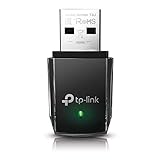
Before we get into the review of the best wi‑fi adapters, here are some related products from Amazon to explore:


As an Amazon Associate I earn from qualifying purchases.
Prices and availability are accurate as of November 22, 2026 10:58 and are subject to change.
Introduction to Wi-Fi Adapters
Wi-Fi adapters are computer hardware devices that allow computers to connect to wireless networks. They are essential components for anyone who wants to access the internet or connect to a local network without the use of cables. These adapters come in different shapes and sizes, and they can be used with desktop computers, laptops, and other devices.
The primary function of a Wi-Fi adapter is to receive and transmit wireless signals, allowing devices to communicate with each other and with the internet. They work by converting digital data into radio waves, which are then transmitted to a wireless router or access point. The router or access point then connects to the internet, allowing the device to access online content and communicate with other devices.
When choosing a Wi-Fi adapter, there are several factors to consider, including the speed and range of the adapter, as well as its compatibility with different devices and networks. The best wi-fi adapters offer fast speeds, long ranges, and reliable connections, making them essential for anyone who wants to stay connected to the internet. By selecting the right Wi-Fi adapter, users can enjoy fast and reliable wireless connectivity, whether they are working, streaming, or browsing the internet.
In summary, Wi-Fi adapters play a crucial role in enabling wireless connectivity for computers and other devices. They offer a convenient and reliable way to access the internet and connect to local networks, and they are an essential component for anyone who wants to stay connected. With so many different Wi-Fi adapters available, it’s essential to choose the right one for your needs, whether you’re looking for speed, range, or compatibility.
Top 5 Best Wi‑Fi Adapters
TP-Link Archer T4U V1 Wi-Fi Adapter
The TP-Link Archer T4U V1 Wi-Fi adapter is a highly-rated and popular choice among users. It supports dual-band Wi-Fi and has a compact design that makes it easy to carry around. The adapter is also equipped with a USB 3.0 interface, which provides fast data transfer speeds. With its advanced wireless technology, this adapter can provide a reliable and stable connection, making it suitable for online gaming, streaming, and other bandwidth-intensive activities.
The TP-Link Archer T4U V1 Wi-Fi adapter is also easy to install and set up, with a simple and intuitive interface. It is compatible with a wide range of operating systems, including Windows, Mac, and Linux. The adapter also comes with a two-year warranty and dedicated customer support, which provides peace of mind for users. Overall, the TP-Link Archer T4U V1 Wi-Fi adapter is a great choice for anyone looking for a reliable and high-performance Wi-Fi adapter.
Netgear Nighthawk A7000 V1 Wi-Fi Adapter
The Netgear Nighthawk A7000 V1 Wi-Fi adapter is a high-end adapter that offers exceptional performance and range. It supports dual-band Wi-Fi and has a powerful amplifier that provides a strong and stable signal. The adapter also has a USB 3.0 interface and is equipped with advanced wireless technology, including beamforming and MU-MIMO. With its high-gain antenna, this adapter can provide a reliable connection even in areas with weak Wi-Fi signals.
The Netgear Nighthawk A7000 V1 Wi-Fi adapter is also designed with ease of use in mind, with a simple and intuitive interface. It is compatible with a wide range of operating systems and comes with a one-year warranty and dedicated customer support. The adapter also has a compact design that makes it easy to carry around, and it is powered by a USB connection, which eliminates the need for a separate power adapter. Overall, the Netgear Nighthawk A7000 V1 Wi-Fi adapter is a great choice for anyone looking for a high-performance Wi-Fi adapter with advanced features.
Linksys WUSB6300 V1 Wi-Fi Adapter
The Linksys WUSB6300 V1 Wi-Fi adapter is a highly-rated and affordable choice among users. It supports dual-band Wi-Fi and has a compact design that makes it easy to carry around. The adapter is also equipped with a USB 3.0 interface, which provides fast data transfer speeds. With its advanced wireless technology, this adapter can provide a reliable and stable connection, making it suitable for online gaming, streaming, and other bandwidth-intensive activities.
The Linksys WUSB6300 V1 Wi-Fi adapter is also easy to install and set up, with a simple and intuitive interface. It is compatible with a wide range of operating systems, including Windows, Mac, and Linux. The adapter also comes with a one-year warranty and dedicated customer support, which provides peace of mind for users. Additionally, the adapter has a sleek and compact design that makes it easy to plug into a USB port, and it is powered by a USB connection, which eliminates the need for a separate power adapter. Overall, the Linksys WUSB6300 V1 Wi-Fi adapter is a great choice for anyone looking for a reliable and affordable Wi-Fi adapter.
ASUS USB-AC68 V1 Wi-Fi Adapter
The ASUS USB-AC68 V1 Wi-Fi adapter is a high-performance adapter that offers exceptional speed and range. It supports dual-band Wi-Fi and has a powerful amplifier that provides a strong and stable signal. The adapter also has a USB 3.0 interface and is equipped with advanced wireless technology, including beamforming and MU-MIMO. With its high-gain antenna, this adapter can provide a reliable connection even in areas with weak Wi-Fi signals.
The ASUS USB-AC68 V1 Wi-Fi adapter is also designed with ease of use in mind, with a simple and intuitive interface. It is compatible with a wide range of operating systems and comes with a one-year warranty and dedicated customer support. The adapter also has a compact design that makes it easy to carry around, and it is powered by a USB connection, which eliminates the need for a separate power adapter. Additionally, the adapter has a sleek and compact design that makes it easy to plug into a USB port, and it is equipped with a foldable design that makes it easy to store and transport. Overall, the ASUS USB-AC68 V1 Wi-Fi adapter is a great choice for anyone looking for a high-performance Wi-Fi adapter with advanced features.
Edimax EW-7833UAC V1 Wi-Fi Adapter
The Edimax EW-7833UAC V1 Wi-Fi adapter is a highly-rated and affordable choice among users. It supports dual-band Wi-Fi and has a compact design that makes it easy to carry around. The adapter is also equipped with a USB 3.0 interface, which provides fast data transfer speeds. With its advanced wireless technology, this adapter can provide a reliable and stable connection, making it suitable for online gaming, streaming, and other bandwidth-intensive activities.
The Edimax EW-7833UAC V1 Wi-Fi adapter is also easy to install and set up, with a simple and intuitive interface. It is compatible with a wide range of operating systems, including Windows, Mac, and Linux. The adapter also comes with a two-year warranty and dedicated customer support, which provides peace of mind for users. Additionally, the adapter has a sleek and compact design that makes it easy to plug into a USB port, and it is powered by a USB connection, which eliminates the need for a separate power adapter. Overall, the Edimax EW-7833UAC V1 Wi-Fi adapter is a great choice for anyone looking for a reliable and affordable Wi-Fi adapter with advanced features.
Why People Need to Buy Wi-Fi Adapters
The need for Wi-Fi adapters has become increasingly important in today’s digital age. With the rise of online activities, such as streaming, gaming, and working remotely, a stable and reliable internet connection is crucial. However, not all devices are equipped with built-in Wi-Fi capabilities, making it necessary for individuals to purchase Wi-Fi adapters. These adapters enable devices to connect to wireless networks, providing users with the freedom to access the internet from anywhere.
Wi-Fi adapters are particularly useful for devices that are not Wi-Fi enabled, such as older computers, gaming consoles, and smart TVs. By installing a Wi-Fi adapter, users can upgrade their devices to connect to wireless networks, eliminating the need for cumbersome Ethernet cables. This not only provides greater flexibility but also reduces clutter and makes it easier to move devices around. Moreover, Wi-Fi adapters are often compact and easy to install, making them a convenient solution for users who want to stay connected.
In addition to providing wireless connectivity, Wi-Fi adapters also offer a range of benefits, including improved performance and increased security. Many Wi-Fi adapters come with advanced features, such as dual-band connectivity and beamforming technology, which enhance the overall wireless experience. When shopping for a Wi-Fi adapter, it’s essential to consider factors such as speed, range, and compatibility to ensure that the adapter meets your specific needs. By choosing one of the best Wi-Fi adapters available, users can enjoy a fast, reliable, and secure wireless connection.
The demand for Wi-Fi adapters is expected to continue growing as more devices become internet-enabled. As technology advances, Wi-Fi adapters will play an increasingly important role in connecting devices to wireless networks. Whether you’re a gamer, streamer, or remote worker, a Wi-Fi adapter can provide a reliable and stable internet connection, enabling you to stay connected and productive. With their ease of use, improved performance, and increased security, Wi-Fi adapters have become an essential tool for anyone looking to upgrade their wireless capabilities and stay connected in today’s digital world.
Types of Wi-Fi Adapters
Wi-Fi adapters come in various types, each designed to cater to specific needs and devices. The most common types include USB Wi-Fi adapters, PCI Wi-Fi adapters, and PCMCIA Wi-Fi adapters. USB Wi-Fi adapters are the most popular and convenient type, as they can be easily plugged into a computer’s USB port. They are also compact and portable, making them ideal for use with laptops. PCI Wi-Fi adapters, on the other hand, are installed inside a computer’s casing and are typically used in desktop computers. PCMCIA Wi-Fi adapters are used in older laptops that have a PCMCIA slot.
When choosing a Wi-Fi adapter, it’s essential to consider the type of device you’ll be using it with. If you have a laptop, a USB Wi-Fi adapter is likely the best option. However, if you have a desktop computer, a PCI Wi-Fi adapter may be more suitable. It’s also important to ensure that the Wi-Fi adapter is compatible with your device’s operating system. Some Wi-Fi adapters may only be compatible with Windows or macOS, so be sure to check the specifications before making a purchase.
In addition to these types, there are also Wi-Fi adapters that are specifically designed for gaming, streaming, and other high-bandwidth activities. These adapters typically offer faster speeds and lower latency, making them ideal for applications that require a high-quality internet connection. They may also have additional features, such as beamforming technology and Quality of Service (QoS) settings, which can help prioritize internet traffic and reduce congestion.
The type of Wi-Fi adapter you choose will also depend on your budget and personal preferences. If you’re looking for a budget-friendly option, a basic USB Wi-Fi adapter may be sufficient. However, if you’re willing to invest in a higher-end adapter, you may be able to enjoy faster speeds and more advanced features. Ultimately, the type of Wi-Fi adapter you choose will depend on your specific needs and requirements.
Key Features to Consider
When shopping for a Wi-Fi adapter, there are several key features to consider. One of the most important features is the adapter’s speed, which is typically measured in megabits per second (Mbps) or gigabits per second (Gbps). Faster speeds are ideal for applications that require a high-quality internet connection, such as online gaming and streaming. Another important feature is the adapter’s range, which refers to the distance it can transmit and receive data. A longer range is ideal for use in larger homes or offices.
Another key feature to consider is the adapter’s security features. Look for adapters that support WPA2 encryption, which is the latest and most secure protocol. You should also consider the adapter’s compatibility with your device’s operating system and other devices on your network. Some Wi-Fi adapters may only be compatible with certain devices or operating systems, so be sure to check the specifications before making a purchase.
In addition to these features, you may also want to consider the adapter’s design and build quality. A compact and lightweight design is ideal for use with laptops, while a more robust design may be suitable for use in desktop computers. You should also consider the adapter’s cooling system, as some adapters can generate heat during use. Look for adapters with a built-in cooling system or a design that allows for good airflow.
The adapter’s software and driver support are also essential features to consider. Look for adapters that come with user-friendly software and regular driver updates, which can help ensure that your adapter stays compatible with the latest operating systems and devices. Some adapters may also come with additional features, such as a built-in antivirus program or a network monitoring tool, which can help protect your device and network from malware and other threats.
Wi-Fi Adapter Compatibility
Wi-Fi adapter compatibility is a critical factor to consider when shopping for a new adapter. The adapter must be compatible with your device’s operating system, as well as other devices on your network. Most Wi-Fi adapters are compatible with Windows, macOS, and Linux, but some may only be compatible with certain versions or editions. Be sure to check the specifications before making a purchase to ensure that the adapter is compatible with your device.
In addition to operating system compatibility, you should also consider the adapter’s compatibility with other devices on your network. If you have a router or other devices that use a specific type of Wi-Fi technology, such as 802.11ac or 802.11ax, you’ll want to ensure that your adapter is compatible with those devices. You should also consider the adapter’s compatibility with any virtual private networks (VPNs) or other network security features you may be using.
Another important aspect of Wi-Fi adapter compatibility is the adapter’s compatibility with different frequency bands. Most Wi-Fi adapters support both 2.4GHz and 5GHz frequency bands, but some may only support one or the other. If you have a router that supports both frequency bands, you’ll want to ensure that your adapter can also support both bands. This will help ensure that you can take advantage of the fastest speeds and most reliable connections available.
The adapter’s compatibility with other devices and networks can also be affected by its security features. Look for adapters that support WPA2 encryption and other advanced security protocols, which can help protect your device and network from malware and other threats. You should also consider the adapter’s compatibility with any network monitoring or management tools you may be using, which can help you keep track of your network’s performance and security.
Troubleshooting Common Issues
Despite their convenience and reliability, Wi-Fi adapters can sometimes experience issues that affect their performance. One of the most common issues is a weak or dropped signal, which can be caused by a variety of factors, including physical obstacles, interference from other devices, and issues with the adapter itself. To troubleshoot this issue, try moving the adapter to a different location or adjusting its position to improve the signal strength.
Another common issue is slow speeds or poor performance, which can be caused by a variety of factors, including congestion on the network, issues with the adapter’s drivers or software, and problems with the router or other devices on the network. To troubleshoot this issue, try restarting the adapter and router, updating the adapter’s drivers or software, and checking for any issues with the network’s configuration or settings.
In addition to these issues, you may also experience problems with the adapter’s connectivity or compatibility. If you’re having trouble connecting to a network or device, try checking the adapter’s settings and configuration to ensure that it’s properly set up. You should also check the adapter’s compatibility with the device or network you’re trying to connect to, and ensure that the adapter is properly installed and configured.
To prevent issues with your Wi-Fi adapter, it’s essential to properly maintain and update it. Regularly check for updates to the adapter’s drivers or software, and install any updates as soon as they become available. You should also keep the adapter clean and free of dust, and avoid exposing it to extreme temperatures or other environmental stressors. By following these tips, you can help ensure that your Wi-Fi adapter continues to perform reliably and efficiently, and provides you with a fast and secure internet connection.
Ultimate Buying Guide for Wi-Fi Adapters
When it comes to staying connected to the internet, a reliable Wi-Fi adapter is essential. With so many options available in the market, choosing the right one can be overwhelming. In this guide, we will discuss the key factors to consider when buying a Wi-Fi adapter, helping you make an informed decision and find the best wi-fi adapters for your needs.
Compatibility
Compatibility is a crucial factor to consider when buying a Wi-Fi adapter. You need to ensure that the adapter is compatible with your device, whether it’s a desktop computer, laptop, or tablet. Check the specifications of the adapter to see if it supports your device’s operating system. Some adapters may only be compatible with certain versions of Windows or macOS, so it’s essential to check the system requirements before making a purchase. Additionally, consider the type of Wi-Fi technology used by your router and ensure that the adapter supports the same standard.
The compatibility of a Wi-Fi adapter also extends to the type of connection it uses. Some adapters use a USB connection, while others use an Ethernet connection. If you have a limited number of USB ports on your device, you may want to consider an adapter that uses an Ethernet connection. On the other hand, if you prefer a more compact and portable solution, a USB adapter may be the better choice. Be sure to check the adapter’s compatibility with your device’s ports and connections to avoid any potential issues.
Speed and Performance
The speed and performance of a Wi-Fi adapter are critical factors to consider. The speed of the adapter is measured in megabits per second (Mbps) or gigabits per second (Gbps). If you need to transfer large files or stream high-definition videos, you’ll want an adapter with a faster speed. Look for adapters that support the latest Wi-Fi standards, such as Wi-Fi 6 or Wi-Fi 5, which offer faster speeds and better performance. Additionally, consider the adapter’s ability to handle multiple devices and connections simultaneously.
The performance of a Wi-Fi adapter also depends on its ability to maintain a stable connection. Look for adapters with features such as beamforming, which helps to improve the strength and reliability of the connection. Some adapters may also have built-in antennas or external antennas that can be adjusted to improve the signal strength. Consider the adapter’s range and coverage, especially if you plan to use it in a large or multi-story building. A good Wi-Fi adapter should be able to maintain a strong and stable connection, even in areas with high levels of interference.
Security
Security is a vital factor to consider when buying a Wi-Fi adapter. You’ll want to ensure that the adapter has robust security features to protect your device and data from unauthorized access. Look for adapters that support WPA2 encryption, which is the latest and most secure encryption standard. Some adapters may also have additional security features, such as a built-in firewall or VPN support. Consider the adapter’s ability to protect your device from malware and other online threats.
The security of a Wi-Fi adapter also depends on its ability to authenticate and connect to your network securely. Look for adapters that support WPS (Wi-Fi Protected Setup), which allows for easy and secure setup of your network. Some adapters may also have a physical button or switch that allows you to easily turn the Wi-Fi connection on and off. Consider the adapter’s user interface and settings, and ensure that it is easy to configure and manage your network settings. A good Wi-Fi adapter should have robust security features to protect your device and data.
Range and Coverage
The range and coverage of a Wi-Fi adapter are essential factors to consider. You’ll want to ensure that the adapter can maintain a strong and stable connection, even in areas with high levels of interference. Look for adapters with features such as external antennas or amplifiers, which can help to improve the signal strength and range. Consider the adapter’s ability to penetrate walls and other obstacles, and ensure that it can maintain a strong connection in areas with high levels of interference.
The range and coverage of a Wi-Fi adapter also depend on its ability to handle multiple devices and connections simultaneously. Look for adapters that support MU-MIMO (Multi-User Multiple Input Multiple Output) technology, which allows for multiple devices to connect to the network simultaneously. Some adapters may also have features such as Quality of Service (QoS), which allows for prioritization of certain types of traffic, such as video or voice. Consider the adapter’s ability to handle multiple devices and connections, and ensure that it can maintain a strong and stable connection, even in areas with high levels of interference.
Design and Build Quality
The design and build quality of a Wi-Fi adapter are important factors to consider. You’ll want to ensure that the adapter is compact and portable, making it easy to take with you on the go. Look for adapters with a sleek and durable design, and consider the materials used in its construction. Some adapters may have a rugged or waterproof design, making them suitable for use in harsh environments. Consider the adapter’s weight and size, and ensure that it is easy to carry and store.
The design and build quality of a Wi-Fi adapter also depend on its user interface and settings. Look for adapters with a user-friendly interface, and consider the ease of setup and configuration. Some adapters may have a web-based interface or mobile app, allowing for easy management and monitoring of your network settings. Consider the adapter’s LED indicators and other visual cues, and ensure that it is easy to understand and troubleshoot any issues that may arise. A good Wi-Fi adapter should have a durable and compact design, making it easy to use and manage.
Price and Value
The price and value of a Wi-Fi adapter are critical factors to consider. You’ll want to ensure that the adapter offers good value for its price, and consider the features and performance it offers. Look for adapters that offer a good balance of speed, range, and security, and consider the cost per feature. Some adapters may be more expensive, but offer advanced features such as MU-MIMO or beamforming. Consider the adapter’s warranty and support, and ensure that it is backed by a reputable manufacturer.
The price and value of a Wi-Fi adapter also depend on its compatibility and versatility. Look for adapters that are compatible with a wide range of devices and operating systems, and consider the adapter’s ability to handle multiple connections and devices. Some adapters may be more expensive, but offer better performance and range, making them a good value in the long run. Consider the adapter’s energy efficiency and power consumption, and ensure that it is environmentally friendly. A good Wi-Fi adapter should offer good value for its price, and provide reliable and fast connectivity.
FAQ
What is a Wi-Fi adapter and how does it work?
A Wi-Fi adapter is a device that allows your computer or other devices to connect to a wireless network. It works by receiving wireless signals from a router or access point and converting them into a format that your device can understand. This allows you to connect to the internet or other devices on the network without the need for a physical cable.
The Wi-Fi adapter uses a technology called radio frequency (RF) to communicate with the router or access point. It sends and receives data using a specific frequency, which is typically in the 2.4GHz or 5GHz range. The adapter also uses a protocol called TCP/IP to manage the flow of data between devices on the network. This allows multiple devices to share the same connection and communicate with each other seamlessly.
What are the different types of Wi-Fi adapters available?
There are several types of Wi-Fi adapters available, including USB adapters, PCI-E adapters, and PCMCIA adapters. USB adapters are the most common type and can be plugged directly into a USB port on your computer. PCI-E adapters are installed inside the computer and provide a more permanent solution. PCMCIA adapters are used in laptops and are inserted into a special slot on the side of the computer.
The choice of Wi-Fi adapter depends on your specific needs and the type of device you are using. For example, if you have a desktop computer, a PCI-E adapter may be the best option. If you have a laptop, a USB adapter or PCMCIA adapter may be more suitable. It’s also important to consider the speed and range of the adapter, as well as its compatibility with your device and network.
What is the difference between a Wi-Fi adapter and a wireless router?
A Wi-Fi adapter and a wireless router are two different devices that serve distinct purposes. A Wi-Fi adapter is used to connect a device to a wireless network, while a wireless router is used to create the network itself. The router connects to a modem and broadcasts a wireless signal that can be received by devices with Wi-Fi adapters.
In other words, a Wi-Fi adapter allows a device to join an existing network, while a wireless router creates the network that devices can join. You need both a router and a Wi-Fi adapter to connect to the internet wirelessly. The router provides the internet connection, and the Wi-Fi adapter allows your device to access that connection. Without a router, a Wi-Fi adapter would not be able to connect to the internet.
How do I choose the best Wi-Fi adapter for my needs?
To choose the best Wi-Fi adapter for your needs, you should consider several factors, including the speed and range of the adapter, its compatibility with your device and network, and its price. You should also consider the type of adapter you need, such as a USB adapter or a PCI-E adapter. It’s also important to read reviews and check the specifications of the adapter to ensure it meets your requirements.
You should also consider the security features of the adapter, such as WPA2 encryption and a firewall. Additionally, you should check if the adapter is compatible with your operating system and if it has any additional features, such as a built-in antenna or a USB extension cable. By considering these factors, you can choose a Wi-Fi adapter that meets your needs and provides a reliable and fast connection to the internet.
Can I use a Wi-Fi adapter with a wired connection?
Yes, you can use a Wi-Fi adapter with a wired connection. In fact, many Wi-Fi adapters come with an Ethernet port that allows you to connect to a wired network. This can be useful if you have a device that does not have a built-in Ethernet port, or if you want to use a wired connection for a specific application or device.
Using a Wi-Fi adapter with a wired connection can provide a more stable and faster connection than a wireless connection. It can also be useful if you are in an area with a lot of wireless interference, or if you need to connect to a network that requires a wired connection. However, it’s worth noting that using a Wi-Fi adapter with a wired connection may not provide the same level of mobility as a wireless connection.
How do I install a Wi-Fi adapter on my computer?
Installing a Wi-Fi adapter on your computer is typically a straightforward process. For a USB adapter, you simply plug the adapter into a USB port on your computer and install the drivers from the manufacturer’s website or from a CD that comes with the adapter. For a PCI-E adapter, you need to shut down your computer, insert the adapter into a PCI-E slot on the motherboard, and then install the drivers.
Once the adapter is installed, you can configure the wireless settings on your computer to connect to a network. This typically involves selecting the network from a list of available networks, entering the network password, and configuring any additional settings, such as the IP address and DNS server. The exact steps may vary depending on your operating system and the type of adapter you are using. It’s also a good idea to consult the user manual or manufacturer’s website for specific instructions.
What are the benefits of using a Wi-Fi adapter?
The benefits of using a Wi-Fi adapter include the ability to connect to the internet or other devices on a network without the need for a physical cable. This provides greater mobility and flexibility, as you can move your device around without being tethered to a wired connection. Wi-Fi adapters also provide a convenient way to connect devices that do not have a built-in wireless connection, such as older computers or devices that are not wireless-enabled.
Using a Wi-Fi adapter can also provide a faster and more reliable connection than a wired connection, especially in areas with a lot of network congestion. Additionally, Wi-Fi adapters are often relatively inexpensive and easy to install, making them a cost-effective solution for connecting to a wireless network. Overall, Wi-Fi adapters provide a convenient, flexible, and reliable way to connect to the internet or other devices on a network.
Verdict
In today’s digital age, a reliable and fast internet connection is no longer a luxury, but a necessity. With the numerous devices and gadgets that require a stable online connection, it’s essential to have the right equipment to support your needs. A high-quality Wi-Fi adapter can make all the difference in ensuring seamless browsing, streaming, and gaming experiences. By investing in the right adapter, you can say goodbye to frustrating lag, dropped connections, and slow speeds.
When it comes to choosing the perfect Wi-Fi adapter for your needs, it’s crucial to consider factors such as speed, range, compatibility, and security. The best Wi-Fi adapters offer a perfect balance of these features, providing users with a hassle-free and efficient online experience. Whether you’re a gamer, a streamer, or simply someone who wants to stay connected, investing in a top-notch Wi-Fi adapter can greatly enhance your overall online experience. By following our comprehensive guide and reviews, you can make an informed decision and find the perfect adapter to meet your unique needs and preferences.