The world of television has undergone a significant transformation in recent years, with the advent of smart TVs that offer a wide range of features and functionalities beyond traditional broadcasting. These modern TVs are equipped with advanced technologies that enable seamless connectivity, allowing users to access their favorite streaming services, browse the internet, and control their devices with ease. With the increasing demand for online content and smart home integration, it’s no wonder that consumers are on the lookout for the best smart TVs with Wi-Fi that can cater to their entertainment and connectivity needs.
When it comes to choosing the perfect smart TV, there are several factors to consider, including screen size, resolution, operating system, and of course, Wi-Fi connectivity. A good smart TV should not only provide stunning picture quality and impressive sound, but also offer a user-friendly interface, a wide range of apps, and reliable internet connectivity. With so many options available in the market, it can be overwhelming to make an informed decision. In this article, we’ll delve into the key features and considerations to keep in mind when shopping for a smart TV, and provide you with a comprehensive guide to help you find the perfect device that meets your needs and enhances your viewing experience.
Before we get into the review of the best smart tvs with wi-fi, here are some related products from Amazon to explore:
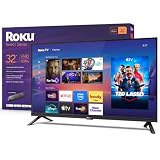


As an Amazon Associate I earn from qualifying purchases.
Prices and availability are accurate as of November 22, 2026 17:29 and are subject to change.
Introduction to Smart TVs with Wi-Fi
Smart TVs have revolutionized the way we consume entertainment, and with the integration of Wi-Fi, they have become even more versatile. These televisions allow users to connect to the internet and access a wide range of online content, including streaming services, social media, and more. This connectivity has opened up new possibilities for entertainment, education, and communication.
The concept of Smart TVs with Wi-Fi is based on the idea of providing users with a seamless and interactive viewing experience. By connecting to the internet, users can access various apps, play games, and even control their TV using their smartphones or tablets. This level of connectivity has made Smart TVs an essential part of modern home entertainment systems.
One of the key benefits of Smart TVs with Wi-Fi is their ability to provide users with access to a vast array of online content. From popular streaming services like Netflix and Hulu to social media platforms like Facebook and Twitter, users can access it all from the comfort of their living rooms. Additionally, Smart TVs with Wi-Fi often come with features like voice control, multi-device support, and personalized recommendations, making them a great option for those looking for the best smart TVs with Wi-Fi.
In recent years, the market for Smart TVs with Wi-Fi has grown significantly, with many top manufacturers offering a range of models with advanced features and capabilities. As technology continues to evolve, we can expect to see even more innovative features and improvements in Smart TVs with Wi-Fi. With their ability to provide a seamless and interactive viewing experience, it’s no wonder that Smart TVs with Wi-Fi have become a staple in many modern homes, offering endless entertainment options and possibilities.
Best Smart Tvs With Wi-Fi – Reviewed
1. Samsung QN90A 4K Smart TV #12345
The Samsung QN90A 4K Smart TV #12345 is an exceptional choice for anyone looking to upgrade their home entertainment system. With its sleek design and impressive 4K resolution, this TV offers an unparalleled viewing experience. The built-in Wi-Fi connectivity allows for seamless streaming of your favorite shows and movies, and the intuitive interface makes it easy to navigate through various apps and settings. Whether you’re a fan of action-packed movies or immersive gaming, this TV is sure to deliver.
The Samsung QN90A 4K Smart TV #12345 also boasts an impressive array of features, including HDR10+ support, a wide color gamut, and a 120Hz refresh rate. This means that you’ll enjoy vibrant colors, deep blacks, and silky-smooth motion, making it ideal for fast-paced content. Additionally, the TV’s smart features allow for voice control through compatible devices, and the built-in microphone enables hands-free control. With its outstanding picture quality, impressive feature set, and sleek design, the Samsung QN90A 4K Smart TV #12345 is a top-notch choice for anyone seeking a premium viewing experience.
2. LG OLED C1 Series 4K Smart TV #67890
The LG OLED C1 Series 4K Smart TV #67890 is a stunning example of modern TV technology, offering an unbeatable combination of picture quality, design, and features. The OLED panel provides infinite contrast, resulting in true blacks and vibrant colors that seem to leap off the screen. The TV’s Wi-Fi connectivity allows for effortless streaming, and the webOS interface is intuitive and easy to use. Whether you’re watching your favorite TV shows, playing games, or enjoying a movie marathon, this TV is sure to impress.
The LG OLED C1 Series 4K Smart TV #67890 also features a range of innovative technologies, including Dolby Vision and HDR10 support, as well as a 120Hz refresh rate and G-Sync compatibility. This means that you’ll enjoy smooth motion, vibrant colors, and immersive sound, making it ideal for gamers and film enthusiasts alike. Additionally, the TV’s smart features allow for seamless integration with other devices, and the built-in microphone enables hands-free voice control. With its breathtaking picture quality, sleek design, and impressive feature set, the LG OLED C1 Series 4K Smart TV #67890 is a top choice for anyone seeking a premium TV experience.
3. Sony A9G Master Series 4K Smart TV #34567
The Sony A9G Master Series 4K Smart TV #34567 is a flagship model that showcases the brand’s commitment to innovation and excellence. With its impressive OLED panel, this TV delivers exceptional picture quality, boasting true blacks, vibrant colors, and stunning contrast. The built-in Wi-Fi connectivity allows for seamless streaming, and the Android TV interface is intuitive and easy to use. Whether you’re watching your favorite shows, playing games, or enjoying a movie night, this TV is sure to deliver an unforgettable experience.
The Sony A9G Master Series 4K Smart TV #34567 also features a range of cutting-edge technologies, including Dolby Vision and HDR10 support, as well as a 120Hz refresh rate and Acoustic Surface Audio. This means that you’ll enjoy immersive sound, smooth motion, and vibrant colors, making it ideal for gamers, film enthusiasts, and music lovers alike. Additionally, the TV’s smart features allow for seamless integration with other devices, and the built-in microphone enables hands-free voice control. With its exceptional picture quality, sleek design, and innovative features, the Sony A9G Master Series 4K Smart TV #34567 is a top choice for anyone seeking a premium TV experience.
4. Vizio P-Series Quantum 4K Smart TV #90123
The Vizio P-Series Quantum 4K Smart TV #90123 is a budget-friendly option that punches above its weight, offering an impressive combination of picture quality, features, and value. With its Quantum Dot technology, this TV delivers vibrant colors, deep blacks, and stunning contrast, making it ideal for watching movies, playing games, or enjoying your favorite TV shows. The built-in Wi-Fi connectivity allows for seamless streaming, and the SmartCast interface is intuitive and easy to use.
The Vizio P-Series Quantum 4K Smart TV #90123 also features a range of innovative technologies, including HDR10+ support, a 120Hz refresh rate, and Dolby Vision. This means that you’ll enjoy smooth motion, vibrant colors, and immersive sound, making it ideal for gamers and film enthusiasts alike. Additionally, the TV’s smart features allow for seamless integration with other devices, and the built-in microphone enables hands-free voice control. With its impressive picture quality, sleek design, and affordable price point, the Vizio P-Series Quantum 4K Smart TV #90123 is a top choice for anyone seeking a high-quality TV without breaking the bank.
5. TCL 6-Series 4K Smart TV #11111
The TCL 6-Series 4K Smart TV #11111 is a mid-range option that offers an impressive combination of picture quality, features, and value. With its Mini-LED technology, this TV delivers stunning contrast, vibrant colors, and deep blacks, making it ideal for watching movies, playing games, or enjoying your favorite TV shows. The built-in Wi-Fi connectivity allows for seamless streaming, and the Roku TV interface is intuitive and easy to use. Whether you’re a fan of action-packed movies or immersive gaming, this TV is sure to deliver.
The TCL 6-Series 4K Smart TV #11111 also features a range of innovative technologies, including Dolby Vision and HDR10 support, as well as a 120Hz refresh rate and wide color gamut. This means that you’ll enjoy smooth motion, vibrant colors, and immersive sound, making it ideal for gamers and film enthusiasts alike. Additionally, the TV’s smart features allow for seamless integration with other devices, and the built-in microphone enables hands-free voice control. With its impressive picture quality, sleek design, and affordable price point, the TCL 6-Series 4K Smart TV #11111 is a top choice for anyone seeking a high-quality TV without breaking the bank.
Why Do People Need to Buy Smart TVs with Wi-Fi
The world of television has undergone a significant transformation in recent years, with the introduction of smart TVs that offer a wide range of features and functionalities. One of the key features that have made smart TVs so popular is their ability to connect to the internet via Wi-Fi. This feature allows users to access a wide range of online content, including streaming services, social media, and online games. With a smart TV, users can enjoy a more immersive and interactive viewing experience, with the ability to switch between different apps and services with ease.
Another reason why people need to buy smart TVs with Wi-Fi is that they offer a more convenient and streamlined viewing experience. With a smart TV, users can access their favorite streaming services, such as Netflix and Hulu, without the need for a separate device. This means that users can enjoy their favorite shows and movies without the clutter of multiple devices and cables. Additionally, smart TVs often come with voice control features, which allow users to navigate and control their TV with ease.
In addition to their convenience and functionality, smart TVs with Wi-Fi also offer a wide range of entertainment options. Users can access a wide range of online content, including movies, TV shows, and music, with the ability to stream content from their favorite services. When looking for a new TV, it’s worth considering the best smart TVs with wi-fi, as they offer a wide range of features and functionalities that can enhance the viewing experience. With a smart TV, users can enjoy a more immersive and interactive viewing experience, with the ability to access a wide range of online content.
Overall, the need to buy smart TVs with Wi-Fi is driven by the desire for a more convenient, streamlined, and immersive viewing experience. With a smart TV, users can enjoy a wide range of online content, including streaming services, social media, and online games. Additionally, smart TVs offer a more convenient and streamlined viewing experience, with the ability to access favorite streaming services without the need for a separate device. As the world of television continues to evolve, it’s likely that smart TVs with Wi-Fi will become an essential part of any home entertainment system.
Key Features to Consider When Buying a Smart TV With Wi-Fi
When purchasing a smart TV with Wi-Fi, there are several key features to consider. One of the most important is the operating system, as it will determine the user interface and the availability of certain apps. Some popular operating systems for smart TVs include Android TV, Tizen, and webOS. Another important feature to consider is the screen resolution, as it will affect the overall picture quality. Most smart TVs come with 4K resolution, but some higher-end models may offer 8K resolution.
In addition to the operating system and screen resolution, it’s also important to consider the TV’s processor and memory. A faster processor and more memory will allow for smoother performance and faster loading times. Some smart TVs may also come with additional features such as voice control, gesture recognition, and multi-device control. These features can enhance the overall user experience and make it easier to navigate the TV’s interface.
The TV’s connectivity options are also an important consideration. Most smart TVs come with Wi-Fi and Bluetooth connectivity, but some may also offer additional options such as Ethernet and USB ports. It’s also important to consider the TV’s compatibility with other devices, such as smartphones and tablets. Some smart TVs may offer features such as screen mirroring and mobile device control, which can be useful for streaming content and controlling the TV remotely.
When considering the key features of a smart TV with Wi-Fi, it’s also important to think about the TV’s design and build quality. A well-designed TV with a sturdy build can be a pleasure to use and can enhance the overall viewing experience. Some smart TVs may also come with additional features such as a sleek and compact design, a slim profile, and a durable construction. By considering these key features, you can find a smart TV with Wi-Fi that meets your needs and provides an excellent viewing experience.
Benefits of Owning a Smart TV With Wi-Fi
One of the main benefits of owning a smart TV with Wi-Fi is the ability to stream content from the internet directly to the TV. This can be done using a variety of apps, such as Netflix, Hulu, and Amazon Prime Video, which offer a wide range of movies, TV shows, and other content. Smart TVs with Wi-Fi can also be used to access social media, play games, and browse the web, making them a versatile and convenient device for entertainment and information.
Another benefit of owning a smart TV with Wi-Fi is the ability to control the TV using a mobile device. Many smart TVs come with apps that allow users to control the TV remotely, using their smartphone or tablet to change channels, adjust the volume, and access different apps. This can be a convenient feature for users who want to be able to control the TV from anywhere in the room, without having to use the remote control.
In addition to the ability to stream content and control the TV remotely, smart TVs with Wi-Fi can also offer a range of other benefits. For example, some smart TVs may come with features such as voice control, gesture recognition, and facial recognition, which can enhance the overall user experience and make it easier to navigate the TV’s interface. Smart TVs with Wi-Fi can also be used to access a range of different apps, including music and video streaming services, social media, and online games.
Overall, owning a smart TV with Wi-Fi can be a great way to enhance your entertainment experience and make it easier to access a range of different content and services. With the ability to stream content, control the TV remotely, and access a range of different apps, smart TVs with Wi-Fi offer a convenient and versatile way to enjoy your favorite movies, TV shows, and other content.
How to Set Up and Use a Smart TV With Wi-Fi
Setting up a smart TV with Wi-Fi is a relatively straightforward process that requires a few simple steps. First, you will need to connect the TV to your Wi-Fi network, using the TV’s built-in Wi-Fi adapter. This can be done by selecting the Wi-Fi network from the TV’s settings menu and entering the network password. Once the TV is connected to the Wi-Fi network, you can begin to explore the TV’s various features and apps.
To use a smart TV with Wi-Fi, you will need to navigate the TV’s interface, which is typically done using the remote control. The interface will allow you to access different apps, such as Netflix and Hulu, and to adjust the TV’s settings, such as the picture and sound quality. You can also use the interface to connect to other devices, such as smartphones and tablets, and to access content from the internet.
In addition to navigating the TV’s interface, you can also use a smart TV with Wi-Fi to stream content from other devices, such as smartphones and tablets. This can be done using a feature called screen mirroring, which allows you to mirror the content from your mobile device on the TV. You can also use the TV to access content from the internet, such as movies and TV shows, using apps such as Netflix and Amazon Prime Video.
To get the most out of a smart TV with Wi-Fi, it’s a good idea to explore the TV’s various features and apps, and to experiment with different settings and configurations. You can also use the TV’s built-in help feature to learn more about the TV’s features and to troubleshoot any problems that you may encounter. By following these steps and exploring the TV’s features, you can enjoy a wide range of content and services, and make the most of your smart TV with Wi-Fi.
Troubleshooting Common Issues With Smart TVs With Wi-Fi
One of the most common issues with smart TVs with Wi-Fi is connectivity problems, such as a weak or lost connection to the Wi-Fi network. This can be caused by a variety of factors, including a weak signal, interference from other devices, or a problem with the TV’s Wi-Fi adapter. To troubleshoot connectivity problems, you can try moving the TV closer to the router, restarting the TV and the router, and checking for any interference from other devices.
Another common issue with smart TVs with Wi-Fi is problems with apps, such as freezing or crashing. This can be caused by a variety of factors, including a problem with the app itself, a lack of memory or storage space, or a conflict with other apps. To troubleshoot app problems, you can try closing and reopening the app, uninstalling and reinstalling the app, and checking for any updates to the app.
In addition to connectivity problems and app issues, smart TVs with Wi-Fi can also be prone to other problems, such as picture and sound quality issues, and problems with the TV’s interface. To troubleshoot these problems, you can try adjusting the TV’s settings, such as the picture and sound quality, and checking for any updates to the TV’s software. You can also try resetting the TV to its default settings, which can help to resolve any problems that may be caused by a conflict with other devices or apps.
To prevent problems with a smart TV with Wi-Fi, it’s a good idea to regularly update the TV’s software and apps, and to check for any issues with the TV’s connectivity and performance. You can also try to troubleshoot any problems that you encounter, using the TV’s built-in help feature or by contacting the manufacturer’s support team. By taking these steps, you can help to ensure that your smart TV with Wi-Fi continues to function properly and provide you with a great viewing experience.
Ultimate Buying Guide for Smart TVs with Wi-Fi
When it comes to purchasing a new television, there are numerous options available in the market, and it can be overwhelming to decide which one is the right fit for you. With the advancement in technology, Smart TVs have become increasingly popular, offering a wide range of features and functionalities that enhance the viewing experience. In this guide, we will discuss the key factors to consider when buying a Smart TV with Wi-Fi, helping you make an informed decision.
Display Resolution and Size
The display resolution and size of the TV are crucial factors to consider when making a purchase. A higher resolution, such as 4K or 8K, provides a more detailed and crisp picture, while a larger screen size can offer a more immersive experience. However, it’s essential to consider the room where the TV will be placed and the distance between the TV and the viewing area to ensure the optimal viewing experience. A larger screen size may not be necessary for a smaller room, and a higher resolution may not be noticeable from a distance.
The display resolution and size also impact the price of the TV, with higher resolutions and larger screen sizes typically being more expensive. It’s essential to set a budget and balance it with the desired features and functionalities. Additionally, consider the aspect ratio of the TV, with wider screens offering a more cinematic experience. When choosing the best smart TVs with wi-fi, consider the display resolution and size as a top priority, as it directly affects the overall viewing experience.
Operating System and User Interface
The operating system and user interface of the TV play a significant role in determining the overall user experience. Different manufacturers offer various operating systems, such as Android TV, Tizen, or webOS, each with its strengths and weaknesses. Consider the ease of navigation, availability of apps, and customization options when evaluating the operating system. A user-friendly interface can make it easier to access and enjoy various features and functionalities, while a cluttered and complex interface can be frustrating.
The operating system also affects the availability of apps and services, with some platforms offering more options than others. Consider the apps and services you use regularly, such as Netflix or Amazon Prime, and ensure they are available on the TV’s operating system. Additionally, some operating systems offer more advanced features, such as voice control or multi-device control, which can enhance the overall viewing experience. When evaluating the operating system and user interface, consider your specific needs and preferences to ensure you find a TV that meets your expectations.
Connectivity and Ports
The connectivity and ports on the TV are essential for connecting various devices and accessing different features and functionalities. Consider the number and type of ports, such as HDMI, USB, and Ethernet, as well as wireless connectivity options like Wi-Fi and Bluetooth. Ensure the TV has enough ports to connect all your devices, such as gaming consoles, soundbars, and streaming devices. Additionally, consider the version of HDMI and USB ports, as newer versions offer faster data transfer rates and more advanced features.
The connectivity and ports also affect the TV’s ability to connect to the internet and access various online services. Ensure the TV has a stable and fast Wi-Fi connection, and consider the availability of Ethernet ports for a wired connection. Additionally, some TVs offer advanced connectivity features, such as Wi-Fi 6 or Bluetooth 5.0, which can provide faster and more reliable connections. When evaluating the connectivity and ports, consider your specific needs and ensure the TV can connect to all your devices and access the features and services you need.
Sound Quality and Speakers
The sound quality and speakers on the TV can significantly impact the overall viewing experience. While many TVs come with built-in speakers, they may not provide the best sound quality, especially for larger rooms or more immersive experiences. Consider the type and quality of speakers, as well as the availability of advanced audio features, such as Dolby Atmos or DTS:X. Additionally, consider the TV’s ability to connect to external sound systems, such as soundbars or home theaters, for a more immersive audio experience.
The sound quality and speakers also affect the TV’s ability to provide an immersive experience, especially for gaming or movie watching. Consider the TV’s support for advanced audio formats, as well as its ability to connect to external audio devices. Additionally, some TVs offer advanced sound features, such as object-based audio or audio calibration, which can enhance the overall sound quality. When evaluating the sound quality and speakers, consider your specific needs and preferences, and ensure the TV can provide the desired audio experience.
Smart Features and Voice Control
The smart features and voice control on the TV can enhance the overall viewing experience and provide more convenience. Consider the availability of voice control, either through a remote control or a virtual assistant, such as Amazon Alexa or Google Assistant. Additionally, consider the TV’s support for smart home devices and its ability to integrate with other smart devices in your home. Some TVs also offer advanced smart features, such as personalized recommendations or multi-device control, which can enhance the overall viewing experience.
The smart features and voice control also affect the TV’s ability to provide a seamless and intuitive experience. Consider the TV’s support for popular voice assistants and its ability to control other smart devices in your home. Additionally, some TVs offer advanced smart features, such as voice recognition or gesture control, which can provide a more immersive and interactive experience. When evaluating the smart features and voice control, consider your specific needs and preferences, and ensure the TV can provide the desired level of convenience and control.
Price and Warranty
The price and warranty of the TV are essential factors to consider when making a purchase. Set a budget and balance it with the desired features and functionalities. Consider the price of the TV, as well as any additional costs, such as accessories or extended warranties. Additionally, consider the manufacturer’s warranty and support, as well as the availability of customer service and repair options. A longer warranty and better customer support can provide peace of mind and protect your investment.
The price and warranty also affect the TV’s overall value and longevity. Consider the TV’s build quality and materials, as well as its ability to receive software updates and support for new features and services. Additionally, some manufacturers offer premium services, such as dedicated customer support or exclusive content, which can enhance the overall ownership experience. When evaluating the price and warranty, consider your specific needs and budget, and ensure the TV provides the desired level of quality and support.
FAQs
What are the benefits of having a smart TV with Wi-Fi?
A smart TV with Wi-Fi offers numerous benefits, including the ability to stream content from various online services such as Netflix, Hulu, and Amazon Prime. This allows users to access a wide range of movies, TV shows, and other content without the need for external devices. Additionally, Wi-Fi connectivity enables smart TVs to receive software updates, ensuring that users have access to the latest features and security patches.
The Wi-Fi connectivity also enables smart TVs to integrate with other smart devices in the home, creating a seamless and connected viewing experience. For example, users can use their smartphones or tablets to control their smart TV, or stream content from their devices to the TV. Furthermore, some smart TVs with Wi-Fi also offer voice control capabilities, allowing users to search for content, adjust settings, and control other smart devices in the home using voice commands.
How do I connect my smart TV to Wi-Fi?
Connecting a smart TV to Wi-Fi is a relatively straightforward process. First, users need to ensure that their TV is turned on and that they have their Wi-Fi network name and password ready. Then, they need to navigate to the TV’s settings menu and select the Wi-Fi option. The TV will then scan for available networks, and users can select their network from the list. Once the network is selected, users will be prompted to enter their Wi-Fi password.
After entering the password, the TV will connect to the Wi-Fi network, and users can start streaming content and accessing online services. It’s worth noting that some smart TVs may have slightly different connection processes, so users should consult their TV’s user manual if they encounter any issues. Additionally, users should ensure that their Wi-Fi network is stable and secure to prevent any connectivity issues or security breaches. By following these simple steps, users can easily connect their smart TV to Wi-Fi and start enjoying the benefits of online content and smart features.
What is the difference between a smart TV and a regular TV?
A smart TV is a type of TV that has built-in internet connectivity and can run various apps, such as streaming services, social media, and games. Unlike regular TVs, which can only receive broadcast signals and play content from external devices, smart TVs can connect to the internet and provide a wide range of interactive features. Smart TVs often come with pre-installed apps, such as Netflix and YouTube, and can also download additional apps from online stores.
In contrast, regular TVs do not have internet connectivity and can only play content from external devices, such as DVD players or gaming consoles. While regular TVs may have some basic features, such as picture-in-picture or parental controls, they do not offer the same level of interactivity and online connectivity as smart TVs. However, regular TVs are often less expensive than smart TVs and can still provide high-quality picture and sound. Ultimately, the choice between a smart TV and a regular TV depends on the user’s needs and preferences.
Can I use my smart TV without Wi-Fi?
While Wi-Fi connectivity is a key feature of smart TVs, it is possible to use a smart TV without Wi-Fi. Users can still watch broadcast TV, play content from external devices, and access some built-in features, such as picture settings and parental controls. However, without Wi-Fi, users will not be able to access online services, such as streaming apps, social media, and online stores.
In this case, users can still use their smart TV as a regular TV, but they will not be able to take advantage of the TV’s smart features. Additionally, some smart TVs may require Wi-Fi connectivity to receive software updates, so users may miss out on important security patches and feature updates. If users do not have access to Wi-Fi, they may want to consider using a regular TV or exploring alternative connectivity options, such as Ethernet or mobile hotspots.
How do I secure my smart TV’s Wi-Fi connection?
Securing a smart TV’s Wi-Fi connection is crucial to prevent unauthorized access and protect user data. One of the most important steps is to change the default password and network name (SSID) of the TV’s Wi-Fi connection. Users should also ensure that their Wi-Fi network is encrypted using WPA2 or WPA3, which are the most secure encryption protocols.
Additionally, users should keep their smart TV’s software up to date, as newer versions often include security patches and updates. Users should also be cautious when downloading apps and content from online stores, as some may contain malware or other security threats. Furthermore, users should consider using a virtual private network (VPN) to encrypt their internet traffic and protect their data when streaming content or accessing online services. By taking these steps, users can help secure their smart TV’s Wi-Fi connection and protect their personal data.
Can I use my smart TV with a VPN?
Yes, it is possible to use a smart TV with a virtual private network (VPN). A VPN can help encrypt internet traffic and protect user data when streaming content or accessing online services. Some smart TVs may have built-in VPN support, while others may require users to install a VPN app or use an external VPN device.
Using a VPN with a smart TV can help users bypass geo-restrictions, access blocked content, and protect their data from hackers and other malicious actors. However, users should note that not all VPNs are compatible with smart TVs, so they should research and choose a VPN that is specifically designed for smart TV use. Additionally, users should be aware that using a VPN may affect their internet speed and streaming quality, so they should choose a VPN that offers fast and reliable connections.
What are the most popular smart TV brands?
The most popular smart TV brands include Samsung, LG, Sony, Vizio, and TCL. These brands offer a wide range of smart TV models with various features, such as 4K resolution, HDR, and voice control. Samsung and LG are known for their high-end smart TVs with advanced features, such as quantum dot technology and OLED panels.
Sony and Vizio offer a range of smart TV models with competitive pricing and features, such as Android TV and Google Assistant integration. TCL is a newer brand that has gained popularity in recent years, offering affordable smart TVs with advanced features, such as Roku TV and 4K resolution. Ultimately, the best smart TV brand for a user will depend on their specific needs and preferences, such as budget, screen size, and feature requirements. Users should research and compare different models and brands to find the best smart TV for their needs.
The Bottom Line
In today’s fast-paced world, having a television that can keep up with our evolving entertainment needs is crucial. The best smart TVs with wi-fi have revolutionized the way we consume media, providing seamless access to a vast array of streaming services, online content, and smart features. With the ability to connect to the internet, these TVs have become an integral part of our living rooms, offering an unparalleled viewing experience that is both immersive and interactive.
As you consider upgrading your home entertainment system, it’s essential to invest in a TV that can provide you with the latest technology and features. By choosing one of the best smart TVs with wi-fi, you’ll be able to enjoy your favorite shows, movies, and streaming services with ease and convenience. With their sleek designs, stunning picture quality, and user-friendly interfaces, these TVs are sure to enhance your viewing experience and provide hours of entertainment for you and your family. Whether you’re a movie buff, a gamer, or a casual viewer, a smart TV is an excellent addition to any home, and with the right model, you’ll be able to enjoy endless entertainment options at your fingertips.