When it comes to attaching fabric to plastic, the right adhesive can make all the difference. Whether you’re a DIY enthusiast, a crafter, or a professional, finding a reliable and strong bond between these two materials can be a challenge. The wrong glue can result in a weak and messy bond, causing frustration and wasting time and resources. On the other hand, a good quality adhesive can provide a strong and lasting bond, making your project a success. With so many options available in the market, it can be overwhelming to choose the right one, which is why we have put together this comprehensive guide to help you find the best glues for fabric on plastic.
In this article, we will review and compare different types of adhesives that are suitable for bonding fabric to plastic, considering factors such as strength, durability, and ease of use. We will also provide a buying guide to help you make an informed decision when selecting an adhesive for your specific needs. From hot glue guns to epoxy adhesives, we will cover a range of options to ensure that you find the perfect one for your project. With the right adhesive, you can create strong and lasting bonds between fabric and plastic, and achieve professional-looking results. Whether you’re working on a small craft project or a large-scale industrial application, our guide will provide you with the knowledge and expertise to choose the right adhesive and get the job done.
Before we get into the review of the best glues for fabric on plastic, here are some related products from Amazon to explore:

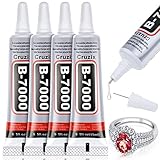


As an Amazon Associate I earn from qualifying purchases.
Prices and availability are accurate as of November 23, 2026 11:39 and are subject to change.
Introduction to Adhesives for Fabric and Plastic
When working with fabric and plastic materials, it’s essential to have the right adhesive to ensure a strong and lasting bond. There are various types of adhesives available, each with its unique characteristics and applications. The choice of adhesive depends on the type of fabric and plastic being used, as well as the intended use of the final product.
Adhesives for fabric and plastic come in different forms, including sprays, liquids, and tapes. Some adhesives are specifically designed for use with certain types of fabric, such as cotton or polyester, while others are more versatile and can be used with a variety of materials. The strength and flexibility of the adhesive are also important considerations, as they can affect the overall performance and durability of the bond.
In recent years, there has been an increasing demand for adhesives that can effectively bond fabric to plastic. This is due in part to the growing use of these materials in various industries, such as fashion, automotive, and medical devices. As a result, manufacturers have developed a range of adhesives that are specifically designed for this purpose, including the best glues for fabric on plastic.
The development of these adhesives has opened up new possibilities for designers and manufacturers, allowing them to create innovative products that combine the benefits of fabric and plastic. From clothing and upholstery to medical devices and automotive components, the use of adhesives for fabric and plastic has become an essential part of many industries. By choosing the right adhesive, manufacturers can ensure that their products are strong, durable, and meet the required standards of quality and performance.
Best Glues For Fabric On Plastic – Reviewed
1. Aleene’s Fabric Fusion 1
Aleene’s Fabric Fusion 1 is a popular choice for bonding fabric to plastic, and for good reason. It’s a flexible adhesive that dries clear and is suitable for a wide range of fabrics, from delicate cotton to thick upholstery materials. This glue is also easy to apply, with a simple brush-on application that makes it perfect for DIY projects and crafts.
One of the standout features of Aleene’s Fabric Fusion 1 is its ability to stretch and flex without cracking or losing its bond. This makes it ideal for applications where the fabric and plastic will be subject to movement or stress, such as in clothing or accessories. Additionally, this glue is washable and dryable, making it a great choice for projects that will be exposed to water or wear and tear. Overall, Aleene’s Fabric Fusion 1 is a reliable and versatile adhesive that is sure to become a staple in any crafter’s or DIYer’s toolbox.
2. E6000 Fabric Glue 2
E6000 Fabric Glue 2 is a strong and flexible adhesive that is specifically designed for bonding fabric to plastic and other materials. It’s a great choice for heavy-duty applications, such as in upholstery or automotive projects, where a strong and durable bond is required. This glue is also resistant to heat, cold, and chemicals, making it perfect for use in a wide range of environments.
One of the benefits of E6000 Fabric Glue 2 is its ability to bond a wide range of fabrics, including leather, vinyl, and canvas. It’s also easy to apply, with a simple brush-on or bead-on application that makes it perfect for large or small projects. Additionally, this glue is flexible and will stretch and flex without cracking or losing its bond, making it ideal for applications where movement or stress is a concern. Overall, E6000 Fabric Glue 2 is a strong and reliable adhesive that is sure to provide a long-lasting bond.
3. Fabric-Tac Fabric Glue 3
Fabric-Tac Fabric Glue 3 is a popular choice for bonding fabric to plastic and other materials, and is known for its strong and flexible bond. It’s a great choice for DIY projects and crafts, such as in sewing, quilting, and embroidery, where a reliable and easy-to-use adhesive is required. This glue is also easy to apply, with a simple brush-on application that makes it perfect for intricate or detailed work.
One of the benefits of Fabric-Tac Fabric Glue 3 is its ability to dry clear, making it perfect for applications where a visible bond is not desired. It’s also washable and dryable, making it a great choice for projects that will be exposed to water or wear and tear. Additionally, this glue is flexible and will stretch and flex without cracking or losing its bond, making it ideal for applications where movement or stress is a concern. Overall, Fabric-Tac Fabric Glue 3 is a reliable and versatile adhesive that is sure to become a staple in any crafter’s or DIYer’s toolbox.
4. Gem-Tac Fabric Glue 4
Gem-Tac Fabric Glue 4 is a strong and flexible adhesive that is specifically designed for bonding fabric to plastic and other materials. It’s a great choice for heavy-duty applications, such as in upholstery or automotive projects, where a strong and durable bond is required. This glue is also resistant to heat, cold, and chemicals, making it perfect for use in a wide range of environments.
One of the benefits of Gem-Tac Fabric Glue 4 is its ability to bond a wide range of fabrics, including leather, vinyl, and canvas. It’s also easy to apply, with a simple brush-on or bead-on application that makes it perfect for large or small projects. Additionally, this glue is flexible and will stretch and flex without cracking or losing its bond, making it ideal for applications where movement or stress is a concern. Overall, Gem-Tac Fabric Glue 4 is a strong and reliable adhesive that is sure to provide a long-lasting bond.
5. Tear Mender Fabric Glue 5
Tear Mender Fabric Glue 5 is a popular choice for bonding fabric to plastic and other materials, and is known for its strong and flexible bond. It’s a great choice for DIY projects and crafts, such as in sewing, quilting, and embroidery, where a reliable and easy-to-use adhesive is required. This glue is also easy to apply, with a simple brush-on application that makes it perfect for intricate or detailed work.
One of the benefits of Tear Mender Fabric Glue 5 is its ability to dry clear, making it perfect for applications where a visible bond is not desired. It’s also washable and dryable, making it a great choice for projects that will be exposed to water or wear and tear. Additionally, this glue is flexible and will stretch and flex without cracking or losing its bond, making it ideal for applications where movement or stress is a concern. Overall, Tear Mender Fabric Glue 5 is a reliable and versatile adhesive that is sure to become a staple in any crafter’s or DIYer’s toolbox.
Adhesives for Unconventional Materials: Why People Need Special Glues
When working with different materials, such as fabric and plastic, it becomes apparent that regular adhesives may not be effective. This is because various materials have distinct properties that affect their ability to bond with one another. Fabric, for instance, is a porous and flexible material that requires an adhesive that can accommodate its texture and movement. On the other hand, plastic is a non-porous and rigid material that needs an adhesive that can create a strong and lasting bond.
The need for specialized adhesives arises from the fact that conventional glues may not provide the desired results when working with fabric and plastic. Regular adhesives may not be able to penetrate the fabric or create a strong bond with the plastic, leading to a weak and unreliable attachment. This can be frustrating, especially when working on projects that require a high level of durability and stability. As a result, people need to seek out adhesives that are specifically designed for bonding fabric to plastic.
There are several situations where people may need to attach fabric to plastic, such as in crafting, upholstery, or costume design. In these cases, having the right adhesive is crucial to achieving the desired outcome. The best glues for fabric on plastic are those that can create a strong and flexible bond, allowing the fabric to move and stretch without compromising the attachment. These adhesives are often specially formulated to accommodate the unique properties of both materials, ensuring a reliable and long-lasting bond.
In conclusion, the need for specialized adhesives when working with fabric and plastic is evident. By using the right adhesive, individuals can achieve a strong and reliable bond between these two materials, ensuring that their projects are durable and long-lasting. Whether it’s for crafting, upholstery, or other applications, having the right adhesive can make all the difference in the success of the project. With the wide range of adhesives available, it’s essential to choose the one that best suits the specific needs of the project, taking into account the properties of both the fabric and plastic materials.
Types of Glues Suitable for Fabric on Plastic
When it comes to bonding fabric to plastic, there are several types of glues that can be used. One of the most common types is cyanoacrylate, also known as super glue. This type of glue is known for its strong bonding properties and is often used in crafts and DIY projects. Another type of glue that can be used is epoxy, which is a two-part glue that is mixed together to create a strong bond. Epoxy is often used in industrial applications, but can also be used in crafts and DIY projects.
Hot glue is another type of glue that can be used to bond fabric to plastic. This type of glue is applied using a hot glue gun and is known for its strong bonding properties. Hot glue is often used in crafts and DIY projects, but can also be used in industrial applications. Acrylic glue is also a popular choice for bonding fabric to plastic. This type of glue is known for its flexibility and is often used in applications where the bonded materials will be subject to stress or vibration.
In addition to these types of glues, there are also several specialty glues that can be used to bond fabric to plastic. For example, some glues are specifically designed for use with certain types of fabric, such as cotton or polyester. Other glues are designed for use in specific applications, such as crafting or industrial manufacturing. When choosing a glue, it’s important to consider the specific needs of your project and choose a glue that is suitable for the materials and applications you will be using.
The type of glue used can also depend on the desired finish and appearance of the project. For example, some glues may leave a visible residue or stain on the fabric or plastic, while others may be clear and invisible. Some glues may also have a strong odor or require special ventilation, while others may be odorless and safe to use in enclosed spaces. By considering these factors and choosing the right type of glue, you can achieve a strong and lasting bond between fabric and plastic.
Benefits of Using Glues for Fabric on Plastic
Using glues to bond fabric to plastic can have several benefits. One of the main benefits is the ability to create strong and lasting bonds between the two materials. This can be especially useful in applications where the bonded materials will be subject to stress or vibration, such as in clothing or upholstery. Another benefit of using glues is the ability to create a wide range of designs and patterns.
Glues can be used to bond fabric to plastic in a variety of ways, including applying the glue directly to the fabric or plastic, or using a combination of glues and other materials, such as threads or yarns. This allows for a high degree of creativity and flexibility in design, and can be used to create complex and intricate patterns. Additionally, glues can be used to bond a wide range of fabrics and plastics, including cotton, polyester, and nylon.
The use of glues can also be beneficial in terms of cost and efficiency. In many cases, glues can be used to bond fabric to plastic more quickly and easily than other methods, such as sewing or stitching. This can save time and money, and can also reduce the risk of errors or defects. Furthermore, glues can be used to bond fabric to plastic in a way that is resistant to water and other environmental factors, making them a good choice for applications where the bonded materials will be exposed to the elements.
In addition to these benefits, using glues to bond fabric to plastic can also be beneficial in terms of safety. In some cases, glues can be used to create bonds that are stronger and more durable than other methods, such as sewing or stitching. This can reduce the risk of accidents or injuries, and can also provide a higher level of protection against environmental factors such as water and sunlight.
Common Applications of Glues for Fabric on Plastic
Glues for fabric on plastic have a wide range of applications, from crafting and DIY projects to industrial manufacturing. One of the most common applications is in the production of clothing and textiles, where glues are used to bond fabric to plastic zippers, buttons, and other hardware. Glues are also used in the production of upholstery and furniture, where they are used to bond fabric to plastic frames and other components.
In addition to these applications, glues for fabric on plastic are also used in a variety of crafts and DIY projects. For example, glues can be used to bond fabric to plastic containers, such as boxes or bins, or to create decorative items, such as jewelry or ornaments. Glues can also be used to bond fabric to plastic models, such as cars or airplanes, or to create other types of crafts and hobbies.
Glues for fabric on plastic are also used in a variety of industrial applications, such as in the production of medical devices, automotive components, and other types of equipment. In these applications, glues are used to bond fabric to plastic components, such as tubes, hoses, and other types of hardware. The use of glues in these applications can provide a strong and lasting bond, and can also help to reduce the risk of errors or defects.
The use of glues for fabric on plastic can also be beneficial in terms of flexibility and versatility. Glues can be used to bond a wide range of fabrics and plastics, and can be applied using a variety of methods, including brushing, spraying, or applying with a glue gun. This allows for a high degree of flexibility and creativity in design, and can be used to create complex and intricate patterns and designs.
Tips and Precautions for Using Glues for Fabric on Plastic
When using glues to bond fabric to plastic, there are several tips and precautions to keep in mind. One of the most important is to choose the right type of glue for the specific application and materials being used. This can help to ensure a strong and lasting bond, and can also reduce the risk of errors or defects. Another important tip is to follow the instructions carefully, and to apply the glue in a well-ventilated area.
It’s also important to prepare the surfaces of the fabric and plastic before applying the glue. This can include cleaning the surfaces to remove any dirt or debris, and roughening the surfaces to create a better bond. Additionally, it’s a good idea to test the glue on a small area before applying it to the entire surface, to make sure that it doesn’t damage the fabric or plastic.
In addition to these tips, there are also several precautions to keep in mind when using glues for fabric on plastic. One of the most important is to avoid using glues in areas where they may be exposed to high temperatures or other environmental factors that could cause them to degrade. It’s also a good idea to avoid using glues on fabrics or plastics that may be damaged by the glue, such as silk or other delicate materials.
By following these tips and precautions, you can help to ensure a strong and lasting bond between fabric and plastic, and can also reduce the risk of errors or defects. It’s also a good idea to read the instructions carefully and to follow any safety precautions that are recommended by the manufacturer. This can help to ensure a safe and successful bonding process, and can also help to reduce the risk of accidents or injuries.
Buying Guide For Adhesives To Bond Fabric And Plastic
When it comes to bonding fabric and plastic, choosing the right adhesive can be a daunting task. With so many options available in the market, it is essential to consider several factors to ensure that you get the best results. Whether you are a DIY enthusiast, a crafter, or a professional, selecting the right adhesive can make all the difference in the success of your project.
Adhesive Type
The type of adhesive you choose will depend on the specific requirements of your project. There are several types of adhesives available, including hot glue, epoxy, acrylic, and silicone. Each type of adhesive has its own unique characteristics, such as drying time, flexibility, and strength. Hot glue, for example, is a popular choice for bonding fabric and plastic because it dries quickly and forms a strong bond. However, it can be brittle and prone to cracking over time. On the other hand, epoxy adhesives are known for their high strength and flexibility, making them a great choice for projects that require a high level of durability.
When choosing an adhesive type, consider the specific needs of your project. If you need a quick and easy solution, hot glue may be the way to go. However, if you need a more durable and flexible bond, epoxy or silicone may be a better option. It’s also important to consider the type of fabric and plastic you are working with, as some adhesives may not be compatible with certain materials. For example, some adhesives may not work well with polyester or nylon fabrics, while others may not be suitable for bonding with PVC or ABS plastics.
Adhesive Strength
The strength of the adhesive is another critical factor to consider when bonding fabric and plastic. The adhesive strength will depend on the type of adhesive you choose, as well as the surface preparation and application method. A strong adhesive bond is essential to ensure that the fabric and plastic remain attached over time, even when subjected to stress, vibration, or other environmental factors. A weak adhesive bond, on the other hand, can lead to a range of problems, including delamination, peeling, and separation of the fabric and plastic.
When evaluating the strength of an adhesive, look for products that have been tested and certified to meet specific standards. For example, some adhesives may be certified to meet the standards of the American Society for Testing and Materials (ASTM) or the International Organization for Standardization (ISO). You should also consider the tensile strength of the adhesive, which is a measure of its ability to resist stress and strain. A higher tensile strength generally indicates a stronger adhesive bond. Additionally, consider the shear strength of the adhesive, which is a measure of its ability to resist forces that cause the fabric and plastic to slide or separate.
Surface Preparation
Surface preparation is a critical step in ensuring a strong and durable adhesive bond between fabric and plastic. The surface of the fabric and plastic must be clean, dry, and free of contaminants, such as dirt, oil, or grease. Any imperfections or irregularities on the surface can compromise the adhesive bond, leading to a range of problems, including delamination, peeling, and separation. To prepare the surface, use a mild detergent and water to clean the fabric and plastic, and then dry them thoroughly with a clean cloth.
When preparing the surface, consider using a primer or surface treatment to enhance the adhesive bond. A primer can help to create a strong and durable bond between the adhesive and the surface of the fabric and plastic. Some adhesives may also require a specific surface treatment, such as sanding or roughening, to create a strong and durable bond. Be sure to follow the manufacturer’s instructions for surface preparation and application to ensure the best results. Additionally, consider the texture and porosity of the fabric and plastic, as these can affect the adhesive bond. For example, a rough or porous surface may require a different adhesive or surface treatment than a smooth surface.
Drying Time
The drying time of the adhesive is another important factor to consider when bonding fabric and plastic. The drying time will depend on the type of adhesive you choose, as well as the environmental conditions, such as temperature and humidity. Some adhesives, such as hot glue, dry quickly, while others, such as epoxy, may take longer to dry. A quick-drying adhesive can be convenient and easy to use, but it may not provide the strongest bond. On the other hand, a slower-drying adhesive may provide a stronger bond, but it may require more time and patience to apply and dry.
When evaluating the drying time of an adhesive, consider the specific needs of your project. If you need a quick and easy solution, a fast-drying adhesive may be the way to go. However, if you need a stronger and more durable bond, a slower-drying adhesive may be a better option. Be sure to follow the manufacturer’s instructions for application and drying to ensure the best results. Additionally, consider the environmental conditions in which the adhesive will be used, as these can affect the drying time and bond strength. For example, high temperatures or humidity can affect the drying time and bond strength of some adhesives.
Flexibility
The flexibility of the adhesive is another critical factor to consider when bonding fabric and plastic. The flexibility of the adhesive will depend on the type of adhesive you choose, as well as the surface preparation and application method. A flexible adhesive bond is essential to ensure that the fabric and plastic remain attached over time, even when subjected to stress, vibration, or other environmental factors. A rigid adhesive bond, on the other hand, can lead to a range of problems, including delamination, peeling, and separation of the fabric and plastic.
When evaluating the flexibility of an adhesive, look for products that have been tested and certified to meet specific standards. For example, some adhesives may be certified to meet the standards of the ASTM or ISO. You should also consider the elongation at break of the adhesive, which is a measure of its ability to stretch and deform without breaking. A higher elongation at break generally indicates a more flexible adhesive bond. Additionally, consider the types of fabric and plastic you are working with, as these can affect the flexibility of the adhesive bond. For example, a flexible fabric like cotton or polyester may require a more flexible adhesive than a rigid plastic like PVC or ABS.
Compatibility
The compatibility of the adhesive with the fabric and plastic is another important factor to consider when bonding these materials. The adhesive must be compatible with the specific types of fabric and plastic you are working with, as well as any other materials or substances that may be present. For example, some adhesives may not be compatible with certain types of fabric treatments, such as waterproofing or fire retardants. Others may not be compatible with certain types of plastic additives, such as UV stabilizers or impact modifiers. To ensure compatibility, read the label carefully and follow the manufacturer’s instructions for use. You can also test the adhesive on a small, inconspicuous area before applying it to the entire project.
When evaluating the compatibility of an adhesive, consider the specific needs of your project. If you are working with a variety of fabrics and plastics, you may need an adhesive that is compatible with multiple materials. Look for adhesives that are specifically designed for use with fabric and plastic, and follow the manufacturer’s instructions for use. Additionally, consider the best glues for fabric on plastic, and choose an adhesive that is suitable for your specific needs. By considering the compatibility of the adhesive, you can ensure a strong and durable bond between the fabric and plastic, and achieve the best results for your project.
FAQ
What is the best glue for fabric on plastic?
The best glue for fabric on plastic depends on the type of fabric and plastic being used, as well as the desired strength and flexibility of the bond. Some popular options include hot glue, epoxy, and acrylic adhesives. Hot glue is a good choice for bonding fabric to plastic because it dries quickly and forms a strong bond. However, it can be brittle and prone to cracking over time.
When choosing a glue for fabric on plastic, it’s also important to consider the thickness and texture of the fabric, as well as the surface roughness of the plastic. A thicker, more textured fabric may require a stronger adhesive, while a smoother plastic surface may require a more flexible adhesive. Additionally, some adhesives may be more suitable for certain types of plastic, such as polypropylene or polyethylene, so it’s a good idea to read the label and look for recommendations from the manufacturer.
How do I prepare the surface for gluing fabric to plastic?
To prepare the surface for gluing fabric to plastic, make sure the plastic is clean and dry. Any dirt, oil, or moisture on the surface can interfere with the adhesive and prevent a strong bond from forming. Use a mild detergent and water to wipe down the surface, and let it dry completely before applying the glue. You can also use a gentle scrubber or sandpaper to roughen the surface and create a better bond.
It’s also a good idea to trim the fabric to the desired size and shape before applying the glue. Make sure the fabric is free of any wrinkles or creases, and use a ruler or other straightedge to ensure a smooth, even application. If you’re using a hot glue gun, you may want to apply a small amount of glue to a test area first to make sure it doesn’t damage the fabric or plastic. This will help you avoid any mistakes and ensure a strong, lasting bond.
Can I use super glue to attach fabric to plastic?
Super glue, also known as cyanoacrylate, can be used to attach fabric to plastic in some cases. However, it’s not always the best choice because it can be brittle and prone to cracking over time. Super glue is best suited for bonding smooth, non-porous surfaces, and may not form a strong bond with fabric or rough plastic. Additionally, super glue can be difficult to work with because it dries so quickly, making it hard to position the fabric correctly before the glue sets.
If you do decide to use super glue, make sure to apply a small amount to a test area first to ensure it doesn’t damage the fabric or plastic. You should also use a low-odor, low-fume super glue to avoid any unpleasant smells or respiratory problems. It’s also a good idea to use a super glue that is specifically designed for bonding plastics, as these products are formulated to create a strong, flexible bond that can withstand stress and vibration. With the right precautions and techniques, super glue can be a good choice for attaching fabric to plastic.
How long does it take for the glue to dry?
The drying time for glue used to attach fabric to plastic can vary depending on the type of adhesive and the environmental conditions. Hot glue, for example, can dry in as little as 30 seconds to 1 minute, while epoxy and acrylic adhesives may take longer to dry, typically 15 minutes to several hours. The temperature and humidity of the surrounding environment can also affect the drying time, with warmer, drier conditions typically speeding up the process.
It’s generally a good idea to follow the manufacturer’s instructions for drying time, as this can vary depending on the specific product. You should also avoid touching or handling the glued area until it is fully dry, as this can interfere with the bonding process and create a weak or uneven bond. If you’re in a hurry, you can use a fan or a hair dryer on a low setting to speed up the drying process, but be careful not to apply too much heat, as this can damage the fabric or plastic.
Is it possible to remove the glue from fabric or plastic?
Yes, it is possible to remove glue from fabric or plastic, but the process can be difficult and may require some patience and persistence. The best way to remove glue depends on the type of adhesive and the surface it is bonded to. For hot glue, you can try using a hair dryer or a heat gun to soften the adhesive, and then gently peel it away from the surface. For epoxy and acrylic adhesives, you may need to use a solvent, such as acetone or nail polish remover, to dissolve the adhesive and break the bond.
When removing glue from fabric or plastic, it’s a good idea to test a small, inconspicuous area first to make sure you don’t damage the surface. You should also work slowly and carefully, using a gentle touch and a soft cloth to avoid scratching or tearing the fabric or plastic. If the glue is particularly stubborn, you can try using a combination of heat and solvent to break the bond, but be careful not to apply too much heat or use too harsh a solvent, as this can damage the surface or cause it to become discolored.
Can I use glue to attach fabric to plastic outdoors?
Yes, you can use glue to attach fabric to plastic outdoors, but you’ll need to choose a product that is specifically designed for outdoor use. These adhesives are typically formulated to withstand exposure to sunlight, moisture, and extreme temperatures, and may be labeled as “outdoor” or “weather-resistant.” Hot glue, epoxy, and acrylic adhesives can all be used outdoors, but you’ll need to make sure they are fully dry and cured before exposing them to the elements.
When using glue to attach fabric to plastic outdoors, it’s a good idea to apply a sealant or coating to protect the bond from moisture and UV light. You can use a clear acrylic spray or a silicone-based sealant to create a waterproof barrier that will help extend the life of the bond. You should also choose a fabric that is suitable for outdoor use, such as a waterproof or water-resistant material, and make sure the plastic surface is clean and dry before applying the glue. With the right adhesive and techniques, you can create a strong, lasting bond that will withstand the elements.
Final Verdict
In conclusion, the process of bonding fabric to plastic can be a challenging task, especially when it comes to selecting the right adhesive. With numerous options available in the market, it is essential to consider factors such as durability, flexibility, and resistance to various environmental conditions. By choosing the right glue, individuals can ensure a strong and long-lasting bond between the fabric and plastic, which is crucial for various applications, including crafts, DIY projects, and industrial manufacturing.
Ultimately, finding the best glues for fabric on plastic is critical to achieving a successful bonding process. By considering the factors mentioned in this article and selecting a high-quality adhesive, individuals can create strong and durable bonds that can withstand various stresses and strains. Whether you are a crafter, a DIY enthusiast, or an industrial manufacturer, using the right glue can make all the difference in the quality and longevity of your projects. With the right adhesive, you can create beautiful, functional, and long-lasting products that meet your needs and exceed your expectations.