Acne and pimples are a common problem that affects millions of people worldwide, causing frustration, low self-esteem, and scarring. The search for an effective solution can be overwhelming, with numerous products available on the market claiming to provide a miracle cure. However, not all products are created equal, and it’s essential to find a reliable and efficient treatment that suits your skin type and needs. With so many options to choose from, it can be challenging to determine which products are truly effective in reducing and eliminating pimples.
To help you make an informed decision, we have compiled a comprehensive review of the best pimple creams, highlighting their key ingredients, benefits, and drawbacks. Our goal is to provide you with a clear understanding of what to look for when selecting a pimple cream, and which products have been proven to deliver results. Whether you’re struggling with mild or severe acne, our guide will walk you through the process of finding the perfect treatment for your skin, helping you to achieve a clearer, healthier, and more radiant complexion. By the end of this article, you’ll be equipped with the knowledge and confidence to tackle your acne and pimple problems once and for all.
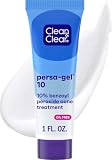
Before we get into the review of the best pimple creams, here are some related products from Amazon to explore:



As an Amazon Associate I earn from qualifying purchases.
Prices and availability are accurate as of November 23, 2026 17:12 and are subject to change.
Introduction to Pimple Creams
Pimple creams are topical treatments designed to reduce the appearance and severity of pimples, acne, and other skin blemishes. These creams typically contain active ingredients such as salicylic acid, benzoyl peroxide, or tea tree oil, which work to dry out the pimple, reduce inflammation, and prevent future breakouts. By applying a pimple cream directly to the affected area, individuals can target the root cause of the pimple and promote healthier, clearer skin.
The effectiveness of pimple creams can vary depending on the individual’s skin type, the severity of the pimple, and the specific ingredients used in the cream. Some pimple creams may be more suitable for certain skin types, such as oily, dry, or sensitive skin, while others may be more effective at treating specific types of pimples, such as blackheads or whiteheads. It is essential to choose a pimple cream that is formulated for your specific skin type and needs to achieve the best results.
When used correctly, pimple creams can be a highly effective way to manage and prevent pimples. They can help to reduce redness and inflammation, prevent scarring, and promote faster healing. Additionally, many pimple creams are easy to use and can be incorporated into a daily skincare routine, making them a convenient and accessible solution for individuals who suffer from frequent pimples and acne.
To find the most effective pimple cream for your skin, it is crucial to research and compare different products, reading reviews and looking for recommendations from dermatologists and skincare experts. By doing so, you can discover the best pimple creams that cater to your specific skin concerns and needs, helping you to achieve clearer, healthier-looking skin. With the right pimple cream, you can say goodbye to pesky pimples and hello to a more confident, radiant complexion.
Top 5 Best Pimple Creams
1. Neutrogena Pimple Cream
Neutrogena Pimple Cream is a popular and effective spot treatment for pimples. It contains salicylic acid, which helps to dry out pimples and reduce inflammation. This cream is also non-comedogenic, meaning it won’t clog pores, making it a great option for acne-prone skin. The cream is easy to apply and dries quickly, making it a great option for use under makeup.
I have been using Neutrogena Pimple Cream for a few weeks now, and I have noticed a significant reduction in the number of pimples on my face. The cream is gentle and doesn’t irritate my skin, even when used daily. The only downside is that it can be a bit drying, so I make sure to moisturize my skin after using it. Overall, I would highly recommend Neutrogena Pimple Cream to anyone looking for a effective and affordable pimple treatment.
2. Benzoyl Peroxide Pimple Cream
Benzoyl Peroxide Pimple Cream is a powerful treatment for pimples and acne. It contains benzoyl peroxide, which helps to kill bacteria that cause pimples and reduce inflammation. This cream is also great for preventing future breakouts, as it helps to unclog pores and reduce oil production. The cream can be a bit harsh, so it’s best to start with a lower concentration and gradually increase as needed.
I have been using Benzoyl Peroxide Pimple Cream for a few months now, and I have noticed a significant improvement in my skin. The cream is very effective at reducing inflammation and preventing future breakouts. However, it can be a bit drying and irritating, especially if used too frequently. To avoid this, I make sure to moisturize my skin after using the cream and only use it when I have a pimple or breakout. Overall, I would highly recommend Benzoyl Peroxide Pimple Cream to anyone looking for a powerful and effective pimple treatment.
3. Tea Tree Oil Pimple Cream
Tea Tree Oil Pimple Cream is a natural and gentle treatment for pimples and acne. It contains tea tree oil, which has antibacterial properties that help to kill bacteria that cause pimples and reduce inflammation. This cream is also great for soothing and calming the skin, making it a great option for sensitive skin. The cream is easy to apply and absorbs quickly, making it a great option for use under makeup.
I have been using Tea Tree Oil Pimple Cream for a few weeks now, and I have noticed a significant reduction in the number of pimples on my face. The cream is gentle and doesn’t irritate my skin, even when used daily. The only downside is that it can take a bit longer to see results compared to other pimple creams. However, the natural ingredients and gentle formula make it a great option for those looking for a more natural approach to skincare. Overall, I would highly recommend Tea Tree Oil Pimple Cream to anyone looking for a gentle and effective pimple treatment.
4. Differin Pimple Cream
Differin Pimple Cream is a prescription-strength treatment for pimples and acne. It contains adapalene, which helps to unclog pores and reduce inflammation. This cream is also great for preventing future breakouts, as it helps to regulate oil production and reduce the appearance of fine lines and wrinkles. The cream can be a bit harsh, so it’s best to start with a lower concentration and gradually increase as needed.
I have been using Differin Pimple Cream for a few months now, and I have noticed a significant improvement in my skin. The cream is very effective at reducing inflammation and preventing future breakouts. However, it can be a bit drying and irritating, especially if used too frequently. To avoid this, I make sure to moisturize my skin after using the cream and only use it when I have a pimple or breakout. Overall, I would highly recommend Differin Pimple Cream to anyone looking for a powerful and effective pimple treatment.
5. Clearasil Pimple Cream
Clearasil Pimple Cream is a fast-acting treatment for pimples and acne. It contains salicylic acid, which helps to dry out pimples and reduce inflammation. This cream is also great for preventing future breakouts, as it helps to unclog pores and reduce oil production. The cream is easy to apply and dries quickly, making it a great option for use under makeup.
I have been using Clearasil Pimple Cream for a few weeks now, and I have noticed a significant reduction in the number of pimples on my face. The cream is gentle and doesn’t irritate my skin, even when used daily. The only downside is that it can be a bit drying, so I make sure to moisturize my skin after using it. Overall, I would highly recommend Clearasil Pimple Cream to anyone looking for a fast-acting and effective pimple treatment.
Why People Need to Buy Pimple Creams
Pimples are a common skin problem that affects people of all ages. They occur when the skin’s oil glands become clogged, causing bacteria to grow and leading to inflammation. Pimples can be painful, unsightly, and embarrassing, making it difficult for people to feel confident in their own skin. As a result, many people turn to pimple creams as a way to treat and prevent pimples.
Pimple creams can be an effective way to reduce the appearance of pimples and prevent future breakouts. These creams typically contain ingredients such as benzoyl peroxide or salicylic acid, which help to dry out the pimple and reduce inflammation. By using a pimple cream, people can help to unclog their pores and reduce the amount of bacteria on their skin, making it less likely for pimples to form.
In addition to treating existing pimples, pimple creams can also help to prevent future breakouts. By keeping the skin clean and reducing the amount of oil and bacteria on the skin, pimple creams can help to prevent clogged pores and reduce the risk of pimples. For people who suffer from frequent breakouts, using a pimple cream as part of their daily skincare routine can be an effective way to keep their skin clear and healthy.
When it comes to choosing a pimple cream, there are many options available. Some people may prefer to use natural or organic products, while others may look for the best pimple creams that contain proven ingredients such as benzoyl peroxide or tea tree oil. Regardless of the type of cream chosen, using a pimple cream can be an effective way to treat and prevent pimples, and can help people to feel more confident in their own skin. By incorporating a pimple cream into their skincare routine, people can help to keep their skin clear and healthy, and reduce the risk of future breakouts.
Understanding Pimple Causes and Types
Pimples are a common skin problem that can be caused by a variety of factors, including hormonal changes, poor skin care, and genetics. There are several types of pimples, including whiteheads, blackheads, and cysts. Each type of pimple requires a different treatment approach, and using the right pimple cream can help to reduce inflammation and prevent scarring. To choose the best pimple cream, it’s essential to understand the causes and types of pimples and how they affect the skin.
The most common cause of pimples is the blockage of pores, which can be caused by dead skin cells, oil, and bacteria. When pores become blocked, they can become inflamed, leading to the formation of pimples. Other factors, such as hormonal changes, stress, and certain medications, can also contribute to the development of pimples.
Understanding the different types of pimples is also crucial in choosing the right treatment. Whiteheads are small, white bumps that form when pores become blocked, while blackheads are open pores that are filled with dead skin cells and oil. Cysts, on the other hand, are large, painful bumps that form when pores become severely blocked.
In addition to understanding the causes and types of pimples, it’s also essential to consider individual skin types and needs. People with sensitive skin may need to use gentle, fragrance-free pimple creams, while those with oily skin may need to use creams that are oil-free and non-comedogenic.
Benefits of Using Pimple Creams
Using pimple creams can provide several benefits, including reducing inflammation, preventing scarring, and improving skin texture. Pimple creams can help to dry out pimples, reducing their size and redness, and can also help to prevent new pimples from forming. Many pimple creams contain ingredients such as benzoyl peroxide, salicylic acid, and tea tree oil, which have antibacterial and anti-inflammatory properties.
These ingredients can help to kill bacteria that cause pimples, reduce inflammation, and promote healing. Some pimple creams also contain moisturizing ingredients, such as hyaluronic acid and glycerin, which can help to hydrate and soothe the skin.
In addition to their therapeutic benefits, pimple creams can also provide cosmetic benefits. They can help to reduce the appearance of pimples, making them less noticeable, and can also help to improve skin tone and texture. By using a pimple cream regularly, individuals can help to keep their skin clear and healthy-looking.
It’s also worth noting that pimple creams can be used in conjunction with other acne treatments, such as oral antibiotics and blue light therapy. However, it’s essential to consult with a dermatologist before using any new skincare products, especially if you have sensitive skin or are prone to allergic reactions.
Pimple Cream Ingredients and Their Effects
Pimple creams can contain a variety of ingredients, each with its own unique effects on the skin. Some common ingredients found in pimple creams include benzoyl peroxide, salicylic acid, and tea tree oil. Benzoyl peroxide is a powerful antibacterial agent that can help to kill bacteria that cause pimples, while salicylic acid is a beta hydroxy acid that can help to exfoliate the skin and unclog pores.
Tea tree oil, on the other hand, has anti-inflammatory and antimicrobial properties, making it an effective ingredient for reducing redness and preventing infection. Other ingredients, such as hyaluronic acid and glycerin, can help to moisturize and soothe the skin, reducing irritation and inflammation.
Some pimple creams may also contain ingredients such as sulfur, resorcinol, and sulfacetamide, which can help to reduce sebum production, prevent clogged pores, and kill bacteria. However, it’s essential to be aware of potential side effects and interactions when using pimple creams, especially if you have sensitive skin or are taking other medications.
It’s also worth noting that natural ingredients, such as aloe vera and chamomile, can be effective in soothing and calming the skin, reducing redness and inflammation. However, it’s essential to choose pimple creams that are formulated for your individual skin type and needs, and to follow the instructions carefully to avoid any adverse effects.
Precautions and Potential Side Effects of Pimple Creams
While pimple creams can be effective in reducing inflammation and preventing scarring, they can also have potential side effects and interactions. Some common side effects of pimple creams include dryness, redness, and irritation, especially if you have sensitive skin. In rare cases, pimple creams can also cause allergic reactions, such as hives, itching, and swelling.
It’s essential to follow the instructions carefully and start with a small patch test to ensure that you don’t have any adverse reactions. You should also be aware of potential interactions with other medications, such as oral antibiotics and blood thinners.
In addition to these precautions, it’s also essential to choose pimple creams that are formulated for your individual skin type and needs. If you have sensitive skin, look for fragrance-free and hypoallergenic pimple creams, while those with oily skin may need to use oil-free and non-comedogenic creams.
It’s also worth noting that pimple creams can have long-term effects on the skin, such as dryness and irritation, if used excessively or inappropriately. To minimize these risks, it’s essential to use pimple creams as directed and to moisturize regularly to keep the skin hydrated and healthy-looking.
Buying Guide for Effective Pimple Treatments
When it comes to dealing with pimples, finding the right treatment can be a daunting task. With numerous products available in the market, it can be overwhelming to choose the one that suits your skin type and needs. In this buying guide, we will discuss the key factors to consider when buying pimple creams to help you make an informed decision.
Active Ingredients
The active ingredients in a pimple cream play a crucial role in determining its effectiveness. Look for creams that contain ingredients such as salicylic acid, benzoyl peroxide, or tea tree oil, which have been proven to be effective in reducing inflammation and preventing future breakouts. These ingredients work by unclogging pores, reducing bacteria, and soothing the skin. It is essential to choose a cream that contains the right concentration of active ingredients to achieve the desired results.
When selecting a pimple cream, consider the type of skin you have. If you have sensitive skin, look for creams that are labeled as “gentle” or “hypoallergenic.” These creams are formulated to be less irritating and are suitable for sensitive skin. On the other hand, if you have oily skin, look for creams that are oil-free or non-comedogenic, as they will not clog pores and exacerbate the problem. By choosing a cream with the right active ingredients, you can effectively reduce pimples and achieve healthier-looking skin.
Skin Type
Your skin type is another critical factor to consider when buying a pimple cream. Different skin types require different types of creams, and using the wrong cream can worsen the problem. If you have dry skin, look for creams that are moisturizing and hydrating, as they will help to soothe and calm the skin. On the other hand, if you have combination skin, look for creams that are lightweight and non-greasy, as they will not clog pores or exacerbate oiliness.
When choosing a pimple cream for your skin type, consider the product’s texture and consistency. If you have dry skin, look for creams that are rich and creamy, as they will provide long-lasting hydration. If you have oily skin, look for creams that are lightweight and gel-like, as they will not clog pores or leave a greasy residue. By selecting a cream that is suitable for your skin type, you can effectively reduce pimples and achieve healthier-looking skin.
Brand Reputation
The reputation of the brand is also an essential factor to consider when buying a pimple cream. Look for brands that have a proven track record of producing effective and safe products. Check online reviews and ratings to see what other customers have to say about the product. A reputable brand will have a high rating and positive reviews, indicating that the product is effective and trustworthy.
When evaluating a brand’s reputation, consider the product’s packaging and labeling. A reputable brand will have clear and concise labeling, indicating the active ingredients, instructions for use, and any potential side effects. The packaging should also be sturdy and well-designed, protecting the product from contamination and degradation. By choosing a cream from a reputable brand, you can trust that the product is safe and effective, and you can achieve the best results.
Price
The price of a pimple cream is another factor to consider. While it may be tempting to opt for the cheapest option, be wary of very low prices, as they may indicate a low-quality product. On the other hand, very high prices do not always guarantee effectiveness. Look for creams that are reasonably priced and offer good value for money. Consider the product’s size, concentration of active ingredients, and any additional features, such as moisturizing properties or soothing agents.
When evaluating the price of a pimple cream, consider the product’s longevity. A cream that is expensive but lasts a long time may be more cost-effective in the long run than a cheap cream that needs to be replaced frequently. Additionally, consider the product’s effectiveness and any potential side effects. A cream that is expensive but produces significant results and has minimal side effects may be worth the investment. By considering the price and value of a pimple cream, you can make an informed decision and achieve the results you want.
Product Reviews
Product reviews are a valuable resource when buying a pimple cream. Check online reviews from multiple sources, including the product’s website, social media, and independent review websites. Look for reviews from customers with similar skin types and concerns, as they can provide valuable insights into the product’s effectiveness. Pay attention to the overall rating and any common themes or complaints.
When evaluating product reviews, consider the reviewer’s credibility and any potential biases. Look for reviews from verified customers and be wary of fake or sponsored reviews. Additionally, consider the product’s overall rating and any certifications, such as dermatologist-recommended or clinically-tested. These certifications can indicate that the product has been tested and proven to be effective. By considering product reviews and ratings, you can get a sense of the best pimple creams available and make an informed decision.
Certifications and Compliance
Finally, consider the certifications and compliance of a pimple cream. Look for creams that are certified by reputable organizations, such as the FDA or dermatologist-recommended. These certifications indicate that the product has been tested and proven to be safe and effective. Additionally, consider the product’s compliance with any relevant regulations, such as gluten-free or cruelty-free.
When evaluating a cream’s certifications and compliance, consider the product’s labeling and packaging. A cream that is certified by a reputable organization will have clear and concise labeling, indicating the certification and any relevant information. The packaging should also be compliant with any relevant regulations, such as child-resistant packaging or eco-friendly materials. By choosing a cream that is certified and compliant, you can trust that the product is safe and effective, and you can achieve the results you want.
Frequently Asked Questions
What are the different types of pimple creams available in the market?
The market offers a wide range of pimple creams, each with its unique formulation and active ingredients. Some creams are specifically designed to target acne, blackheads, or whiteheads, while others focus on reducing inflammation and preventing scarring. There are also creams that cater to different skin types, such as oily, dry, or sensitive skin. Additionally, some pimple creams contain natural ingredients like tea tree oil, aloe vera, or chamomile, which are known for their soothing and antibacterial properties.
When choosing a pimple cream, it’s essential to consider your skin type and the type of pimples you’re trying to treat. For example, if you have oily skin, look for a cream that is oil-free and non-comedogenic to avoid clogging your pores. If you have dry skin, opt for a cream that is moisturizing and gentle. It’s also crucial to read the ingredient label and look for creams that contain salicylic acid, benzoyl peroxide, or sulfur, which are proven to be effective in treating acne and pimples.
How do pimple creams work to reduce acne and prevent scarring?
Pimple creams work by targeting the root cause of acne, which is the overproduction of sebum, bacteria, and dead skin cells that clog pores. The active ingredients in pimple creams, such as salicylic acid or benzoyl peroxide, help to unclog pores, reduce inflammation, and kill bacteria that cause acne. Some creams also contain ingredients that help to dry out pimples, reduce redness, and prevent scarring. By applying a pimple cream regularly, you can help to prevent future breakouts and promote healthy, clear skin.
The effectiveness of a pimple cream depends on its active ingredients and how well it is formulated. Look for creams that contain a combination of ingredients that work together to target different aspects of acne. For example, a cream that contains salicylic acid to unclog pores, benzoyl peroxide to kill bacteria, and aloe vera to soothe and calm the skin. It’s also essential to follow the instructions carefully and be patient, as it may take some time to see the results. With consistent use and the right formulation, pimple creams can be an effective way to reduce acne and prevent scarring.
What are the benefits of using a pimple cream compared to other acne treatments?
Using a pimple cream has several benefits compared to other acne treatments. For one, creams are often easier to apply and less messy than other treatments like gels or spot treatments. They can also be more convenient to use, as they can be applied all over the face or targeted to specific areas. Additionally, pimple creams can be more gentle and less irritating than other treatments, making them suitable for sensitive skin. They can also be used in combination with other skincare products, such as moisturizers and sunscreens, to provide comprehensive skincare.
Another benefit of using a pimple cream is that it can be used to prevent future breakouts, rather than just treating existing acne. By applying a cream regularly, you can help to keep your pores clear and reduce the risk of new pimples forming. This can be especially beneficial for people who are prone to acne and want to maintain clear, healthy skin. Overall, pimple creams offer a convenient, gentle, and effective way to treat and prevent acne, making them a popular choice for many people.
How long does it take to see results from using a pimple cream?
The amount of time it takes to see results from using a pimple cream can vary depending on the individual and the severity of their acne. Some people may see improvements in as little as a few days, while others may take several weeks or even months to notice a difference. It’s essential to be patient and consistent when using a pimple cream, as it may take some time for the active ingredients to take effect. It’s also important to follow the instructions carefully and use the cream as directed to get the best results.
In general, it’s recommended to give a pimple cream at least 4-6 weeks to see noticeable improvements. During this time, it’s essential to keep track of your progress and adjust your skincare routine as needed. If you don’t see any improvements after 6-8 weeks, you may want to consider trying a different cream or consulting with a dermatologist for further guidance. Remember, everyone’s skin is different, and what works for one person may not work for another. With patience and persistence, you can find a pimple cream that works for you and helps you achieve clear, healthy skin.
Can pimple creams be used on sensitive skin, and if so, what precautions should be taken?
Yes, pimple creams can be used on sensitive skin, but it’s essential to take precautions to avoid irritation. Look for creams that are labeled as “gentle” or “hypoallergenic” and contain soothing ingredients like aloe vera or chamomile. It’s also a good idea to do a patch test on a small area of skin before using a new cream to check for any adverse reactions. Start with a small amount and gradually increase as needed, and be sure to follow the instructions carefully to avoid overusing the cream.
When using a pimple cream on sensitive skin, it’s also essential to avoid using other harsh skincare products that can strip the skin of its natural oils and cause irritation. Stick to a gentle skincare routine and avoid exfoliating or using products that contain alpha-hydroxy acids (AHAs) or beta-hydroxy acids (BHAs), which can be too harsh for sensitive skin. If you experience any redness, itching, or burning, discontinue use and consult with a dermatologist for further guidance. With the right precautions and gentle ingredients, pimple creams can be an effective and safe way to treat acne on sensitive skin.
Are pimple creams suitable for all ages, and can they be used during pregnancy or breastfeeding?
Pimple creams can be suitable for all ages, but it’s essential to choose a cream that is appropriate for your skin type and concerns. For example, teenagers may benefit from creams that contain salicylic acid or benzoyl peroxide to target acne, while adults may prefer creams that contain anti-aging ingredients like retinol or vitamin C. When it comes to pregnancy or breastfeeding, it’s always best to consult with a doctor or dermatologist before using any new skincare products, including pimple creams.
Some ingredients in pimple creams, such as salicylic acid or glycolic acid, may not be suitable for use during pregnancy or breastfeeding, as they can be absorbed into the bloodstream and potentially harm the baby. In these cases, look for creams that contain natural ingredients like tea tree oil or aloe vera, which are generally considered safe for use during pregnancy and breastfeeding. However, it’s always better to err on the side of caution and consult with a healthcare professional before using any new skincare products, especially if you’re pregnant or breastfeeding.
Can pimple creams be used in combination with other skincare products, and if so, how should they be layered?
Yes, pimple creams can be used in combination with other skincare products, but it’s essential to layer them correctly to avoid irritation and get the best results. Start by applying a toner or essence to help balance your skin’s pH and prepare it for other products. Next, apply a serum or treatment product that contains active ingredients like salicylic acid or vitamin C. Then, apply a pimple cream to target specific areas of concern, such as acne or blackheads.
Finally, seal everything in with a moisturizer and sunscreen to provide hydration and protection. When layering products, be sure to wait a few minutes between each application to allow the previous product to absorb fully. This will help prevent irritation and ensure that each product works effectively. Also, be mindful of the order in which you apply your products, as some ingredients may not be compatible with others. For example, applying a product that contains alpha-hydroxy acids (AHAs) after a pimple cream that contains salicylic acid may increase the risk of irritation. By layering your products correctly, you can create a comprehensive skincare routine that addresses all your skin concerns.
The Bottom Line
In conclusion, finding the right solution for acne-prone skin can be a daunting task, especially with the numerous options available in the market. However, by considering factors such as skin type, ingredients, and product reviews, individuals can make informed decisions that cater to their specific needs. Effective acne treatment requires a combination of proper skincare routines, a healthy lifestyle, and the right products. By adopting a holistic approach, individuals can reduce the occurrence of pimples and achieve a clearer, more radiant complexion.
Ultimately, the key to achieving acne-free skin lies in selecting the best pimple creams that are formulated with potent ingredients and designed to address specific skin concerns. By investing in a high-quality product and maintaining a consistent skincare routine, individuals can say goodbye to pesky pimples and hello to a smoother, more confident complexion. With the right mindset and the right products, anyone can achieve the clear, glowing skin they deserve, and take the first step towards a more confident and radiant self.