When it comes to outdoor cooking, having the right equipment can make all the difference between a delicious meal and a disappointing one. For many campers and outdoor enthusiasts, a good stove is an essential part of their gear, allowing them to prepare a wide range of dishes in the great outdoors. Whether you’re a seasoned backpacker or just starting to explore the world of camping, a reliable stove is a must-have for any adventure. From hearty stews to delicate sauces, a stove that can simmer is a vital component of any outdoor cooking setup.
For those in search of a stove that can handle the demands of simmering, the options can be overwhelming. With so many different models and brands on the market, it can be difficult to know where to start. That’s why we’ve put together a comprehensive guide to the best base camp stoves for simmering, helping you to make an informed decision and find the perfect stove for your needs. With a focus on performance, reliability, and ease of use, our guide will walk you through the key features and considerations to keep in mind when choosing a stove, ensuring that you’re well-equipped to prepare delicious meals on your next outdoor adventure.
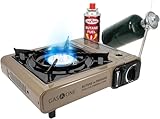
Before we get into the review of the best base camp stoves for simmering, here are some related products from Amazon to explore:



As an Amazon Associate I earn from qualifying purchases.
Prices and availability are accurate as of November 23, 2026 21:59 and are subject to change.
Introduction to Base Camp Stoves For Simmering
Base camp stoves are a crucial component of any outdoor adventure, providing a reliable means of preparing meals in the wilderness. These stoves are designed to be portable, durable, and efficient, allowing users to cook a variety of dishes in a range of environments. When it comes to simmering, a good base camp stove is essential, as it enables users to cook delicate dishes that require low heat and gentle flames.
One of the key benefits of base camp stoves is their versatility, as they can be used to prepare a wide range of meals, from hearty stews and soups to more delicate dishes like stir-fries and sauces. They are also highly portable, making them easy to transport to remote locations, and are often designed with durability in mind, allowing them to withstand the rigors of outdoor use. Whether you’re a seasoned outdoor enthusiast or just starting to explore the world of camping and backpacking, a good base camp stove is an essential piece of equipment.
In recent years, there has been a significant increase in the number of base camp stoves available on the market, making it easier than ever to find a model that meets your specific needs and preferences. From lightweight and compact stoves designed for solo travelers to larger, more robust models suited for group use, there are countless options to choose from. For those looking to prepare delicate dishes that require low heat and gentle flames, the best base camp stoves for simmering are a must-have, as they provide the necessary control and precision to cook a wide range of meals.
When selecting a base camp stove, there are several factors to consider, including fuel type, burner power, and durability. It’s also important to think about the types of meals you plan to prepare, as well as the number of people you’ll be cooking for. By taking the time to research and compare different models, you can find a stove that meets your specific needs and provides the performance and reliability you need to prepare delicious meals in the great outdoors.
The Best Base Camp Stoves For Simmering
The
MSR WhisperLite Universal 23510
is an excellent base camp stove for simmering due to its exceptional performance in various conditions. It features a reliable and durable design that allows for precise control over the flame, making it ideal for cooking delicate meals. The stove’s ability to run on multiple types of fuel, including white gas, diesel, and jet fuel, adds to its versatility and convenience.
In terms of simmering capabilities, the
MSR WhisperLite Universal 23510
truly shines. It can maintain a low flame for extended periods, allowing for gentle cooking and preventing the burning of sensitive foods. The stove’s pot supports are also designed to provide a stable and secure platform for large pots, making it perfect for cooking for groups. With its impressive performance and reliable design, the
MSR WhisperLite Universal 23510
is a top choice for base camp cooking and simmering.
The
Jetboil Flash 2.0 20145
is a high-performance base camp stove that excels in simmering due to its advanced design and features. It boasts a fast boil time and a highly efficient burner that can maintain a low flame for simmering. The stove’s compact and lightweight design makes it easy to transport and store, while its intuitive interface allows for easy operation. The
Jetboil Flash 2.0 20145
is also compatible with a variety of pot sizes and types, adding to its versatility.
In addition to its impressive performance, the
Jetboil Flash 2.0 20145
features a number of convenient and practical design elements. The stove’s built-in windscreen and heat exchanger help to improve efficiency and reduce heat loss, while its insulated pot supports provide a stable and secure platform for cooking. The
Jetboil Flash 2.0 20145
also comes with a variety of accessories, including a pot, lid, and fuel canister, making it a great value for its price. With its exceptional performance and convenient design, the
Jetboil Flash 2.0 20145
is an excellent choice for base camp cooking and simmering.
The
Primus OmniFuel II 2001
is a highly versatile and reliable base camp stove that is well-suited for simmering due to its advanced burner design and precise flame control. It can run on a variety of fuels, including gasoline, diesel, and jet fuel, making it a great choice for international travel or remote expeditions. The stove’s compact and lightweight design also makes it easy to transport and store, while its intuitive interface allows for easy operation.
In terms of simmering performance, the
Primus OmniFuel II 2001
is highly impressive. It can maintain a low flame for extended periods, allowing for gentle cooking and preventing the burning of sensitive foods. The stove’s pot supports are also designed to provide a stable and secure platform for large pots, making it perfect for cooking for groups. With its exceptional performance, reliable design, and versatile fuel options, the
Primus OmniFuel II 2001
is a top choice for base camp cooking and simmering.
The
Coleman Classic Camp Stove 2000020943
is a reliable and affordable base camp stove that is well-suited for simmering due to its simple and durable design. It features a classic two-burner design that provides a stable and secure platform for cooking, while its intuitive interface allows for easy operation. The stove’s compact and lightweight design also makes it easy to transport and store, while its affordable price makes it a great value for its performance.
In terms of simmering capabilities, the
Coleman Classic Camp Stove 2000020943
is highly capable. It can maintain a low flame for extended periods, allowing for gentle cooking and preventing the burning of sensitive foods. The stove’s pot supports are also designed to provide a stable and secure platform for large pots, making it perfect for cooking for groups. With its reliable design, affordable price, and impressive simmering performance, the
Coleman Classic Camp Stove 2000020943
is a great choice for base camp cooking and simmering.
The
MSR DragonFly 27823
is a highly advanced and versatile base camp stove that excels in simmering due to its advanced burner design and precise flame control. It features a unique dual-valve design that allows for precise control over the flame, making it ideal for cooking delicate meals. The stove’s ability to run on multiple types of fuel, including white gas, diesel, and jet fuel, adds to its versatility and convenience.
In terms of simmering performance, the
MSR DragonFly 27823
is truly exceptional. It can maintain a low flame for extended periods, allowing for gentle cooking and preventing the burning of sensitive foods. The stove’s pot supports are also designed to provide a stable and secure platform for large pots, making it perfect for cooking for groups. With its impressive performance, reliable design, and versatile fuel options, the
MSR DragonFly 27823
is a top choice for base camp cooking and simmering.
Importance of Base Camp Stoves for Simmering
When it comes to outdoor cooking, having the right equipment is crucial for a safe and enjoyable experience. One of the most essential items for any outdoor enthusiast is a reliable stove that can handle various cooking tasks, including simmering. Simmering is a low-heat cooking method that requires a stove to maintain a consistent and gentle flame, which can be challenging to achieve with standard camping stoves.
Simmering is an important cooking technique that allows for the preparation of a wide range of dishes, from soups and stews to sauces and braises. It requires a stove that can produce a low and steady flame, which can be difficult to achieve with standard camping stoves that are designed for high-heat cooking. Base camp stoves, on the other hand, are designed to provide a more controlled and adjustable flame, making them ideal for simmering and other low-heat cooking tasks.
The best base camp stoves for simmering are designed with a focus on adjustability and control, allowing users to fine-tune the flame to achieve the perfect simmer. These stoves often feature advanced burner technology and precision controls, making it easy to maintain a consistent and gentle flame. Additionally, base camp stoves are often designed with durability and reliability in mind, making them a great investment for outdoor enthusiasts who plan to spend a lot of time in the wilderness.
In addition to their ability to simmer, base camp stoves also offer a range of other benefits, including portability, ease of use, and fuel efficiency. They are designed to be compact and lightweight, making them easy to transport and set up in the field. Many base camp stoves also feature intuitive controls and automatic ignition, making it easy to get started with cooking right away. Overall, a good base camp stove is an essential piece of equipment for any outdoor enthusiast who wants to be able to cook a wide range of dishes in the wilderness.
Key Features to Look for in a Base Camp Stove for Simmering
When searching for the best base camp stove for simmering, there are several key features to consider. One of the most important features is the stove’s ability to maintain a low flame, which is essential for simmering. A stove with a low flame setting will allow you to cook delicate foods without burning them. Another feature to look for is the stove’s wind resistance, as this will ensure that the flame remains stable even in windy conditions. Additionally, consider the stove’s fuel efficiency, as this will help you save money and reduce your environmental impact.
A good base camp stove for simmering should also have a durable and sturdy design, able to withstand the rigors of outdoor use. Look for a stove with a heavy-duty construction and a stable base, which will prevent it from tipping over in the wind. The stove’s burner should also be made of a high-quality material, such as stainless steel or cast iron, which will provide excellent heat distribution and durability. Furthermore, consider the stove’s ease of use, as a complicated stove can be frustrating to operate, especially in a camping setting.
In addition to these features, consider the stove’s accessories and compatibility with different cookware. A stove with a versatile cooking surface, such as a grill or griddle, can be useful for cooking a variety of foods. Additionally, look for a stove that is compatible with different types of fuel, such as propane or white gas, which will give you more flexibility when camping. By considering these key features, you can find a base camp stove that meets your needs and provides excellent performance for simmering.
The weight and portability of the stove are also important factors to consider, especially if you plan to backpack or hike with the stove. A lightweight and compact stove can be easily carried in a backpack, making it ideal for long-distance hiking trips. However, be aware that lighter stoves may not be as durable or stable as heavier ones, so it’s essential to find a balance between weight and performance. By considering these factors, you can find a base camp stove that is both portable and reliable.
Benefits of Using a Base Camp Stove for Simmering
Using a base camp stove for simmering offers several benefits, including the ability to cook a wide variety of foods. Simmering is a versatile cooking method that can be used to cook everything from soups and stews to grains and legumes. A base camp stove with a simmering capability allows you to cook these foods slowly and gently, which helps to preserve their nutrients and flavors. Additionally, simmering can be a healthy cooking method, as it uses low heat and moisture to cook foods, which helps to retain their natural flavors and textures.
Another benefit of using a base camp stove for simmering is the ability to cook in a variety of environments. Whether you’re camping in the wilderness or cooking in a backyard, a base camp stove can provide a reliable and efficient way to cook meals. The stove’s portability and compact design make it easy to take on the go, and its wind resistance and stability ensure that it can be used in a variety of weather conditions. Furthermore, a base camp stove can be a cost-effective way to cook, as it uses fuel efficiently and can be used to cook a variety of foods.
In addition to these benefits, using a base camp stove for simmering can also be a fun and rewarding experience. Cooking outdoors can be a great way to connect with nature and enjoy the company of friends and family. A base camp stove provides a convenient and reliable way to cook meals, which allows you to focus on enjoying the outdoors and spending time with loved ones. Whether you’re a seasoned camper or just starting out, a base camp stove can be a valuable addition to your outdoor cooking gear.
The social benefits of using a base camp stove for simmering should not be overlooked. Cooking and sharing meals with others can be a great way to build relationships and create lasting memories. A base camp stove provides a convenient and efficient way to cook meals for large groups, which makes it ideal for family reunions, camping trips, and other outdoor gatherings. By using a base camp stove for simmering, you can enjoy the benefits of outdoor cooking while also spending quality time with others.
Types of Base Camp Stoves for Simmering
There are several types of base camp stoves available for simmering, each with its own unique features and benefits. One of the most popular types of stoves is the canister stove, which uses a portable fuel canister to provide a convenient and efficient way to cook. Canister stoves are lightweight and compact, making them ideal for backpacking and long-distance hiking trips. They are also relatively inexpensive and easy to use, which makes them a great option for beginners.
Another type of base camp stove is the liquid fuel stove, which uses a refillable fuel tank to provide a reliable and efficient way to cook. Liquid fuel stoves are often more powerful than canister stoves and can be used in a variety of weather conditions. They are also more versatile, as they can be used with different types of fuel and cookware. However, liquid fuel stoves can be heavier and more expensive than canister stoves, which may make them less appealing to some users.
In addition to these types of stoves, there are also hybrid stoves that combine the benefits of canister and liquid fuel stoves. Hybrid stoves use a combination of fuel sources, such as a canister and a fuel tank, to provide a reliable and efficient way to cook. These stoves are often more versatile and convenient than traditional stoves, as they can be used in a variety of environments and with different types of cookware. However, hybrid stoves can be more expensive and complex than traditional stoves, which may make them less appealing to some users.
The type of base camp stove you choose will depend on your specific needs and preferences. If you’re looking for a lightweight and compact stove for backpacking, a canister stove may be the best option. If you’re looking for a more powerful and versatile stove for car camping, a liquid fuel stove may be the better choice. By considering the different types of base camp stoves available, you can find the one that best meets your needs and provides excellent performance for simmering.
Tips for Using a Base Camp Stove for Simmering
Using a base camp stove for simmering requires some skill and practice, but with a few tips and tricks, you can become a pro in no time. One of the most important tips is to choose the right cookware for simmering. A heavy-duty pot or pan with a tight-fitting lid is essential for simmering, as it helps to distribute heat evenly and prevent food from burning. Additionally, consider using a windscreen or heat diffuser to help regulate the flame and prevent food from cooking too quickly.
Another tip for using a base camp stove for simmering is to use the right type of fuel. Different types of fuel, such as propane or white gas, can affect the performance of the stove and the quality of the food. Experiment with different types of fuel to find the one that works best for you and your stove. Additionally, make sure to follow the manufacturer’s instructions for fueling and operating the stove, as this will help to ensure safe and efficient operation.
In addition to these tips, it’s also important to practice simmering with your base camp stove before taking it on a camping trip. This will help you to get a feel for how the stove operates and how to adjust the flame for simmering. Start by practicing with simple dishes, such as soups or stews, and gradually move on to more complex recipes. By practicing with your stove, you can build your confidence and skills, and ensure that you’re able to cook delicious meals on your next camping trip.
Finally, don’t be afraid to experiment and try new recipes with your base camp stove. Simmering is a versatile cooking method that can be used to cook a wide variety of foods, from hearty stews to delicate sauces. By trying new recipes and ingredients, you can add some excitement and variety to your outdoor cooking routine, and discover new favorite dishes to enjoy on your camping trips. With a little practice and patience, you can become a master of simmering with your base camp stove and enjoy delicious meals in the great outdoors.
Buying Guide for Base Camp Stoves
When it comes to outdoor adventures, having a reliable stove is essential for preparing meals. A good base camp stove can make all the difference in providing a comfortable and enjoyable experience. In this buying guide, we will discuss the key factors to consider when selecting a base camp stove, particularly for simmering purposes.
Stove Type and Design
The type and design of the stove are crucial factors to consider. There are various types of stoves available, including canister stoves, liquid fuel stoves, and solid fuel stoves. Each type has its own advantages and disadvantages, and the choice ultimately depends on personal preference and needs. Canister stoves, for example, are lightweight and easy to use, while liquid fuel stoves offer more flexibility and reliability. The design of the stove is also important, with features such as wind protection and a stable base being essential for safe and efficient operation.
The design of the stove can also impact its performance and usability. A stove with a compact and lightweight design is ideal for backpacking and solo trips, while a larger and more heavy-duty stove may be more suitable for group camping and base camp use. Additionally, the material and construction of the stove can affect its durability and resistance to corrosion. A well-designed stove with a durable construction can withstand harsh outdoor conditions and provide years of reliable service.
Fuel Efficiency and Burn Time
Fuel efficiency and burn time are critical factors to consider when selecting a base camp stove. A stove that is fuel-efficient can help reduce fuel costs and minimize waste, while also providing a more environmentally friendly option. The burn time of the stove is also important, as it can impact the overall cooking time and convenience. A stove with a long burn time can allow for longer cooking sessions and reduce the need for frequent refueling.
The fuel efficiency and burn time of a stove can be affected by various factors, including the type of fuel used, the design of the stove, and the outdoor conditions. For example, a stove that uses a high-efficiency burner can provide a longer burn time and better fuel efficiency, while a stove that is designed for high-altitude use may require more fuel to maintain performance. Additionally, the wind and temperature conditions can also impact the fuel efficiency and burn time of the stove, making it essential to choose a stove that is designed to perform well in various outdoor conditions.
Simmering Capability
The simmering capability of a stove is a critical factor to consider, particularly for cooking delicate meals and sauces. A stove with a good simmering capability can provide a low and consistent flame, allowing for precise control over the cooking temperature. This is essential for cooking methods such as simmering, braising, and reducing, where a low and gentle heat is required. A stove with a poor simmering capability can result in burnt or overcooked food, making it essential to choose a stove that can provide a reliable and consistent performance.
The simmering capability of a stove can be affected by various factors, including the design of the burner, the fuel type, and the outdoor conditions. A stove with a well-designed burner and a high-quality fuel can provide a better simmering capability, while a stove that is designed for high-heat cooking may struggle to provide a low and consistent flame. Additionally, the wind and temperature conditions can also impact the simmering capability of the stove, making it essential to choose a stove that is designed to perform well in various outdoor conditions.
Wind Protection and Stability
Wind protection and stability are essential factors to consider when selecting a base camp stove. A stove with good wind protection can provide a stable and consistent flame, even in windy conditions. This is critical for safe and efficient cooking, as a stove that is exposed to wind can be prone to flare-ups and accidents. A stove with a stable base and a low center of gravity can also provide better stability, reducing the risk of tip-overs and accidents.
The wind protection and stability of a stove can be affected by various factors, including the design of the stove, the material, and the outdoor conditions. A stove with a well-designed windscreen and a stable base can provide better wind protection and stability, while a stove that is lightweight and compact may be more prone to tip-overs and accidents. Additionally, the type of fuel used can also impact the wind protection and stability of the stove, making it essential to choose a stove that is designed to perform well in various outdoor conditions.
Cooking Pot Support and Compatibility
The cooking pot support and compatibility of a stove are critical factors to consider. A stove with a sturdy and adjustable pot support can provide better stability and convenience, allowing for easy cooking and serving. The compatibility of the stove with various cooking pots and pans is also essential, as it can impact the overall cooking experience and versatility. A stove that is compatible with a wide range of cooking vessels can provide more flexibility and convenience, making it ideal for group camping and base camp use.
The cooking pot support and compatibility of a stove can be affected by various factors, including the design of the stove, the material, and the type of cooking vessels used. A stove with a well-designed pot support and a universal cooking vessel compatibility can provide better stability and convenience, while a stove that is designed for specific cooking vessels may be more limited in its versatility. Additionally, the size and weight of the cooking vessels can also impact the cooking pot support and compatibility of the stove, making it essential to choose a stove that is designed to handle various cooking vessels and outdoor conditions.
Price and Value
The price and value of a stove are critical factors to consider, particularly for those on a budget. A stove that offers good value for money can provide a reliable and efficient performance, while also being affordable and accessible. The best base camp stoves for simmering can vary in price, depending on the features, quality, and brand reputation. A stove that is priced competitively and offers a good balance of features and performance can provide the best value for money, making it an ideal choice for outdoor enthusiasts.
The price and value of a stove can be affected by various factors, including the brand reputation, quality, and features. A stove from a reputable brand can offer better quality and performance, while also being more expensive. A stove with advanced features such as automatic ignition and adjustable burners can also be more expensive, while providing a more convenient and efficient cooking experience. Additionally, the warranty and customer support offered by the manufacturer can also impact the price and value of the stove, making it essential to choose a stove that offers a good balance of features, quality, and price.
FAQ
What is a base camp stove and how does it differ from other camping stoves?
A base camp stove is a type of camping stove designed for groups and families, typically featuring a larger cooking surface and higher BTU output. This allows for simultaneous cooking of multiple meals and faster cooking times. Base camp stoves often have a more stable and durable design, making them suitable for heavy use and harsh outdoor conditions.
In contrast to other camping stoves, base camp stoves usually have a more traditional stove design with multiple burners, similar to a household stove. They may also come with additional features such as windshields, carrying cases, and simmer control. These features make base camp stoves ideal for extended camping trips, group outings, and outdoor events where large quantities of food need to be prepared.
What are the key factors to consider when choosing a base camp stove for simmering?
When selecting a base camp stove for simmering, several key factors should be taken into account. These include the stove’s BTU output, burner control, and simmering capability. A stove with a high BTU output and precise burner control will allow for better heat management and more consistent simmering results. Additionally, the stove’s design, materials, and construction should be durable and able to withstand heavy use and harsh outdoor conditions.
The stove’s size, weight, and portability are also important considerations, particularly if you plan to transport the stove over long distances or use it in remote areas. Other features such as wind protection, fuel efficiency, and ease of maintenance should also be evaluated. By carefully considering these factors, you can choose a base camp stove that meets your specific needs and provides reliable performance for simmering and other cooking tasks.
How do I properly maintain and clean my base camp stove to ensure optimal performance?
Proper maintenance and cleaning of your base camp stove are crucial to ensure optimal performance and extend its lifespan. After each use, the stove should be cleaned and inspected for any food residue, debris, or damage. The burners, cooking surface, and other components should be wiped down with a soft cloth and mild soap solution. Regularly checking and replacing worn-out or damaged parts, such as O-rings and fuel lines, can also help prevent leaks and other issues.
Regular deep cleaning of the stove is also necessary, particularly if you use it frequently. This involves disassembling the stove, cleaning the individual components, and reassembling it. The stove’s user manual should provide detailed instructions on maintenance and cleaning procedures. By following these guidelines and performing regular maintenance, you can keep your base camp stove in good working condition and ensure it continues to provide reliable performance for simmering and other cooking tasks.
Can I use a base camp stove for cooking methods other than simmering?
Yes, base camp stoves are versatile cooking appliances that can be used for a variety of cooking methods beyond simmering. They can be used for boiling, frying, sautéing, and baking, making them a great option for groups and families with diverse cooking needs. The stove’s multiple burners and high BTU output allow for simultaneous cooking of different meals, while the precise burner control enables you to adjust the heat to suit specific cooking tasks.
Many base camp stoves also come with additional features such as grills, griddles, or oven attachments, which can further expand your cooking options. These features allow you to prepare a wide range of meals, from hearty breakfasts to elaborate dinners. Whether you’re cooking for a small group or a large family, a base camp stove can provide the flexibility and versatility you need to prepare delicious meals in the great outdoors.
What are the benefits of using a base camp stove with a simmer control feature?
A base camp stove with a simmer control feature offers several benefits, particularly when it comes to cooking delicate meals or preparing dishes that require low heat. The simmer control feature allows you to precisely adjust the heat output, ensuring that your meals are cooked consistently and preventing overheating or burning. This feature is especially useful when cooking sensitive foods such as soups, sauces, or dairy products.
The simmer control feature also enables you to cook meals that require a low and steady heat, such as stews, braises, or roasts. By maintaining a consistent low heat, you can achieve tender and flavorful results that would be difficult to achieve with a stove that lacks this feature. Additionally, the simmer control feature can help reduce fuel consumption, as it allows you to adjust the heat output to the minimum required for the specific cooking task.
How do I choose the right fuel type for my base camp stove?
Choosing the right fuel type for your base camp stove depends on several factors, including the type of stove, personal preference, and the environment in which you will be using the stove. The most common fuel types for base camp stoves are propane, white gas, and diesel. Propane is a popular choice due to its wide availability, ease of use, and relatively low cost. White gas, on the other hand, is a good option for high-altitude or cold-weather camping, as it provides a more consistent burn in these conditions.
When selecting a fuel type, you should also consider the stove’s design and compatibility. Some stoves are designed to work with specific fuel types, so it’s essential to check the manufacturer’s recommendations before making a decision. Additionally, you should consider the fuel’s availability, cost, and environmental impact. By choosing the right fuel type for your base camp stove, you can ensure reliable performance, efficiency, and safety.
Are base camp stoves suitable for use in extreme weather conditions?
Base camp stoves can be used in extreme weather conditions, but their performance may be affected by factors such as wind, cold, and altitude. To ensure reliable operation in these conditions, it’s essential to choose a stove that is designed for extreme weather use and follow the manufacturer’s guidelines for operation and maintenance. Additionally, using a stove with a windshield or other wind protection features can help improve performance in windy conditions.
In cold weather, it’s crucial to keep the stove and fuel warm to ensure proper operation. You can do this by storing the stove and fuel in a warm place or using a stove with a built-in warming feature. At high altitudes, the stove’s performance may be affected by the lower air pressure, so it’s essential to follow the manufacturer’s guidelines for altitude adjustments. By taking these precautions and choosing a stove that is suitable for extreme weather use, you can ensure reliable performance and safe operation in a variety of conditions.
Conclusion
In conclusion, selecting the right camping stove can make all the difference in a camper’s overall experience. A good stove should be reliable, efficient, and capable of handling various cooking tasks, including simmering. When it comes to cooking delicate meals or heating up sensitive ingredients, a stove’s ability to simmer is crucial. The best stoves are those that can maintain a low, consistent flame, allowing for precise control over the cooking process. Whether you’re a seasoned camper or just starting out, investing in a high-quality stove is essential for a successful and enjoyable camping trip.
When searching for the best base camp stoves for simmering, consider the key factors discussed in this article, including fuel type, burner design, and wind protection. By choosing a stove that meets your specific needs and preferences, you’ll be able to prepare a wide range of delicious meals with ease and confidence. With the right stove by your side, you’ll be able to focus on what really matters – enjoying the great outdoors and making lasting memories with friends and family. By making an informed decision and selecting a top-notch stove, you’ll be well on your way to a fun and stress-free camping experience.