For coffee connoisseurs, there’s nothing quite like the perfect shot of espresso to start the day off right. When you’ve invested in a high-end machine like a Jura, you want to make sure you’re using the best ingredients to bring out the full flavor and potential of your brew. The type of coffee beans you use can make all the difference in the world, which is why finding the right ones is crucial. With so many options available, it can be overwhelming to navigate the world of coffee beans and find the ones that will elevate your espresso game.
Whether you’re a seasoned coffee aficionado or just starting to explore the world of specialty coffee, selecting the best coffee beans for Jura espresso is essential to getting the most out of your machine. The right beans can bring out notes of chocolate, fruit, or nuts, and add a depth and complexity to your espresso that’s hard to find with lower-quality beans. In this article, we’ll take a closer look at what makes great coffee beans, and provide you with a comprehensive guide to help you choose the perfect beans to pair with your Jura machine. From flavor profiles to roast levels, we’ll cover it all, so you can start brewing like a pro and enjoying the perfect cup of espresso every time.
Before we get into the review of the best coffee beans for jura espresso, here are some related products from Amazon to explore:


As an Amazon Associate I earn from qualifying purchases.
Prices and availability are accurate as of November 25, 2026 15:18 and are subject to change.
Coffee Beans For Jura Espresso Overview
Coffee beans are the foundation of a great espresso, and when it comes to Jura espresso machines, the right beans can make all the difference. Jura machines are known for their high-quality and precise brewing capabilities, and they require coffee beans that can keep up with their advanced technology. The type of coffee bean used can greatly impact the flavor and quality of the espresso, and it’s essential to choose beans that are fresh, high-quality, and suitable for the machine.
When selecting coffee beans for a Jura espresso machine, there are several factors to consider. The bean’s origin, roast level, and processing method can all impact the flavor and aroma of the espresso. Arabica beans are generally considered to be of higher quality and more suitable for espresso than Robusta beans, and a medium to dark roast is often preferred for its rich and full-bodied flavor.
The best coffee beans for jura espresso are those that have been carefully selected and roasted to bring out the optimal flavor and aroma. These beans should be fresh, with a good acidity and a smooth, velvety texture. The roast level should be suitable for the machine, and the beans should be ground to the correct consistency to ensure optimal extraction.
In the world of coffee, there are countless options to choose from, and finding the perfect coffee beans for a Jura espresso machine can be a daunting task. However, by considering the factors mentioned above and doing some research, coffee lovers can find the perfect beans to suit their taste preferences and machine capabilities. With the right coffee beans, a Jura espresso machine can produce exceptional espresso that is sure to please even the most discerning palates.
Best Coffee Beans For Jura Espresso – Reviewed
The
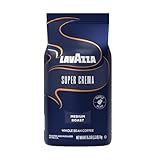
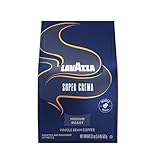
1. Lavazza Super Crema Espresso Beans
is a popular choice among coffee enthusiasts, and for good reason. These beans are made from a blend of Arabica and Robusta beans, which provides a rich and full-bodied flavor. The notes of chocolate and nuts are particularly noticeable, making it a great choice for those who enjoy a smooth and creamy espresso.
When used in a Jura espresso machine, the
1. Lavazza Super Crema Espresso Beans
produce a perfect shot every time. The crema is thick and velvety, and the flavor is well-balanced and intense. The beans are also relatively affordable, making them a great option for those who want high-quality espresso without breaking the bank. Overall, the
1. Lavazza Super Crema Espresso Beans
are a great choice for anyone looking for a delicious and reliable espresso experience.
The
2. Illy Medium Roast Espresso Beans
are a classic choice for espresso enthusiasts, and are known for their high-quality and distinct flavor profile. These beans are made from 100% Arabica beans, which provides a rich and nuanced flavor. The notes of fruit and floral hints are particularly noticeable, making it a great choice for those who enjoy a bright and refreshing espresso.
When used in a Jura espresso machine, the
2. Illy Medium Roast Espresso Beans
produce a shot that is both balanced and complex. The flavor is rich and full-bodied, with a smooth and creamy texture. The beans are also known for their consistency, making them a great option for those who want a reliable espresso experience. Overall, the
2. Illy Medium Roast Espresso Beans
are a great choice for anyone looking for a high-quality and delicious espresso.
The
3. Blue Horse 100% Kona Espresso Beans
are a rare and exotic choice for espresso enthusiasts, and are known for their distinct flavor profile. These beans are made from 100% Arabica beans, which provides a rich and nuanced flavor. The notes of chocolate and caramel are particularly noticeable, making it a great choice for those who enjoy a smooth and rich espresso.
When used in a Jura espresso machine, the
3. Blue Horse 100% Kona Espresso Beans
produce a shot that is both balanced and complex. The flavor is rich and full-bodied, with a smooth and creamy texture. The beans are also known for their low acidity, making them a great option for those who are sensitive to acidic coffee. Overall, the
3. Blue Horse 100% Kona Espresso Beans
are a great choice for anyone looking for a unique and delicious espresso experience.
The
4. Kicking Horse Cliff Hanger Espresso Beans
are a popular choice among coffee enthusiasts, and are known for their bold and adventurous flavor profile. These beans are made from a blend of Arabica and Robusta beans, which provides a rich and full-bodied flavor. The notes of chocolate and nuts are particularly noticeable, making it a great choice for those who enjoy a smooth and creamy espresso.
When used in a Jura espresso machine, the
4. Kicking Horse Cliff Hanger Espresso Beans
produce a shot that is both intense and complex. The flavor is rich and full-bodied, with a smooth and creamy texture. The beans are also known for their high quality and consistency, making them a great option for those who want a reliable espresso experience. Overall, the
4. Kicking Horse Cliff Hanger Espresso Beans
are a great choice for anyone looking for a bold and delicious espresso.
The
5. Intelligentsia Black Cat Espresso Beans
are a high-end choice for espresso enthusiasts, and are known for their distinct flavor profile. These beans are made from a blend of Arabica beans, which provides a rich and nuanced flavor. The notes of fruit and floral hints are particularly noticeable, making it a great choice for those who enjoy a bright and refreshing espresso.
When used in a Jura espresso machine, the
5. Intelligentsia Black Cat Espresso Beans
produce a shot that is both balanced and complex. The flavor is rich and full-bodied, with a smooth and creamy texture. The beans are also known for their high quality and consistency, making them a great option for those who want a reliable espresso experience. Overall, the
5. Intelligentsia Black Cat Espresso Beans
are a great choice for anyone looking for a high-quality and delicious espresso experience.
Why People Need to Buy Coffee Beans for Jura Espresso
Jura espresso machines are known for their high-quality performance and ability to produce a perfect cup of espresso. However, to achieve this perfect cup, it is essential to use the right type of coffee beans. The machine itself is only half of the equation, as the quality of the coffee beans plays a significant role in determining the taste and aroma of the espresso. Using low-quality coffee beans can result in a subpar espresso experience, which defeats the purpose of investing in a high-end espresso machine like Jura.
One of the main reasons people need to buy coffee beans specifically for their Jura espresso machine is that the machine is designed to work optimally with a certain type of coffee bean. Jura machines use a unique brewing process that requires a specific type of coffee bean to produce the best results. Using the wrong type of coffee bean can lead to poor extraction, uneven flavor, and a generally disappointing espresso experience. By buying coffee beans that are specifically designed for use with Jura espresso machines, users can ensure that they are getting the most out of their machine.
In addition to the technical requirements of the machine, the type of coffee bean used can also greatly impact the flavor and aroma of the espresso. Different coffee beans have unique flavor profiles, and some are better suited to the Jura espresso machine than others. For example, some coffee beans may be too oily or too dry, which can cause problems with the machine’s brewing process. By selecting the right type of coffee bean, users can ensure that their espresso tastes great and is free from any technical issues.
To get the best results from their Jura espresso machine, users should look for the best coffee beans for Jura espresso. This may involve trying out different types of coffee beans to find the one that works best with their machine. By investing in high-quality coffee beans and taking the time to find the right type, users can ensure that their Jura espresso machine is producing the best possible espresso. With the right coffee beans and a little practice, users can create perfect cups of espresso that rival those found in coffee shops.
Understanding Jura Espresso Machine Compatibility
When it comes to choosing the best coffee beans for Jura espresso, compatibility with the machine is crucial. Jura espresso machines are known for their high-quality and advanced features, but they can be quite particular about the type of coffee beans used. The machine’s grind settings, brewing temperature, and pressure all play a role in bringing out the optimal flavor of the coffee beans. To get the best out of your Jura espresso machine, it’s essential to choose coffee beans that are specifically designed to work well with its unique settings.
The type of roast, bean origin, and processing method all impact the flavor profile of the coffee. Lighter roasts tend to be more acidic and fruity, while darker roasts are richer and more full-bodied. Arabica beans are generally considered to be of higher quality and more suitable for Jura espresso machines, as they have a more delicate and nuanced flavor profile. On the other hand, Robusta beans are often used as a base for instant coffee and may not be the best choice for Jura espresso.
In addition to the type of coffee bean, the grind size and distribution also play a critical role in ensuring compatibility with the Jura espresso machine. The machine’s built-in grinder is designed to produce a precise grind that allows for optimal extraction, but the wrong grind size can lead to channeling, over-extraction, or under-extraction. To avoid these issues, it’s essential to choose coffee beans that are designed to work well with the Jura espresso machine’s grind settings.
By understanding the compatibility requirements of your Jura espresso machine, you can choose the best coffee beans to bring out the optimal flavor and aroma. Whether you prefer a strong and rich espresso or a more delicate and nuanced cup, there are coffee beans available that are specifically designed to work well with your machine. By selecting the right coffee beans and adjusting the grind settings accordingly, you can enjoy a perfect cup of espresso every time.
Factors Affecting Coffee Bean Flavor Profile
The flavor profile of coffee beans is affected by a variety of factors, including the type of roast, bean origin, processing method, and altitude. The roast level, in particular, has a significant impact on the flavor profile, with lighter roasts tend to be more acidic and fruity, while darker roasts are richer and more full-bodied. The bean origin also plays a role, with different regions producing coffee beans with unique flavor profiles. For example, Ethiopian coffee beans are known for their bright acidity and fruity notes, while Brazilian coffee beans are often described as smooth and nutty.
The processing method used to produce the coffee beans also affects the flavor profile. Washed processing, for example, tends to produce coffee beans with a cleaner and brighter flavor profile, while natural processing produces coffee beans with a fruitier and more full-bodied flavor. The altitude at which the coffee beans are grown also plays a role, with high-altitude coffee beans tend to be more complex and nuanced. By understanding the factors that affect the flavor profile of coffee beans, you can choose the best coffee beans to suit your taste preferences.
In addition to the factors mentioned above, the freshness of the coffee beans also plays a critical role in determining the flavor profile. Freshly roasted and ground coffee beans tend to have a more vibrant and nuanced flavor profile, while stale coffee beans can taste dull and flat. To ensure the best flavor, it’s essential to choose coffee beans that are freshly roasted and have a good shelf life. By selecting the right coffee beans and storing them properly, you can enjoy a perfect cup of espresso every time.
The flavor profile of coffee beans is also affected by the brewing method, with different methods bringing out different characteristics of the coffee. Espresso, in particular, requires a specific type of coffee bean that is designed to produce a rich and full-bodied flavor. By choosing the right coffee beans and adjusting the brewing settings accordingly, you can enjoy a perfect cup of espresso that brings out the optimal flavor and aroma.
Coffee Bean Roast Levels and Their Characteristics
Coffee beans are available in a variety of roast levels, each with its unique characteristics and flavor profiles. Lighter roasts tend to be more acidic and fruity, with a brighter and more vibrant flavor profile. Medium roasts are often described as balanced and nuanced, with a smooth and full-bodied flavor. Darker roasts, on the other hand, are richer and more full-bodied, with a deeper and more intense flavor profile.
The roast level of coffee beans is determined by the amount of time the beans are roasted, with lighter roasts being roasted for a shorter period and darker roasts being roasted for a longer period. The roast level also affects the acidity and body of the coffee, with lighter roasts tend to be more acidic and darker roasts tend to be more full-bodied. By choosing the right roast level, you can enjoy a perfect cup of espresso that suits your taste preferences.
In addition to the flavor profile, the roast level of coffee beans also affects the aroma and crema. Lighter roasts tend to have a more delicate and floral aroma, while darker roasts have a richer and more intense aroma. The crema, or the creamy texture that forms on top of the espresso, is also affected by the roast level, with darker roasts tend to produce a thicker and more velvety crema. By selecting the right roast level, you can enjoy a perfect cup of espresso with a rich and full-bodied flavor, a delicate and floral aroma, and a thick and velvety crema.
The roast level of coffee beans is also a matter of personal preference, with some people preferring the bright and acidic flavor of lighter roasts and others preferring the rich and full-bodied flavor of darker roasts. By experimenting with different roast levels, you can find the perfect cup of espresso that suits your taste preferences. Whether you prefer a strong and intense espresso or a more delicate and nuanced cup, there are coffee beans available in a variety of roast levels to suit your needs.
Tips for Storing and Grinding Coffee Beans
To enjoy the best flavor and aroma from your coffee beans, it’s essential to store them properly. Coffee beans are sensitive to light, heat, and moisture, and exposure to these elements can cause them to become stale and lose their flavor. To store coffee beans, it’s best to keep them in an airtight container in a cool and dark place. The container should be opaque and have a tight-fitting lid to prevent light and air from entering.
The grinding of coffee beans is also critical to bringing out the optimal flavor and aroma. The grind size and distribution should be adjusted to suit the specific brewing method, with espresso requiring a fine and precise grind. The grinder should be cleaned regularly to prevent old coffee oils from building up and affecting the flavor of the coffee. By grinding the coffee beans just before brewing, you can enjoy a perfect cup of espresso with a rich and full-bodied flavor, a delicate and floral aroma, and a thick and velvety crema.
In addition to storing and grinding, the freshness of the coffee beans also plays a critical role in determining the flavor profile. Freshly roasted and ground coffee beans tend to have a more vibrant and nuanced flavor profile, while stale coffee beans can taste dull and flat. To ensure the best flavor, it’s essential to choose coffee beans that are freshly roasted and have a good shelf life. By selecting the right coffee beans and storing them properly, you can enjoy a perfect cup of espresso every time.
The quality of the grinder also affects the flavor profile of the coffee, with a high-quality grinder producing a more precise and consistent grind. A burr grinder is generally considered to be the best type of grinder for coffee, as it produces a more consistent grind and doesn’t generate heat, which can damage the coffee beans. By investing in a high-quality grinder and storing the coffee beans properly, you can enjoy a perfect cup of espresso with a rich and full-bodied flavor, a delicate and floral aroma, and a thick and velvety crema.
Buying Guide for the Best Coffee Beans for Jura Espresso
When it comes to brewing the perfect cup of espresso, the type of coffee beans used can make all the difference. With so many options available, it can be overwhelming to choose the right one, especially for Jura espresso machines. In this guide, we will discuss the key factors to consider when selecting the ideal coffee beans for your Jura espresso machine.
Bean Origin and Quality
The origin and quality of the coffee beans are crucial in determining the flavor and aroma of the espresso. Coffee beans from different regions have distinct flavor profiles, and some may be better suited for Jura espresso machines than others. For example, Arabica beans from South America are known for their mild and nuanced flavor, while Robusta beans from Africa have a bolder and more bitter taste. When choosing coffee beans, look for high-quality beans that are freshly roasted and have a good reputation among coffee connoisseurs.
The origin and quality of the coffee beans can also affect the crema and texture of the espresso. High-quality beans will produce a thicker and more velvety crema, while lower-quality beans may result in a thin and watery crema. Additionally, the roast level of the beans can also impact the flavor and aroma of the espresso. Lighter roasts tend to have a more acidic and fruity flavor, while darker roasts have a richer and more bitter taste. When selecting coffee beans for your Jura espresso machine, consider the origin, quality, and roast level to ensure the best possible flavor and aroma.
Coffee Bean Roast Level
The roast level of the coffee beans is another important factor to consider when buying coffee beans for your Jura espresso machine. The roast level can range from light to dark, and each level has its unique characteristics and flavor profiles. Lighter roasts tend to have a more acidic and fruity flavor, while darker roasts have a richer and more bitter taste. When choosing a roast level, consider the type of coffee you prefer and the flavor profile you are looking for.
The roast level can also affect the compatibility of the coffee beans with your Jura espresso machine. Some machines may require a specific roast level to produce the best results, so it’s essential to check the manufacturer’s recommendations. Additionally, the roast level can impact the grind size and distribution of the coffee beans, which can affect the flavor and aroma of the espresso. When selecting coffee beans, look for a roast level that is suitable for your Jura espresso machine and your personal taste preferences.
Grind Size and Distribution
The grind size and distribution of the coffee beans are critical in determining the flavor and aroma of the espresso. The grind size can range from fine to coarse, and each size has its unique characteristics and flavor profiles. A fine grind can produce a more concentrated and intense flavor, while a coarse grind can result in a weaker and more bitter taste. When choosing a grind size, consider the type of coffee you prefer and the flavor profile you are looking for.
The grind size and distribution can also affect the flow rate and pressure of the espresso machine. A grind that is too fine can cause the machine to clog, while a grind that is too coarse can result in a weak and under-extracted shot. When selecting coffee beans, look for a grind size that is suitable for your Jura espresso machine and your personal taste preferences. Additionally, consider the distribution of the grind, as an uneven distribution can affect the flavor and aroma of the espresso.
Coffee Bean Freshness
The freshness of the coffee beans is essential in determining the flavor and aroma of the espresso. Freshly roasted and ground coffee beans can produce a more vibrant and nuanced flavor, while stale beans can result in a dull and bitter taste. When buying coffee beans, look for beans that are freshly roasted and have a good reputation among coffee connoisseurs.
The freshness of the coffee beans can also affect the crema and texture of the espresso. Freshly roasted beans will produce a thicker and more velvety crema, while stale beans may result in a thin and watery crema. Additionally, the freshness of the beans can impact the compatibility of the coffee with your Jura espresso machine. Some machines may require freshly roasted beans to produce the best results, so it’s essential to check the manufacturer’s recommendations. When selecting coffee beans, consider the freshness and quality of the beans to ensure the best possible flavor and aroma.
Coffee Bean Price and Value
The price and value of the coffee beans are important factors to consider when buying coffee beans for your Jura espresso machine. High-quality coffee beans can be expensive, but they can also produce a more nuanced and flavorful espresso. When choosing coffee beans, consider the price and value of the beans and whether they are worth the investment.
The price and value of the coffee beans can also affect the overall cost of ownership of your Jura espresso machine. While high-quality beans may be more expensive, they can also last longer and produce more shots per pound. When selecting coffee beans, look for beans that offer the best value for your money and consider the long-term costs of ownership. Additionally, consider the reputation of the roaster and the quality of the beans to ensure that you are getting the best possible flavor and aroma.
Compatibility with Jura Espresso Machines
The compatibility of the coffee beans with your Jura espresso machine is crucial in determining the flavor and aroma of the espresso. Some coffee beans may be specifically designed for Jura machines, while others may be more versatile and compatible with multiple machines. When buying coffee beans, look for beans that are compatible with your Jura espresso machine and follow the manufacturer’s recommendations.
To find the best coffee beans for jura espresso, consider the compatibility of the beans with your machine and the flavor profile you are looking for. Some Jura machines may require a specific type of coffee bean or roast level to produce the best results, so it’s essential to check the manufacturer’s recommendations. Additionally, consider the grind size and distribution of the coffee beans, as these can affect the flow rate and pressure of the machine. When selecting coffee beans, look for beans that are specifically designed for Jura machines or follow the manufacturer’s recommendations to ensure the best possible flavor and aroma.
FAQ
What are the key factors to consider when choosing coffee beans for Jura espresso?
When selecting coffee beans for Jura espresso, there are several key factors to consider. The first factor is the type of coffee bean, with Arabica and Robusta being the two main options. Arabica beans are generally considered to be of higher quality and have a more delicate flavor, while Robusta beans are bolder and more bitter. Another important factor is the roast level, with lighter roasts being more acidic and fruity, and darker roasts being richer and more full-bodied.
In addition to the type of coffee bean and roast level, it’s also important to consider the freshness of the beans, as well as the grind size and distribution. Freshly roasted and ground beans will always produce a better-tasting espresso than stale or pre-ground beans. The grind size and distribution are also critical, as a grind that is too fine or too coarse can affect the flavor and crema of the espresso. By considering these factors, you can choose the best coffee beans for your Jura espresso machine and enjoy a perfect shot every time.
How do I store my coffee beans to preserve their flavor and aroma?
To preserve the flavor and aroma of your coffee beans, it’s essential to store them properly. The best way to store coffee beans is in an airtight container, such as a glass or ceramic jar with a tight-fitting lid. This will help to keep air, moisture, and light out, all of which can cause the beans to become stale or rancid. It’s also a good idea to store the beans in a cool, dark place, such as a pantry or cupboard, away from direct sunlight and heat sources.
By storing your coffee beans in an airtight container and keeping them away from heat and light, you can help to preserve their flavor and aroma for a longer period. It’s also important to use the beans within a few weeks of opening, as they will start to lose their flavor and aroma over time. If you don’t plan to use the beans within a few weeks, you can consider freezing them to preserve their flavor and aroma. Freezing will help to slow down the staling process, and the beans can be stored for several months without losing their flavor and aroma.
Can I use any type of coffee bean in my Jura espresso machine?
While it’s technically possible to use any type of coffee bean in your Jura espresso machine, not all beans are created equal. Some coffee beans are better suited for espresso than others, and using the wrong type of bean can affect the flavor and quality of your espresso. For example, beans that are too lightly or too darkly roasted may not produce the best flavor, and beans that are too old or stale may not have the best aroma.
To get the best results from your Jura espresso machine, it’s recommended to use high-quality coffee beans that are specifically designed for espresso. These beans are typically made from 100% Arabica beans and have a medium to dark roast level. They are also freshly roasted and ground to bring out the best flavor and aroma. By using the right type of coffee bean, you can enjoy a perfect shot of espresso every time, with a rich and full-bodied flavor and a thick, creamy crema.
How often should I clean and descale my Jura espresso machine?
To keep your Jura espresso machine in good working order and prevent any buildup of old coffee oils and minerals, it’s essential to clean and descale it regularly. The frequency of cleaning and descaling will depend on how often you use the machine, but as a general rule, it’s recommended to clean the machine every 1-3 months and descale it every 3-6 months. Cleaning the machine involves running a cleaning solution through the brew group and grinds container, while descaling involves running a descaling solution through the machine to remove any mineral deposits.
By cleaning and descaling your Jura espresso machine regularly, you can help to prevent any buildup of old coffee oils and minerals, which can affect the flavor and quality of your espresso. It’s also important to follow the manufacturer’s instructions for cleaning and descaling, as well as to use the recommended cleaning and descaling solutions. This will help to ensure that your machine continues to function properly and produce perfect shots of espresso every time. Regular cleaning and descaling can also help to extend the lifespan of your machine and prevent any costly repairs.
What is the difference between Arabica and Robusta coffee beans?
Arabica and Robusta are the two main types of coffee beans, and they have several distinct differences. Arabica beans are generally considered to be of higher quality and have a more delicate flavor, with notes of fruit, floral, and wine. They are also more expensive than Robusta beans and are grown at high altitudes in cool, subtropical climates. Robusta beans, on the other hand, are bolder and more bitter, with a harsher flavor and a higher caffeine content. They are also easier to grow and more disease-resistant than Arabica beans.
In terms of flavor profile, Arabica beans are generally more nuanced and complex, with a brighter acidity and a more delicate body. Robusta beans, on the other hand, have a more bitter and rubbery flavor, with a heavier body and a higher caffeine content. While some coffee blends may contain a combination of Arabica and Robusta beans, many coffee connoisseurs prefer to use 100% Arabica beans for their espresso, as they produce a more refined and sophisticated flavor. By choosing the right type of coffee bean, you can enjoy a perfect shot of espresso every time, with a rich and full-bodied flavor and a thick, creamy crema.
Can I grind my own coffee beans for use in my Jura espresso machine?
Yes, you can grind your own coffee beans for use in your Jura espresso machine, but it’s essential to use the right type of grinder and to grind the beans to the correct consistency. The Jura espresso machine uses a super-automatic grinding system, which grinds the beans to a precise consistency every time. However, if you prefer to grind your own beans, you can use a burr grinder or a blade grinder to grind the beans to the correct consistency.
When grinding your own coffee beans, it’s essential to use a high-quality grinder that can produce a consistent grind. A burr grinder is generally preferred, as it produces a more consistent grind and doesn’t generate heat, which can damage the beans. The grind size and distribution are also critical, as a grind that is too fine or too coarse can affect the flavor and crema of the espresso. By grinding your own coffee beans and using the right type of grinder, you can enjoy a perfect shot of espresso every time, with a rich and full-bodied flavor and a thick, creamy crema.
How do I choose the best roast level for my Jura espresso machine?
Choosing the best roast level for your Jura espresso machine will depend on your personal taste preferences, as well as the type of coffee bean you are using. Lighter roasts are generally more acidic and fruity, while darker roasts are richer and more full-bodied. If you prefer a brighter, more acidic flavor, a lighter roast may be the best choice. However, if you prefer a richer, more full-bodied flavor, a darker roast may be the way to go.
In general, a medium to dark roast is a good starting point for espresso, as it provides a balanced flavor and a thick, creamy crema. However, the best roast level will ultimately depend on your personal taste preferences, as well as the type of coffee bean you are using. By experimenting with different roast levels and flavor profiles, you can find the perfect roast level for your Jura espresso machine and enjoy a perfect shot of espresso every time. It’s also a good idea to read reviews and talk to other coffee enthusiasts to get a sense of the best roast levels for your machine and your taste preferences.
Conclusion
In conclusion, the quest for the perfect cup of espresso is a journey that requires careful consideration of various factors, including the type of coffee beans used. With the numerous options available in the market, it can be overwhelming to choose the right one, especially for Jura espresso machine owners. However, by understanding the characteristics of different coffee beans and their compatibility with Jura machines, individuals can make informed decisions that elevate their espresso experience.
Ultimately, selecting the best coffee beans for Jura espresso is crucial to unlocking the full potential of these machines. By opting for high-quality beans that are tailored to their Jura espresso machine, coffee connoisseurs can indulge in a rich and flavorful experience that meets their expectations. Whether you prioritize aroma, flavor, or crema, the right coffee beans can make all the difference. With the guidance provided in this article, individuals can navigate the complex world of coffee beans and discover the perfect blend to suit their taste preferences, ensuring a truly exceptional espresso experience every time.