Cantaloupe is a delicious and nutritious fruit that thrives in warm weather, making it a popular choice for home gardeners. To grow juicy and sweet cantaloupes, it’s essential to provide them with the right nutrients. A well-balanced fertilizer can make all the difference in the quality and yield of your cantaloupe crop. With so many fertilizers available in the market, choosing the right one can be overwhelming, especially for beginners. However, with the right guidance, you can find the perfect fertilizer to give your cantaloupes the boost they need to grow and flourish.
Growing cantaloupes requires a deep understanding of their nutritional needs, and using the best cantaloupe fertilizers can significantly impact their growth and productivity. Cantaloupes are heavy feeders and require a constant supply of nutrients to produce a bountiful harvest. A good fertilizer should provide a balanced mix of nitrogen, phosphorus, and potassium, as well as other essential micronutrients. In this article, we will explore the different types of fertilizers available for cantaloupes, their benefits, and how to choose the right one for your garden. Whether you’re a seasoned gardener or just starting out, this guide will provide you with the knowledge and expertise to grow healthy and delicious cantaloupes.
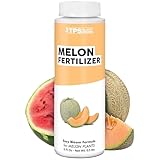
Before we get into the review of the best cantaloupe fertilizers, here are some related products from Amazon to explore:




As an Amazon Associate I earn from qualifying purchases.
Prices and availability are accurate as of November 25, 2026 18:17 and are subject to change.
Introduction to Cantaloupe Fertilizers
Cantaloupe is a warm-season crop that requires proper nutrition to grow and produce a high yield. Fertilizers play a crucial role in providing the necessary nutrients for cantaloupe plants to thrive. With so many options available in the market, it can be overwhelming to choose the right fertilizer for your cantaloupe plants.
A good fertilizer should provide the necessary macronutrients such as nitrogen, phosphorus, and potassium, as well as micronutrients like calcium and magnesium. The right balance of these nutrients will promote healthy growth, fruit production, and disease resistance. When selecting a fertilizer, it is essential to consider the specific needs of your cantaloupe plants, taking into account factors such as soil type, climate, and growth stage.
Cantaloupe fertilizers come in different forms, including organic and inorganic options. Organic fertilizers are derived from natural sources such as animal waste, compost, or green manure, while inorganic fertilizers are synthesized from chemical compounds. Both types have their advantages and disadvantages, and the choice ultimately depends on personal preference, soil conditions, and the desired outcome.
To achieve optimal results, it is vital to use the best cantaloupe fertilizers that cater to the specific needs of your plants. By providing the necessary nutrients, you can promote healthy growth, increase yields, and enjoy a bountiful harvest. With the right fertilizer, you can overcome common challenges such as nutrient deficiencies, pests, and diseases, and grow delicious and nutritious cantaloupes that will impress your family and friends.
Top 5 Best Cantaloupe Fertilizers
The
1. Miracle-Gro Cantaloupe Fertilizer
is a popular choice among gardeners due to its high phosphorus content, which promotes healthy fruit growth and development. This fertilizer is easy to apply, and its effects can be seen within a short period. It is also relatively affordable compared to other cantaloupe fertilizers on the market. The Miracle-Gro Cantaloupe Fertilizer is suitable for use in a variety of soil types and can be applied at various stages of the cantaloupe’s growth cycle.
The Miracle-Gro Cantaloupe Fertilizer has received positive reviews from gardeners who have used it to improve their cantaloupe yields. Many have reported an increase in fruit size and sweetness, as well as improved overall plant health. However, some gardeners have noted that the fertilizer can burn plants if applied too heavily, so it is essential to follow the instructions carefully. Overall, the Miracle-Gro Cantaloupe Fertilizer is a reliable choice for gardeners looking to promote healthy cantaloupe growth and maximize their yields.
The
2. Scotts Osmocote Cantaloupe Fertilizer
is a slow-release fertilizer that provides nutrients to cantaloupes over an extended period. This fertilizer is ideal for gardeners who want to minimize the frequency of application while still providing their plants with the necessary nutrients. The Scotts Osmocote Cantaloupe Fertilizer is also resistant to washing away by rain or irrigation, making it a good choice for gardeners who live in areas with high rainfall.
The Scotts Osmocote Cantaloupe Fertilizer has been praised by gardeners for its convenience and effectiveness. Many have reported that it is easy to apply and that it provides consistent results. The slow-release formula ensures that the fertilizer is released as the plant needs it, reducing the risk of over-fertilization. Some gardeners have noted that the fertilizer can be more expensive than other options, but the benefits it provides make it a worthwhile investment for many.
The
3. Espoma Organic Cantaloupe Fertilizer
is a popular choice among organic gardeners due to its natural ingredients and environmentally friendly formula. This fertilizer is made from a blend of natural ingredients, including bone meal, alfalfa meal, and feather meal, which provide a slow release of nutrients to the plant. The Espoma Organic Cantaloupe Fertilizer is also free of synthetic chemicals and is safe for use around pets and children.
The Espoma Organic Cantaloupe Fertilizer has received positive reviews from organic gardeners who appreciate its natural ingredients and environmentally friendly formula. Many have reported that it is effective at promoting healthy plant growth and maximizing cantaloupe yields. The fertilizer is also easy to apply and can be used in a variety of soil types. Some gardeners have noted that the fertilizer can be more expensive than synthetic options, but the benefits it provides to the environment and human health make it a worthwhile investment for many.
The
4. E.B. Stone Organics Cantaloupe Fertilizer
is a high-phosphorus fertilizer that is specifically formulated to promote healthy fruit growth and development. This fertilizer is made from a blend of natural ingredients, including bone meal, alfalfa meal, and feather meal, which provide a slow release of nutrients to the plant. The E.B. Stone Organics Cantaloupe Fertilizer is also free of synthetic chemicals and is safe for use around pets and children.
The E.B. Stone Organics Cantaloupe Fertilizer has been praised by gardeners for its effectiveness at promoting healthy fruit growth and maximizing cantaloupe yields. Many have reported that it is easy to apply and that it provides consistent results. The fertilizer is also suitable for use in a variety of soil types and can be applied at various stages of the cantaloupe’s growth cycle. Some gardeners have noted that the fertilizer can be more expensive than synthetic options, but the benefits it provides to the environment and human health make it a worthwhile investment for many.
The
5. General Hydroponics Cantaloupe Fertilizer
is a water-soluble fertilizer that is specifically formulated for use in hydroponic systems. This fertilizer provides a balanced mix of nutrients that promote healthy plant growth and maximize cantaloupe yields. The General Hydroponics Cantaloupe Fertilizer is also free of synthetic chemicals and is safe for use around pets and children.
The General Hydroponics Cantaloupe Fertilizer has received positive reviews from hydroponic gardeners who appreciate its effectiveness and convenience. Many have reported that it is easy to apply and that it provides consistent results. The fertilizer is also suitable for use in a variety of hydroponic systems and can be applied at various stages of the cantaloupe’s growth cycle. Some gardeners have noted that the fertilizer can be more expensive than other options, but the benefits it provides make it a worthwhile investment for many. Overall, the General Hydroponics Cantaloupe Fertilizer is a reliable choice for hydroponic gardeners looking to promote healthy cantaloupe growth and maximize their yields.
Why People Need to Buy Cantaloupe Fertilizers
Cantaloupes are a popular fruit that require specific growing conditions to thrive. One of the essential factors in growing healthy cantaloupes is providing them with the necessary nutrients. Cantaloupe plants need a balanced diet of nutrients to produce juicy and sweet fruits. Without adequate nutrients, the plants may become weak and susceptible to diseases, resulting in poor fruit quality and reduced yields.
Fertilizers play a crucial role in providing the necessary nutrients to cantaloupe plants. They contain essential macronutrients such as nitrogen, phosphorus, and potassium, as well as micronutrients like iron, zinc, and boron. These nutrients help promote healthy plant growth, fruit development, and disease resistance. By using the right type and amount of fertilizer, gardeners can ensure their cantaloupe plants receive the necessary nutrients to thrive.
When it comes to choosing the right fertilizer for cantaloupes, there are several options available. Gardeners can opt for organic or synthetic fertilizers, depending on their preferences and growing conditions. Organic fertilizers, such as compost or manure, release nutrients slowly and promote soil health. Synthetic fertilizers, on the other hand, provide a quick boost of nutrients but may have environmental drawbacks. To get the best results, gardeners should research and choose the best cantaloupe fertilizers that suit their specific needs and growing conditions.
Regular fertilization is essential to maintain the health and productivity of cantaloupe plants. Gardeners should follow a fertilization schedule, taking into account the plant’s growth stage and nutrient requirements. By providing their cantaloupe plants with the necessary nutrients, gardeners can enjoy a bountiful harvest of delicious and nutritious fruits. With proper care and fertilization, cantaloupe plants can thrive and produce high-quality fruits that are rich in flavor, texture, and nutritional value.
Types of Cantaloupe Fertilizers
Cantaloupe fertilizers come in various forms, each with its unique characteristics and benefits. Organic fertilizers, for instance, are made from natural materials such as animal waste, compost, or green manure. These fertilizers release nutrients slowly, promoting healthy soil biota and improving soil structure. On the other hand, inorganic fertilizers are synthesized from chemical compounds and provide rapid nutrient release. However, they can be harsh on the soil and may lead to environmental pollution if not used properly.
In addition to organic and inorganic fertilizers, there are also hybrid options that combine the benefits of both. These fertilizers typically contain a mix of natural and synthetic ingredients, offering a balanced release of nutrients. Some cantaloupe fertilizers also contain additional micronutrients, such as boron, copper, or zinc, which are essential for plant growth and development. When choosing a cantaloupe fertilizer, it’s essential to consider the specific needs of your plants and the soil conditions in your garden.
The type of fertilizer used can significantly impact the flavor, texture, and nutritional content of cantaloupes. For example, organic fertilizers tend to produce fruits with higher antioxidant levels and more complex flavor profiles. In contrast, inorganic fertilizers may result in faster growth and higher yields, but the fruits may lack the depth of flavor and nutritional value. Ultimately, the choice of fertilizer depends on personal preferences, gardening goals, and environmental concerns.
When selecting a cantaloupe fertilizer, it’s crucial to read the label carefully and look for certifications from reputable organizations, such as the Organic Materials Review Institute (OMRI) or the National Organic Program (NOP). These certifications ensure that the fertilizer meets certain standards for safety, sustainability, and environmental stewardship. By choosing the right type of fertilizer, gardeners can promote healthy plant growth, reduce their environmental footprint, and enjoy a bountiful harvest of delicious and nutritious cantaloupes.
Cantaloupe Fertilizer Application Methods
The method of applying cantaloupe fertilizer can significantly impact its effectiveness and the overall health of the plants. There are several application methods to choose from, including broadcasting, side-dressing, and foliar spraying. Broadcasting involves spreading the fertilizer evenly over the soil surface, typically before planting or during the early growth stages. This method provides a broad coverage of nutrients, but it may lead to waste and environmental pollution if excess fertilizer is applied.
Side-dressing, on the other hand, involves applying fertilizer in a band or strip alongside the plants, usually when they are 6-8 inches tall. This method allows for more targeted nutrient delivery, reducing waste and minimizing the risk of over-fertilization. Foliar spraying involves applying a liquid fertilizer directly to the leaves, providing a quick boost of nutrients during periods of rapid growth or stress. This method can be particularly effective for promoting fruit set and development, but it may require more frequent applications.
The timing of fertilizer application is also critical for optimal results. In general, cantaloupes require more nutrients during the fruiting stage, when the plants are producing flowers and fruit. Applying fertilizer too early or too late can lead to reduced yields, poor fruit quality, or increased susceptibility to pests and diseases. Gardeners should consult the fertilizer label or consult with a gardening expert to determine the best application schedule for their specific climate, soil type, and cantaloupe variety.
In addition to the application method and timing, the soil conditions and moisture levels can also impact the effectiveness of cantaloupe fertilizers. For example, fertilizers may not be absorbed properly in dry or waterlogged soils, leading to reduced nutrient uptake and plant growth. Gardeners should ensure that the soil is moist but not saturated before applying fertilizer, and avoid applying fertilizers during extreme weather conditions, such as heavy rainfall or intense heat.
Cantaloupe Fertilizer Ingredients and Nutrient Profiles
Cantaloupe fertilizers typically contain a combination of macronutrients, micronutrients, and other ingredients that promote plant growth and development. The most common macronutrients found in cantaloupe fertilizers are nitrogen (N), phosphorus (P), and potassium (K). Nitrogen is essential for leaf growth and development, while phosphorus promotes root growth, flower formation, and fruit set. Potassium helps regulate water balance, promotes overall plant health, and enhances disease resistance.
In addition to these macronutrients, cantaloupe fertilizers may also contain micronutrients such as boron, copper, iron, manganese, and zinc. These micronutrients play critical roles in various plant processes, including photosynthesis, respiration, and enzyme activation. For example, boron is involved in cell wall development and sugar translocation, while copper is essential for lignin synthesis and plant defense. The specific nutrient profile of a cantaloupe fertilizer can significantly impact the growth, yield, and quality of the fruit.
Some cantaloupe fertilizers may also contain additional ingredients, such as amino acids, humic acids, or mycorrhizal fungi. These ingredients can enhance nutrient uptake, promote soil biota, and improve plant stress tolerance. Amino acids, for instance, can provide a quick source of nitrogen, while humic acids can help retain moisture, suppress plant pathogens, and promote soil aggregation. Mycorrhizal fungi can form symbiotic relationships with plant roots, enhancing nutrient absorption and promoting soil exploration.
When evaluating the ingredient list and nutrient profile of a cantaloupe fertilizer, gardeners should look for products that provide a balanced mix of macronutrients and micronutrients. They should also consider the specific needs of their plants, soil type, and climate, as well as any certifications or endorsements from reputable organizations. By choosing a fertilizer with the right ingredient profile, gardeners can optimize plant growth, promote soil health, and enjoy a bountiful harvest of delicious and nutritious cantaloupes.
Common Mistakes to Avoid When Using Cantaloupe Fertilizers
One of the most common mistakes gardeners make when using cantaloupe fertilizers is over-fertilization. Applying too much fertilizer can lead to an overabundance of nutrients, causing more harm than good to the plants. Excess nutrients can pollute soil, water, and air, and even damage the plants themselves. Over-fertilization can also lead to reduced fruit quality, increased susceptibility to pests and diseases, and a range of environmental problems.
Another mistake gardeners make is failing to follow the instructions on the fertilizer label. Fertilizer labels provide critical information on application rates, timing, and methods, as well as any necessary safety precautions. Ignoring these instructions can lead to poor results, environmental pollution, or even accidents. Gardeners should always read the label carefully and follow the recommended guidelines for application and use.
In addition to over-fertilization and ignoring label instructions, gardeners may also make mistakes when it comes to soil preparation and pH management. Cantaloupes prefer well-draining, fertile soils with a slightly acidic to neutral pH. Applying fertilizer to soils with extreme pH levels or poor drainage can lead to reduced nutrient uptake, plant stress, and poor fruit quality. Gardeners should test their soil regularly and adjust the pH and nutrient levels accordingly to create an optimal growing environment for their cantaloupes.
Finally, gardeners should avoid using cantaloupe fertilizers as a quick fix for plant problems. Fertilizers can provide essential nutrients, but they cannot compensate for poor soil quality, inadequate watering, or other underlying issues. Gardeners should adopt a holistic approach to gardening, addressing soil health, watering, pruning, and pest management in a comprehensive and integrated way. By avoiding common mistakes and adopting best practices, gardeners can get the most out of their cantaloupe fertilizers and enjoy a thriving, productive, and sustainable garden.
Buying Guide for the Best Cantaloupe Fertilizers
When it comes to growing cantaloupes, using the right fertilizer can make all the difference in the quality and quantity of the harvest. With so many options available on the market, choosing the right fertilizer can be overwhelming. In this buying guide, we will discuss the key factors to consider when selecting a fertilizer for your cantaloupe plants, helping you make an informed decision and achieve the best possible results.
Nitrogen Content
Nitrogen is an essential nutrient for cantaloupe plants, promoting healthy leaf growth and development. When selecting a fertilizer, it’s crucial to consider the nitrogen content, as it can impact the overall health and productivity of the plant. A fertilizer with a balanced nitrogen-phosphorus-potassium (NPK) ratio is ideal, as it provides the necessary nutrients for healthy growth and fruit production. A fertilizer with too much nitrogen can lead to excessive leaf growth, reducing the plant’s ability to produce fruit.
The nitrogen content in a fertilizer can vary, so it’s essential to read the label carefully and choose a fertilizer that meets the specific needs of your cantaloupe plants. For example, a fertilizer with a high nitrogen content may be suitable for young plants, while a balanced NPK ratio may be more suitable for mature plants. By considering the nitrogen content, you can ensure that your cantaloupe plants receive the necessary nutrients for optimal growth and production.
Phosphorus Content
Phosphorus is another essential nutrient for cantaloupe plants, playing a critical role in root development, fruit production, and overall plant health. A fertilizer with adequate phosphorus content can help promote healthy root growth, increasing the plant’s ability to absorb water and nutrients. When selecting a fertilizer, it’s essential to consider the phosphorus content, as it can impact the plant’s ability to produce fruit and withstand disease and pests.
A fertilizer with a high phosphorus content can be beneficial for cantaloupe plants, especially during the fruiting stage. However, excessive phosphorus can lead to an imbalance in the soil, reducing the plant’s ability to absorb other essential nutrients. By choosing a fertilizer with a balanced NPK ratio, you can ensure that your cantaloupe plants receive the necessary phosphorus for optimal growth and production. This, in turn, can help you achieve the best possible results and enjoy a bountiful harvest.
Potassium Content
Potassium is an essential nutrient for cantaloupe plants, helping to promote overall plant health and resistance to disease and pests. A fertilizer with adequate potassium content can help regulate water balance, reduce stress, and promote healthy fruit production. When selecting a fertilizer, it’s crucial to consider the potassium content, as it can impact the plant’s ability to withstand environmental stresses and produce high-quality fruit.
A fertilizer with a high potassium content can be beneficial for cantaloupe plants, especially during the fruiting stage. Potassium helps to regulate the plant’s water balance, reducing the risk of water-related stress and promoting healthy fruit production. By choosing a fertilizer with a balanced NPK ratio, you can ensure that your cantaloupe plants receive the necessary potassium for optimal growth and production. This can help you achieve a healthy and productive harvest, with high-quality fruit that is rich in flavor and nutrients.
Organic or Synthetic
When selecting a fertilizer for your cantaloupe plants, you may be faced with the decision of choosing between organic or synthetic options. Organic fertilizers are made from natural materials, such as animal waste, compost, or plant residues, and can provide a slow release of nutrients over time. Synthetic fertilizers, on the other hand, are made from chemical compounds and can provide a quick release of nutrients.
Organic fertilizers can be a good option for cantaloupe plants, as they can provide a natural and sustainable source of nutrients. However, they may require more frequent applications, as the nutrients are released slowly over time. Synthetic fertilizers, on the other hand, can provide a quick boost of nutrients, but may contain harsh chemicals that can harm the environment and human health. By considering the pros and cons of each option, you can make an informed decision and choose the best fertilizer for your cantaloupe plants, helping you achieve a healthy and productive harvest.
Soil Type
The type of soil you have can impact the effectiveness of a fertilizer, as different soils have varying levels of nutrients and pH levels. When selecting a fertilizer, it’s essential to consider the soil type, as it can affect the plant’s ability to absorb nutrients. For example, a fertilizer designed for acidic soils may not be suitable for alkaline soils, and vice versa.
By considering the soil type, you can choose a fertilizer that is specifically designed to meet the needs of your cantaloupe plants. For example, a fertilizer with a high pH level may be suitable for alkaline soils, while a fertilizer with a low pH level may be more suitable for acidic soils. By choosing the right fertilizer for your soil type, you can ensure that your cantaloupe plants receive the necessary nutrients for optimal growth and production, and enjoy a healthy and productive harvest.
Application Method
The application method of a fertilizer can impact its effectiveness, as different methods can affect the plant’s ability to absorb nutrients. When selecting a fertilizer, it’s crucial to consider the application method, as it can impact the overall health and productivity of the plant. For example, a fertilizer that is applied through foliar spraying may be more effective than a fertilizer that is applied through soil application, as it can provide a direct source of nutrients to the leaves.
By considering the application method, you can choose a fertilizer that is easy to use and provides the necessary nutrients to your cantaloupe plants. For example, a fertilizer that is applied through a drip irrigation system may be more convenient than a fertilizer that requires manual application. By choosing the best cantaloupe fertilizers and considering the application method, you can ensure that your cantaloupe plants receive the necessary nutrients for optimal growth and production, and enjoy a healthy and productive harvest. This can help you achieve a bountiful harvest, with high-quality fruit that is rich in flavor and nutrients.
FAQ
What type of fertilizer is best for cantaloupe plants?
The best type of fertilizer for cantaloupe plants is one that is high in phosphorus, as this nutrient promotes fruit growth and development. A balanced fertilizer with a ratio of 10-10-10 (nitrogen-phosphorus-potassium) is a good starting point, but you may also want to consider a fertilizer that is specifically formulated for fruiting plants. These fertilizers typically have a higher phosphorus content and may also contain other micronutrients that are beneficial for cantaloupe plants.
When choosing a fertilizer for your cantaloupe plants, be sure to read the label carefully and look for a product that is specifically designed for use on fruiting plants. You should also consider the stage of growth that your plants are in, as different fertilizers may be more or less beneficial at different times. For example, a fertilizer that is high in nitrogen may be more beneficial for young plants that are still developing their leaves and stems, while a fertilizer that is high in phosphorus may be more beneficial for plants that are producing fruit.
How often should I fertilize my cantaloupe plants?
The frequency at which you should fertilize your cantaloupe plants will depend on a number of factors, including the type of fertilizer you are using, the stage of growth that your plants are in, and the soil conditions in your garden. As a general rule, you should fertilize your cantaloupe plants every 2-3 weeks during the growing season, which is typically from spring to fall. You can also fertilize your plants more frequently if they are showing signs of nutrient deficiency, such as yellowing leaves or poor fruit production.
It’s also important to note that over-fertilizing can be just as harmful as under-fertilizing, so be sure to follow the instructions on the fertilizer package carefully and avoid applying too much fertilizer at one time. You should also consider having your soil tested to determine its nutrient content and pH level, as this can help you determine the best fertilizer to use and how often to apply it. By fertilizing your cantaloupe plants regularly and taking care to avoid over-fertilizing, you can help promote healthy growth and maximize fruit production.
Can I use organic fertilizers on my cantaloupe plants?
Yes, you can use organic fertilizers on your cantaloupe plants, and many gardeners prefer to do so because they are a more natural and sustainable option. Organic fertilizers are made from natural materials such as animal waste, compost, and green sand, and they release nutrients slowly over time, which can help promote healthy soil biota and reduce the risk of over-fertilizing. Some examples of organic fertilizers that you can use on your cantaloupe plants include fish emulsion, bone meal, and alfalfa meal.
When using organic fertilizers on your cantaloupe plants, be sure to follow the instructions on the package carefully and apply them at the recommended rate. You should also consider using a combination of different organic fertilizers to provide a balanced mix of nutrients, as different fertilizers may be higher in certain nutrients than others. For example, you might use a combination of fish emulsion and bone meal to provide a balanced mix of nitrogen, phosphorus, and potassium. By using organic fertilizers, you can help promote healthy growth and maximize fruit production while also reducing your environmental impact.
How do I choose the best cantaloupe fertilizer for my garden?
To choose the best cantaloupe fertilizer for your garden, you should consider a number of factors, including the type of soil you have, the stage of growth that your plants are in, and the specific nutrient needs of your plants. You should also consider the N-P-K ratio of the fertilizer, which refers to the percentage of nitrogen, phosphorus, and potassium that it contains. A balanced fertilizer with a ratio of 10-10-10 is a good starting point, but you may also want to consider a fertilizer that is specifically formulated for fruiting plants.
When evaluating different fertilizers, be sure to read the label carefully and look for a product that is specifically designed for use on cantaloupe plants or other fruiting plants. You should also consider the price and availability of the fertilizer, as well as any additional features or benefits that it may offer. For example, some fertilizers may be formulated to promote disease resistance or improve soil health, which can be beneficial for your plants and your garden as a whole. By considering these factors and choosing a high-quality fertilizer, you can help promote healthy growth and maximize fruit production in your cantaloupe plants.
What are the benefits of using a cantaloupe-specific fertilizer?
Using a cantaloupe-specific fertilizer can provide a number of benefits for your plants, including improved fruit production, healthier leaves and stems, and increased disease resistance. These fertilizers are specifically formulated to meet the unique nutrient needs of cantaloupe plants, which can help promote optimal growth and development. They may also contain additional micronutrients or other ingredients that are beneficial for cantaloupe plants, such as calcium or magnesium.
By using a cantaloupe-specific fertilizer, you can help ensure that your plants are getting the nutrients they need to thrive, which can result in healthier and more productive plants. You may also see improvements in the size, flavor, and texture of your cantaloupes, which can make them more enjoyable to eat. Additionally, using a cantaloupe-specific fertilizer can help reduce the risk of over-fertilizing, which can be harmful to your plants and the environment. By choosing a high-quality cantaloupe-specific fertilizer, you can help promote healthy growth and maximize fruit production in your cantaloupe plants.
Can I make my own cantaloupe fertilizer at home?
Yes, you can make your own cantaloupe fertilizer at home using a variety of natural ingredients. One simple recipe is to mix together equal parts of compost, manure, and green sand, and then apply the mixture to your plants at a rate of 1-2 cups per plant. You can also add other ingredients to the mixture, such as bone meal or alfalfa meal, to provide additional nutrients. Another option is to use a liquid fertilizer made from fish emulsion or worm casting tea, which can be applied to your plants as a foliar spray.
When making your own cantaloupe fertilizer at home, be sure to follow proper safety precautions and use ingredients that are safe for use on food crops. You should also consider having your soil tested to determine its nutrient content and pH level, as this can help you determine the best ingredients to use and how much fertilizer to apply. By making your own cantaloupe fertilizer at home, you can help reduce your environmental impact and promote healthy growth and fruit production in your cantaloupe plants. Additionally, you can customize the fertilizer to meet the specific needs of your plants, which can result in healthier and more productive plants.
The Bottom Line
In conclusion, cultivating cantaloupes can be a rewarding experience, especially when equipped with the right tools and knowledge. A well-nourished cantaloupe plant is not only a delight to behold, but it also yields a bountiful harvest of juicy and sweet fruits. To achieve this, it is essential to provide the plant with a balanced diet of nutrients that cater to its unique needs. By selecting a high-quality fertilizer, gardeners can ensure their cantaloupe plants receive the necessary nutrients for optimal growth and development.
When it comes to choosing the best cantaloupe fertilizers, there are several factors to consider, including the type of nutrients, application method, and compatibility with the soil. By considering these factors and opting for one of the top-rated fertilizers, gardeners can give their cantaloupe plants the best possible start in life. With the right fertilizer, cantaloupe enthusiasts can enjoy a thriving and productive harvest, reaping the rewards of their hard work and dedication. Whether you are a seasoned gardener or a beginner, investing in the best cantaloupe fertilizers can make all the difference in achieving a successful and bountiful cantaloupe crop.