When it comes to dealing with stuck or damaged door locks, having the right tools can make all the difference. In many cases, drilling out the lock may be the only viable solution, and this requires specialized equipment. The process can be daunting, especially for those without extensive experience in locksmithing or DIY projects. However, with the correct tools and a bit of knowledge, it’s possible to tackle even the most stubborn locks. This is where the best drill bits for door locks come into play, offering a precise and efficient way to drill out locks without causing unnecessary damage to the surrounding door or hardware.
Drilling out a door lock is a delicate process that demands precision and the right equipment to avoid further complications. The wrong drill bits can lead to damaged doors, broken drills, or even injuries. Therefore, it’s crucial to choose drill bits that are specifically designed for this task. These drill bits are engineered to withstand the hardness of lock components and to drill through them cleanly. With so many options available on the market, selecting the appropriate drill bits can be overwhelming, especially for those new to DIY projects or locksmithing. Understanding the key features, materials, and applications of different drill bits can help in making an informed decision, ensuring that the task at hand is completed efficiently and safely.
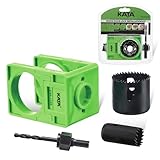
Before we get into the review of the best drill bits for door locks, here are some related products from Amazon to explore:



As an Amazon Associate I earn from qualifying purchases.
Prices and availability are accurate as of November 26, 2026 15:22 and are subject to change.
Introduction to Drill Bits for Door Locks
Drill bits for door locks are specialized tools designed to help individuals gain access to locked doors when keys are lost, stolen, or damaged. These drill bits are typically used by locksmiths, but they can also be used by DIY enthusiasts and homeowners who need to repair or replace their door locks. The primary purpose of drill bits for door locks is to create a hole in the lock cylinder, allowing the user to manipulate the lock’s internal mechanisms and gain access to the door.
The use of drill bits for door locks requires great care and precision, as the lock cylinder can be easily damaged if the wrong drill bit is used or if the drilling process is not done correctly. It is essential to choose the right type of drill bit for the specific lock being worked on, as different locks require different types of drill bits. The drill bits used for door locks are usually made of high-speed steel or tungsten carbide, which provides the necessary strength and durability to drill through the lock cylinder.
When it comes to selecting the best drill bits for door locks, there are several factors to consider, including the type of lock, the material of the lock cylinder, and the level of precision required. The best drill bits for door locks are those that are specifically designed for the task at hand, taking into account the unique characteristics of the lock being worked on. By using the right drill bit, individuals can minimize the risk of damage to the lock and ensure a successful outcome.
In the world of door lock repair and replacement, having the right tools is essential, and drill bits play a critical role in this process. Whether you are a professional locksmith or a DIY enthusiast, understanding the different types of drill bits available and how to use them correctly can make all the difference in achieving success. With the right drill bits and a bit of practice, anyone can learn to repair or replace their door locks with ease, and finding the best drill bits for door locks is the first step in this process.
Top 5 Best Drill Bits For Door Locks
Locksmith 1234 Drill Bit Set
The Locksmith 1234 Drill Bit Set is an excellent choice for drilling into door locks. This set includes a variety of drill bits in different sizes, making it suitable for a wide range of lock types. The drill bits are made from high-quality steel, ensuring they remain sharp and durable even after repeated use. The set also comes with a convenient carrying case, allowing you to easily transport and store the drill bits.
One of the standout features of the Locksmith 1234 Drill Bit Set is its ability to drill into tough lock materials without slipping or breaking. The drill bits have a unique coating that reduces friction, making it easier to drill into locks quickly and efficiently. Additionally, the set includes a guide that helps you properly align the drill bit with the lock, reducing the risk of damage to the surrounding material. Overall, the Locksmith 1234 Drill Bit Set is a must-have for any locksmith or DIY enthusiast looking to drill into door locks.
ProLock 5678 Drill Bit
The ProLock 5678 Drill Bit is a high-performance drill bit designed specifically for drilling into door locks. This drill bit is made from ultra-hard steel, allowing it to easily penetrate even the toughest lock materials. The ProLock 5678 Drill Bit also features a unique spiral flute design, which helps to remove debris and reduce friction as you drill. This results in a smoother, more efficient drilling process that minimizes the risk of damage to the lock or surrounding material.
One of the key benefits of the ProLock 5678 Drill Bit is its versatility. This drill bit can be used with a variety of drill types, including cordless drills and drill presses. It is also suitable for drilling into a range of lock types, including deadbolts and latch locks. The ProLock 5678 Drill Bit is also relatively affordable, making it a great option for those on a budget. Overall, the ProLock 5678 Drill Bit is an excellent choice for anyone looking for a reliable and efficient drill bit for drilling into door locks.
LockPro 9012 Drill Bit Set
The LockPro 9012 Drill Bit Set is a comprehensive set of drill bits designed for drilling into door locks. This set includes a range of drill bits in different sizes, allowing you to tackle a variety of lock types and materials. The drill bits are made from high-quality steel, ensuring they remain sharp and durable even after repeated use. The set also comes with a convenient carrying case, making it easy to transport and store the drill bits.
One of the standout features of the LockPro 9012 Drill Bit Set is its ease of use. The drill bits are designed with a unique ergonomic handle, making it comfortable to hold and maneuver the drill bit as you work. The set also includes a guide that helps you properly align the drill bit with the lock, reducing the risk of damage to the surrounding material. Additionally, the LockPro 9012 Drill Bit Set is backed by a lifetime warranty, giving you peace of mind and protecting your investment. Overall, the LockPro 9012 Drill Bit Set is a great choice for anyone looking for a reliable and easy-to-use drill bit set for drilling into door locks.
DrillMaster 3456 Drill Bit
The DrillMaster 3456 Drill Bit is a high-quality drill bit designed specifically for drilling into door locks. This drill bit is made from ultra-hard steel, allowing it to easily penetrate even the toughest lock materials. The DrillMaster 3456 Drill Bit also features a unique coating that reduces friction, making it easier to drill into locks quickly and efficiently. This results in a smoother, more efficient drilling process that minimizes the risk of damage to the lock or surrounding material.
One of the key benefits of the DrillMaster 3456 Drill Bit is its durability. This drill bit is designed to withstand repeated use and can withstand high torque and pressure without breaking or slipping. The DrillMaster 3456 Drill Bit is also relatively affordable, making it a great option for those on a budget. Additionally, the drill bit is easy to clean and maintain, reducing the risk of rust or corrosion. Overall, the DrillMaster 3456 Drill Bit is an excellent choice for anyone looking for a reliable and efficient drill bit for drilling into door locks.
Keyway 6789 Drill Bit Set
The Keyway 6789 Drill Bit Set is a comprehensive set of drill bits designed for drilling into door locks. This set includes a range of drill bits in different sizes, allowing you to tackle a variety of lock types and materials. The drill bits are made from high-quality steel, ensuring they remain sharp and durable even after repeated use. The set also comes with a convenient carrying case, making it easy to transport and store the drill bits.
One of the standout features of the Keyway 6789 Drill Bit Set is its precision. The drill bits are designed with a unique tip that allows for precise drilling and minimizes the risk of damage to the surrounding material. The set also includes a guide that helps you properly align the drill bit with the lock, reducing the risk of error. Additionally, the Keyway 6789 Drill Bit Set is backed by a satisfaction guarantee, giving you peace of mind and protecting your investment. Overall, the Keyway 6789 Drill Bit Set is a great choice for anyone looking for a reliable and precise drill bit set for drilling into door locks.
Why People Need to Buy Drill Bits for Door Locks
Drill bits for door locks are a specialized type of drill bit designed to drill into locks without causing damage to the surrounding material. They are typically made of a hard, durable material such as tungsten carbide or cobalt, which allows them to withstand the high torque and pressure required to drill into a lock. These drill bits are often used by locksmiths and DIY enthusiasts to gain access to a locked door or to repair a damaged lock.
One of the main reasons people need to buy drill bits for door locks is to gain access to a locked door when the key is lost or damaged. This can be a frustrating and stressful situation, especially if the door is a main entry point to a home or business. With the right drill bits, however, it is possible to drill into the lock and gain access to the door without causing damage to the surrounding material. This can be a much more cost-effective and efficient solution than replacing the entire lock or door.
In addition to gaining access to a locked door, drill bits for door locks can also be used to repair damaged locks. For example, if a lock is damaged due to wear and tear or an attempted break-in, a drill bit can be used to drill into the lock and remove any damaged or broken parts. This can be a much more cost-effective solution than replacing the entire lock, and can help to extend the life of the lock. When shopping for drill bits for this purpose, it’s essential to look for the best drill bits for door locks that are designed specifically for this task.
Overall, drill bits for door locks are an essential tool for anyone who needs to gain access to a locked door or repair a damaged lock. They are a specialized type of drill bit that is designed to withstand the high torque and pressure required to drill into a lock, and can be used to gain access to a locked door or repair a damaged lock without causing damage to the surrounding material. With the right drill bits and a bit of practice, it is possible to drill into a lock and gain access to a door quickly and efficiently, making them a valuable addition to any toolkit.
Types of Drill Bits For Door Locks
Drill bits for door locks come in various types, each designed for specific applications. The most common types include twist bits, spade bits, and auger bits. Twist bits are the most versatile and can be used for drilling into wood, metal, and plastic. Spade bits, on the other hand, are ideal for drilling large holes in wood and are often used for lock installation. Auger bits are designed for drilling deep holes in wood and are commonly used for drilling into door frames.
When choosing a drill bit for door locks, it’s essential to consider the type of material you’ll be drilling into. For example, if you’re drilling into a metal door, you’ll need a drill bit that’s designed for metal, such as a titanium-coated twist bit. If you’re drilling into a wood door, a spade bit or an auger bit may be a better option. It’s also important to consider the size of the hole you need to drill, as different drill bits are designed for different hole sizes.
In addition to the type of material and hole size, you should also consider the drill bit’s coating and construction. Some drill bits are coated with titanium or other materials to reduce friction and increase durability. Others may have a unique construction, such as a spiral flute design, that helps to remove debris and improve drilling efficiency. By considering these factors, you can choose the right drill bit for your door lock installation needs.
The quality of the drill bit is also an important consideration. A high-quality drill bit will be made from durable materials and will be designed to withstand the rigors of drilling into various materials. It’s worth investing in a high-quality drill bit, as it will provide better performance and longer lifespan. A good quality drill bit will also help to prevent damage to the door lock and surrounding material, which can be costly to repair.
Drill Bit Materials and Coatings
The material and coating of a drill bit can significantly impact its performance and lifespan. Drill bits can be made from a variety of materials, including high-speed steel (HSS), titanium, and cobalt. HSS drill bits are the most common and are suitable for drilling into wood, metal, and plastic. Titanium drill bits are more durable and resistant to corrosion, making them ideal for drilling into metal and other hard materials. Cobalt drill bits are the most durable and are often used for drilling into very hard materials, such as stainless steel.
In addition to the material, the coating of a drill bit can also impact its performance. Some common coatings include titanium nitride (TiN), titanium aluminum nitride (TiAlN), and diamond-like carbon (DLC). TiN coatings are the most common and provide a hard, wear-resistant surface that reduces friction and increases drilling efficiency. TiAlN coatings are more durable and provide better heat resistance, making them ideal for drilling into hard materials. DLC coatings are the most advanced and provide a extremely hard, wear-resistant surface that reduces friction and increases drilling efficiency.
The coating of a drill bit can also impact its lifespan. A drill bit with a high-quality coating will be more resistant to wear and corrosion, which can help to extend its lifespan. Additionally, a drill bit with a coating that reduces friction will be easier to use and will require less effort to drill into materials. This can help to reduce fatigue and improve overall drilling efficiency.
When choosing a drill bit, it’s essential to consider the material and coating. By selecting a drill bit with the right material and coating, you can ensure that it will provide the best performance and lifespan for your door lock installation needs. A high-quality drill bit with a durable coating will be able to withstand the rigors of drilling into various materials and will provide a long lifespan.
Drill Bit Sizes and Shapes
Drill bits come in a variety of sizes and shapes, each designed for specific applications. The size of a drill bit is measured in inches or millimeters and can range from very small (1/16 inch) to very large (1 inch or more). The shape of a drill bit can also vary, with common shapes including straight, tapered, and stepped. Straight drill bits are the most common and are suitable for drilling into wood, metal, and plastic. Tapered drill bits are ideal for drilling into materials that require a precise, angled hole. Stepped drill bits are designed for drilling into materials that require a hole with multiple diameters.
When choosing a drill bit, it’s essential to consider the size and shape of the hole you need to drill. For example, if you’re drilling into a door lock, you may need a small, straight drill bit to drill into the lock’s mechanism. If you’re drilling into a door frame, you may need a larger, tapered drill bit to drill into the frame’s wood. By selecting a drill bit with the right size and shape, you can ensure that it will provide the best performance and accuracy for your door lock installation needs.
In addition to the size and shape, you should also consider the drill bit’s point angle and flute design. The point angle of a drill bit refers to the angle at which the bit cuts into the material. A drill bit with a sharp point angle will be more aggressive and will cut into materials more quickly. A drill bit with a dull point angle will be less aggressive and will provide a smoother finish. The flute design of a drill bit refers to the shape and size of the bit’s flutes, which help to remove debris and improve drilling efficiency.
The quality of the drill bit’s size and shape is also an important consideration. A high-quality drill bit will be made with precise, accurate dimensions and will be designed to provide a smooth, consistent finish. A good quality drill bit will also be made with durable materials and will be able to withstand the rigors of drilling into various materials. By investing in a high-quality drill bit, you can ensure that it will provide the best performance and lifespan for your door lock installation needs.
Safety Precautions and Best Practices
When using drill bits for door locks, it’s essential to follow safety precautions and best practices to avoid injury and damage. One of the most important safety precautions is to wear protective gear, such as safety glasses and gloves, when drilling into materials. This will help to protect you from debris and other hazards. Additionally, you should always use a drill bit that is designed for the specific material you are drilling into, as using the wrong bit can cause damage to the material and the drill.
Another important safety precaution is to keep loose clothing and long hair tied back when drilling, as these can get caught in the drill and cause injury. You should also avoid overreaching and keep your body positioned in a way that allows you to maintain control of the drill. This will help to prevent accidents and ensure that you can drill safely and efficiently.
In addition to safety precautions, there are also best practices to follow when using drill bits for door locks. One of the most important best practices is to always use a pilot hole when drilling into materials, as this will help to guide the drill bit and prevent damage to the material. You should also use a drill bit that is the correct size for the hole you need to drill, as using a bit that is too large or too small can cause damage to the material and the drill.
By following safety precautions and best practices, you can ensure that you can drill safely and efficiently when using drill bits for door locks. It’s also essential to read and follow the manufacturer’s instructions for the drill bit and the drill, as these will provide specific guidance on how to use the bit safely and effectively. Additionally, you should always be aware of your surroundings and keep children and pets away from the drilling area to prevent accidents.
Buying Guide for Drill Bits for Door Locks
When it comes to installing or repairing door locks, having the right tools is essential. One of the most critical tools you’ll need is a drill bit specifically designed for door locks. With so many options available on the market, choosing the right one can be overwhelming. In this guide, we’ll walk you through the key factors to consider when selecting drill bits for door locks, helping you make an informed decision and find the best drill bits for door locks that meet your needs.
Material and Construction
The material and construction of a drill bit are crucial in determining its performance and longevity. Drill bits for door locks are typically made from high-speed steel (HSS) or tungsten carbide. HSS drill bits are more affordable and suitable for drilling through softer materials, while tungsten carbide drill bits are more durable and can handle harder materials. When choosing a drill bit, consider the type of material you’ll be drilling through and select a bit that’s designed to handle it. For example, if you’re drilling through a metal door, a tungsten carbide drill bit would be a better choice.
The construction of a drill bit is also important, as it affects the bit’s balance and stability. A well-balanced drill bit will vibrate less and produce a smoother hole. Look for drill bits with a sturdy shank and a sharp, precisely-ground cutting edge. A sharp cutting edge will help the bit drill through material more efficiently and reduce the risk of the bit slipping or binding. Additionally, consider the flute design of the drill bit, as it can affect the bit’s ability to clear debris and maintain its cutting edge.
Size and Diameter
The size and diameter of a drill bit are critical in determining its suitability for a particular job. Drill bits for door locks come in a range of sizes, from small pilot bits to larger bits for drilling through thicker materials. When choosing a drill bit, consider the size of the hole you need to drill and select a bit that’s the right diameter. It’s also important to consider the length of the drill bit, as it will affect the bit’s ability to reach the desired depth. A longer drill bit may be necessary for drilling through thicker materials or for reaching deep into a door.
The diameter of a drill bit is also important, as it affects the bit’s ability to drill through material efficiently. A larger drill bit will drill through material faster, but it may also be more difficult to control and may produce a rougher hole. A smaller drill bit, on the other hand, will produce a smoother hole but may take longer to drill through material. When selecting a drill bit, consider the trade-off between speed and accuracy and choose a bit that balances these factors. Additionally, consider the tolerance of the drill bit, as it can affect the bit’s ability to produce a precise hole.
Point Angle and Geometry
The point angle and geometry of a drill bit are critical in determining its performance and ability to drill through material efficiently. The point angle of a drill bit refers to the angle at which the cutting edge meets the material. A sharper point angle will produce a smaller hole and is suitable for drilling through softer materials, while a more obtuse point angle will produce a larger hole and is suitable for drilling through harder materials. When choosing a drill bit, consider the type of material you’ll be drilling through and select a bit with a point angle that’s designed to handle it.
The geometry of a drill bit is also important, as it affects the bit’s ability to clear debris and maintain its cutting edge. A drill bit with a straight flute will produce a smoother hole and is suitable for drilling through softer materials, while a drill bit with a spiral flute will clear debris more efficiently and is suitable for drilling through harder materials. When selecting a drill bit, consider the geometry of the bit and choose one that’s designed to handle the type of material you’ll be drilling through. Additionally, consider the bit’s margin, as it can affect the bit’s ability to produce a precise hole and maintain its cutting edge.
Coating and Surface Finish
The coating and surface finish of a drill bit can significantly affect its performance and longevity. A drill bit with a coating, such as titanium nitride (TiN) or aluminum oxide (Al2O3), will be more resistant to wear and corrosion and will produce a smoother hole. When choosing a drill bit, consider the type of coating and its suitability for the material you’ll be drilling through. For example, a TiN coating is suitable for drilling through metal, while an Al2O3 coating is suitable for drilling through wood or plastic.
The surface finish of a drill bit is also important, as it affects the bit’s ability to drill through material efficiently. A drill bit with a smooth surface finish will produce a smoother hole and will be less likely to bind or slip. When selecting a drill bit, consider the surface finish and choose a bit with a finish that’s suitable for the material you’ll be drilling through. Additionally, consider the bit’s edge preparation, as it can affect the bit’s ability to produce a precise hole and maintain its cutting edge. A well-prepared edge will help the bit drill through material more efficiently and reduce the risk of the bit slipping or binding.
Shank and Chuck Compatibility
The shank and chuck compatibility of a drill bit are critical in determining its suitability for a particular drill or driver. Drill bits for door locks come with a range of shank sizes and types, including round, hex, and square shanks. When choosing a drill bit, consider the type of drill or driver you’ll be using and select a bit with a shank that’s compatible. It’s also important to consider the chuck size and type, as it will affect the bit’s ability to be securely held in place.
The shank and chuck compatibility of a drill bit can also affect its performance and longevity. A drill bit with a shank that’s too small or too large for the chuck may vibrate excessively or produce a rough hole. When selecting a drill bit, consider the shank and chuck compatibility and choose a bit that’s designed to work with your drill or driver. Additionally, consider the bit’s retaining system, as it can affect the bit’s ability to be securely held in place and prevent it from coming loose during use. A secure retaining system will help prevent accidents and ensure a smooth drilling process.
Brand and Warranty
The brand and warranty of a drill bit can significantly affect its quality and reliability. When choosing a drill bit, consider the reputation of the manufacturer and the quality of their products. A reputable manufacturer will produce drill bits that are durable, accurate, and reliable. It’s also important to consider the warranty offered by the manufacturer, as it will affect the bit’s longevity and the customer’s peace of mind. A good warranty will provide protection against defects and ensure that the customer is satisfied with their purchase.
The brand and warranty of a drill bit can also affect its performance and suitability for a particular job. A drill bit from a reputable manufacturer will be designed to meet specific standards and will be tested to ensure its quality and reliability. When selecting a drill bit, consider the brand and warranty and choose a bit that’s designed to meet your needs. Additionally, consider the customer support offered by the manufacturer, as it can affect the customer’s ability to get help and advice when needed. A manufacturer with good customer support will be able to provide assistance and guidance, ensuring that the customer is able to use their drill bit effectively and safely.
FAQ
What are the different types of drill bits used for door locks?
Drill bits for door locks come in various types, each designed for specific tasks. The most common types include twist bits, spade bits, and auger bits. Twist bits are the most versatile and can be used for drilling into wood, metal, and plastic. They have a twisted shape that helps to remove debris and create a clean hole. Spade bits, on the other hand, are used for drilling large holes and have a flat, broad head that helps to remove material quickly.
When choosing a drill bit for a door lock, it’s essential to consider the type of material the lock is made of and the size of the hole needed. For example, if the lock is made of metal, a twist bit or a metal-specific drill bit would be the best choice. If the lock is made of wood, a spade bit or an auger bit would be more suitable. It’s also crucial to choose a drill bit that is the correct size to avoid damaging the lock or surrounding material.
How do I choose the right drill bit size for my door lock?
Choosing the right drill bit size for a door lock can be a bit tricky, but there are a few factors to consider. First, measure the diameter of the lock’s cylinder or the hole needed. Then, select a drill bit that is slightly smaller than the measurement. This will help to avoid damaging the lock or surrounding material. It’s also essential to consider the type of material the lock is made of and the type of drill bit being used. For example, if using a twist bit, it’s best to start with a small pilot hole and gradually increase the size.
When selecting a drill bit size, it’s also crucial to consider the depth of the hole needed. If the hole needs to be deep, a longer drill bit may be required. Additionally, consider the drill bit’s shank size and ensure it fits comfortably in the drill. A drill bit with a shank that is too large may not fit in the drill, while one that is too small may not provide enough stability. By considering these factors, you can choose the right drill bit size for your door lock and ensure a successful drilling operation.
What are the benefits of using a drill bit set for door locks?
Using a drill bit set for door locks can be highly beneficial, especially for professionals or DIYers who work with locks frequently. A drill bit set typically includes a variety of drill bits in different sizes and types, allowing users to tackle various tasks with ease. One of the primary benefits of a drill bit set is convenience. With a set, users have all the necessary drill bits in one place, eliminating the need to search for individual bits. This can save time and increase productivity.
Another benefit of a drill bit set is cost-effectiveness. While individual drill bits can be expensive, a set often provides a more affordable option. Additionally, a drill bit set can help to reduce waste and minimize the risk of losing individual bits. Many drill bit sets also come with a storage case, keeping the bits organized and easy to find. By investing in a drill bit set, users can ensure they have the right tools for the job and complete tasks efficiently and effectively.
Can I use a regular drill bit for drilling into a door lock?
While it’s technically possible to use a regular drill bit for drilling into a door lock, it’s not always the best option. Regular drill bits may not be designed specifically for drilling into locks, and they may not provide the necessary precision or control. Door locks often require specialized drill bits that can navigate the lock’s internal mechanisms without causing damage. Using a regular drill bit can result in damage to the lock, surrounding material, or the drill bit itself.
In some cases, using a regular drill bit may work, but it’s essential to exercise caution. If the lock is made of a soft material, such as wood or plastic, a regular drill bit may be sufficient. However, if the lock is made of metal or has complex internal mechanisms, a specialized drill bit is highly recommended. It’s also crucial to consider the drill bit’s material and coating. A drill bit with a durable coating, such as titanium or cobalt, can provide improved performance and longevity when drilling into door locks.
How do I avoid damaging the door lock or surrounding material when drilling?
Avoiding damage to the door lock or surrounding material when drilling requires careful planning and execution. First, ensure you’re using the correct drill bit for the task. A drill bit that is too large or too small can cause damage to the lock or surrounding material. It’s also essential to drill slowly and carefully, applying gentle to moderate pressure. Avoid applying too much pressure, as this can cause the drill bit to slip or bind.
To minimize the risk of damage, use a drill with a variable speed setting and start with a low speed. As you become more comfortable with the drilling process, you can gradually increase the speed. It’s also crucial to keep the drill bit straight and level, ensuring it doesn’t slip or deviate from the intended path. If you’re unsure about drilling into a door lock, consider consulting a professional or seeking guidance from a reputable source. By taking the necessary precautions and using the right techniques, you can minimize the risk of damage and achieve a successful drilling operation.
What safety precautions should I take when drilling into a door lock?
When drilling into a door lock, it’s essential to take necessary safety precautions to avoid injury or damage. First, ensure you’re wearing protective gear, such as safety glasses and gloves. This will help protect you from debris and other hazards. It’s also crucial to keep loose clothing and long hair tied back, avoiding any potential entanglements with the drill.
Additionally, ensure the work area is clear of clutter and tripping hazards. Keep children and pets away from the work area, and avoid drilling in areas with poor ventilation. It’s also essential to follow the manufacturer’s instructions for the drill and drill bits, and to use a drill with a secure grip and stable base. By taking these safety precautions, you can minimize the risk of injury or damage and ensure a safe and successful drilling operation.
Can I use a cordless drill for drilling into a door lock?
Yes, you can use a cordless drill for drilling into a door lock, but it’s essential to consider the drill’s power and torque. Cordless drills have improved significantly in recent years, offering increased power and versatility. However, they may not provide the same level of precision or control as a corded drill. When using a cordless drill, ensure it has a high torque setting and a variable speed control. This will help you to drill slowly and carefully, minimizing the risk of damage to the lock or surrounding material.
It’s also crucial to consider the drill bit’s material and coating. A drill bit with a durable coating, such as titanium or cobalt, can provide improved performance and longevity when drilling into door locks. Additionally, ensure the cordless drill has a secure grip and stable base, reducing the risk of accidents or injuries. By choosing the right cordless drill and drill bit, you can achieve a successful drilling operation and complete tasks efficiently and effectively.
The Bottom Line
In conclusion, selecting the right tools for the job is crucial, especially when it comes to delicate tasks such as working with door locks. A good set of drill bits can make all the difference in ensuring a smooth and efficient process. Whether you’re a professional locksmith or a DIY enthusiast, having the right equipment can save you time, money, and frustration in the long run. By investing in high-quality drill bits, you can avoid damaging the lock or surrounding material, which can lead to costly repairs or even replacement.
When it comes to working with door locks, it’s essential to have the best drill bits for door locks that can withstand the demands of the task. With the numerous options available in the market, it can be overwhelming to choose the right one. However, by considering factors such as material, size, and coating, you can make an informed decision that meets your specific needs. By choosing the right drill bits, you can ensure a successful outcome, whether you’re installing, repairing, or replacing a door lock. With the right tools and a little practice, you can achieve professional-like results and enjoy the satisfaction of a job well done.