Mountain biking is an exhilarating sport that requires a combination of skill, physical fitness, and the right equipment to ensure a safe and enjoyable experience. One of the most critical components of a mountain biker’s gear is the helmet, which provides protection for the head in the event of a crash or fall. With the various types of helmets available, choosing the right one can be a daunting task, especially for those who are new to the sport. For downhill and enduro riders, a full-face helmet is often the preferred choice, offering maximum protection and coverage for the face and head.
When it comes to selecting the best full-face mtb helmets, there are several factors to consider, including safety features, comfort, ventilation, and style. A good full-face helmet should provide excellent protection without compromising on comfort and visibility. With so many options available in the market, it can be challenging to make an informed decision. In this article, we will guide you through the process of choosing the perfect helmet for your mountain biking needs, highlighting the key features to look out for and reviewing some of the top models available. Whether you’re a seasoned pro or just starting out, this guide will help you find the perfect helmet to keep you safe and protected on the trails.
Before we get into the review of the best full-face mtb helmets, here are some related products from Amazon to explore:
| # | Preview | Product | Price | |
|---|---|---|---|---|
| 1 | ILM Mountain Bike MTB Full Face Helmet Adults Adjustable Size Dial BMX HT58… | $87.99 | View on Amazon | |
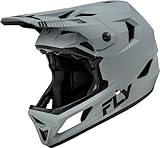
| 2 | Fly Racing Rayce MTB/BMX Bicycle Helmet (Matte Grey, Large) | $111.96 | View on Amazon | |
| 3 | OutdoorMaster MIPS Full Face MTB Helmet, Lightweight Ventilated for DH | MIPS… | $149.99 | View on Amazon |


As an Amazon Associate I earn from qualifying purchases.
Prices and availability are accurate as of November 26, 2026 21:17 and are subject to change.
Introduction to Full-Face Mtb Helmets
Full-face mtb helmets are designed to provide maximum protection for mountain bikers, particularly those who participate in aggressive and high-speed disciplines such as downhill and enduro racing. These helmets cover the entire face, including the chin and mouth, to protect the head and brain from impact in the event of a crash. They are typically made with durable materials, such as carbon fiber or polycarbonate, and feature advanced safety features like impact-absorbing liners and secure retention systems.
The primary purpose of full-face mtb helmets is to reduce the risk of head and brain injuries, which can be severe and even life-threatening. By covering the entire face, these helmets provide a higher level of protection than half-shell helmets, which only cover the top and back of the head. Full-face mtb helmets are also designed to be comfortable and breathable, with features like ventilation systems and moisture-wicking pads to keep riders cool and dry during long and intense rides.
When it comes to choosing the right full-face mtb helmet, there are several factors to consider, including the type of riding you will be doing, your budget, and your personal preferences. If you are looking for the best full-face mtb helmets, you will want to consider factors like safety features, comfort, and durability. You will also want to look for helmets that meet safety standards, such as those set by the Consumer Product Safety Commission (CPSC) or the Snell Memorial Foundation.
In addition to providing protection and comfort, full-face mtb helmets can also enhance the overall riding experience. By providing a secure and comfortable fit, these helmets can help riders feel more confident and focused on the trail, which can improve their performance and reduce their risk of injury. Whether you are a seasoned pro or just starting out, a good full-face mtb helmet is an essential piece of gear that can help you ride safer and more enjoyably.
Best Full-Face Mtb Helmets – Reviews
1. Fox Racing Mainframe Helmet 2022
The Fox Racing Mainframe Helmet 2022 is an excellent choice for mountain bikers who want a full-face helmet that offers superior protection and comfort. This helmet features a durable and lightweight shell that is designed to absorb impact and distribute the force of a crash. The Mainframe also has a removable and washable liner, as well as adjustable cheek pads to ensure a secure and comfortable fit. Additionally, the helmet has excellent ventilation, with multiple vents that provide airflow to keep the rider cool and dry.
The Fox Racing Mainframe Helmet 2022 has received rave reviews from mountain bikers who have worn it on the trails. Many have praised its comfort and fit, saying that it feels like a natural extension of their head. Others have appreciated its durability, noting that it has withstood multiple crashes and impacts without showing significant signs of wear. Overall, the Fox Racing Mainframe Helmet 2022 is a top-notch choice for mountain bikers who want a reliable and comfortable full-face helmet.
2. Bell Zephyr MIPS Helmet 2023
The Bell Zephyr MIPS Helmet 2023 is a high-end full-face helmet that offers advanced protection and safety features. This helmet features a lightweight and durable shell, as well as MIPS technology that helps to reduce the risk of concussion and brain injury. The Zephyr also has a removable and washable liner, as well as adjustable cheek pads to ensure a secure and comfortable fit. Additionally, the helmet has excellent ventilation, with multiple vents that provide airflow to keep the rider cool and dry.
The Bell Zephyr MIPS Helmet 2023 has received excellent reviews from mountain bikers who have worn it on the trails. Many have praised its advanced safety features, saying that they feel more confident and protected when wearing the helmet. Others have appreciated its comfort and fit, noting that it feels like a natural extension of their head. Overall, the Bell Zephyr MIPS Helmet 2023 is a top-of-the-line choice for mountain bikers who want a full-face helmet with advanced safety features and superior protection.
3. Troy Lee Designs D3 Helmet 2022
The Troy Lee Designs D3 Helmet 2022 is a high-performance full-face helmet that offers superior protection and style. This helmet features a lightweight and durable shell, as well as a removable and washable liner that helps to keep the rider cool and dry. The D3 also has adjustable cheek pads to ensure a secure and comfortable fit, as well as excellent ventilation with multiple vents that provide airflow. Additionally, the helmet has a sleek and stylish design that is sure to turn heads on the trails.
The Troy Lee Designs D3 Helmet 2022 has received excellent reviews from mountain bikers who have worn it on the trails. Many have praised its comfort and fit, saying that it feels like a natural extension of their head. Others have appreciated its durability, noting that it has withstood multiple crashes and impacts without showing significant signs of wear. Overall, the Troy Lee Designs D3 Helmet 2022 is a top-notch choice for mountain bikers who want a full-face helmet that offers superior protection and style.
4. Leatt DBX 4.0 Helmet 2023
The Leatt DBX 4.0 Helmet 2023 is a high-end full-face helmet that offers advanced protection and safety features. This helmet features a lightweight and durable shell, as well as a removable and washable liner that helps to keep the rider cool and dry. The DBX 4.0 also has adjustable cheek pads to ensure a secure and comfortable fit, as well as excellent ventilation with multiple vents that provide airflow. Additionally, the helmet has a unique and innovative design that is sure to turn heads on the trails.
The Leatt DBX 4.0 Helmet 2023 has received excellent reviews from mountain bikers who have worn it on the trails. Many have praised its advanced safety features, saying that they feel more confident and protected when wearing the helmet. Others have appreciated its comfort and fit, noting that it feels like a natural extension of their head. Overall, the Leatt DBX 4.0 Helmet 2023 is a top-of-the-line choice for mountain bikers who want a full-face helmet with advanced safety features and superior protection.
5. POC Coron Air SPIN Helmet 2022
The POC Coron Air SPIN Helmet 2022 is a high-performance full-face helmet that offers superior protection and ventilation. This helmet features a lightweight and durable shell, as well as a unique and innovative ventilation system that provides excellent airflow and cooling. The Coron Air SPIN also has a removable and washable liner, as well as adjustable cheek pads to ensure a secure and comfortable fit. Additionally, the helmet has a sleek and stylish design that is sure to turn heads on the trails.
The POC Coron Air SPIN Helmet 2022 has received excellent reviews from mountain bikers who have worn it on the trails. Many have praised its excellent ventilation, saying that it helps to keep them cool and dry even on the most intense rides. Others have appreciated its comfort and fit, noting that it feels like a natural extension of their head. Overall, the POC Coron Air SPIN Helmet 2022 is a top-notch choice for mountain bikers who want a full-face helmet that offers superior protection and ventilation.
Why People Need to Invest in Full-Face MTB Helmets
Mountain biking is an exhilarating sport that offers a rush of adrenaline and a sense of freedom. However, it also comes with its own set of risks and dangers. One of the most critical safety aspects of mountain biking is protecting the head from injuries. A helmet is an essential piece of gear that can help prevent or reduce the severity of head injuries in the event of a crash. While there are various types of helmets available, full-face helmets are considered the most effective in providing comprehensive protection.
Full-face helmets cover the entire head, including the face, and provide a higher level of protection compared to half-shell or open-face helmets. They are designed to absorb and distribute the impact of a crash, reducing the force of the blow to the head. This is particularly important for mountain bikers who ride at high speeds or tackle challenging terrain, as the risk of a crash is higher. Additionally, full-face helmets often feature additional safety features such as cheek pads and a chin bar, which provide extra protection for the face and jaw.
When it comes to choosing the right helmet, mountain bikers should look for the best full-face mtb helmets that meet their specific needs and riding style. A good helmet should fit comfortably, be well-ventilated, and have a secure retention system. It’s also essential to consider factors such as weight, visibility, and communication, as these can impact the overall riding experience. By investing in a high-quality full-face helmet, mountain bikers can enjoy their sport with greater confidence and peace of mind.
In conclusion, full-face helmets are a crucial piece of safety gear for mountain bikers. They provide comprehensive protection for the head and face, reducing the risk of injury in the event of a crash. By understanding the importance of full-face helmets and choosing the right one, mountain bikers can ride with greater confidence and enjoy their sport to the fullest. Whether riding on challenging trails or cruising on smooth terrain, a full-face helmet is an essential piece of gear that can help prevent injuries and save lives.
Key Features to Consider When Choosing a Full-Face MTB Helmet
When choosing a full-face MTB helmet, there are several key features to consider. One of the most important features is the helmet’s safety rating. Look for helmets that have been certified by reputable organizations such as the Consumer Product Safety Commission (CPSC) or the Snell Memorial Foundation. These certifications ensure that the helmet meets certain safety standards and can provide protection in the event of a crash. Another important feature to consider is the helmet’s fit and comfort. A helmet that fits properly and is comfortable to wear is essential for ensuring that it is worn correctly and consistently.
In addition to safety ratings and fit, another key feature to consider is the helmet’s ventilation system. A good ventilation system can help to keep the rider cool and dry, even during intense or long rides. Look for helmets with multiple vents and a well-designed airflow system to ensure that air can circulate freely and keep the rider comfortable. The weight of the helmet is also an important consideration, as a lighter helmet can be more comfortable to wear and can help to reduce fatigue.
The visibility and field of vision provided by the helmet are also important features to consider. A helmet with a large field of vision can help the rider to see obstacles and other riders more clearly, which can be especially important when riding in tight spaces or at high speeds. Look for helmets with a large visor or face shield to provide maximum visibility and protection. Finally, consider the helmet’s durability and construction. A well-made helmet with high-quality materials can provide long-lasting protection and performance.
Overall, choosing the right full-face MTB helmet requires careful consideration of several key features. By looking for helmets with high safety ratings, comfortable fits, good ventilation systems, low weights, large fields of vision, and durable construction, riders can ensure that they have the protection and performance they need to ride safely and confidently.
The Benefits of Wearing a Full-Face MTB Helmet
Wearing a full-face MTB helmet can provide numerous benefits for riders. One of the most significant benefits is the increased protection provided by the helmet. Full-face helmets cover the entire face, including the eyes, nose, and mouth, which can help to prevent injuries in the event of a crash. This can be especially important for riders who participate in high-risk activities such as downhill or freeride mountain biking.
In addition to the increased protection, full-face helmets can also provide improved visibility and reduced wind noise. The visor or face shield on a full-face helmet can help to block out wind, dust, and debris, which can reduce eye strain and improve visibility. The helmet can also help to reduce wind noise, which can make it easier for riders to hear other riders or obstacles on the trail. Furthermore, full-face helmets can provide a sense of security and confidence for riders, which can be especially important for beginners or riders who are new to mountain biking.
Another benefit of wearing a full-face MTB helmet is the potential to reduce the risk of long-term brain damage. Studies have shown that wearing a helmet can reduce the risk of traumatic brain injury by up to 70%, which can have significant long-term health benefits. Additionally, many racing organizations and bike parks require riders to wear full-face helmets, so wearing one can provide access to these events and facilities.
Overall, wearing a full-face MTB helmet can provide numerous benefits for riders, including increased protection, improved visibility, reduced wind noise, increased confidence, and reduced risk of long-term brain damage. By wearing a full-face helmet, riders can ensure that they have the protection and performance they need to ride safely and confidently.
How to Properly Fit and Maintain a Full-Face MTB Helmet
Properly fitting and maintaining a full-face MTB helmet is essential for ensuring that it provides the necessary protection and performance. To fit a helmet, start by trying it on and adjusting the straps to ensure a snug and comfortable fit. The helmet should sit level on the head, with the visor or face shield above the eyebrows and the chin strap snug against the throat. It’s also important to ensure that the helmet is the correct size, as a helmet that is too small or too large can be uncomfortable and provide inadequate protection.
In addition to proper fit, regular maintenance is also essential for ensuring that the helmet continues to provide protection and performance. This includes regularly cleaning the helmet and visor, checking for damage or wear, and replacing any damaged or worn-out parts. It’s also important to store the helmet properly, away from direct sunlight and extreme temperatures, to prevent damage or degradation. Furthermore, helmets should be replaced after a certain period of time, usually around 3-5 years, or after a crash, to ensure that they continue to provide the necessary protection.
Another important aspect of maintaining a full-face MTB helmet is ensuring that it is properly certified and meets current safety standards. Look for helmets that have been certified by reputable organizations such as the CPSC or Snell, and ensure that they meet current safety standards. It’s also important to follow the manufacturer’s instructions for maintenance and replacement, as different helmets may have specific requirements.
Overall, properly fitting and maintaining a full-face MTB helmet is essential for ensuring that it provides the necessary protection and performance. By following the proper fit and maintenance procedures, riders can ensure that their helmet continues to provide the protection and performance they need to ride safely and confidently.
Common Mistakes to Avoid When Buying a Full-Face MTB Helmet
When buying a full-face MTB helmet, there are several common mistakes to avoid. One of the most significant mistakes is buying a helmet that is too small or too large. A helmet that does not fit properly can be uncomfortable and provide inadequate protection, which can increase the risk of injury. Another mistake is buying a helmet that is not certified by a reputable organization, such as the CPSC or Snell. These certifications ensure that the helmet meets certain safety standards, and buying a helmet without certification can increase the risk of injury.
Another common mistake is not trying on the helmet before buying it. Trying on the helmet can help ensure that it fits properly and is comfortable to wear, which can reduce the risk of discomfort and injury. Additionally, not considering the specific needs and requirements of the rider can also be a mistake. For example, a rider who participates in downhill or freeride mountain biking may need a helmet with additional features, such as a face shield or increased ventilation, to provide the necessary protection and performance.
Not checking the warranty and return policy of the helmet can also be a mistake. A good warranty and return policy can provide peace of mind and protection in case the helmet is damaged or does not fit properly. Furthermore, not reading reviews and doing research on the helmet can also be a mistake. Reading reviews and doing research can help ensure that the helmet is of high quality and meets the necessary safety standards, which can reduce the risk of injury and improve performance.
Overall, avoiding common mistakes when buying a full-face MTB helmet is essential for ensuring that the helmet provides the necessary protection and performance. By avoiding these mistakes, riders can ensure that they have the protection and performance they need to ride safely and confidently.
Buying Guide for Full-Face Mountain Bike Helmets
When it comes to mountain biking, safety should always be the top priority. One of the most essential pieces of safety gear is a helmet, and for more aggressive and technical riding, a full-face helmet is the way to go. With so many options available on the market, choosing the right one can be overwhelming. In this buying guide, we will discuss the key factors to consider when selecting a full-face mountain bike helmet.
Helmet Certification and Safety Standards
Helmet certification and safety standards are crucial when it comes to choosing a full-face mountain bike helmet. Look for helmets that meet the safety standards set by organizations such as the Consumer Product Safety Commission (CPSC) or the Snell Memorial Foundation. These organizations test helmets for impact resistance, penetration resistance, and other safety factors. A helmet that meets these safety standards will provide better protection for your head in the event of a crash. When shopping for a helmet, check the manufacturer’s website or the helmet’s packaging for certification information.
The certification process involves a series of tests that simulate real-world crash scenarios. For example, the CPSC tests helmets by dropping them from a height of 2 meters onto a steel anvil. The helmet must absorb the impact and distribute the force of the crash to protect the rider’s head. By choosing a helmet that meets these safety standards, you can have confidence that you are getting a helmet that will provide the best possible protection. This is especially important when shopping for the best full-face mtb helmets, as they are designed for more aggressive and technical riding.
Fit and Sizing
A proper fit is essential for a full-face mountain bike helmet. A helmet that is too small or too large can be uncomfortable and may not provide adequate protection in the event of a crash. To ensure a proper fit, try on several different helmets and sizes before making a purchase. Pay attention to the fit around your head, as well as the fit of the cheek pads and chin bar. The helmet should fit snugly, but not too tightly, and should not move around on your head when you shake it.
When trying on helmets, wear the same type of clothing and hair style that you will wear when riding. This will give you a more accurate fit and help you choose the right size. Additionally, consider the shape of your head when choosing a helmet. Some helmets are designed for round heads, while others are designed for oval heads. By choosing a helmet that is designed for your head shape, you can get a more comfortable and secure fit. A comfortable and secure fit is essential for a full-face mountain bike helmet, as it will allow you to focus on your riding and enjoy the experience.
Weight and Ventilation
Weight and ventilation are important factors to consider when choosing a full-face mountain bike helmet. A lighter helmet can be more comfortable to wear, especially on longer rides. Look for helmets made from lightweight materials, such as carbon fiber or fiberglass. Additionally, consider the ventilation system of the helmet. A good ventilation system can help keep you cool and dry, even on the most intense rides. Look for helmets with large vents and channels that allow air to flow through the helmet.
The ventilation system of a helmet can also affect its weight. Helmets with more complex ventilation systems may be heavier, but they can also provide better cooling and airflow. On the other hand, simpler ventilation systems may be lighter, but they may not provide the same level of cooling and airflow. When choosing a helmet, consider the type of riding you will be doing and the climate you will be riding in. If you will be riding in hot and humid conditions, look for a helmet with a more complex ventilation system. If you will be riding in cooler conditions, a simpler ventilation system may be sufficient.
Visibility and Field of View
Visibility and field of view are critical factors to consider when choosing a full-face mountain bike helmet. A helmet with a large field of view can help you see obstacles and other riders on the trail, reducing the risk of accidents. Look for helmets with a large eye port and a minimal chin bar. The eye port should be large enough to allow you to see the trail ahead, but not so large that it compromises the structural integrity of the helmet. Additionally, consider the visibility of the helmet when looking up or down. A helmet with a large field of view can help you see obstacles above or below you, such as low-hanging branches or steep drop-offs.
The visibility of a helmet can also be affected by the type of visor or face shield it has. Some helmets come with a removable visor or face shield, which can help protect your eyes from the sun, wind, and debris. When choosing a helmet, consider the type of riding you will be doing and the type of terrain you will be riding on. If you will be riding in bright sunlight, a helmet with a visor or face shield can help reduce glare and improve visibility. If you will be riding in low-light conditions, a helmet with a clear or tinted visor can help improve visibility and reduce eye strain.
Comfort and Features
Comfort and features are important factors to consider when choosing a full-face mountain bike helmet. A comfortable helmet can help reduce fatigue and improve your overall riding experience. Look for helmets with comfortable padding and a secure fit. Additionally, consider the features of the helmet, such as a removable liner, adjustable visor, and integrated camera mount. These features can enhance your riding experience and provide additional functionality. For example, a removable liner can make it easier to clean and maintain the helmet, while an adjustable visor can help reduce glare and improve visibility.
The comfort and features of a helmet can also be affected by the type of materials used in its construction. For example, helmets made from breathable materials, such as mesh or foam, can help keep you cool and dry. Helmets with adjustable features, such as a adjustable chin strap or removable cheek pads, can help provide a more customized fit. When choosing a helmet, consider the type of riding you will be doing and the type of features you need. If you will be riding in hot and humid conditions, look for a helmet with breathable materials and adjustable ventilation. If you will be riding in cold and wet conditions, look for a helmet with a waterproof and breathable liner.
Price and Value
Price and value are important factors to consider when choosing a full-face mountain bike helmet. Helmets can range in price from a few hundred to over a thousand dollars, depending on the features, materials, and brand. When choosing a helmet, consider the type of riding you will be doing and the level of protection you need. If you will be riding aggressively or at high speeds, look for a helmet with advanced features and materials, such as a carbon fiber shell or a MIPS liner. These helmets may be more expensive, but they can provide additional protection and peace of mind.
The price of a helmet can also be affected by the brand and quality of the helmet. High-end helmets from reputable brands may be more expensive, but they can provide better quality, durability, and performance. On the other hand, lower-end helmets may be less expensive, but they may not provide the same level of protection or quality. When choosing a helmet, consider the value it provides, rather than just the price. A helmet that provides advanced features, high-quality materials, and excellent protection may be worth the investment, even if it is more expensive. By considering the price and value of a helmet, you can make an informed decision and choose the right helmet for your needs and budget.
FAQs
What is a full-face MTB helmet and how does it differ from other types of helmets?
A full-face MTB helmet is a type of helmet designed specifically for mountain biking, providing comprehensive protection for the head, face, and neck. It covers the entire face, including the chin and mouth, and is typically used for more aggressive and high-speed riding, such as downhill and enduro mountain biking. This type of helmet is essential for riders who need maximum protection and safety while navigating challenging trails.
The main difference between a full-face MTB helmet and other types of helmets is the level of coverage and protection it provides. Unlike half-shell helmets, which only cover the top and back of the head, full-face helmets offer complete protection for the face and neck, making them a better choice for riders who need extra safety and security. Additionally, full-face helmets often have more advanced features, such as better ventilation, more adjustable fit systems, and integrated camera mounts, which can enhance the overall riding experience.
What are the key features to look for when buying a full-face MTB helmet?
When buying a full-face MTB helmet, there are several key features to consider, including the level of protection, fit, and ventilation. A good full-face helmet should have a sturdy and durable construction, with a strong outer shell and a comfortable, breathable inner liner. It should also have a secure and adjustable fit system, allowing the rider to customize the fit to their head shape and size. Additionally, features such as MIPS (Multi-Directional Impact Protection System) technology, which helps to reduce the risk of concussion and other head injuries, can be an important consideration.
Other features to look for in a full-face MTB helmet include good ventilation, to help keep the rider cool and dry, and a clear and unobstructed field of vision. Some helmets may also have additional features, such as integrated camera mounts, audio systems, or other accessories, which can enhance the overall riding experience. Ultimately, the best full-face MTB helmet will depend on the individual rider’s needs and preferences, as well as their budget and the type of riding they will be doing.
How do I choose the right size and fit for my full-face MTB helmet?
Choosing the right size and fit for a full-face MTB helmet is crucial for both safety and comfort. To determine the right size, measure the circumference of your head, just above the eyebrows and ears, using a flexible tape measure or a string. Compare this measurement to the size chart provided by the helmet manufacturer to determine the correct size. It’s also a good idea to try on several different helmets, if possible, to find the one that fits best and feels most comfortable.
Once you have chosen a helmet, adjust the fit system to customize the fit to your head shape and size. Most full-face helmets have adjustable cheek pads, crown pads, and chin straps, which can be tailored to fit your individual head shape. Make sure the helmet sits level on your head, with the front edge just above your eyebrows, and the chin strap snug but not too tight. A well-fitting helmet should feel comfortable and secure, with no pressure points or hot spots, and should stay in place even when riding aggressively.
What is MIPS technology and how does it enhance safety in full-face MTB helmets?
MIPS (Multi-Directional Impact Protection System) technology is a safety feature designed to reduce the risk of concussion and other head injuries in the event of a crash. It consists of a low-friction layer inside the helmet, which allows the helmet to slide slightly upon impact, helping to absorb and distribute the force of the impact. This can help to reduce the amount of force transmitted to the brain, reducing the risk of injury. MIPS technology is widely used in full-face MTB helmets, and is considered an essential safety feature for aggressive and high-speed riding.
MIPS technology works by allowing the helmet to move slightly upon impact, which helps to reduce the amount of force transmitted to the brain. This can be especially important in mountain biking, where crashes can be unpredictable and violent. By reducing the risk of concussion and other head injuries, MIPS technology can help to enhance safety and provide riders with added peace of mind. Many full-face MTB helmets now feature MIPS technology as a standard safety feature, and it is widely recognized as an important consideration when choosing a helmet.
Can I wear a full-face MTB helmet for other types of cycling, such as road biking or commuting?
While full-face MTB helmets are designed specifically for mountain biking, they can be worn for other types of cycling, such as road biking or commuting. However, they may not be the most practical or comfortable choice for these types of riding. Full-face helmets are typically heavier and more bulky than other types of helmets, and may not provide the same level of ventilation or visibility. Additionally, they may not be as aerodynamic as other types of helmets, which can make them less suitable for high-speed road riding.
That being said, if you plan to ride in areas with high levels of traffic or other hazards, a full-face helmet may provide added safety and protection. They can also be a good choice for commuting in urban areas, where the risk of accident or injury may be higher. Ultimately, the decision to wear a full-face MTB helmet for other types of cycling will depend on your individual needs and preferences, as well as the specific demands of your ride. If you do choose to wear a full-face helmet for road biking or commuting, make sure it is comfortable and secure, and provides good visibility and ventilation.
How do I care for and maintain my full-face MTB helmet to ensure its longevity and safety?
To care for and maintain your full-face MTB helmet, make sure to clean it regularly with mild soap and water, and avoid exposing it to extreme temperatures or chemicals. The outer shell and inner liner should be wiped down with a soft cloth, and any removable pads or accessories should be washed and dried separately. It’s also a good idea to inspect the helmet regularly for any signs of damage or wear, such as cracks, dents, or frayed straps.
Regular maintenance can help to ensure the longevity and safety of your full-face MTB helmet. Make sure to check the expiration date of the helmet, and replace it if it is more than 3-5 years old, or if it has been involved in a crash. Additionally, follow the manufacturer’s instructions for any specific maintenance or repair procedures, and avoid making any modifications or repairs that could compromise the safety of the helmet. By following these simple care and maintenance procedures, you can help to ensure that your full-face MTB helmet remains safe and functional for many years to come.
What is the average cost of a full-face MTB helmet, and are there any budget-friendly options available?
The average cost of a full-face MTB helmet can vary widely, depending on the brand, model, and features. High-end helmets with advanced safety features and premium materials can cost $200-$500 or more, while more basic models may be available for $100-$300. However, there are also many budget-friendly options available, including entry-level helmets from reputable brands, which can provide good safety and performance at a lower price point.
For riders on a budget, there are several options to consider. Look for helmets from brands that offer good quality and safety at a lower price point, such as entry-level models from established brands. You can also consider last year’s models or discontinued helmets, which may be available at a discounted price. Additionally, many online retailers and bike shops offer sales and discounts, which can help to make a full-face MTB helmet more affordable. By doing some research and comparing prices, you can find a good quality full-face helmet that fits your budget and meets your needs.
Verdict
In conclusion, selecting the right protective gear is crucial for mountain bikers, particularly when it comes to high-speed downhill riding or technical trails. A good helmet can be the difference between a minor scrape and a serious head injury. With the numerous options available in the market, it is essential to consider factors such as safety features, comfort, and ventilation when making a purchase. By doing so, riders can ensure they have the best possible protection without compromising on performance or style.
Ultimately, investing in one of the best full-face mtb helmets can provide mountain bikers with the confidence and security they need to push their limits and enjoy their riding experience to the fullest. Whether you’re a seasoned pro or just starting out, a high-quality helmet is an indispensable piece of gear that can help you ride safer and more efficiently. By following the guidelines and reviews outlined in this article, riders can make an informed decision and find the perfect helmet to suit their needs, allowing them to focus on what matters most – the thrill of the ride.