Ice fishing is an exhilarating experience that requires patience, skill, and the right equipment to succeed. One of the most crucial tools for ice anglers is an underwater camera, which allows them to observe the behavior of fish and determine the best strategies for catching them. However, not all ice fishing cameras are created equal, and those that can perform well in dirty or murky water are particularly valuable. In these conditions, being able to see what’s happening beneath the surface can be the difference between a successful fishing trip and a disappointing one.
For ice anglers who frequently find themselves fishing in dirty or stained water, finding the best ice fishing cameras for dirty water is essential. These specialized cameras are designed to penetrate the gloom and provide a clear view of the underwater environment, even in conditions where visibility is limited. With so many different models available on the market, choosing the right camera can be a daunting task, especially for those who are new to ice fishing or unfamiliar with the latest technology. In this article, we’ll take a closer look at some of the top-rated ice fishing cameras and provide a comprehensive buying guide to help anglers make an informed decision and take their fishing game to the next level.
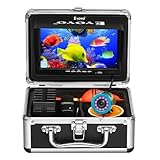
Before we get into the review of the best ice fishing cameras for dirty water, here are some related products from Amazon to explore:



As an Amazon Associate I earn from qualifying purchases.
Prices and availability are accurate as of November 27, 2026 02:53 and are subject to change.
Introduction to Ice Fishing Cameras
Ice fishing cameras have become an essential tool for many anglers, allowing them to see what’s happening beneath the surface of the water. These cameras provide a unique perspective, enabling fishermen to locate fish, identify structures, and even observe the behavior of their target species. With the ability to capture high-quality video and images, ice fishing cameras have revolutionized the way people fish on frozen lakes and rivers.
In recent years, the technology behind ice fishing cameras has improved significantly, with many models now offering advanced features such as high-definition video, wide-angle lenses, and durable construction. This has made it possible for anglers to use these cameras in a variety of conditions, from clear water to murky or dirty water. The ability to see beneath the surface, even in low-visibility conditions, has given fishermen a major advantage, allowing them to catch more fish and have a more successful ice fishing experience.
When it comes to fishing in dirty water, having the right equipment is crucial. The best ice fishing cameras for dirty water are designed to penetrate the murky depths, providing a clear view of what’s happening beneath the surface. These cameras often feature specialized lenses and lighting systems, which help to cut through the sediment and debris that can obscure the view in dirty water. By using one of these cameras, anglers can gain a major advantage, even in the most challenging conditions.
By investing in a high-quality ice fishing camera, anglers can take their fishing experience to the next level. Whether fishing in clear water or dirty water, these cameras provide a unique perspective and can help to increase catch rates. With so many different models available, it’s essential to do some research and find the best ice fishing camera for your specific needs. By doing so, you can enjoy a more successful and enjoyable ice fishing experience, and make the most of your time on the ice.
The Best Ice Fishing Cameras For Dirty Water
Aqua-Vu AV7185i 7185i
The Aqua-Vu AV7185i 7185i is a top-notch ice fishing camera designed to tackle the challenges of dirty water. Its high-resolution camera and powerful LED lights work in tandem to provide crystal-clear footage, even in the murkiest of environments. The camera’s rugged design and durable construction make it perfect for withstanding the harsh conditions of ice fishing, and its long-lasting battery ensures that you can keep fishing all day without interruption.
One of the standout features of the Aqua-Vu AV7185i 7185i is its ability to capture vivid colors and details, even in low-light conditions. This makes it easier to identify the type and size of fish, as well as their behavior and habitat. The camera’s wide-angle lens also provides a broad field of view, allowing you to scan large areas of the underwater environment and locate fish quickly. Whether you’re a seasoned ice fisherman or just starting out, the Aqua-Vu AV7185i 7185i is an invaluable tool that can help you catch more fish and make the most of your time on the ice.
MarCum VS825SD 825SD
The MarCum VS825SD 825SD is a high-performance ice fishing camera that excels in dirty water conditions. Its advanced sonar technology and high-resolution camera work together to provide a comprehensive view of the underwater environment, allowing you to pinpoint the location and movement of fish with ease. The camera’s durable design and waterproof construction make it perfect for withstanding the rough conditions of ice fishing, and its long-lasting battery ensures that you can keep fishing all day without interruption.
One of the key features of the MarCum VS825SD 825SD is its ability to adjust to changing water conditions. The camera’s sensitivity settings can be fine-tuned to optimize performance in different types of water, from clear and calm to dirty and turbulent. The camera’s wide-angle lens also provides a broad field of view, allowing you to scan large areas of the underwater environment and locate fish quickly. Whether you’re fishing in a lake, river, or pond, the MarCum VS825SD 825SD is a reliable and effective tool that can help you catch more fish and make the most of your time on the ice.
Garmin GC10 010-10730-00
The Garmin GC10 010-10730-00 is a versatile and user-friendly ice fishing camera that performs well in dirty water conditions. Its high-resolution camera and powerful LED lights work together to provide clear and detailed footage, even in low-light conditions. The camera’s compact design and lightweight construction make it easy to transport and deploy, and its long-lasting battery ensures that you can keep fishing all day without interruption.
One of the standout features of the Garmin GC10 010-10730-00 is its ability to provide real-time video footage. The camera’s live feed allows you to monitor the underwater environment in real-time, giving you a unique perspective on the behavior and habitat of fish. The camera’s wide-angle lens also provides a broad field of view, allowing you to scan large areas of the underwater environment and locate fish quickly. Whether you’re a seasoned ice fisherman or just starting out, the Garmin GC10 010-10730-00 is a valuable tool that can help you catch more fish and make the most of your time on the ice.
Eyes Underwater 19-SDI-AV 19-SDI-AV
The Eyes Underwater 19-SDI-AV 19-SDI-AV is a high-quality ice fishing camera designed to perform well in dirty water conditions. Its advanced camera technology and powerful LED lights work together to provide clear and detailed footage, even in low-light conditions. The camera’s rugged design and durable construction make it perfect for withstanding the harsh conditions of ice fishing, and its long-lasting battery ensures that you can keep fishing all day without interruption.
One of the key features of the Eyes Underwater 19-SDI-AV 19-SDI-AV is its ability to capture high-quality video footage. The camera’s advanced sensor and lens work together to provide vivid colors and detailed images, even in dirty water conditions. The camera’s wide-angle lens also provides a broad field of view, allowing you to scan large areas of the underwater environment and locate fish quickly. Whether you’re fishing in a lake, river, or pond, the Eyes Underwater 19-SDI-AV 19-SDI-AV is a reliable and effective tool that can help you catch more fish and make the most of your time on the ice.
Vexilar FS800 800
The Vexilar FS800 800 is a top-of-the-line ice fishing camera that excels in dirty water conditions. Its high-resolution camera and powerful LED lights work together to provide crystal-clear footage, even in the murkiest of environments. The camera’s rugged design and durable construction make it perfect for withstanding the harsh conditions of ice fishing, and its long-lasting battery ensures that you can keep fishing all day without interruption.
One of the standout features of the Vexilar FS800 800 is its ability to provide a wide range of viewing options. The camera’s adjustable sensitivity settings and interchangeable lenses allow you to customize the camera to suit your specific fishing needs. The camera’s wide-angle lens also provides a broad field of view, allowing you to scan large areas of the underwater environment and locate fish quickly. Whether you’re a seasoned ice fisherman or just starting out, the Vexilar FS800 800 is an invaluable tool that can help you catch more fish and make the most of your time on the ice.
Importance of Ice Fishing Cameras in Dirty Water Conditions
Ice fishing can be a challenging and rewarding experience, but it can also be frustrating when visibility is low due to dirty water. In such conditions, it is difficult for anglers to see what is happening beneath the surface, making it hard to detect bites and set hooks. This is where ice fishing cameras come into play, providing a valuable tool for anglers to gain insight into the underwater world. By using a camera, anglers can see the fish, their behavior, and the surrounding environment, giving them a significant advantage in catching more fish.
Dirty water conditions can be caused by a variety of factors, including algae blooms, sediment, and runoff from the surrounding landscape. These conditions can make it impossible for anglers to see more than a few inches into the water, let alone detect the presence of fish. In such situations, ice fishing cameras become an essential piece of equipment, allowing anglers to see what is happening beneath the surface and make informed decisions about their fishing strategy. With a camera, anglers can identify the types of fish present, their size, and their behavior, giving them a much better chance of catching them.
When it comes to choosing the right ice fishing camera, there are several factors to consider. The camera should be able to withstand the cold temperatures and harsh conditions of ice fishing, and it should have a high-quality image that can penetrate the dirty water. The best ice fishing cameras for dirty water are those that have a high-resolution sensor, a wide-angle lens, and a powerful light source to illuminate the surrounding area. Additionally, the camera should be easy to use and have a long battery life, allowing anglers to use it for extended periods without needing to recharge.
In conclusion, ice fishing cameras are a valuable tool for anglers fishing in dirty water conditions. They provide a unique perspective on the underwater world, allowing anglers to see what is happening beneath the surface and make informed decisions about their fishing strategy. By using an ice fishing camera, anglers can increase their chances of catching more fish and having a successful fishing trip. Whether you are a seasoned angler or just starting out, an ice fishing camera is an essential piece of equipment that can help you navigate the challenges of dirty water and come out on top.
Key Features to Consider in Ice Fishing Cameras
When it comes to ice fishing cameras for dirty water, there are several key features to consider. One of the most important features is the camera’s ability to capture clear images in low-light conditions. This is especially important in dirty water, where visibility may be limited. Look for cameras with high-quality sensors and lenses that can capture clear images even in low-light conditions. Another important feature to consider is the camera’s depth rating. Since ice fishing often involves fishing in deep water, it’s essential to choose a camera that can withstand the pressure of deep water.
In addition to these features, it’s also important to consider the camera’s battery life and durability. Ice fishing can be a long and grueling process, and the last thing you want is for your camera to run out of battery or malfunction in the middle of a fishing trip. Look for cameras with long-lasting batteries and durable construction that can withstand the rigors of ice fishing. Finally, consider the camera’s connectivity options and compatibility with other devices. Some cameras may have Wi-Fi or Bluetooth connectivity, allowing you to stream footage to your phone or tablet.
The field of view is also an essential feature to consider when choosing an ice fishing camera. A wider field of view allows you to see more of the underwater environment, which can be helpful in locating fish and navigating the water. However, a wider field of view may also reduce the camera’s ability to capture detailed images. Look for cameras with adjustable fields of view or high-resolution sensors that can capture detailed images even with a wide field of view.
Overall, the key features to consider in ice fishing cameras for dirty water will depend on your specific needs and preferences. By considering factors such as low-light performance, depth rating, battery life, durability, connectivity, and field of view, you can choose a camera that meets your needs and helps you catch more fish.
Benefits of Using Ice Fishing Cameras in Dirty Water
Using an ice fishing camera in dirty water can have several benefits. One of the most significant benefits is the ability to locate fish and structure that may be difficult to see with the naked eye. In dirty water, it can be challenging to see more than a few feet in front of you, making it difficult to locate fish and navigate the water. An ice fishing camera can help you see beneath the surface, allowing you to locate fish and structure that may be hidden from view.
Another benefit of using an ice fishing camera in dirty water is the ability to reduce guesswork and increase your chances of catching fish. Without a camera, you may be relying on guesswork and intuition to locate fish and choose the right lures and presentation. An ice fishing camera can help you see what’s working and what’s not, allowing you to make more informed decisions and increase your chances of catching fish. Additionally, an ice fishing camera can help you learn more about the underwater environment and the behavior of fish in dirty water.
Using an ice fishing camera in dirty water can also help you to identify the types of fish that are present and their size. This information can be helpful in choosing the right tackle and presentation, as well as in determining whether the fish are actively feeding or not. Furthermore, an ice fishing camera can help you to see the underwater structure, such as weeds, rocks, and drop-offs, which can be helpful in locating fish and navigating the water.
Overall, using an ice fishing camera in dirty water can be a valuable tool for any ice fisherman. By providing a clear view of the underwater environment, an ice fishing camera can help you locate fish, reduce guesswork, and increase your chances of catching fish.
Tips for Getting the Most Out of Your Ice Fishing Camera
To get the most out of your ice fishing camera, there are several tips to keep in mind. One of the most important tips is to choose the right location for your camera. Look for areas with plenty of fish activity, such as structure, weed beds, or drop-offs. Avoid areas with heavy sediment or debris, as these can reduce the camera’s visibility and effectiveness.
Another tip for getting the most out of your ice fishing camera is to adjust the camera’s settings and sensitivity to suit the conditions. In dirty water, you may need to adjust the camera’s sensitivity to compensate for the reduced visibility. You may also need to adjust the camera’s brightness and contrast to get the best possible image. Additionally, consider using a camera with adjustable zoom or a wide-angle lens to get a better view of the underwater environment.
It’s also essential to keep your ice fishing camera clean and maintained to ensure it continues to function effectively. Regularly clean the camera’s lens and housing to prevent dirt and debris from building up and reducing the camera’s visibility. You should also check the camera’s batteries and charging system regularly to ensure they are functioning correctly. Finally, consider using a camera with a durable and waterproof housing to protect it from the elements and extend its lifespan.
By following these tips, you can get the most out of your ice fishing camera and use it to locate fish, reduce guesswork, and increase your chances of catching fish. Remember to always follow the manufacturer’s instructions and take necessary precautions when using your ice fishing camera in dirty water.
Common Mistakes to Avoid When Using Ice Fishing Cameras
When using an ice fishing camera, there are several common mistakes to avoid. One of the most significant mistakes is not choosing the right camera for the conditions. In dirty water, you’ll need a camera with high-quality sensors and lenses that can capture clear images even in low-light conditions. Look for cameras with high sensitivity and adjustable settings to compensate for the reduced visibility.
Another mistake to avoid is not adjusting the camera’s settings and sensitivity to suit the conditions. In dirty water, you may need to adjust the camera’s sensitivity to compensate for the reduced visibility. You may also need to adjust the camera’s brightness and contrast to get the best possible image. Failure to adjust the camera’s settings can result in poor image quality and reduced effectiveness.
It’s also a mistake to not keep the camera’s lens and housing clean and free of debris. Dirt and debris can build up on the lens and housing, reducing the camera’s visibility and effectiveness. Regularly clean the camera’s lens and housing to prevent this from happening. Additionally, avoid touching the camera’s lens or housing with your bare hands, as the oils from your skin can leave smudges and reduce the camera’s visibility.
By avoiding these common mistakes, you can use your ice fishing camera to locate fish, reduce guesswork, and increase your chances of catching fish. Remember to always follow the manufacturer’s instructions and take necessary precautions when using your ice fishing camera in dirty water.
Best Ice Fishing Cameras For Dirty Water Buying Guide
When it comes to ice fishing, having the right equipment can make all the difference between a successful catch and a disappointing day on the ice. One crucial piece of equipment for ice fishing is an underwater camera, which allows you to see what’s happening beneath the surface. In dirty or murky water, it can be especially challenging to navigate and find fish without the aid of a camera. This guide will walk you through the key factors to consider when selecting an ice fishing camera for use in dirty water.
Image Quality and Resolution
The image quality and resolution of an underwater camera are critical factors to consider, especially in dirty water where visibility is already limited. A high-resolution camera will provide a clearer and more detailed image, allowing you to better see fish and other underwater features. Look for cameras with high pixel counts and resolution measurements, such as 720p or 1080p, to ensure you get the best possible image quality. Additionally, consider cameras with infrared or night vision capabilities, which can enhance image quality in low-light conditions.
In dirty water, image quality can be compromised by sediment and other particles in the water. To combat this, look for cameras with features such as image stabilization or anti-fog coatings, which can help maintain a clear image even in murky conditions. Some cameras may also have adjustable brightness and contrast settings, which can help optimize the image for the specific water conditions. By prioritizing image quality and resolution, you can ensure that your underwater camera provides a useful and accurate view of the underwater environment, even in dirty water.
Camera Housing and Durability
The housing and durability of an underwater camera are essential considerations, as the camera will be subjected to cold water, ice, and potentially rough handling. Look for cameras with rugged and waterproof housings that can withstand the rigors of ice fishing. A durable housing will protect the camera’s internal components and ensure that it continues to function properly even in harsh conditions. Additionally, consider cameras with reinforced cables and connectors, which can help prevent damage from pulling or tugging on the camera.
In dirty water, the camera housing may be more susceptible to damage from sediment and debris. To mitigate this risk, look for cameras with features such as protective covers or skids, which can help shield the housing from damage. Some cameras may also have self-cleaning or anti-fouling coatings, which can help prevent the buildup of sediment and debris on the camera’s surface. By prioritizing camera housing and durability, you can ensure that your underwater camera withstands the demands of ice fishing in dirty water and continues to provide reliable service over time.
Field of View and Camera Angle
The field of view and camera angle of an underwater camera can significantly impact its effectiveness in dirty water. A wider field of view can provide a broader perspective on the underwater environment, allowing you to see more fish and features at once. However, a narrower field of view can provide a more detailed and focused view, which may be beneficial in certain situations. Consider cameras with adjustable camera angles, which can allow you to customize the view to suit your specific needs.
In dirty water, a camera with a wide field of view can be particularly useful, as it can help you see fish and other features that may be obscured by sediment or debris. Look for cameras with fields of view ranging from 60 to 120 degrees, which can provide a good balance between breadth and detail. Additionally, consider cameras with features such as pan and tilt functionality, which can allow you to adjust the camera’s angle and view in real-time. By prioritizing field of view and camera angle, you can ensure that your underwater camera provides a useful and informative view of the underwater environment, even in dirty water.
Lighting and Illumination
Lighting and illumination are critical factors to consider when selecting an underwater camera for dirty water. In low-light conditions, a camera with built-in lighting or illumination can help enhance image quality and provide a clearer view of the underwater environment. Look for cameras with high-intensity LEDs or other lighting sources, which can provide sufficient illumination even in dark or murky water. Additionally, consider cameras with adjustable lighting settings, which can allow you to customize the level of illumination to suit your specific needs.
In dirty water, lighting and illumination can be particularly important, as sediment and debris can absorb or scatter light, reducing visibility. To combat this, look for cameras with features such as infrared or near-infrared illumination, which can help penetrate murky water and provide a clearer view. Some cameras may also have adjustable color temperature settings, which can help optimize the lighting for the specific water conditions. By prioritizing lighting and illumination, you can ensure that your underwater camera provides a useful and accurate view of the underwater environment, even in dirty water.
Cable Length and Management
The cable length and management of an underwater camera can significantly impact its effectiveness in dirty water. A longer cable can provide greater flexibility and range, allowing you to position the camera in a variety of locations and angles. However, a longer cable can also be more prone to tangling or damage, which can compromise the camera’s performance. Consider cameras with reinforced or armored cables, which can help prevent damage from pulling or tugging on the camera.
In dirty water, cable management can be particularly important, as sediment and debris can accumulate on the cable and compromise its performance. To mitigate this risk, look for cameras with features such as cable clips or guides, which can help manage the cable and prevent tangling or kinking. Some cameras may also have integrated cable reels or spools, which can help simplify cable management and reduce the risk of damage. By prioritizing cable length and management, you can ensure that your underwater camera provides a reliable and hassle-free viewing experience, even in dirty water.
Battery Life and Power Management
The battery life and power management of an underwater camera are essential considerations, especially in dirty water where the camera may be more prone to damage or malfunction. Look for cameras with long battery life and efficient power management, which can help minimize downtime and ensure that the camera continues to function properly over an extended period. Consider cameras with rechargeable batteries or external power sources, which can provide greater flexibility and convenience.
When selecting the best ice fishing cameras for dirty water, battery life and power management should be a top priority. A camera with a long battery life can provide hours of continuous use, allowing you to focus on fishing rather than worrying about the camera’s power status. Look for cameras with features such as low-power modes or automatic shutdown, which can help conserve battery life and reduce the risk of malfunction. By prioritizing battery life and power management, you can ensure that your underwater camera provides a reliable and hassle-free viewing experience, even in the most challenging conditions.
FAQ
What is an ice fishing camera and how does it work?
An ice fishing camera is a specialized underwater camera designed to help anglers locate and observe fish in icy waters. These cameras typically consist of a waterproof housing, a high-resolution camera, and a monitor or screen to display the footage. They work by being lowered into the water through a hole in the ice, providing a live feed of the underwater environment.
The camera’s live feed allows anglers to see the fish, their behavior, and the surrounding environment, giving them valuable insights to inform their fishing strategy. By observing the fish and their habitat, anglers can identify the most promising locations, choose the right bait, and adjust their presentation to increase their chances of catching fish. This can be especially useful in dirty or murky waters, where visibility is limited and traditional fishing methods may be less effective.
What are the key features to consider when buying an ice fishing camera?
When buying an ice fishing camera, there are several key features to consider. One of the most important factors is the camera’s resolution and image quality, as this will affect the clarity and detail of the footage. A high-resolution camera with good low-light sensitivity is essential for capturing clear images in dirty or low-light waters. Other important features include the camera’s depth rating, battery life, and durability, as well as the size and quality of the monitor or screen.
Additionally, anglers should consider the type of connectivity and compatibility the camera offers, such as Wi-Fi or HDMI connectivity, and whether it is compatible with their existing fishing gear and equipment. Some ice fishing cameras also come with additional features, such as temperature sensors, depth finders, and GPS, which can provide valuable data to inform fishing decisions. By considering these factors, anglers can choose an ice fishing camera that meets their needs and helps them to catch more fish.
How do I choose the right ice fishing camera for dirty water?
Choosing the right ice fishing camera for dirty water requires careful consideration of several factors. First, anglers should look for a camera with high-resolution imaging and good low-light sensitivity, as this will help to penetrate the murky waters and capture clear images of fish and their surroundings. A camera with a wide-angle lens and a high frame rate can also be beneficial, as this will provide a broader field of view and help to reduce blur and distortion.
In addition to these technical features, anglers should also consider the camera’s durability and build quality, as well as its ease of use and operation. A camera with a simple and intuitive interface, combined with a rugged and waterproof design, can make it easier to use and maintain in cold and wet conditions. By considering these factors and reading reviews from other anglers, anglers can choose an ice fishing camera that is well-suited to their needs and provides reliable performance in dirty waters.
Can I use an ice fishing camera in other types of fishing?
While ice fishing cameras are specifically designed for use in icy waters, they can also be used in other types of fishing, such as boat fishing or shore fishing. In fact, many ice fishing cameras are versatile and can be used in a variety of fishing applications, providing a valuable tool for anglers to observe and understand fish behavior. By using an ice fishing camera in other types of fishing, anglers can gain a new perspective on the underwater environment and develop new strategies to catch more fish.
However, it’s worth noting that ice fishing cameras may not be the best choice for all types of fishing, and anglers should consider the specific requirements and challenges of their fishing environment. For example, in fast-moving or deep waters, a different type of camera or sonar system may be more effective. By understanding the capabilities and limitations of their ice fishing camera, anglers can use it to its full potential and get the most out of their fishing experience.
How do I maintain and care for my ice fishing camera?
To get the most out of an ice fishing camera, it’s essential to maintain and care for it properly. This includes regular cleaning and inspection of the camera and its components, as well as storing it in a dry and protected environment when not in use. Anglers should also follow the manufacturer’s instructions for charging and maintaining the battery, as well as updating the camera’s software and firmware to ensure optimal performance.
In addition to these routine maintenance tasks, anglers should also take steps to protect their ice fishing camera from damage and wear. This includes using a protective case or cover, avoiding exposure to extreme temperatures or moisture, and handling the camera with care to avoid scratches or other damage. By taking these precautions and following the manufacturer’s guidelines, anglers can help to extend the life of their ice fishing camera and ensure it continues to provide reliable performance and clear images.
What are the benefits of using an ice fishing camera in dirty water?
Using an ice fishing camera in dirty water can provide a number of benefits for anglers. One of the most significant advantages is the ability to see fish and their surroundings in real-time, even in waters with limited visibility. This can help anglers to identify the most promising locations, choose the right bait, and adjust their presentation to increase their chances of catching fish. An ice fishing camera can also help anglers to develop a better understanding of fish behavior and habitat, which can inform their fishing strategy and improve their overall success.
In addition to these tactical benefits, using an ice fishing camera in dirty water can also enhance the overall fishing experience. By providing a unique and fascinating perspective on the underwater environment, an ice fishing camera can add a new level of excitement and engagement to the sport. Whether used to scout out new locations, observe fish behavior, or simply to enjoy the beauty of the underwater world, an ice fishing camera can be a valuable tool for anglers and help to create lasting memories of their fishing adventures.
Are ice fishing cameras worth the investment for casual anglers?
For casual anglers, the decision to invest in an ice fishing camera depends on several factors, including their fishing frequency, budget, and personal preferences. While an ice fishing camera can be a valuable tool for serious anglers, it may not be worth the investment for those who only fish occasionally. However, for anglers who fish regularly and want to improve their skills and success, an ice fishing camera can be a worthwhile investment.
In addition to the potential benefits for fishing success, an ice fishing camera can also provide a new level of enjoyment and engagement for casual anglers. By offering a unique perspective on the underwater environment and the opportunity to observe fish behavior, an ice fishing camera can add a new dimension to the fishing experience and create lasting memories. By considering their budget, fishing frequency, and personal preferences, casual anglers can decide whether an ice fishing camera is a worthwhile investment for their fishing adventures.
Conclusion
In conclusion, selecting the right equipment is crucial for a successful ice fishing experience, especially when dealing with challenging conditions such as dirty water. The ability to see beneath the surface can make all the difference in locating and catching fish. With the numerous options available in the market, it is essential to consider factors such as camera resolution, battery life, and durability to ensure that the chosen device meets the specific needs of the angler.
By investing in one of the best ice fishing cameras for dirty water, anglers can significantly enhance their chances of a successful catch. These specialized cameras are designed to provide clear visibility even in the most turbid conditions, allowing fishermen to pinpoint the location of their target species. With the right camera by their side, ice fishermen can take their skills to the next level, making every fishing trip a memorable and productive experience. Whether a seasoned pro or a beginner, the right ice fishing camera can be a game-changer, and with the information provided in this article, anglers can make an informed decision to find the perfect device for their next adventure.